



Bronze Pen Tray
A bronze pen tray brings desk accessories together with practical metalwork, offering a solid resting place for pens and daily writing instruments.
Bronze Pen Tray
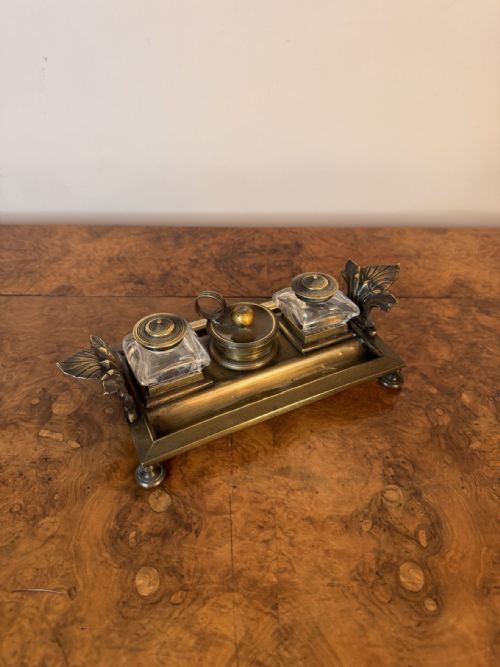
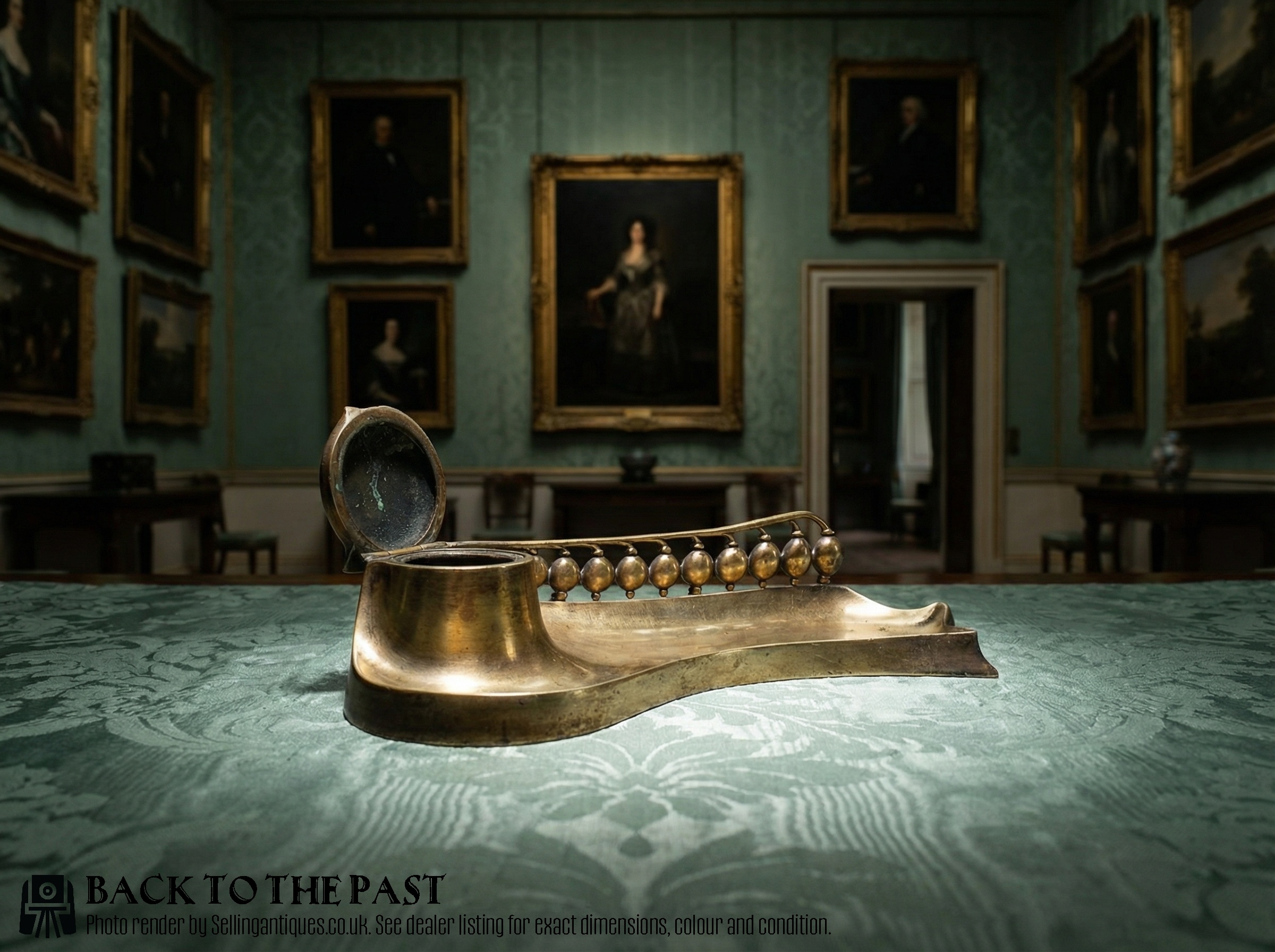
When you search for a bronze pen tray, you encounter desk accessories created to hold writing tools and tidy workspaces. These items often incorporate inkwells, pen rests, and small trays formed from metal.
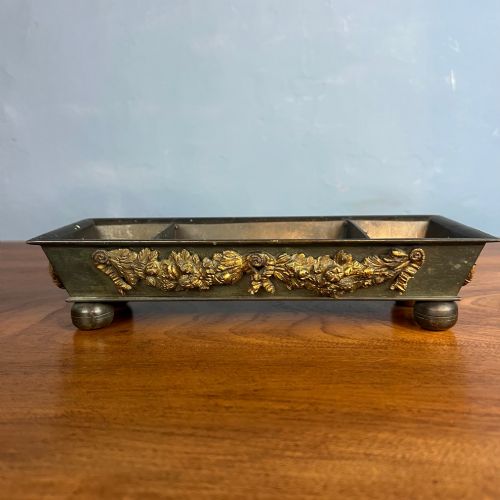
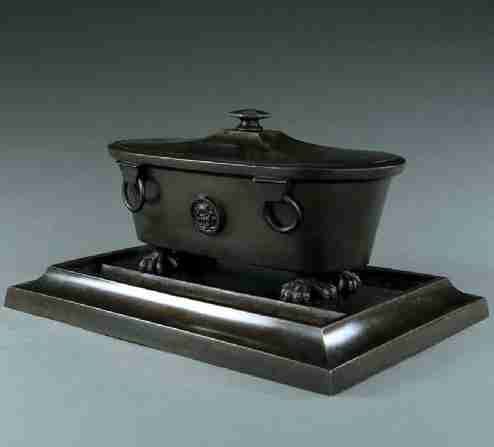
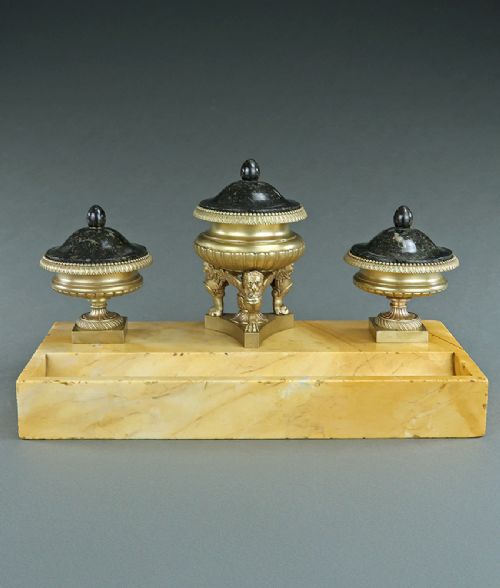
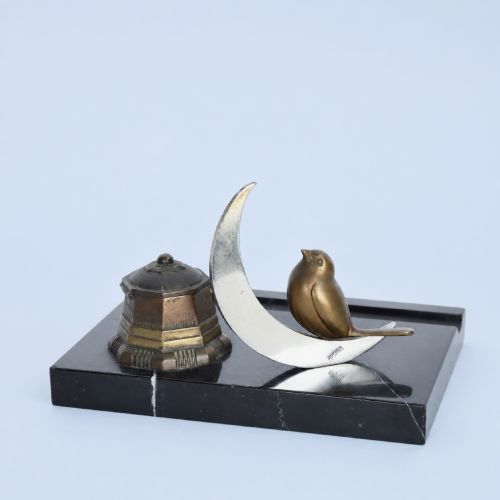
The pieces on this page appear in various styles from the nineteenth century onwards, including Neoclassical, Art Nouveau, and Art Deco designs. Many combine cast metalwork with heavy stone bases.
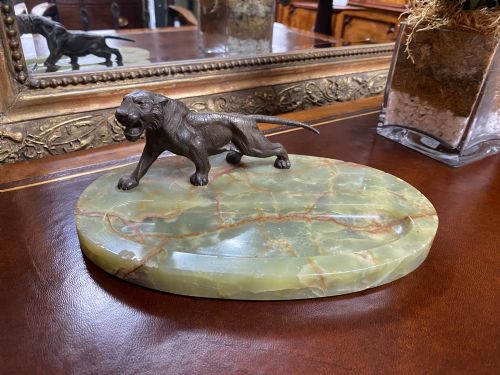
Makers produced these trays in forms ranging from plain classical channels to elaborate sculptural compositions featuring animals, figures, and architectural motifs.
How they were made
Foundry workers cast metal using bronze, brass, or gilt ormolu, frequently applying cold-painted details or gilding to the finished surfaces. Artisans shaped these metals into structural trays and detailed animal figures.
Many examples mount the cast metal directly onto bases of marble, onyx, or crystal glass. These heavy stone and glass elements provide stability and contrast with the warm tones of the metal.
Bronze Pen Tray Retail Price Guide 2026
Typical asking prices for bronze pen tray among the pieces listed under this phrase on Sellingantiques today, from the lower quarter to the upper quarter. They describe what is for sale here now, not the wider market.
Materials appearing across the inventory include gilt bronze, ormolu, green marble, onyx, crystal glass, and coromandel wood.
What varies in quality
The refinement of the casting and chasing separates standard production pieces from exceptional works. Crisp detailing in animal fur, feathers, and classical foliage indicates superior workshop execution.
The choice and integration of materials also distinguish different grades of desk ware. Heavy coloured marbles, fine crystal inserts, and well-preserved gilding or original cold-painted surfaces elevate the character of a piece.
Asprey Of London·Lefebvre of Belgium·A. MARIONNET·Maurice Dufrene·Bergmann
The Bronze Pen Tray Glossary
- Ormolu
- Gilded bronze produced by applying a mercury-gilding technique to cast brass or bronze. This process creates a bright, durable gold-colored surface finish.
- Champleve enamel
- A technique where troughs are dug into the metal surface and filled with vitreous enamel powder before firing. It adds colourful geometric or floral patterns to the metal body.
- Grand Tour
- A cultural journey undertaken by wealthy Europeans through continental sites. Items acquired on these trips often reflected classical antiquity.
- Cold painted bronze
- A method where bronze figures receive paint layers that are not subjected to high-temperature kiln firing. This technique produces vibrant coloration on small animal sculptures.
- Encrier
- A French term for an inkstand or inkwell. These desk accessories typically incorporate pen channels alongside one or more ink pots.
Bronze Pen Tray: Frequently Asked Questions
How do I clean a bronze pen tray?
Dust the surface gently with a soft, dry cloth to remove particle buildup. Avoid chemical polishes or abrasive cloths that can strip surface patination or gilding.
For stone bases, wipe with a damp cloth and dry immediately. Keep moisture away from any exposed metal joins or painted details.
What is the difference between bronze and ormolu?
Bronze is an alloy of copper and tin used directly for casting figures and trays. Ormolu refers to bronze or brass that has received a layer of gold.
Ormolu provides a bright yellow-gold appearance, whereas untreated bronze develops a darker patination over time.
How do I date a piece?
Examine the stylistic cues, such as classical motifs for nineteenth-century items or geometric lines for 1930s pieces. Signatures, foundry marks, and material combinations also help establish production periods.
Comparing the casting quality and secondary materials like marble types provides additional context for the date.
Were these trays used in offices?
These desk accessories served writing desks in private libraries, studies, and offices. They kept ink, pens, and paper-knives organised during correspondence.
Wealthier households used elaborate sets featuring matched inkwells and letter racks.