

Bronze Ormolu Stand
When you choose a bronze ormolu stand, you select a decorative support that combines cast metal mounts with rich gilding.
Bronze Ormolu Stand
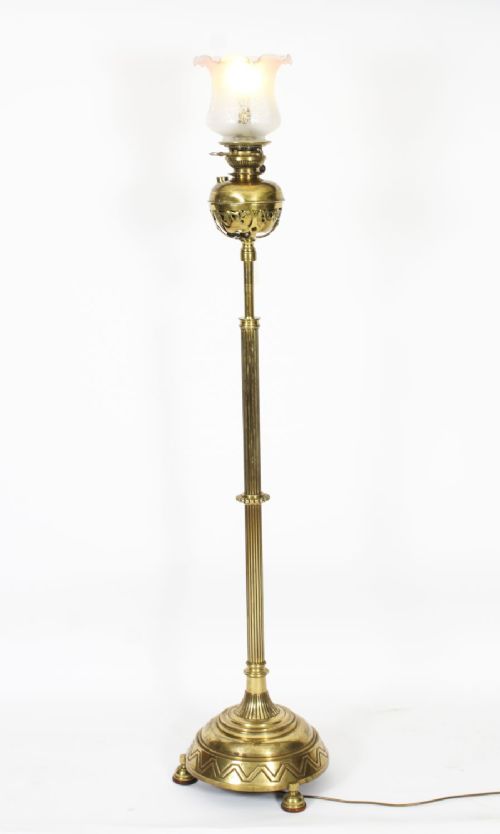
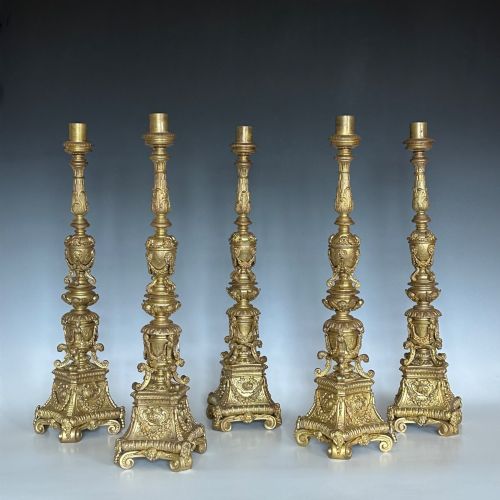
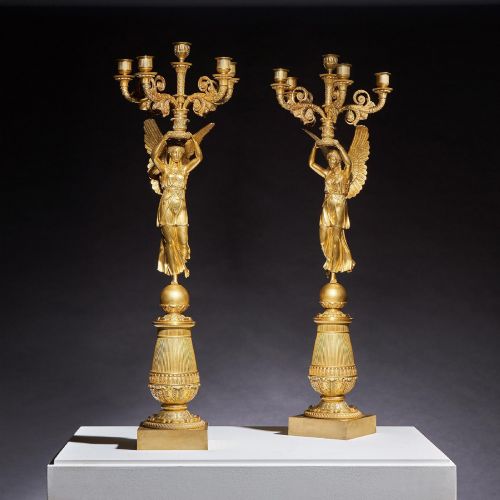
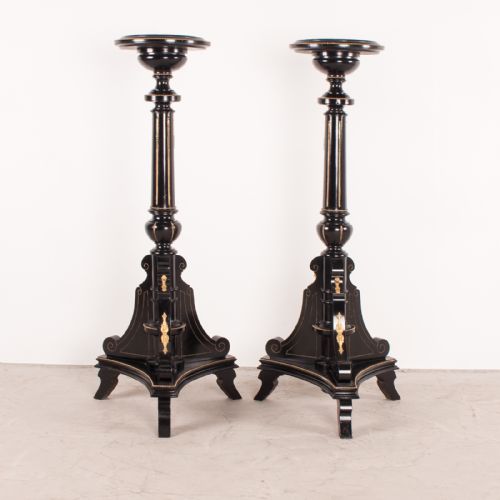
A bronze ormolu stand incorporates gilded metal elements applied to furniture, lighting bases, and display columns, appearing frequently in nineteenth-century French and English interiors. These pieces range from small inkstands and desk sets to larger pedestals, jardiniere stands, and table bases mounted with decorative gilt bronze. The primary forms seen here date predominantly from the nineteenth century, drawing on Regency, Empire, Louis XVI, and Rococo revival styles.
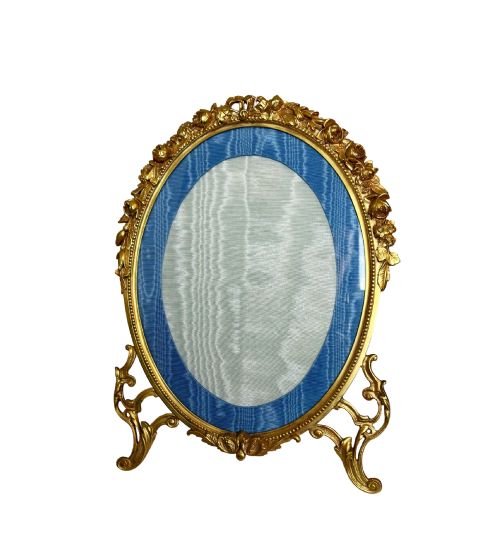
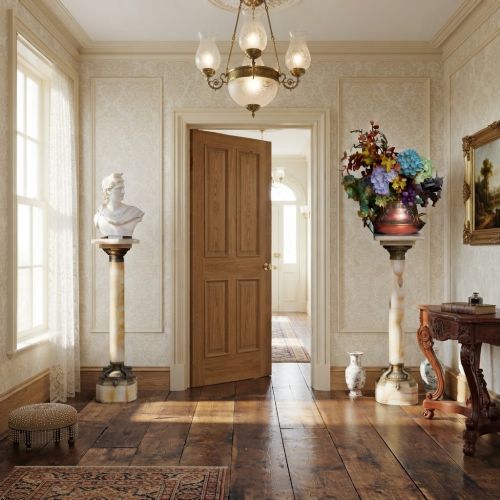
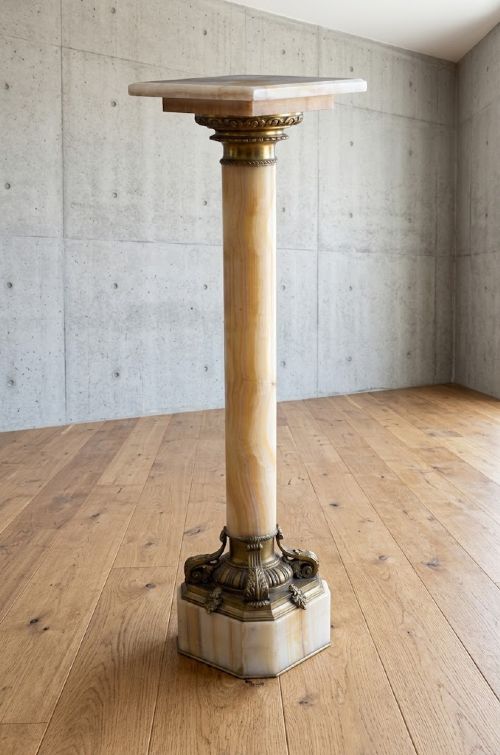
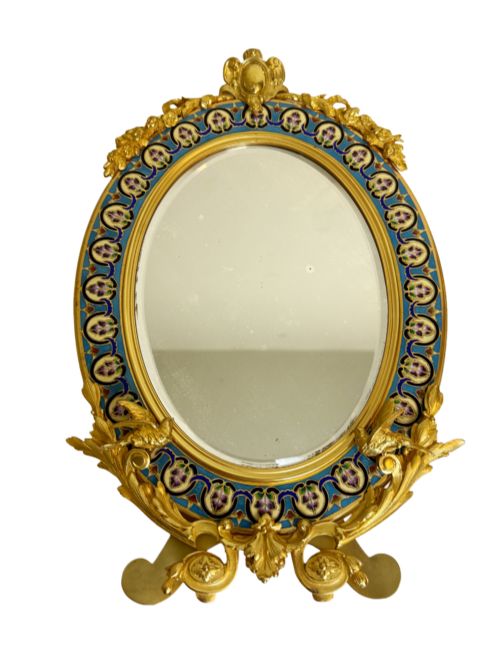
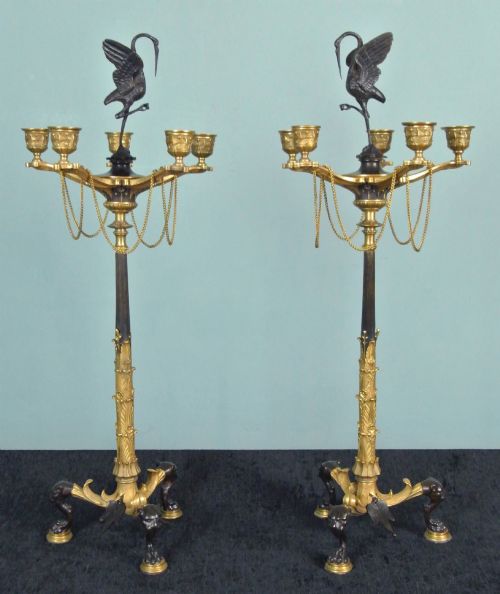
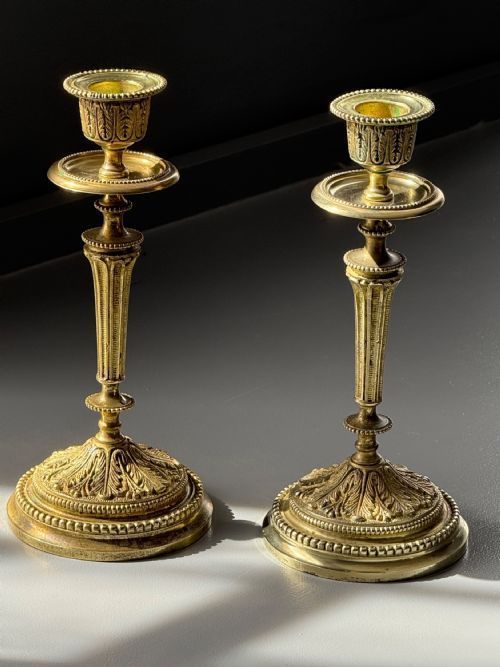
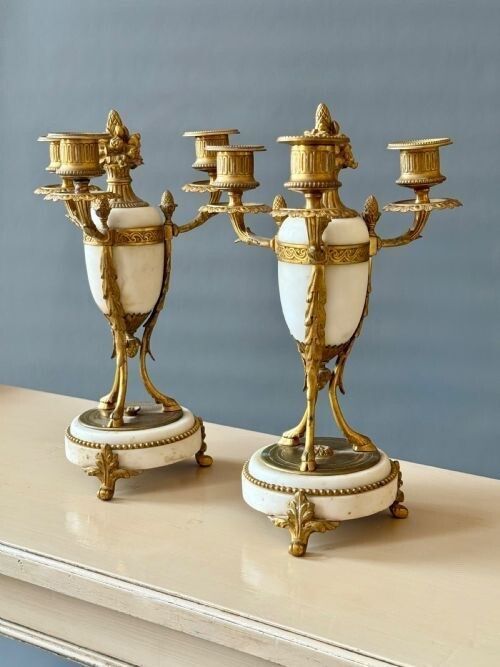
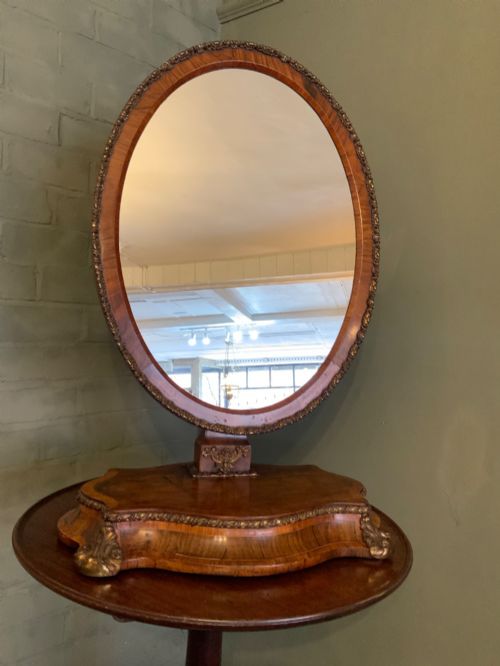
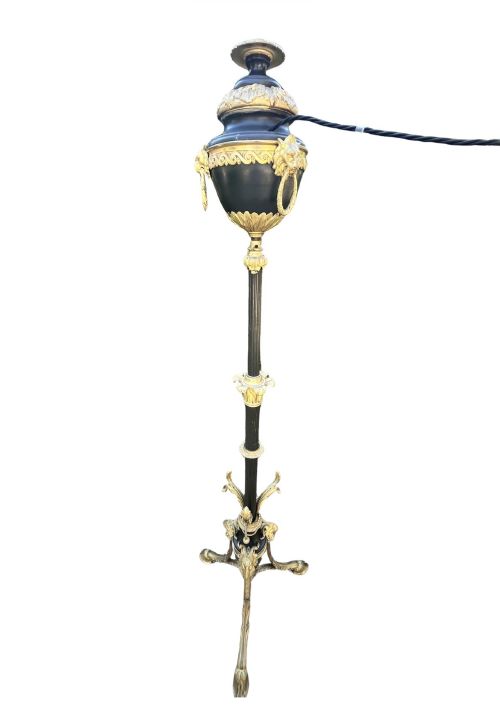
Buyers encounter various configurations, including marble columns and onyx pedestals featuring chased ormolu collars, as well as wooden tables and toilet mirrors enhanced with gilt bronze mounts. Candlesticks, candelabra, and centrepieces often incorporate similar patinated bronze and ormolu combinations to create decorative contrast. These objects reflect the heavy influence of continental design traditions adapted for Victorian and Edwardian drawing rooms.
Materials and manufacturing techniques
The creation of these pieces relies on the combination of cast bronze, brass, or patinated metal enriched with mercury gilding or fire gilding to produce the distinctive ormolu finish. Artisans chased the cast bronze surfaces by hand using fine chisels and matting tools to sharpen details before applying the gold amalgam. This technique produced a bright, durable surface that contrasted sharply with darker patinated bronze or natural stone elements.
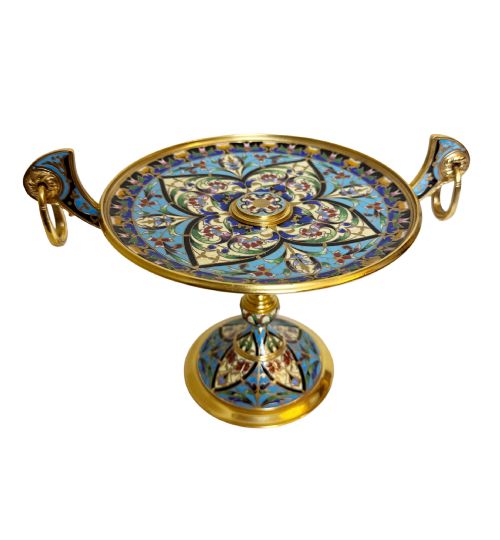
Structural components frequently integrate contrasting materials such as white marble, onyx, glass, and exotic timbers including walnut, kingwood, and satinwood. Champleve enamel and porcelain plaques occasionally supplement the metal mounts on dressing table mirrors, inkstands, and jardiniere stands. The joinery and assembly of these mixed-media objects required specialised metalworkers and cabinetmakers working in tandem.
Listings feature 19th-century French and English pieces combining gilt bronze, ormolu, marble, onyx, and champleve enamel across various decorative forms.
Distinctions in craftsmanship
The quality of the gilding itself marks a clear division, with genuine fire-gilded ormolu showing a warm, deep lustre that resists wear differently than later electroplated finishes. Additionally, the integration of the mounts into the primary material - whether marble, onyx, or timber - demonstrates the maker's precision through tight joints and secure, concealed fixings.
Pierre Philippe Thomire·Rabiat
The Bronze Ormolu Stand Glossary
- Ormolu
- Gilded bronze produced by applying a mercury and gold mixture to a bronze base and heating it until the mercury vaporised. This historic technique created a rich, durable golden surface seen on antique mounts and decorative objects.
- Champleve
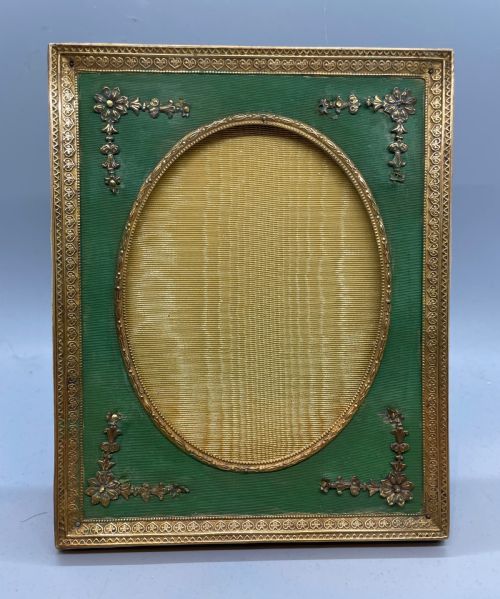
- An enamelling technique where troughs or cells are hollowed out of the metal surface and filled with vitreous enamel powder before firing. It appears frequently on nineteenth-century picture frames, candlesticks, and desk accessories.
- Patinated bronze
- Bronze that has been chemically treated to alter its surface colour, usually resulting in dark brown or greenish tones. This dark finish provides visual contrast against bright ormolu mounts.
- Jardiniere
- An ornamental stand or receptacle designed to hold plants or flowers. These items often feature ceramic inserts or metal liners surrounded by decorative wood and ormolu mounts.
Bronze Ormolu Stand: Frequently Asked Questions
What is ormolu?
Ormolu refers to finely chased gilt bronze used for decorative mounts on furniture, clocks, and lighting. The term derives from the French phrase describing ground gold.
Craftsmen applied a gold and mercury mixture to cast bronze before heating it to burn off the mercury, leaving a rich golden layer that required meticulous hand-chasing.
How do I clean ormolu?
Cleaning requires only a soft, dry cloth to remove dust and airborne particles. Avoid chemical polishes and abrasive cloths entirely.
Harsh cleaning agents strip away the historic gold layer and expose the underlying bronze or brass, permanently diminishing the appearance and character of the object.
Are marble columns original?
Many nineteenth-century pedestals pair carved marble or onyx columns with matching ormolu capitals and bases. Makers frequently combined natural stone with cast metal mounts to create stable display supports.
Inspecting the fit between the stone and the metal collar helps determine if the components share the same period of manufacture.
How do I date these pieces?
Dating relies on stylistic clues, construction methods, and the specific composition of the bronze and gilding materials. Pieces reflecting French Empire or Regency designs often date to the early nineteenth century.
Later Victorian and Edwardian revivals incorporate similar motifs but utilise different casting precision and assembly techniques typical of industrial manufacturing shifts.