



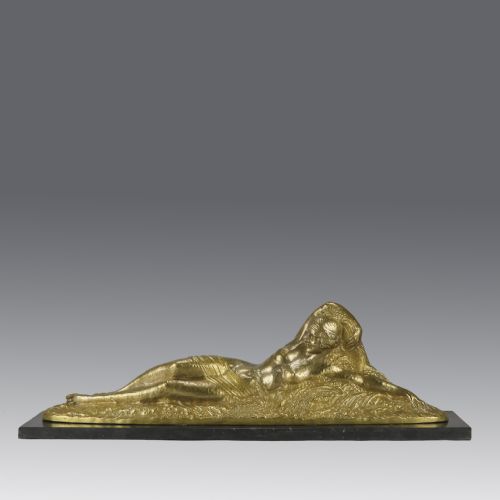
Bronze Nude Statue
When you search for a bronze nude statue, you are entering a world of classical form and modernist styling executed in metal.
Bronze Nude Statue
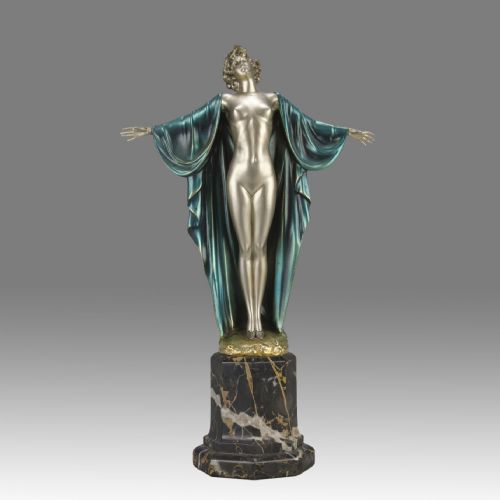
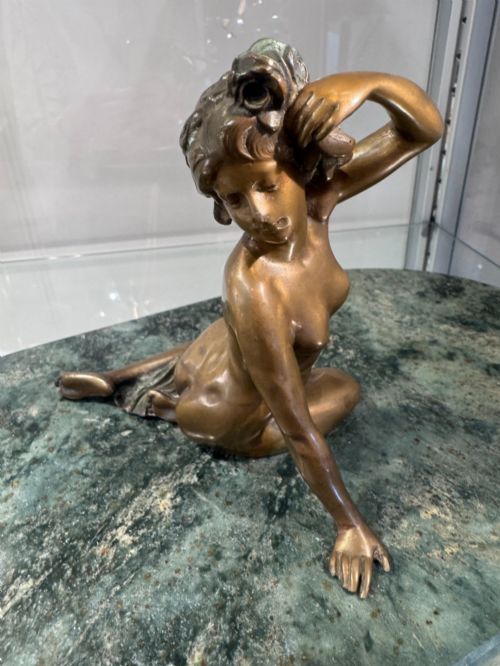
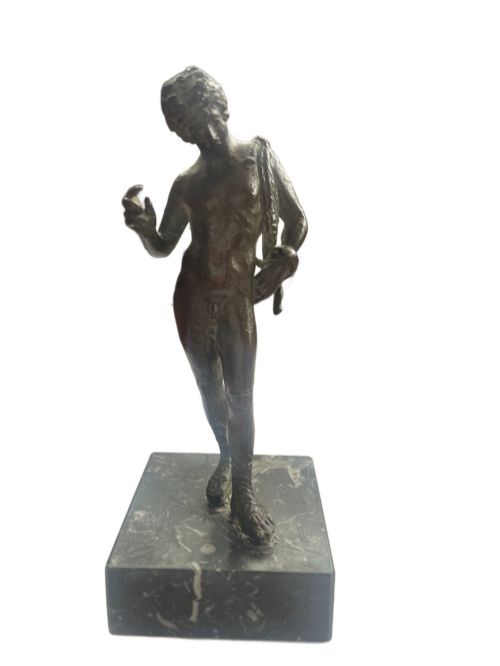
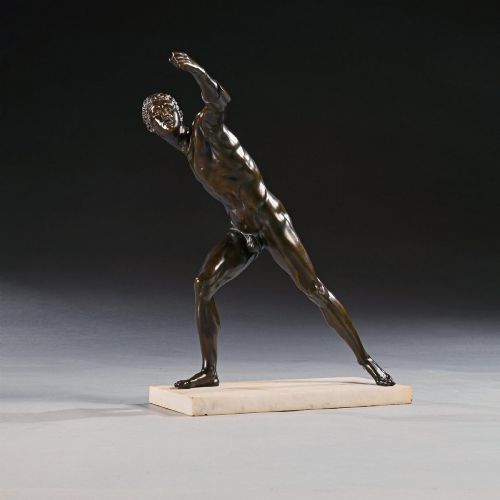
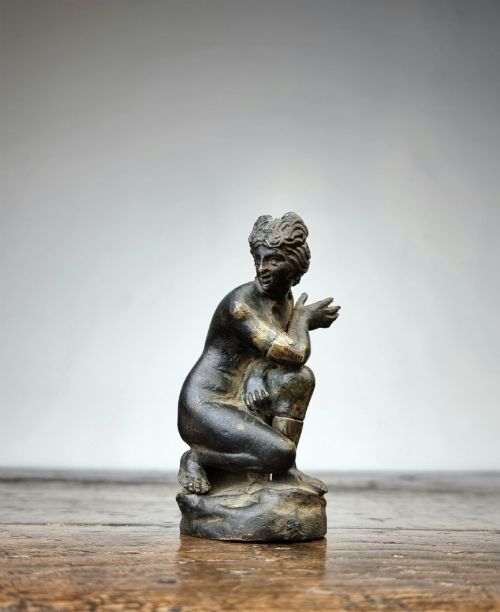
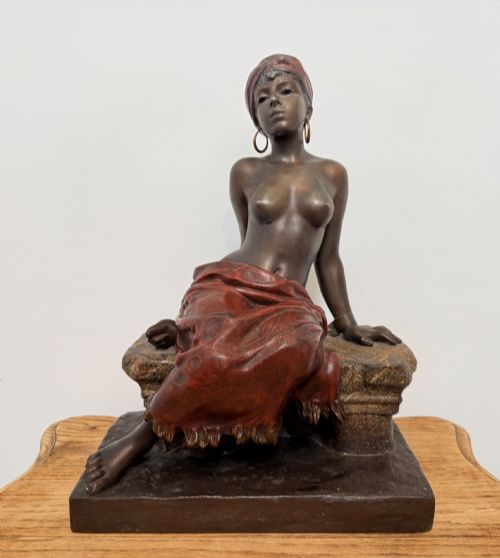
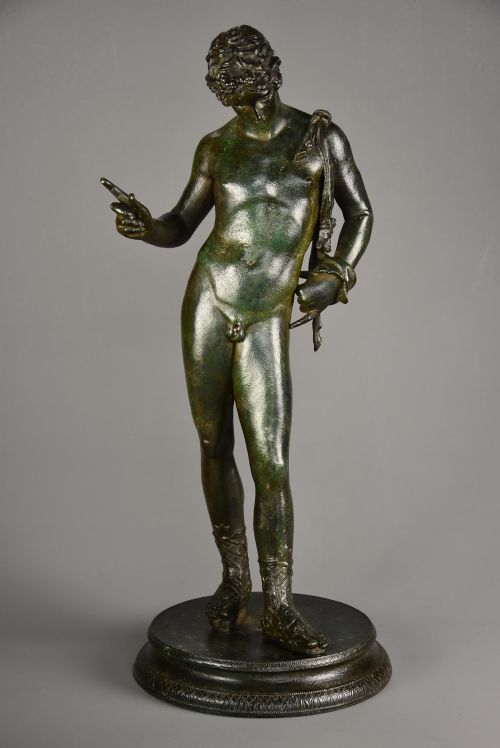
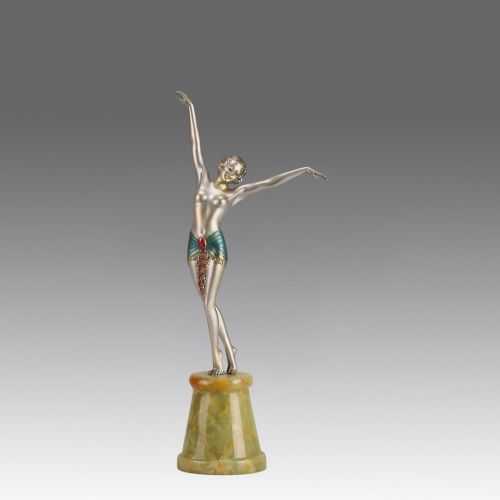
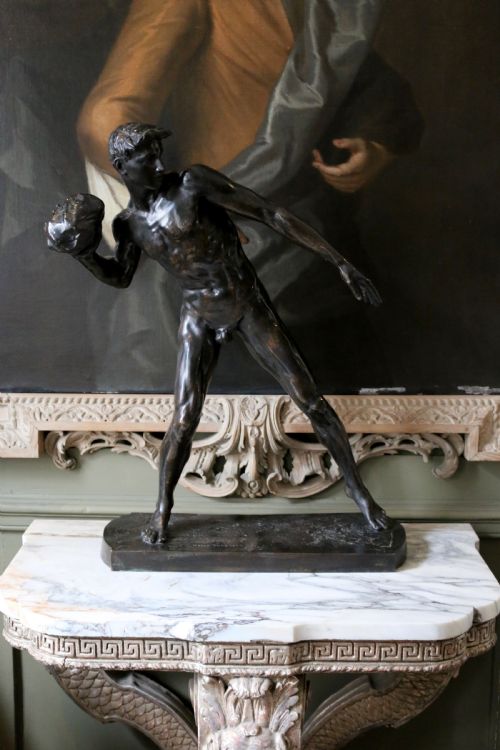
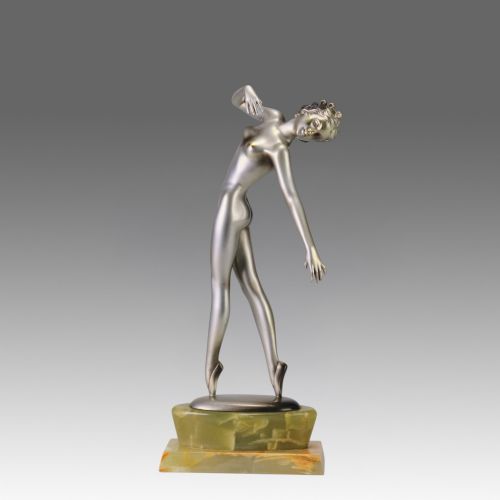
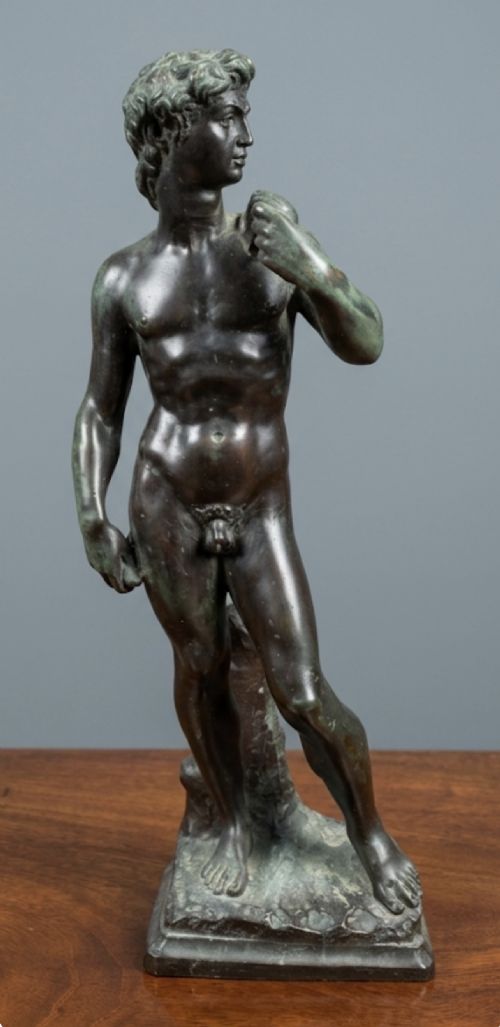
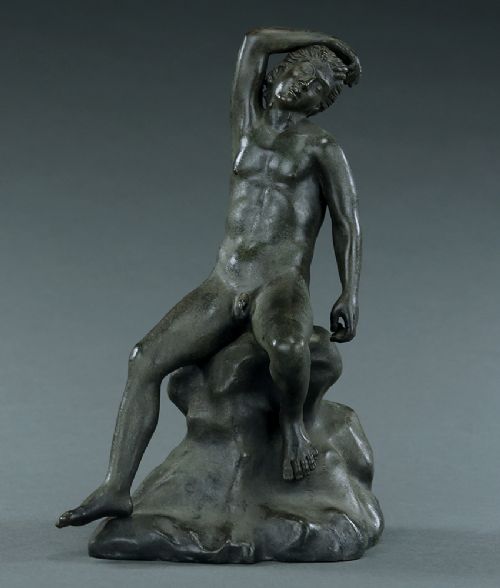
A bronze nude statue represents the human form cast in metal, ranging from classical mythological subjects to sleek modernist interpretations. You will most frequently encounter nineteenth-century Grand Tour reductions of ancient antiquities alongside twentieth-century Art Deco and Art Nouveau figures.
These pieces appear as table lamps, desk ornaments, car mascots, and standalone cabinet sculptures. The variety spans from small cabinet statuettes to large scale gallery pieces mounted on stone bases.
Origins stretch across French, Austrian, Italian, and British foundries and studios. The aesthetic shifts from Victorian academic realism and Neoclassical revival to the stylised geometric lines of the interwar period.
Materials and casting methods
Foundries utilised the lost-wax casting method or sand casting to achieve intricate detail in the metal. Figures were then finished with patination, cold-painting, or gilding to create surface colour and texture.
Many sculptures incorporate integral plinths or distinct bases made from marble, onyx, or alabaster. These natural stone mounts provide both visual weight and physical stability to the standing or reclining metal figures.
Some Art Deco ladies double as car mascots, proving that even a goddess occasionally needs to ride on a radiator cap.
Distinguishing quality in cast figures
The depth and application of the patina or cold-painted enamel dictate visual richness. Original surface treatments applied during the period hold significantly more character than later refurbishments.
Ferdinand Barbedienne·Ferdinand Preiss·Josef Lorenzl·Demetre Chiparus·Pierre Le Faguays
The Bronze Nude Statue Glossary
- Patina
- The chemical colouration or surface sheen developed on bronze over time or applied by the foundry. This finish protects the metal and defines the highlights of the sculpture.
- Cold-painted
- A technique where paint is applied to cold bronze rather than fired in a kiln. This method appears frequently on Viennese animal and figural bronzes.
- Grand Tour
- A nineteenth-century tradition where travellers collected miniature bronze copies of classical antiquities in Italy. These souvenirs replicated famous statues from Rome and Pompeii.
- Lost-wax
- A casting process where a wax model is melted from a mould and replaced with molten bronze. This technique allows for supreme intricacy in figural sculpture.
- Spelter
- A zinc alloy frequently utilised as a substitute for bronze in decorative figures. It is lighter and softer than true bronze.
Bronze Nude Statue: Frequently Asked Questions
How do I clean a bronze nude statue?
Dust the surface gently with a soft, dry brush to remove particles without disturbing the underlying finish.
Avoid commercial metal polishes or water, as abrasive cleaners will strip the historic patina away permanently.
What is cold-painted bronze?
Cold-painting involves applying natural pigments to unheated metal using a binding medium like glue or oil.
Because the paint is not fired, these pieces require careful handling to prevent flaking and loss of colour.
Are marble bases original to these sculptures?
Many figures were cast with integrated metal tabs that secured directly into fitted marble, onyx, or alabaster plinths.
Matching stone types and secure mounting indicate a period assembly rather than a later replacement.
How do I identify a Grand Tour bronze?
Grand Tour bronzes typically replicate famous classical sculptures seen by travellers in Italian museums and archaeological sites during the nineteenth century.
They often feature distinctive green or dark brown patination and heavy stone or marble bases.