



Antique Venus Sculpture
An antique venus sculpture brings classical mythology into your interior, capturing timeless ideals of beauty in bronze, marble and terracotta.
Antique Venus Sculpture
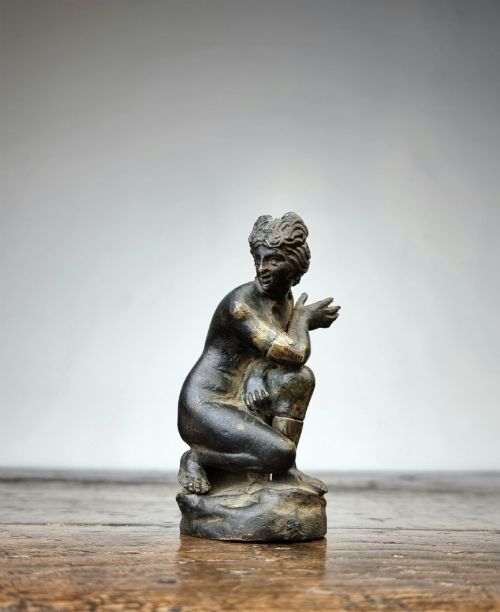
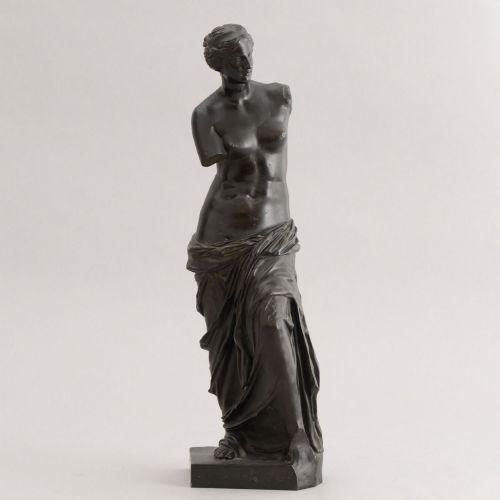
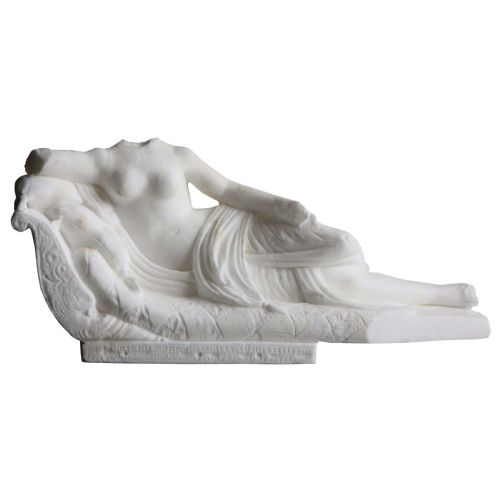
When you search for an antique venus sculpture, you encounter interpretations of classical antiquity rendered primarily across the nineteenth century. These works range from small Grand Tour souvenirs designed for travellers to large exhibition bronzes cast by prominent French foundries.
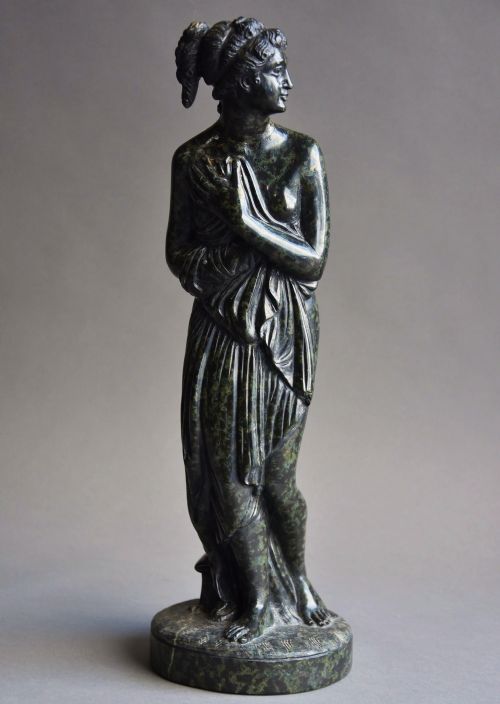
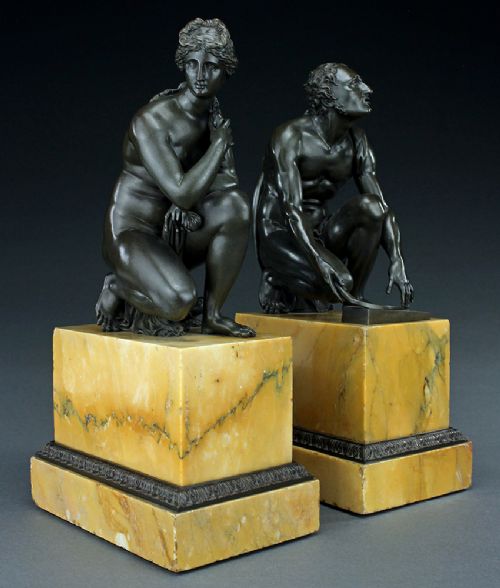
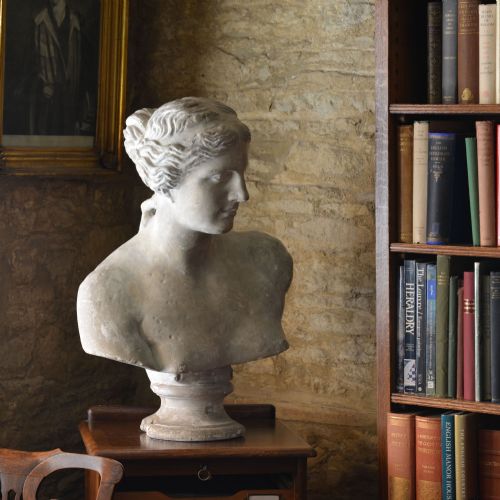
The most frequent form on this page is the bronze reduction after famous ancient prototypes such as the Venus de Milo or the Crouching Venus. Sculptures in marble, terracotta, plaster and serpentine appear alongside these metals, offering varied textures and tones.
Originating largely from French and Italian workshops, these pieces reflect the enduring nineteenth century fascination with classical sculpture. Collectors encounter everything from intimate statuettes to substantial garden figures and portrait busts.
Materials and construction methods
Foundries utilised lost wax and sand casting techniques to produce detailed patinated bronzes, often mounting the resulting figures on Siena marble or serpentine bases. Master reduction machines allowed workshops to scale down monumental ancient marbles into cabinet bronzes with precision.
Carved pieces rely on fine-grained Carrara marble or layered serpentine, shaped by hand to capture the soft contours of drapery and flesh. Terracotta and plaster examples were cast or modelled from moulds taken directly from famous museum statues.
Venus evidently multitasks across the centuries, appearing not only in classic poses but also holding a handy bedside lamp.
Evaluating quality and execution
Quality reveals itself in the crispness of the chasing on bronze surfaces and the subtlety of the chemical patination. Finer casts preserve the delicate musculature and facial expression of the original antique prototype without softening the fine details.
In marble and stone carvings, superior pieces display polished drapery contrasted with matte skin tones, showing the hand of a skilled sculptor rather than a mechanical finish. The weight and integration of the marble or serpentine base also signal the tier of the original commission.
Ferdinand Barbedienne·Ferdinando de Luca
The Antique Venus Sculpture Glossary
- Grand Tour
- A traditional trip through Europe undertaken by upper class Europeans in the eighteenth and nineteenth centuries to study classical art. Souvenirs purchased on these journeys included bronze and marble reductions of famous statues.
- Patinated bronze
- Metal sculpture treated with chemical solutions to produce a specific surface colour and tone. This finish protects the bronze while enhancing the visual depth of the drapery and contours.
- Reduction
- A smaller scale copy of a larger monumental sculpture achieved through the use of a mechanical pantograph device. This technique became popular in nineteenth century French foundries.
- Terracotta
- Baked red clay modelled or cast into sculptural forms before being fired. This medium allows for expressive surface textures that capture the immediate touch of the maker.
Antique Venus Sculpture: Frequently Asked Questions
How do I identify a Grand Tour bronze?
Grand Tour bronzes typically date from the nineteenth century and were produced as souvenirs for travellers visiting Italian and French collections. They often feature dark patination and are mounted on heavy marble or serpentine bases.
These pieces range from small statuettes to substantial shelf figures. Their surfaces show the characteristic wear and mellowing associated with nineteenth century cabinet pieces.
What is the difference between marble and bronze versions?
Bronze versions utilise metal casting techniques that allow for sharp detail and complex patination finishes. They are frequently mounted on contrasting stone bases to add stability and presence.
Marble sculptures rely on hand carving to achieve smooth surfaces and translucent qualities that mimic ancient stone. These white or veined pieces bring a brighter, neoclassical aesthetic to an interior.
Where were these nineteenth century sculptures made?
The majority of these pieces originated in European workshops, particularly in France and Italy. Foundries in Paris specialised in bronze reductions, while Italian studios focused on carved marble and terracotta.
Many of these objects were created specifically to satisfy the Victorian demand for classical education and interior decoration.
How should I care for an antique bronze sculpture?
Keep bronze sculptures out of direct sunlight and away from damp environments to protect the historic patination. Dust them gently with a soft, dry brush without applying oils or cleaning agents.
Allow a natural protective layer to remain on the metal over time. Handling bronze with clean hands prevents skin oils from interacting with the chemical finish.