



Mythology Bronze Ornament
These mythology bronze ornament pieces bring classical figures into the room through cast metal.
Mythology Bronze Ornament
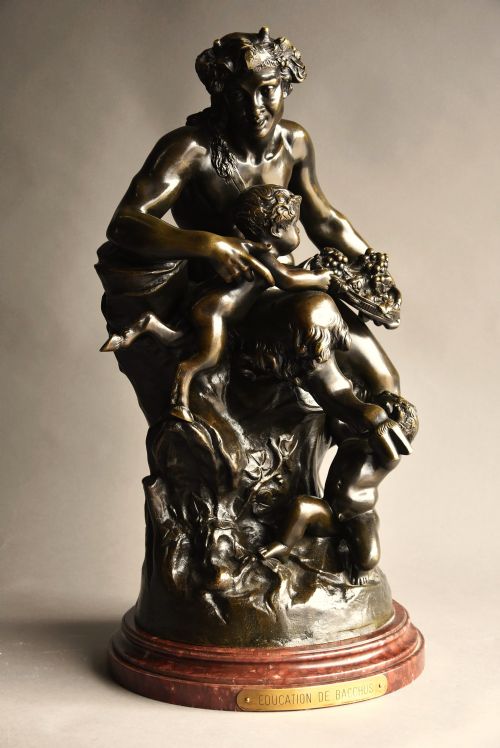
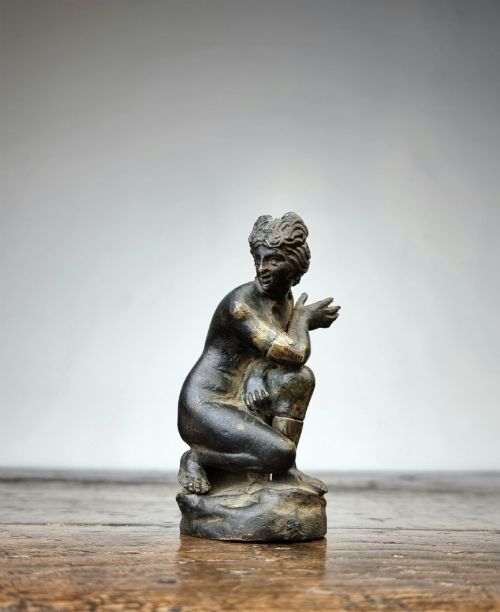
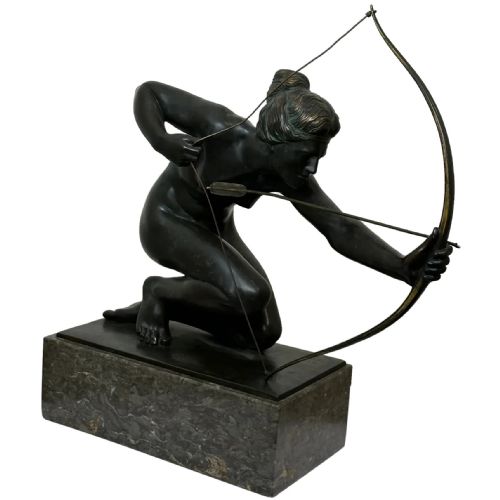
A mythology bronze ornament draws on classical tales, depicting figures such as Venus, Apollo, and Pan cast in metal. Buyers searching for this phrase encounter sculptures and statuettes representing mythological subjects from antiquity through the nineteenth century.
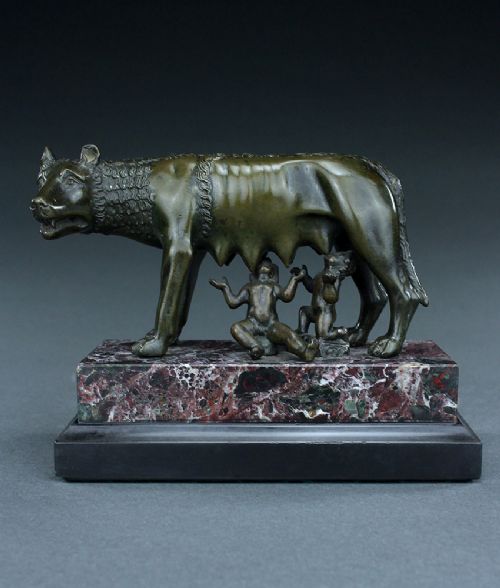
The selections on this page lean heavily toward nineteenth-century works, including Grand Tour souvenirs and revival pieces. Forms range from large sculptural groups of satyrs and fauns to smaller figures of crouching deities and legendary heroes.
Origin points skew toward French foundries and Italian workshops, reflecting the demand for classical subjects during the nineteenth century. Pieces often incorporate marble bases or ormolu mounts to complement the patinated bronze figures.
How they were made
Foundries utilised bronze casting techniques to capture complex anatomical details in figures like Oedipus and Ajax. Metalworkers applied chemical patination to achieve dark brown or green surfaces, occasionally adding gilt bronze or ormolu highlights.
Sculptures frequently incorporate carved marble elements, serving as heavy plinths or bases for the bronze statuettes. Artisans signed certain pieces directly into the metal or incorporated foundry marks near the base of the sculpture.
Pan plays his pipes to an unsuspecting fawn while ancient gods watch quietly from seventeenth-century pedestals.
What varies in quality
Casting definition separates finer sculptures from simpler productions, particularly in the rendering of musculature, drapery, and facial expressions. Crisp chasing work after the cast has cooled reveals the hand of a skilled artisan rather than a hurried commercial output.
The depth and consistency of the patination dictate the visual richness of the surface. Furthermore, the quality of associated materials, such as the veining in an integrated marble base or the precision of ormolu mounts, signals the original tier of production.
Claude Michel Clodian·Messina Roma·R Henn
The Mythology Bronze Ornament Glossary
- Patinated bronze
- Bronze treated with chemical solutions to produce a specific surface colour, ranging from deep brown to verdigris green. This treatment protects the metal and defines the shadows of the sculpture.
- Grand Tour
- A nineteenth-century tradition where travellers collected classical bronzes in Italy as cultural souvenirs. These smaller statuettes reproduced famous ancient sculptures found in Roman collections.
- Ormolu
- Gilt bronze created by applying a mercury and gold amalgam to a bronze base. The technique produces a bright gold surface finish common on decorative mounts and busts.
- Neoclassical
- A style drawing inspiration from the classical art and culture of ancient Greece and Rome. It prioritises proportion, restraint, and mythological themes.
- Casting
- The process of pouring molten metal into a mould to form a specific sculptural shape. Lost-wax casting remains the primary method for intricate figural bronzes.
Mythology Bronze Ornament: Frequently Asked Questions
What is a Grand Tour bronze ornament?
A Grand Tour bronze ornament is a nineteenth-century souvenir cast in Italy to replicate famous classical statues seen by travellers abroad. These pieces served as portable representations of ancient art for European and British collectors.
Such statuettes often depict well-known mythological figures and architectural models. They represent a specific period of travel and classical education among the wealthy.
Where should I display a heavy bronze sculpture?
Heavy bronze sculptures require sturdy furniture capable of supporting considerable weight, particularly when combined with marble bases. A console table or a dedicated pedestal provides adequate support and viewing height.
Placement should avoid direct exposure to moisture and extreme temperature fluctuations to protect the metal patina. Positioning the piece away from heavy traffic prevents accidental knocks to protruding elements like bows or pipes.
How do I care for patinated bronze surfaces?
Care involves gentle dusting with a soft, dry cloth to prevent the accumulation of particles in recessed details. Avoid using commercial metal polishes, as abrasive cleaners will strip the original chemical patina.
Occasional application of microcrystalline wax can protect the surface from atmospheric humidity. This treatment preserves the finish without altering the appearance of the bronze.