
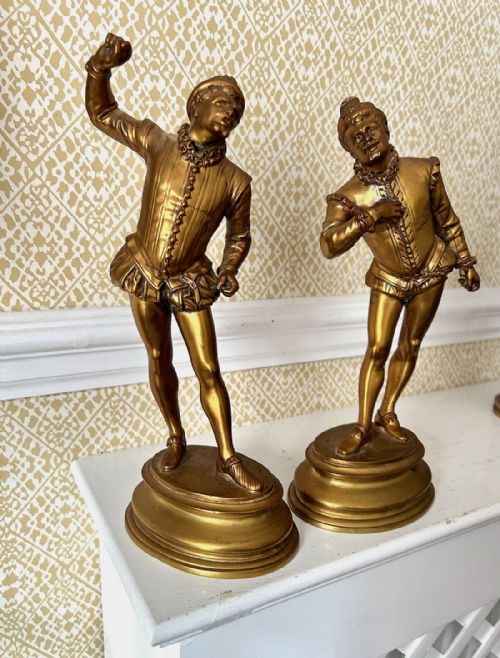


Renaissance Bronze Statuette
A renaissance bronze statuette brings the weight and presence of classical sculpture into a room through rich metalwork.
Renaissance Bronze Statuette
A renaissance bronze statuette encompasses small figurative sculptures cast in metal, capturing mythological subjects, historical figures, and classical forms. Buyers seeking a renaissance bronze statuette will find examples ranging from seventeenth-century originals to nineteenth-century Grand Tour souvenirs and revival pieces.
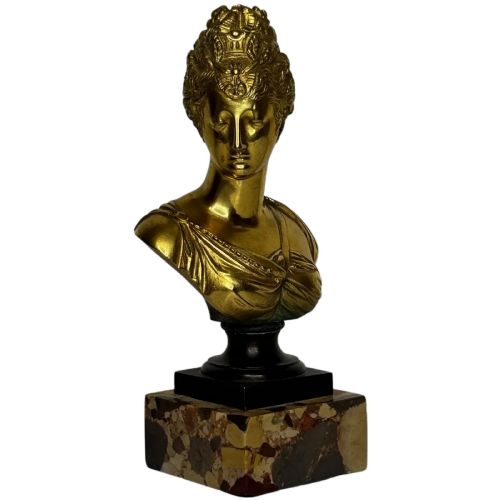
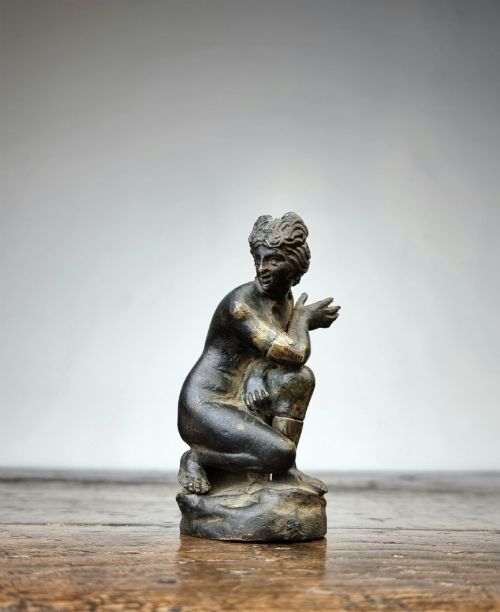
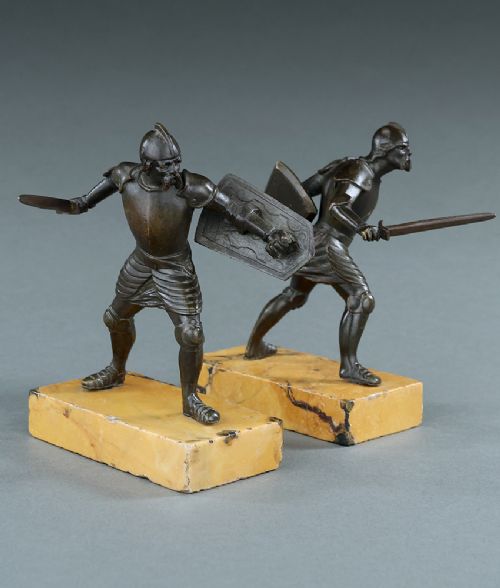
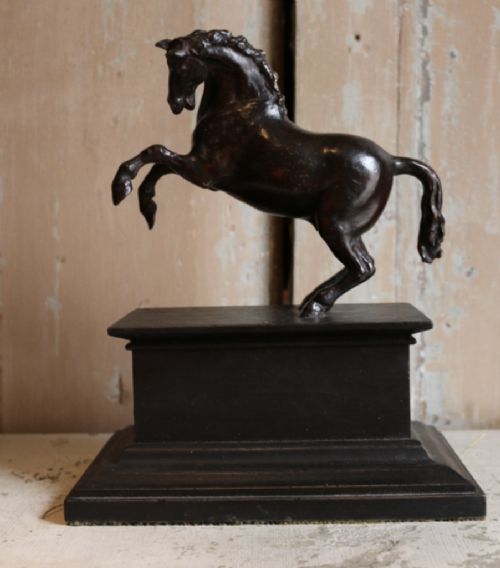
The selection here includes subjects such as Diana de Poitiers, crouching figures of Venus, rearing horses, duelling knights, and classical deities like Mars. These works frequently draw upon the compositions of renowned sculptors including Giambologna and Aspetti.
Most pieces on this page originate from the seventeenth and nineteenth centuries, spanning distinct periods from the Baroque and Mannerist traditions to French Renaissance Revival and nineteenth-century Grand Tour productions.
How they were made
These sculptures utilise cast bronze, often mounted upon pedestals or bases formed from Sienna marble, stone, wood, or alabaster. The metalwork relies on traditional casting methods to capture intricate muscular detail, drapery, and facial expressions.
Certain pieces incorporate gilt-bronze finishes or patination ranging from deep dark tones to warmer metallic sheens. The combination of cast metal with contrasting marble bases establishes both stability and visual depth.
Several miniature duelling knights and rearing horses prove that epic battles require surprisingly little shelf space.
What varies in quality
The quality of the base materials also differentiates the range, particularly the density and grain of the Sienna marble or stone plinths paired with the bronze figures. Balance in the composition and the depth of the patination contribute significantly to the overall presence of the object.
Emile-Coriolan Guillemin·Giambologna·Aspetti
The Renaissance Bronze Statuette Glossary
- Bronze
- An alloy primarily composed of copper and tin, valued for its strength and ability to hold fine detail when cast. It forms the primary medium for these statuettes.
- Grand Tour
- A traditional trip through Europe undertaken by upper-class scholars and travellers during the eighteenth and nineteenth centuries. Souvenirs collected on these journeys frequently included small bronzes of classical sculptures.
- Mannerist
- An artistic style following the High Renaissance characterised by elongated proportions, artificiality, and dynamic, twisting poses. This aesthetic heavily influences many sixteenth and seventeenth-century bronze figures.
- Patina
- A thin layer that naturally or artificially forms on the surface of bronze through oxidation and chemical treatment. It alters the colour and protects the metal beneath.
- Gilt-bronze
- Bronze that has been coated with a thin layer of gold or gold leaf to produce a bright, luminous metallic finish. It appears frequently in nineteenth-century decorative pieces.
Renaissance Bronze Statuette: Frequently Asked Questions
What is a renaissance bronze statuette?
A renaissance bronze statuette is a small figurative sculpture cast in metal, depicting classical figures, mythological scenes, or portraits. These objects recreate the aesthetic of the Renaissance or date directly from that era.
Many examples found today are later nineteenth-century revival pieces or Grand Tour souvenirs created to emulate earlier masterpieces.
How were these statuettes used historically?
Historically, these figures served as desk ornaments, cabinet pieces, and scholarly table displays for collectors. They allowed owners to study classical form and mythological narratives on an intimate scale.
In later centuries, travellers displayed them in studies and libraries as evidence of their cultural education abroad.
Where should I place a bronze statuette?
These pieces suit stable surfaces such as wooden sideboards, mantels, bookcases, or dedicated display cabinets where their details can be appreciated up close. Placing them away from excessive moisture protects both the metal patination and any stone or marble bases.
Good lighting from the side helps reveal the subtle contours and textures of the cast bronze.
How do I tell an original from a revival piece?
Distinguishing between seventeenth-century originals and nineteenth-century revival pieces requires examining the casting technique, the wear on the metal, and the composition of the base materials. Seventeenth-century pieces often show specific hand-finishing marks and patination unique to early foundry practices.
Revival and Grand Tour pieces from the nineteenth century frequently utilise standard mounting styles and specific nineteenth-century marble selections.