

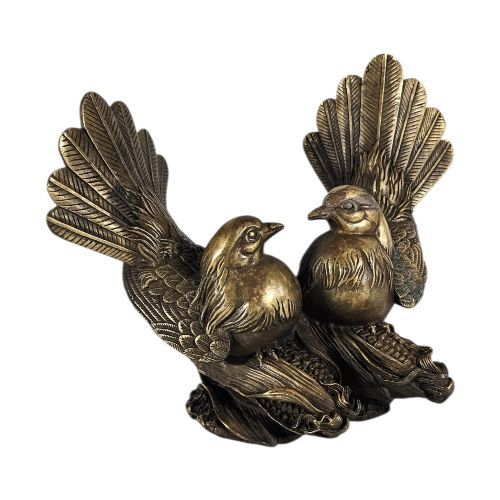
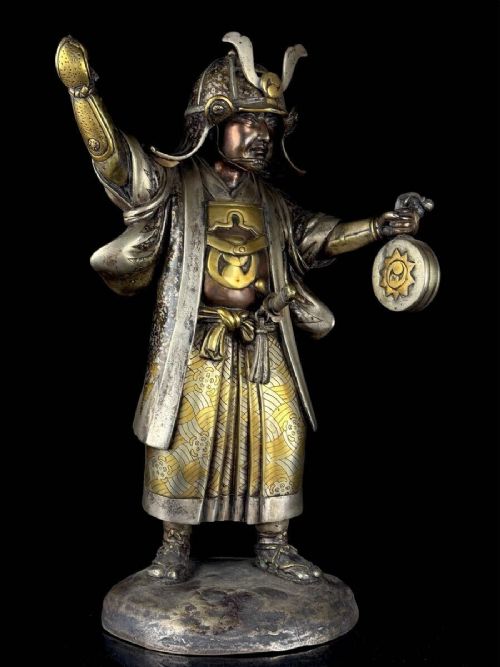
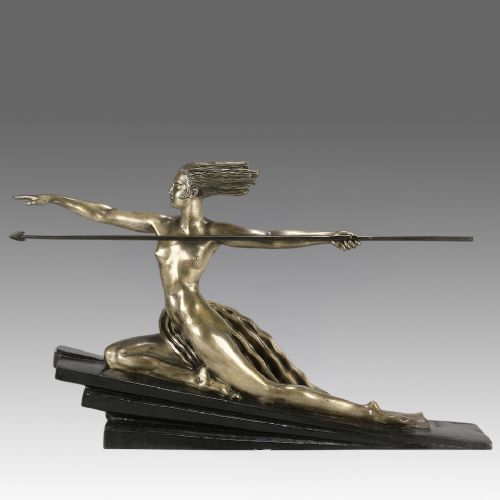
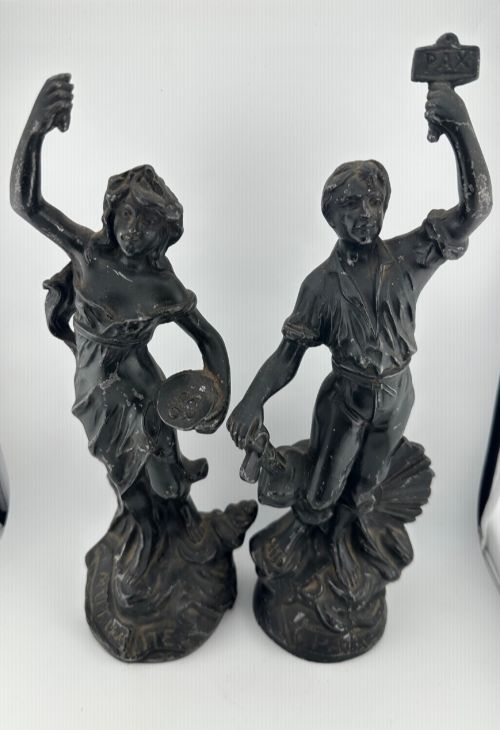

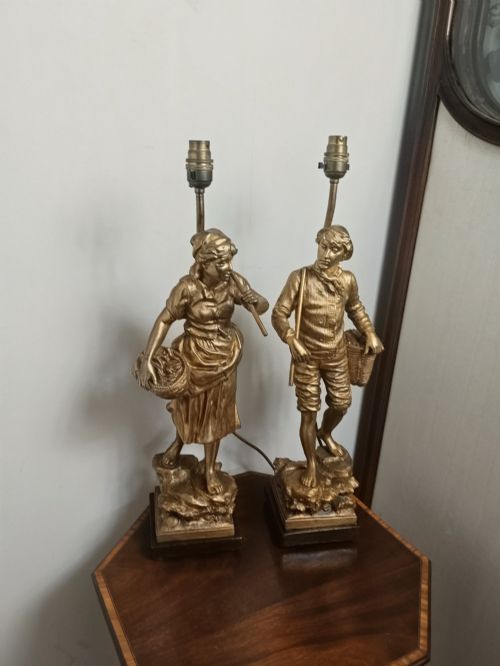
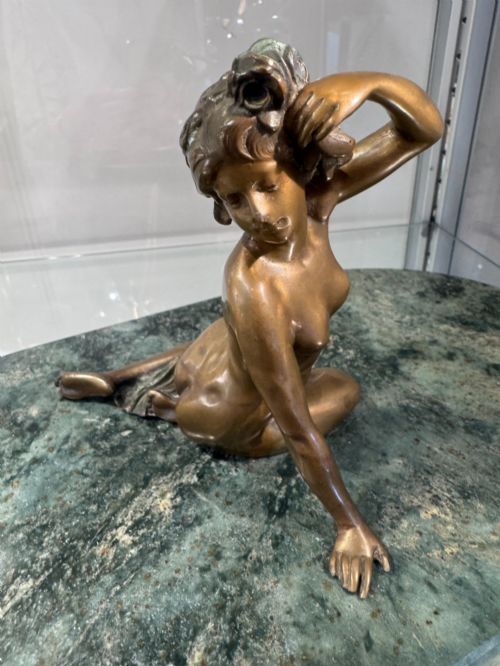
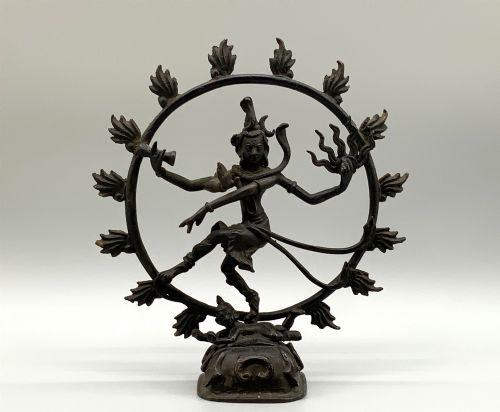
Bronze Metal Figure
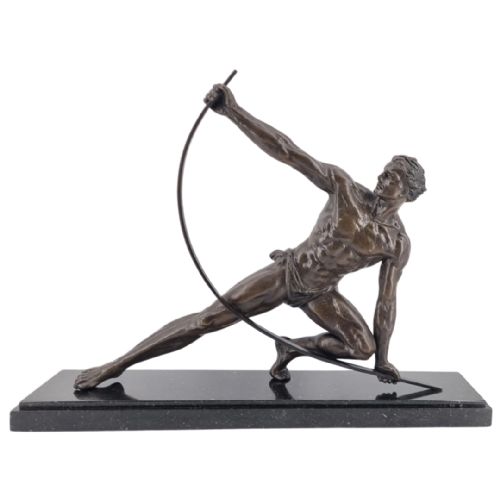
When you search for a bronze metal figure, you are looking at cast metal sculpture that brings three-dimensional form and classical presence into a room.
Bronze Metal Figure
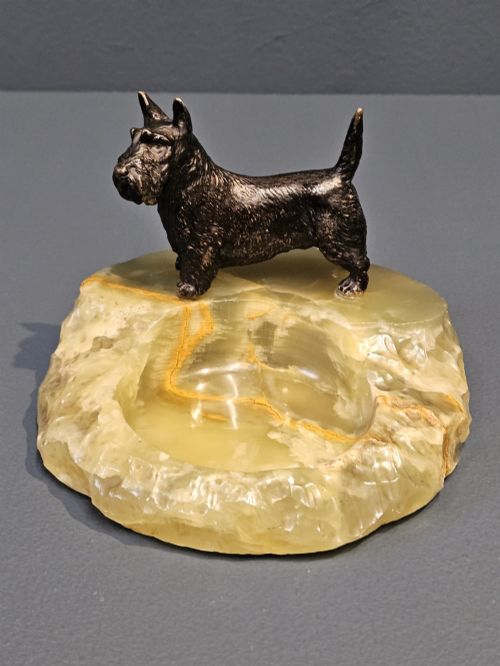
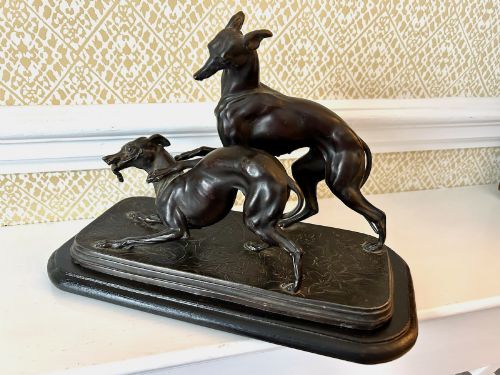
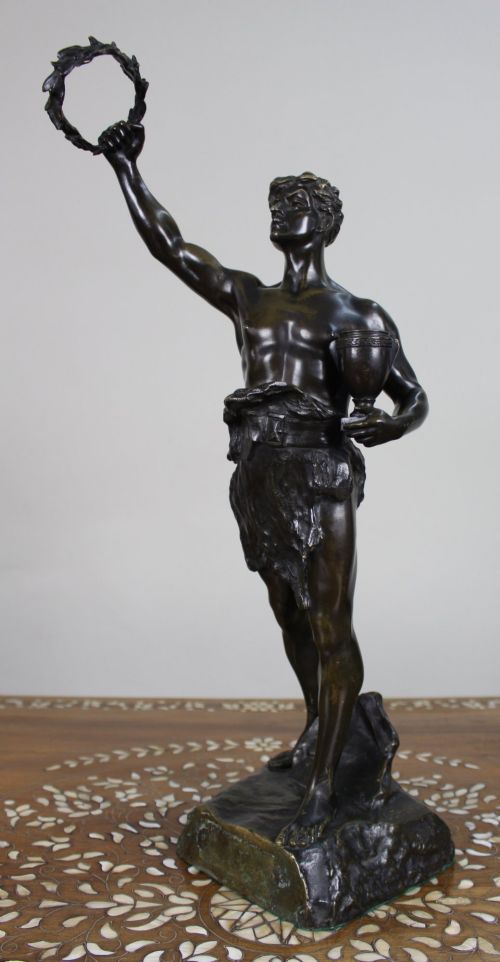
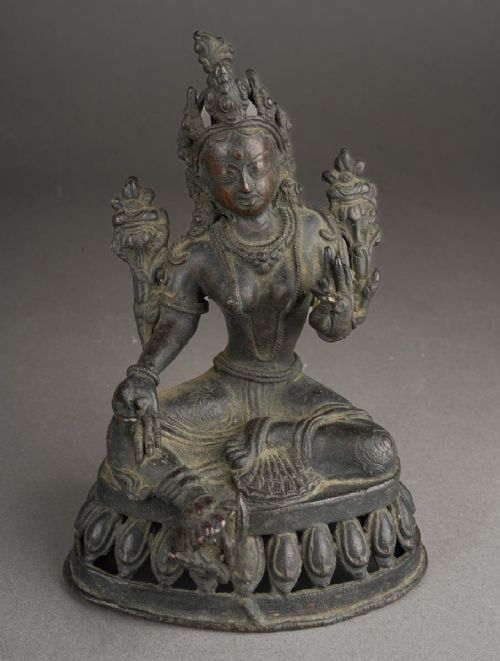
A bronze metal figure spans diverse cultural origins and historical eras, ranging from nineteenth-century European foundry work to Asian devotional pieces and trade objects. When you browse this selection, you encounter subjects as varied as mythological deities, animals, human dancers, and allegorical busts.
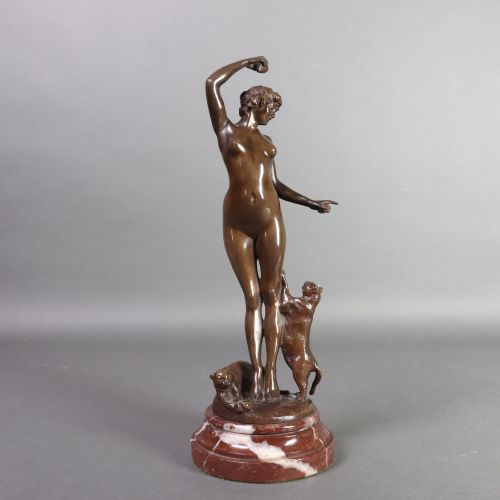
The most common formats on this page include desk accessories, tabletop animalier studies, classical human figures mounted on marble bases, and figural table lamps. These pieces reflect the tastes of the nineteenth and early twentieth centuries, encompassing styles from Art Nouveau and Art Deco to Neoclassical revivals.
Materials and casting methods
Many objects utilise traditional lost-wax casting in genuine bronze, while others employ spelter, a zinc-based alloy often given a bronze-coloured finish to mimic more costly metalwork. Gilt bronze and mixed-metal elements appear alongside cold-painted surfaces where pigments are applied directly to the metal.
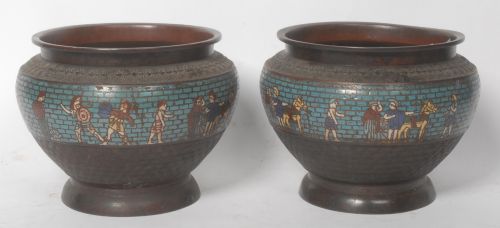
Foundries frequently mounted heavy metal figures upon bases of marble, onyx, or wood to provide stability and visual contrast. Inlays of turquoise, champleve enamel, and glass also occur in pieces originating from specific Asian and European traditions.
Bronze Metal Figure Retail Price Guide 2026
Typical asking prices for bronze metal figure among the pieces listed under this phrase on Sellingantiques today, from the lower quarter to the upper quarter. They describe what is for sale here now, not the wider market.
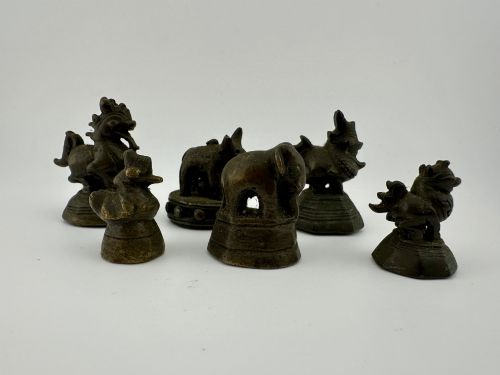
A scholarly monkey okimono holds court alongside nineteenth-century opium weights and dancing frogs.
Judging the work
Quality rests in the crispness of the chasing and the fidelity of the cast, where sharper anatomical detail and clean finishing set finer pieces apart from softer, mass-produced commercial outputs. The weight of the metal and the integration of the figure with its base reveal the care taken by the maker.
The integrity of surface treatments, such as patination or cold-painted polychromy, dictates the visual success of the piece. Well-preserved surfaces retain their intended tones and depth without excessive wear or crude over-painting.
Gustave Dussart·Jean de Roncourt·E Rousseau·F.Milliot·Pierre-Augustin Caron de Beaumarchais·Claude Michel Clodian·E Villanis·Josef Lorenzl·Frederic Remington·Shosai·L & F Moreau·Christophe Fratin·Emile Carlier
The Bronze Metal Figure Glossary
- Animalier
- A nineteenth-century artistic movement focused on the realistic depiction of animals, particularly in bronze sculpture.
- Spelter
- A zinc alloy commonly used as a less expensive alternative to bronze for sculptural figures.
- Champleve
- An enamelling technique where troughs are sunk into the metal surface and filled with vitreous enamel before firing.
- Okimono
- A Japanese decorative statuette designed for display in a traditional interior setting.
- Patina
- The surface coloration and sheen developed naturally over time or applied chemically to bronze and other metals.
Bronze Metal Figure: Frequently Asked Questions
How can I tell bronze from spelter?
Bronze is a heavy, dense copper alloy that feels cold to the touch and rings with a clear tone when tapped gently. Spelter is lighter, softer, and often shows a greyish-white metal beneath the surface where paint or patination has chipped.
Magnification often reveals tiny casting bubbles in spelter, whereas quality bronze displays sharper file marks and cleaner chased details from the foundry.
Where should I place these figures at home?
Position heavier metal sculptures on sturdy desks, mantelpieces, or dedicated display tables where their weight is fully supported. Keep them away from direct sunlight and damp environments to protect patinated finishes and marble bases.
Pairing smaller bronzes with books or ceramics creates a balanced tabletop arrangement that highlights their sculptural forms.
What is cold-painted bronze?
Cold-painted bronze refers to pieces where non-fired oil or enamel paints are applied to the metal surface after casting. This technique was widely utilised by Viennese workshops during the late nineteenth and early twentieth centuries.
Because the paint is not baked on, surviving examples often show degrees of rubbing and loss, which collectors assess as part of the piece's history.