


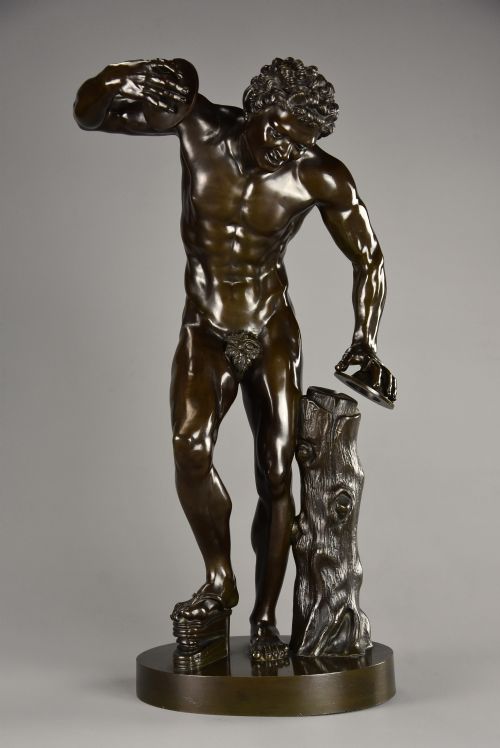
Bronze Male Figure
A bronze male figure captures the human form through classical myth, athletic energy, and historical portraiture.
Bronze Male Figure
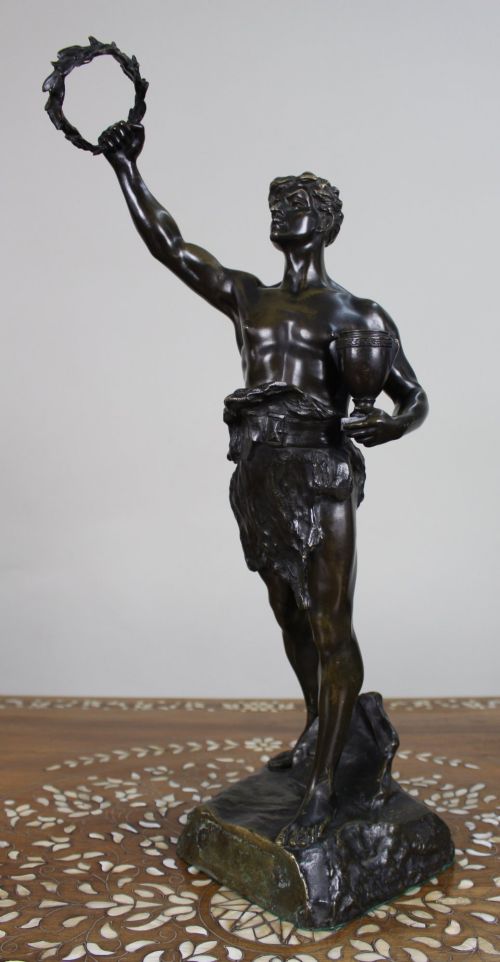
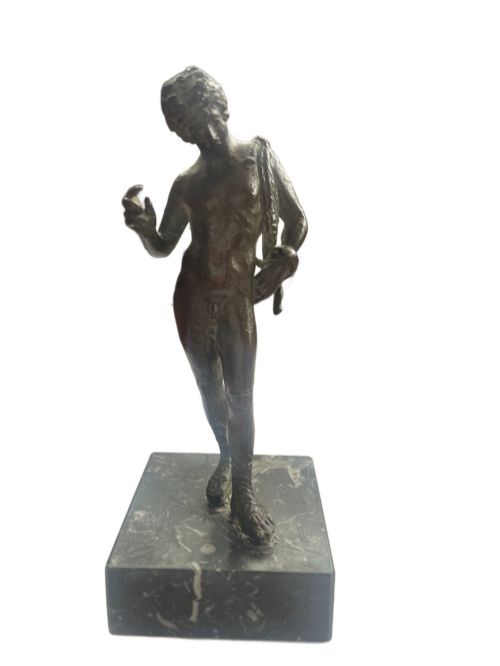
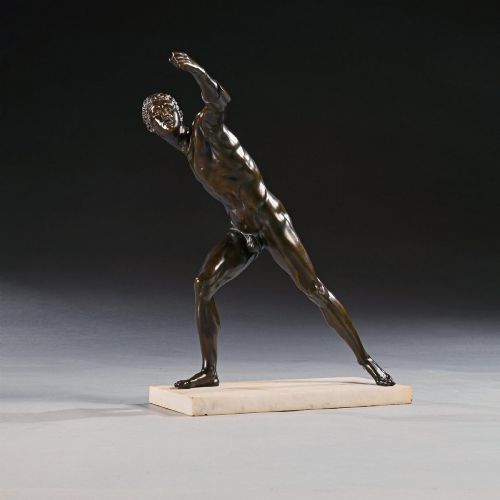
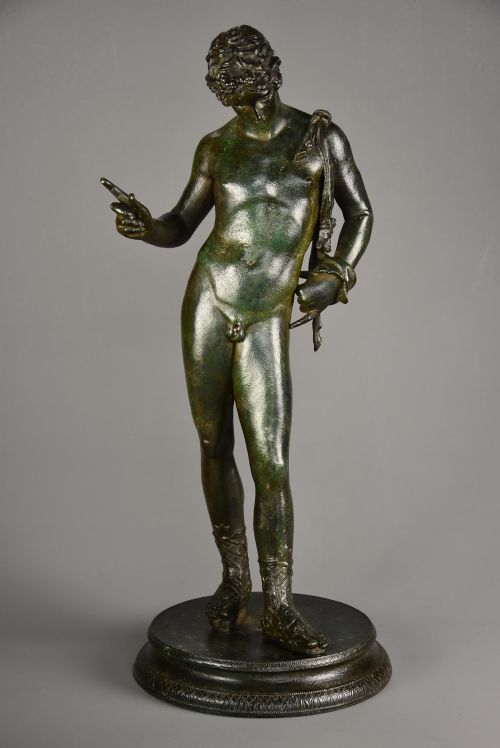
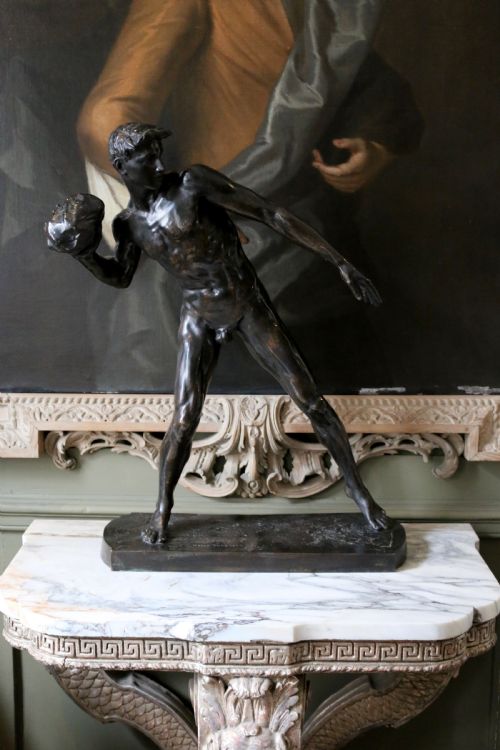
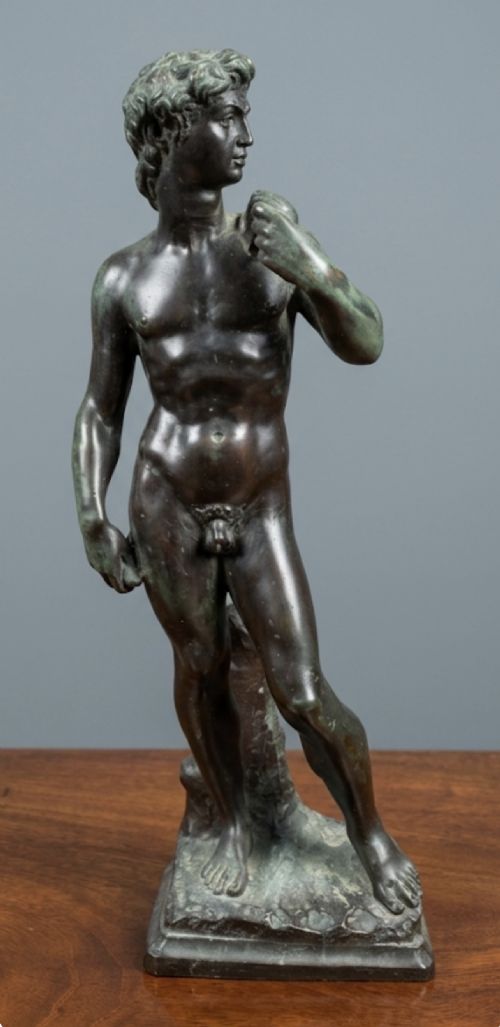
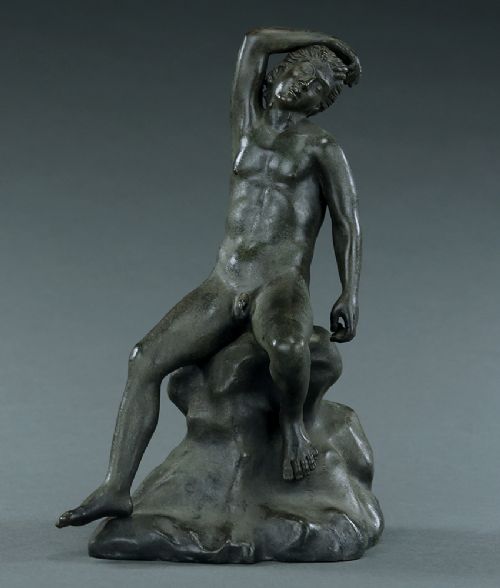
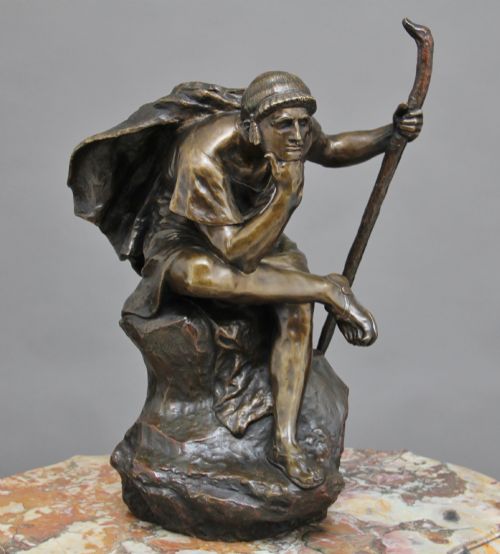
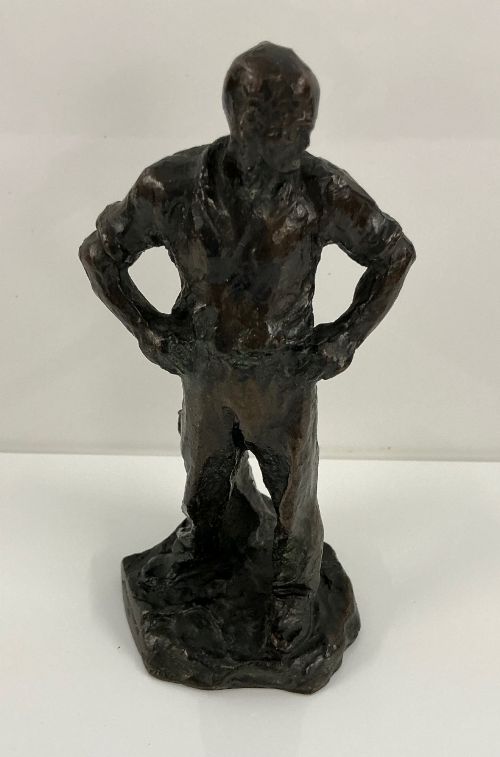
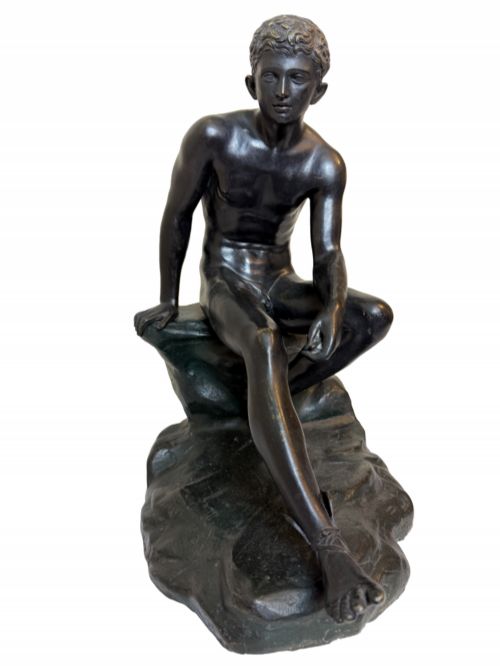
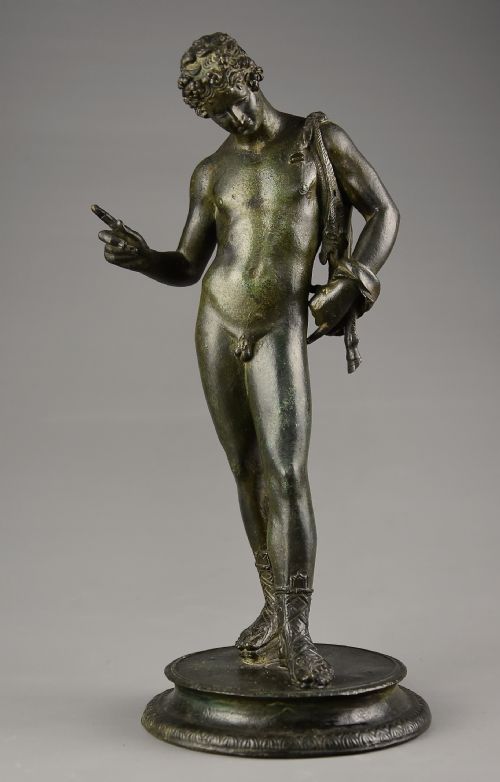
A bronze male figure represents subjects ranging from classical antiquities and mythological deities to athletes and historical laborers. When exploring this selection, buyers frequently encounter Grand Tour reductions of ancient statues such as Narcissus, Mercury, and the Borghese Gladiator alongside 19th-century French realist studies and later Art Deco interpretations.
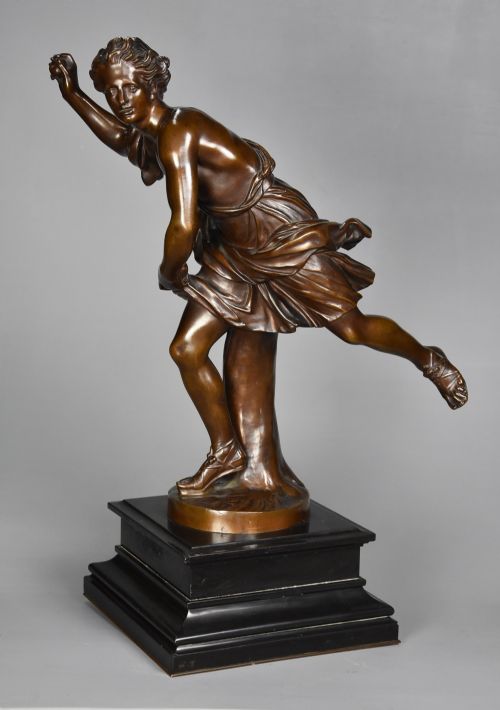
The objects span multiple decades from the Victorian era into the 1930s, often appearing mounted on marble bases or integrated into figural lamps. Subjects include heroic archers, resting peasants, and tennis players, reflecting shifts in taste from neoclassical revival to modernist movement.
Origins cluster predominantly around French foundries and Italian workshops catering to travellers on the Grand Tour. These pieces function independently as cabinet bronzes, monumental sculptures, or functional lighting components.
Materials and casting methods
Foundries primarily utilised the lost-wax method or sand casting to achieve intricate anatomical detail in molten metal. Artisans applied chemical patination to create dark brown, green, or verdigris surface tones, occasionally supplementing these with gilt finishes or mounting the sculptures on fossil marble and ebonised wood plinths.
Alternative compositions involve bronzed spelter, a zinc alloy utilised as an accessible metal substitute during the late 19th and early 20th centuries. Slip cast techniques appear in later production figures, pairing metal finishes with alternative base materials.
Bronze Male Figure Retail Price Guide 2026
Typical asking prices for bronze male figure among the pieces listed under this phrase on Sellingantiques today, from the lower quarter to the upper quarter. They describe what is for sale here now, not the wider market.
Listings feature mythological subjects like Narcissus and Bacchus alongside athletes, gladiators, and laborers cast in patinated bronze and marble.
Evaluating craftsmanship and execution
Mastery of anatomical proportion and crispness of chisel work distinguish superior castings from softer secondary productions. Foundries such as Barbedienne maintained high standards through meticulous post-cast chasing, where artisans refined muscle definition and surface texture by hand.
The depth and stability of the patination indicate the chemical treatment quality applied to the metal surface. Substantial weight, dense marble plinths, and legible foundry stamps or artist signatures generally signal superior workshop origin.
Barbedienne·Friedrich Goldscheider·Emile Louis Picault·Julien Lorieux·Jules Dalou
The Bronze Male Figure Glossary
- Grand Tour
- A cultural journey undertaken by European elites in the 18th and 19th centuries, resulting in the acquisition of small-scale bronzes copied from classical antiquities. These reductions served as portable education and decorative souvenirs.
- Patina
- A thin chemical layer that forms naturally on bronze over time or is applied artificially by an artisan using acids and heat. This coloration protects the metal surface and enhances visual depth.
- Spelter
- A zinc alloy frequently utilised in the 19th century as a less expensive alternative to bronze. It is softer and lighter than copper alloys, often given a bronzed finish to imitate genuine metal.
- Lost-wax casting
- A historic manufacturing technique where a model is encased in wax, melted out, and replaced with molten metal. This process permits the reproduction of highly complex sculptural forms.
- Chasing
- The manual finishing process applied to a raw metal casting using hammers and punches. Artisans use this technique to remove casting seams and sharpen surface details.
Bronze Male Figure: Frequently Asked Questions
What is a Grand Tour bronze?
A Grand Tour bronze is a small-scale replica of a classical sculpture produced in Italy or France during the 19th century. Travellers collected these pieces to commemorate their journeys through historical European cities.
These sculptures typically depict famous mythological figures or ancient statues housed in museums. They allowed collectors to display classical art within their private residences.
How do I distinguish bronze from spelter?
Bronze is a heavy alloy of copper and tin that feels cold to the touch and rings with a clear tone when tapped. Spelter is a zinc-based metal that is noticeably lighter and softer.
Inspect the underside of the piece or areas of wear where the surface finish has rubbed away. Spelter often reveals a greyish-white metal underneath the brown or bronze-coloured top layer.
Why do some figures have green patination?
Green patination mimics the natural oxidation that occurs on ancient buried bronzes over centuries. Foundries applied chemical treatments to new sculptures to give them an antique appearance.
This aesthetic choice was particularly popular for Grand Tour bronzes depicting subjects excavated at Pompeii and Herculaneum. It provides a visual link to classical antiquity.
How were figural lamps constructed?
Figural lamps combined sculptural bronze figures with functional lighting elements during the late 19th and early 20th centuries. The metal figure often holds a torch or forms the main structural stem of the lamp.
Wiring was added during period production or later updates to adapt the sculptural object for domestic illumination. These pieces bridge decorative art and practical home utility.