


Bronze Hound Sculpture
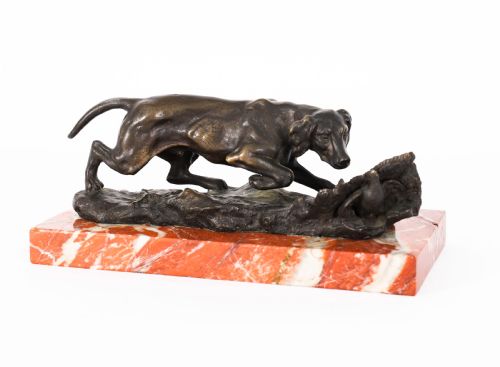
A bronze hound sculpture brings the muscular tension and quiet focus of the chase into the room.
Bronze Hound Sculpture
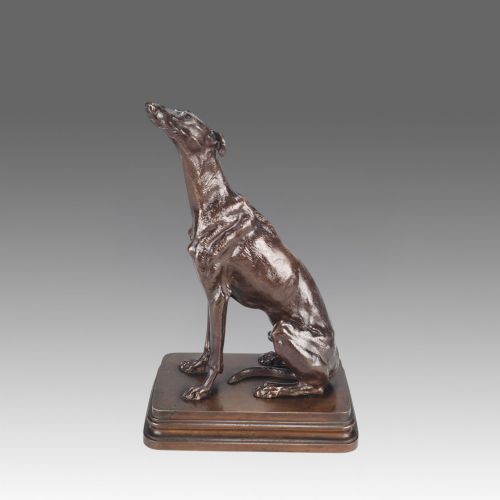
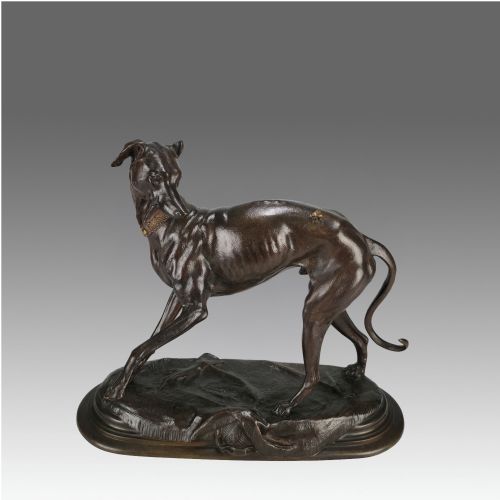
A bronze hound sculpture captures dogs in resting poses, hunting groups, or active pursuits across the nineteenth century and the art deco period. You will frequently encounter nineteenth century animalier figures alongside later interpretations featuring greyhounds, setters, and basset hounds.
Many of these works originate from French and English foundries, often mounted on heavy marble or onyx bases. The subjects range from solitary hounds with balls or birds to complex hunting scenes involving multiple dogs and prey.
The forms extend beyond standard tabletop sculptures to include fireside statues, night lights, and table lamps. These pieces reflect the nineteenth century fascination with naturalism and the sleek lines characteristic of nineteen-thirties design.
How they were made
Foundries produced these sculptures primarily in bronze using traditional casting methods, often finishing the metal with rich patination to accentuate the musculature and coat. Some examples combine cast bronze with ormolu highlights or rest upon shaped marble and onyx plinths.
Spelter appears as an alternative metal in certain twentieth century works, offering a lighter medium for stylized figures. Wood and cast iron also support specific sculptural groups and functional objects like fireside statues.
Listings feature nineteen-thirties art deco designs alongside nineteenth century animalier bronzes, combining patinated metal with marble and onyx.
What varies in quality
The precision of the casting determines how clearly the fur, muscle structure, and facial expressions emerge from the metal. Sharp chiselling and careful surface finishing after the cast leave details crisp rather than soft.
The depth and tone of the patina alter the visual weight of the sculpture, ranging from deep brown warmth to metallic highlights. Additionally, the density and colour of the supporting marble or onyx base contribute to the overall presence of the piece.
Carl Kauba·Alfred Dubucand·Alfred Barye·Pierre Jules Mene·Auguste Nicholas Cain·Arthur Waagen·Geo Maxim·Antoine Louis Barye·Joseph Francois Victor Chemin·Christophe Fratin·John Willis Good·Nikolai Lieberich·Emile Bregeon
The Bronze Hound Sculpture Glossary
- Animalier
- A nineteenth century artistic movement focused on the realistic depiction of animals, particularly in sculpture. Practitioners of this style closely studied anatomy and movement.
- Patina
- The surface coloration and sheen developed on bronze through chemical treatment or age. It protects the metal and defines the visual texture of the sculpture.
- Ormolu
- Gilt bronze ornamentation applied as an accent to metalwork or bases. This technique adds bright golden contrast to darker patinated figures.
- Spelter
- A zinc-based alloy used as an economical alternative to bronze. It often receives a bronze-like finish to mimic heavier metal sculptures.
- Plinth
- The solid base, frequently made of marble or onyx, that supports the sculpture. It provides stability and frames the composition.
Bronze Hound Sculpture: Frequently Asked Questions
How do I identify animalier bronzes?
Animalier bronzes focus heavily on realistic animal anatomy, capturing creatures in motion or natural repose. Look closely at the muscle definition and texture of the coat to judge the realism.
Signatures or foundry marks often appear directly on the bronze surface near the feet or along the edge of the base. These inscriptions help connect the piece to specific nineteenth century sculptors and workshops.
Why are these figures mounted on marble?
Marble and onyx bases provide stability for heavy metal sculptures while offering a clean architectural contrast to the organic shapes of the hounds. They became standard practice in nineteenth century and art deco studios.
The stone plinth also elevates the artwork, keeping the bronze elevated above tabletops and framing the silhouette of the resting or running dog.
What is the difference between bronze and spelter?
Bronze is a durable copper alloy that takes a deep patina and holds sharp foundry details over generations. It feels heavy and cold to the touch.
Spelter is a softer zinc alloy utilised predominantly in later decorative figures. It is lighter than bronze and requires careful handling to avoid surface wear.
Where should I place a hound sculpture?
These sculptures suit tabletops, mantelpieces, and desks where their detailed casting can be viewed up close. Pieces integrated with lamps or night lights function well on side tables.
Keep the sculptures away from direct heat sources and moisture to protect both the metal patina and the underlying stone bases.