
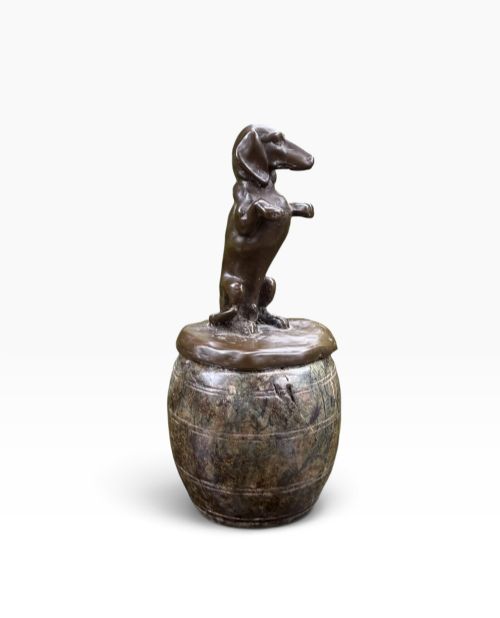
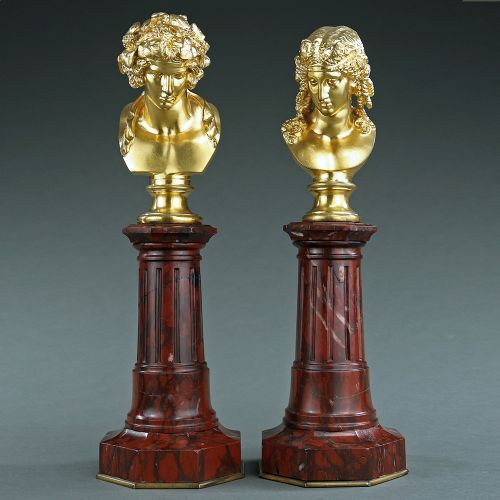

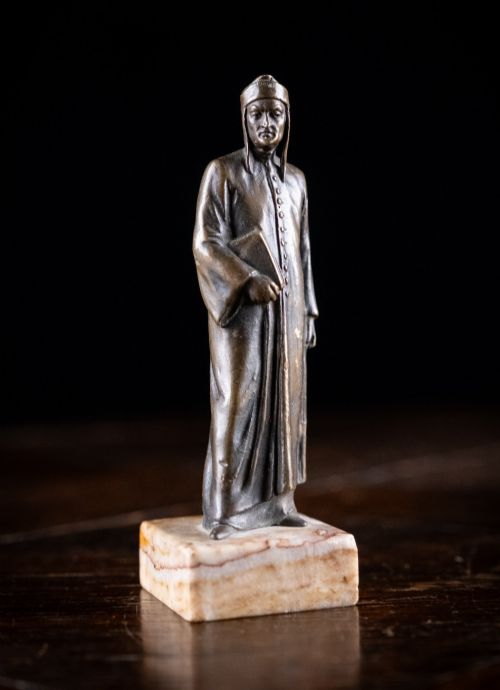
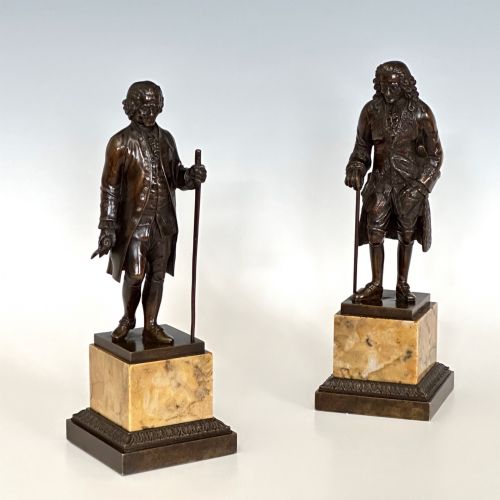

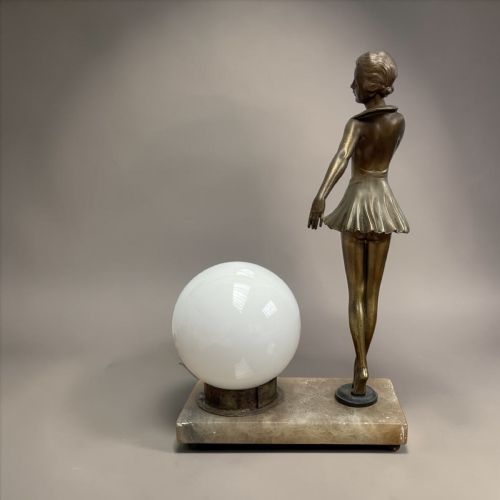

Bronze Figurine on Marble
A bronze figurine on marble combines cast metalwork with stone plinths, offering collectors classical mythology, animal studies and modernist figures.
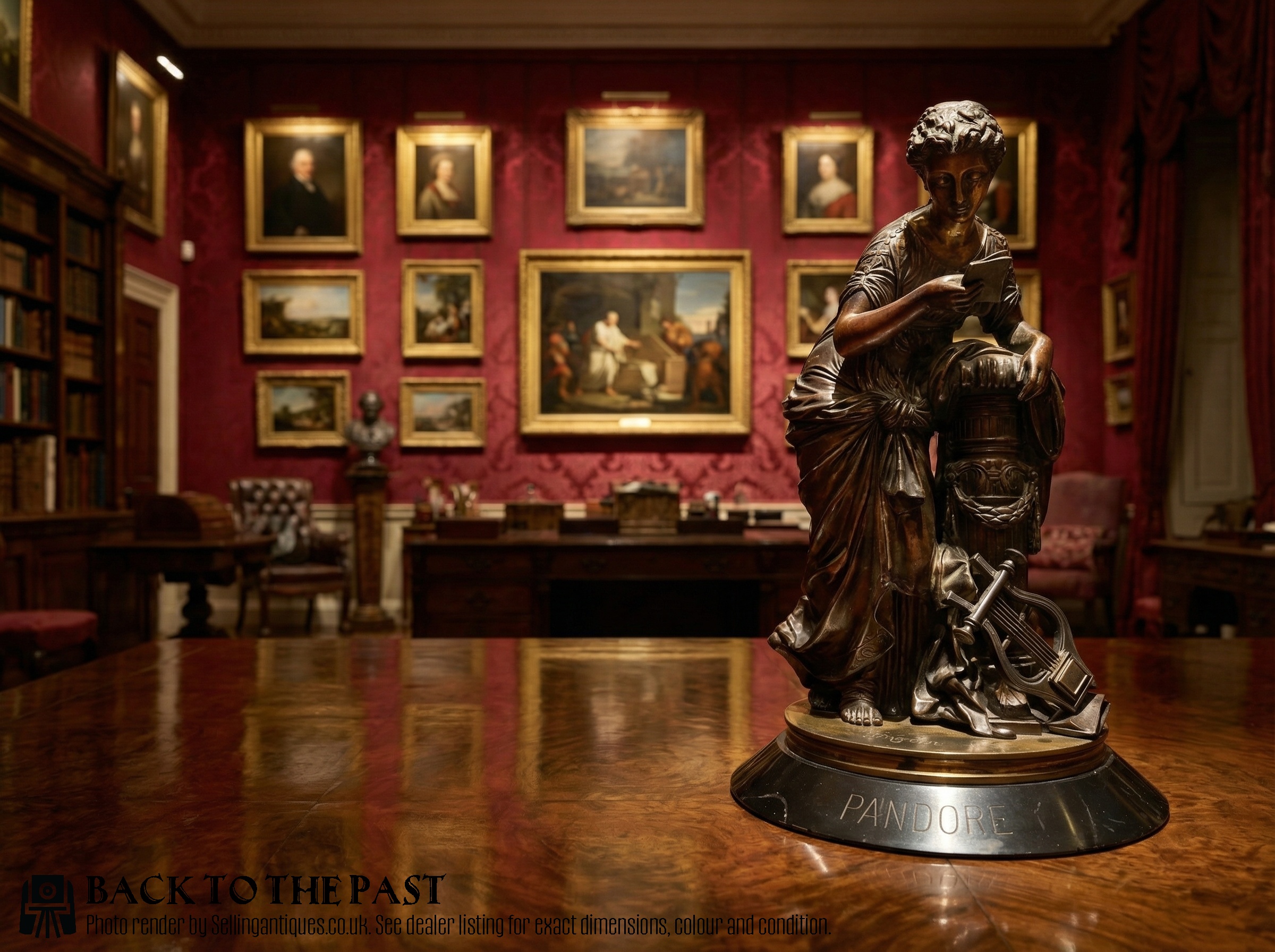
Bronze Figurine on Marble
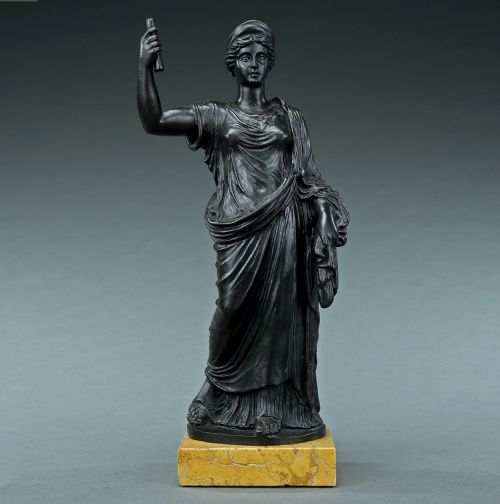
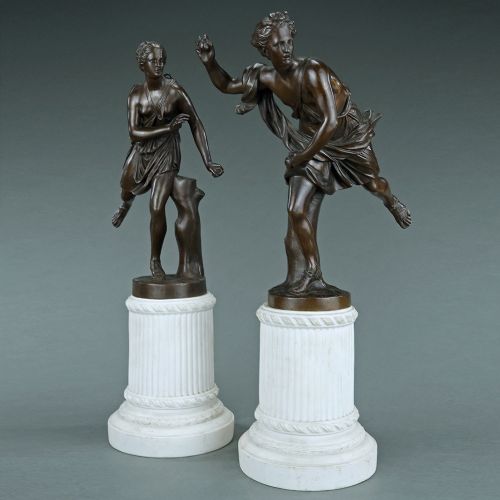
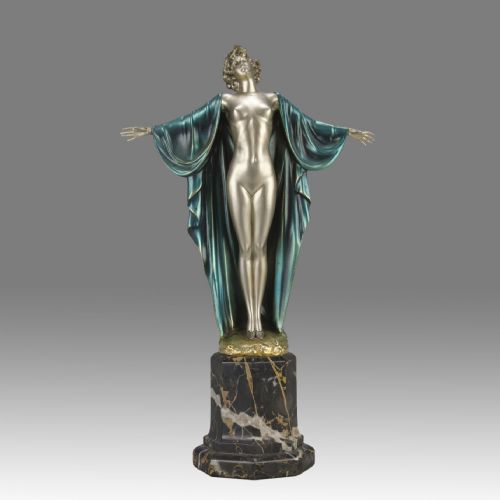
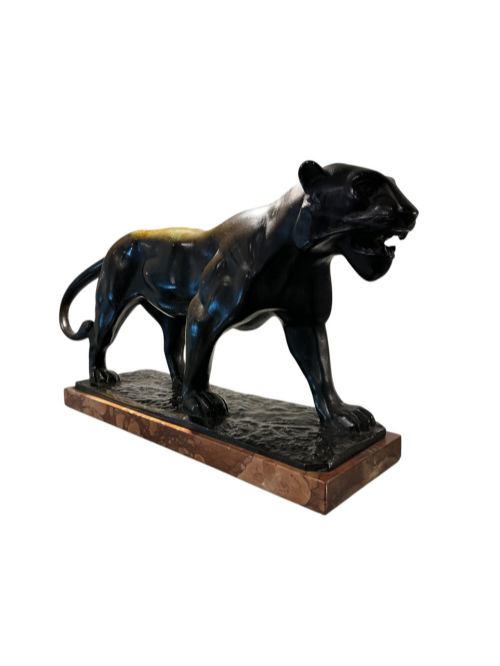
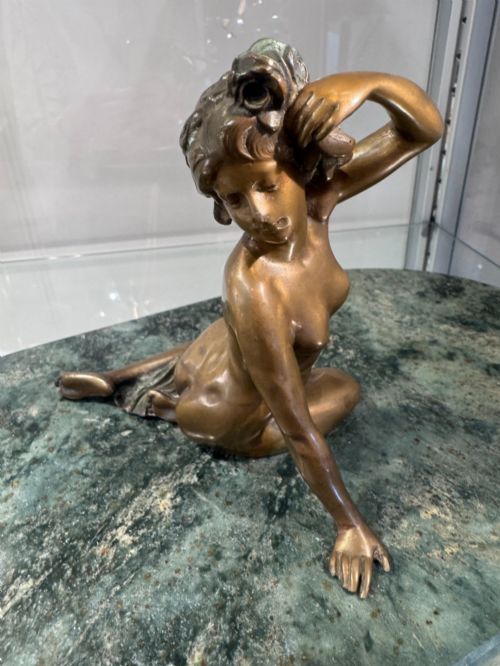
When you search for a bronze figurine on marble, you encounter small sculptural works mounted upon stone plinths, ranging from classical mythological figures to modernist depictions of dancers and animals. These pieces serve as decorative cabinet or mantel ornaments, bringing tactile metal and polished stone together in a single domestic object.
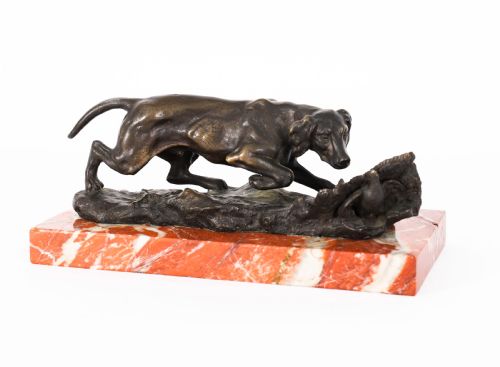
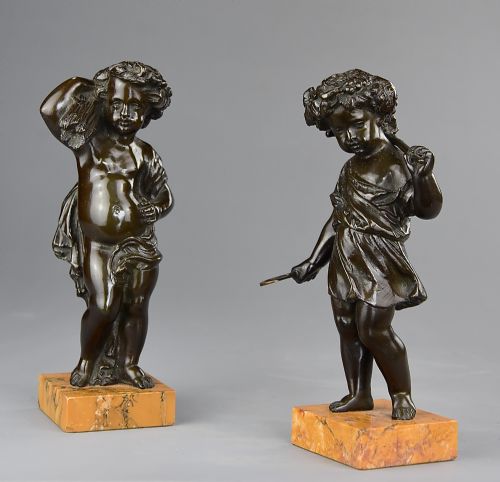
The versions you are most likely to meet on this page date from the nineteenth and early twentieth centuries, encompassing styles such as Grand Tour classical reductions, Animalier wildlife studies and striking Art Deco designs. Many pieces utilise a contrasting base of black, Siena or multi-coloured marble to elevate the metal casting visually and physically.
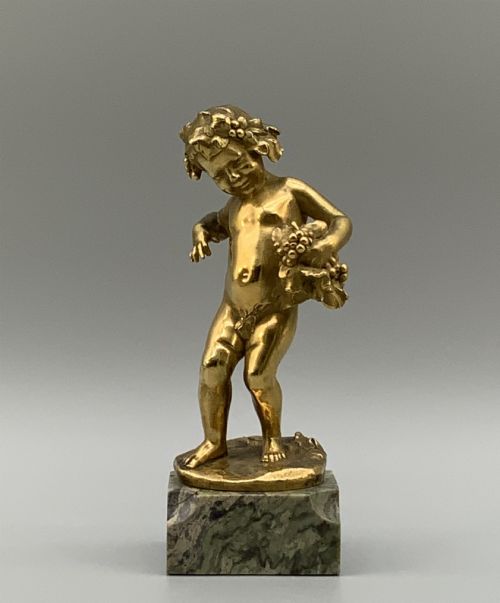
Makers and foundries frequently produced these sculptures in editions, translating historical subjects or contemporary modernist movements into permanent metal alloy. Whether depicting a hunting dog, a classical deity or an allegorical putto, each object relies on the juxtaposition of heavy stone and patinated bronze to establish its presence.
Materials and technique
The metal components were typically formed through the lost-wax method or sand casting, utilising bronze, gilt bronze, or ormolu to achieve intricate detail in hair, drapery and musculature. Some twentieth-century works incorporate cold painting directly onto the metal surface, applying pigments by hand after casting without subsequent firing.
Foundries often employed patinated metal or spelter as an alternative to solid bronze in more commercial editions, whilst retaining the weight and appearance of higher-grade alloys. These metal figures were then secured to turned or slab-cut marble bases using threaded bolts or pins inserted through the stone.
Listings feature materials such as bronze, gilt bronze, ormolu, patinated metal, spelter and marble.
Evaluating the standard of execution
The choice and preparation of the stone plinth also mark differences in grade, as select pieces utilise imported decorative marbles with harmonious veining rather than plain or uniform slate substitutes. Furthermore, the precision with which the metal figure fits and fastens to the stone base indicates the care taken during assembly.
Carl Kauba·Susse Freres·Barbedienne·Bruno Zach·Pierre le Faguays·Ferdinand Preiss·Claude Michel Clodion·Alexandre Ouline·Demetre Chiparus·Henri Godet·Georges Van Der Straeten
The Bronze Figurine on Marble Glossary
- Patina
- The surface coloration and sheen acquired by bronze over time or applied chemically by the foundry during production. This chemical or natural layer protects the metal and defines the visual depth of the sculpture.
- Ormolu
- A technique of applying finely ground, high-carat gold-mercury amalgam to a bronze object. The mercury is driven off by heat, leaving a durable golden coating.
- Cold painted
- A decorative method where metallic figures are painted with oil or enamel colours after casting and finishing. This technique is particularly prevalent in Austrian cabinet bronzes from the early twentieth century.
- Spelter
- A zinc-based alloy commonly used as a cost-effective substitute for bronze in nineteenth and twentieth-century figures. It is softer than bronze and typically carries a heavier applied patina or paint layer.
- Animalier
- A nineteenth-century artistic genre dedicated to the realistic portrayal of animals, often shown in motion or combat. French sculptors popularised this style across domestic bronze editions.
Bronze Figurine on Marble: Frequently Asked Questions
What periods do these pieces come from?
The listings span from the mid-nineteenth century through the Art Deco era of the 1920s and 1930s, capturing shifts from classical revivalism to modernism.
Earlier nineteenth-century examples often draw upon Grand Tour themes and classical mythology, whilst later twentieth-century pieces favour sleek animal studies and stylized human figures.
How should I clean the marble base?
Marble requires gentle treatment using a soft, dry cloth to remove dust without scratching the polished surface of the stone. Avoid harsh chemical cleaners or excess moisture, which can seep into unsealed stone or damage adjacent metal patination.
How can I tell bronze from spelter?
Bronze is a heavy copper alloy that produces a resonant sound when tapped lightly and resists bending under pressure. Spelter is softer, more brittle, and often reveals a silvery grey metal beneath any chips in the surface paint or patina.
Where were these sculptures displayed originally?
In period interiors, these figures occupied prominent positions on mantelpieces, writing desks, and glass-fronted display cabinets. Their compact scale allowed them to be viewed closely from all angles within domestic reception rooms.