






Bronze Figurine Art
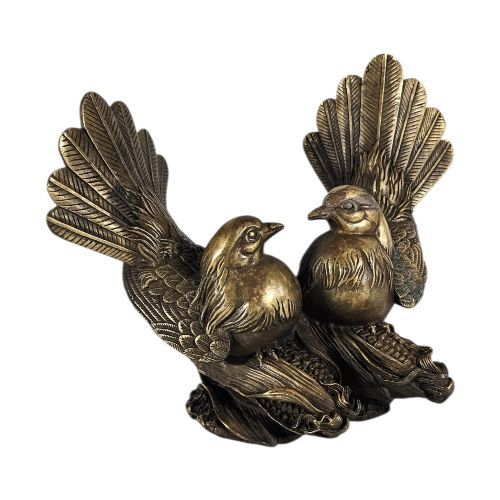
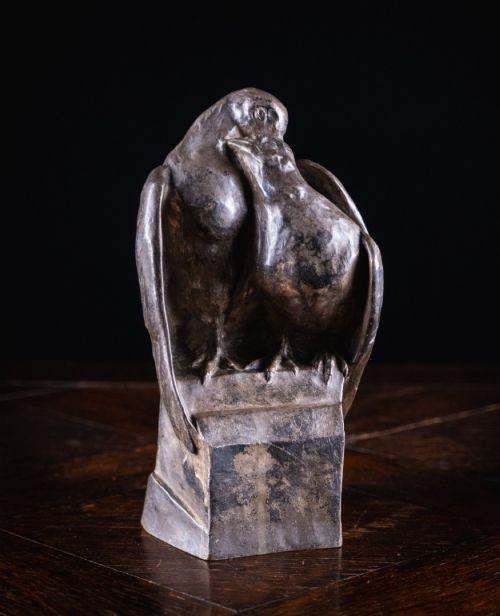
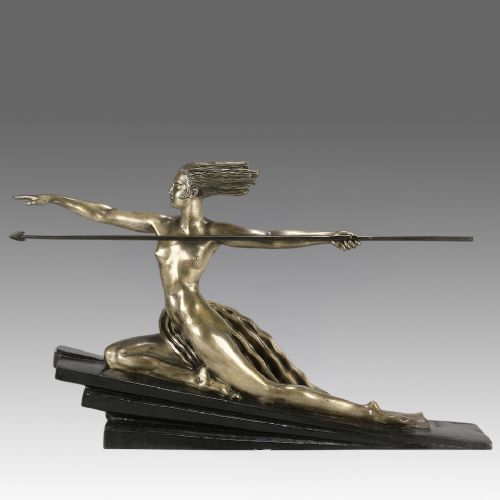
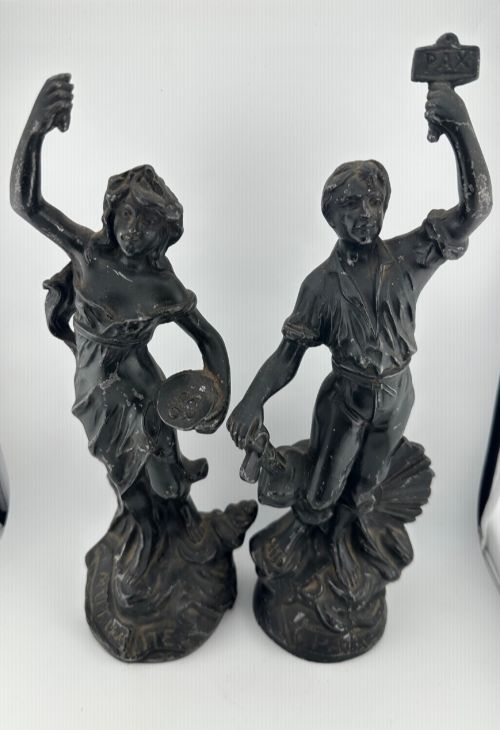
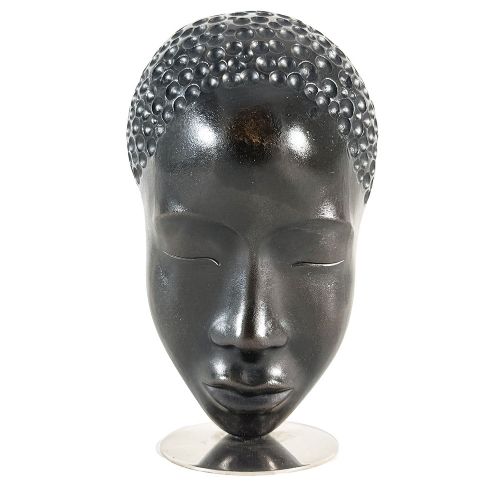
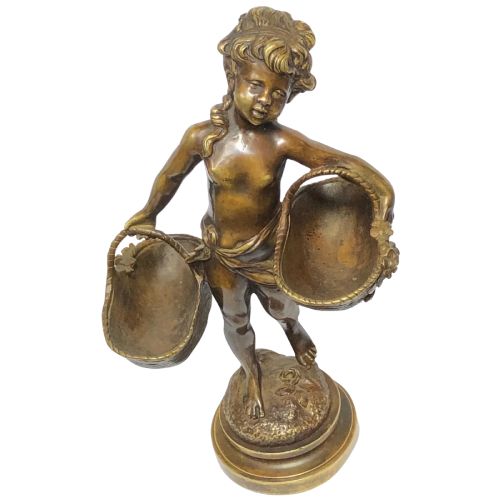
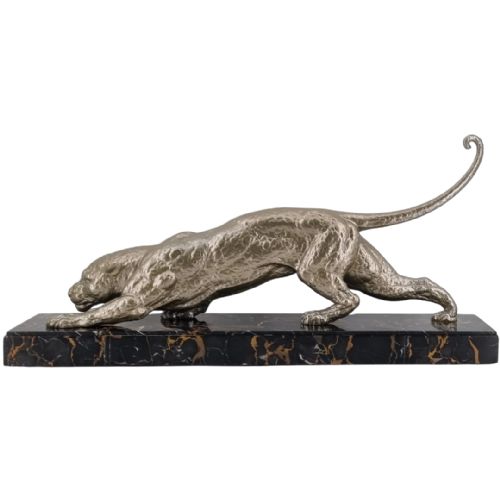
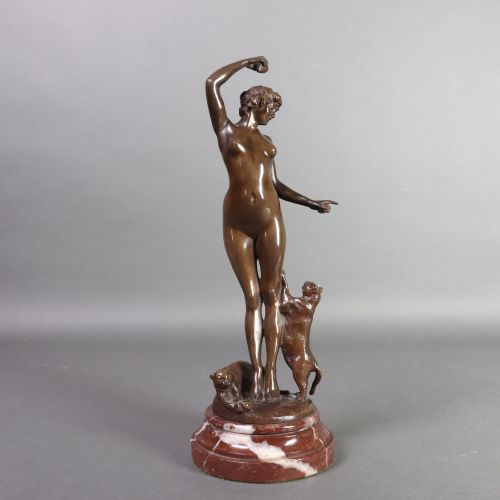
When you search for bronze figurine art, you enter a world of cast metal figures, dancers, and animals defined by Art Deco and Art Nouveau styling.
Bronze Figurine Art
Buyers will encounter varied forms ranging from single dancers mounted on marble or onyx bases to large animal groups and figural lighting. French School influences and Austrian workshops dominate the output, showing clear stylistic transitions from organic floral curves to geometric modernist lines.
Materials and Casting Methods
The objects are primarily cast in bronze, gilt bronze, or silvered bronze, alongside alternative alloy options such as spelter and patinated metal. Many works utilise multi-material construction, pairing metal figures with heavy bases carved from marble or onyx.
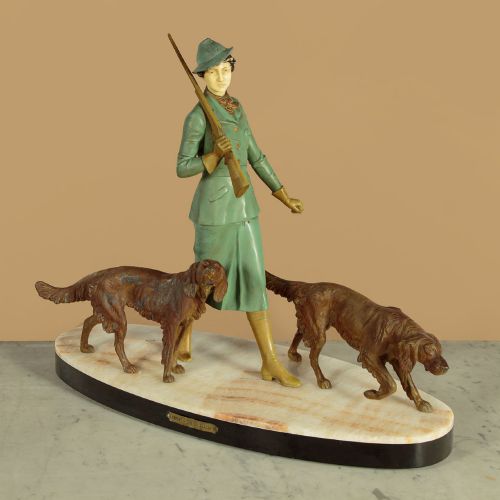
Surface treatments vary from cold-painted polychrome finishes to rich patinas and gilding. These applied finishes highlight the intricate details of drapery, feathers, and anatomical forms achieved by the foundry.
Bronze Figurine Art Retail Price Guide 2026
Typical asking prices for bronze figurine art among the pieces listed under this phrase on Sellingantiques today, from the lower quarter to the upper quarter. They describe what is for sale here now, not the wider market.
Listings feature periods from the 19th Century through to the 1940s, encompassing Art Nouveau, Art Realist, and Art Deco styles.
Assessing Quality and Execution
The relationship between the metal figure and its stone base marks another distinction, as superior examples integrate well-fitted marble or onyx plinths that complement the overall weight and balance of the sculpture.
Georges Gori·Gustave Dussart·Lavroff·D. H. Chiparus·Jean de Roncourt·Hagenauer·Maurice Giraud-Rivière·Bruno Zach·Pierre Collinet·Josef Lorenzl·Hans Müller·Frederique Cederlund-Ozanne·E Villanis·Frederic Remington·Alexandre Ouline·Mathurin Moreau·Henri Godet
The Bronze Figurine Art Glossary
- Cold-painted bronze
- A method where paint is applied to a cold bronze surface rather than fired in a kiln. This technique is typical of Austrian animal and dancer figures from the early twentieth century.
- Spelter
- A zinc-based alloy frequently used as a cost-effective substitute for bronze. It mimics the appearance of true bronze when patinated.
- Patination
- The chemical treatment or natural ageing process that alters the colour of a metal surface. It adds depth and tone to the cast details.
- Gilt bronze
- Bronze that has been coated with a thin layer of gold or gold-coloured alloy. This finish provides a bright, reflective surface seen on high-end decorative pieces.
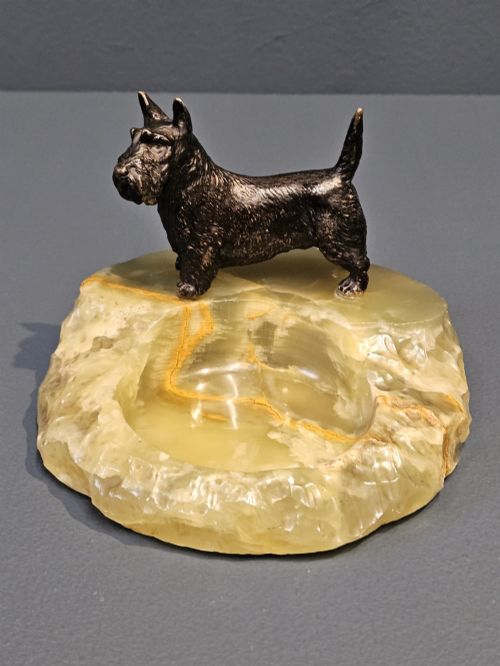
- Desk tidy
- A functional desk accessory incorporating small trays or pen rests alongside a figural sculpture. These items combine utility with ornamental metalwork.
Bronze Figurine Art: Frequently Asked Questions
What is cold-painted bronze?
Cold-painted bronze refers to metal sculptures painted by hand with oil or tempera paints without subsequent kiln firing. This technique produces vibrant polychrome finishes on figures and animals.
Collectors find this method widely used in Austrian decorative pieces from the early decades of the twentieth century.
How do I identify Art Deco pieces?
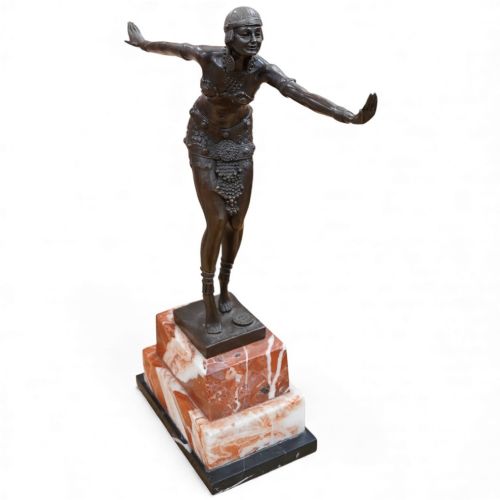
Art Deco pieces display symmetrical geometric lines, stylised human forms, and sleek depictions of speed and dance. These sculptures often feature streamlined figures mounted on contrasting stepped marble bases.
The style emerged strongly after the First World War, moving away from organic floral motifs.
Are spelter and bronze different?
Spelter is a softer, zinc-based white metal alloy, whereas bronze is a durable copper and tin alloy. Spelter was commonly used to produce more affordable decorative figures.
Both materials received applied patinas to simulate aged metal surfaces.
Where should I display these sculptures?
These sculptures suit stable, flat surfaces such as sideboards, mantelpieces, and desks where their weight and base materials can rest securely. Placing them away from direct heat sources protects any applied patinas and painted details.
Many functional pieces like table lamps and desk tidies integrate easily into daily use.