

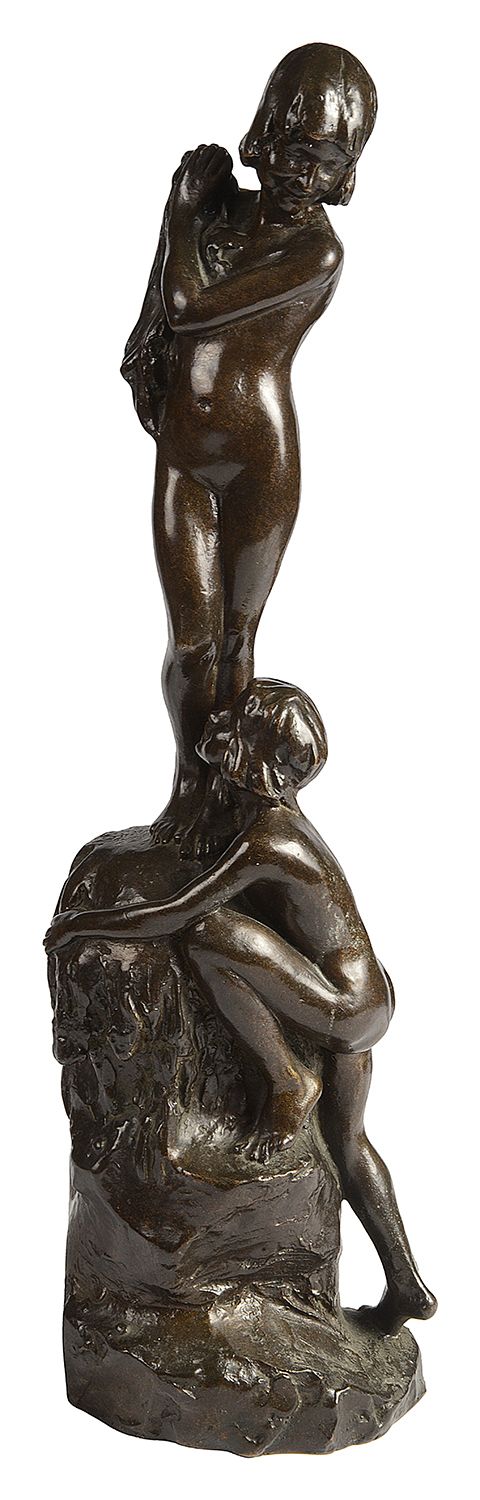
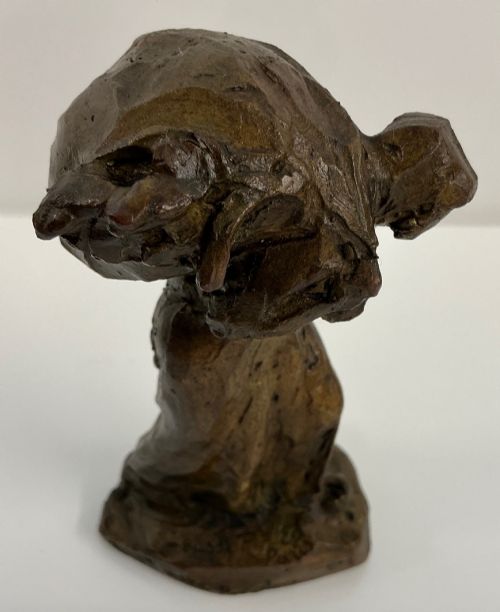
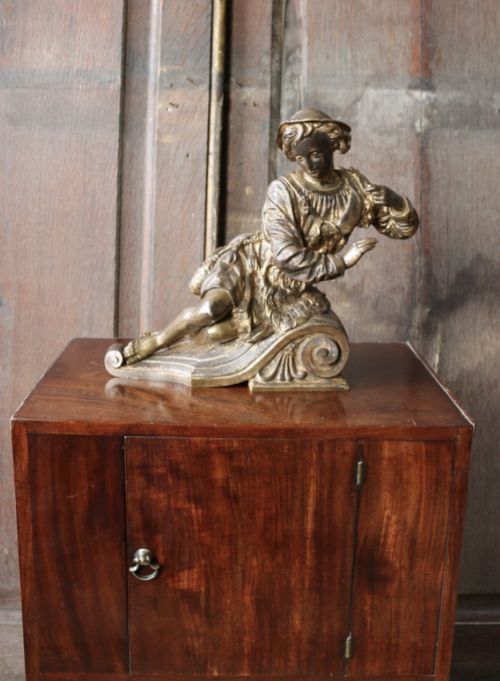


Bronze Figural Statuette
These bronze figural statuette examples bring sculptural form into domestic spaces, ranging from classical figures to decorative Art Deco dancers.
Bronze Figural Statuette
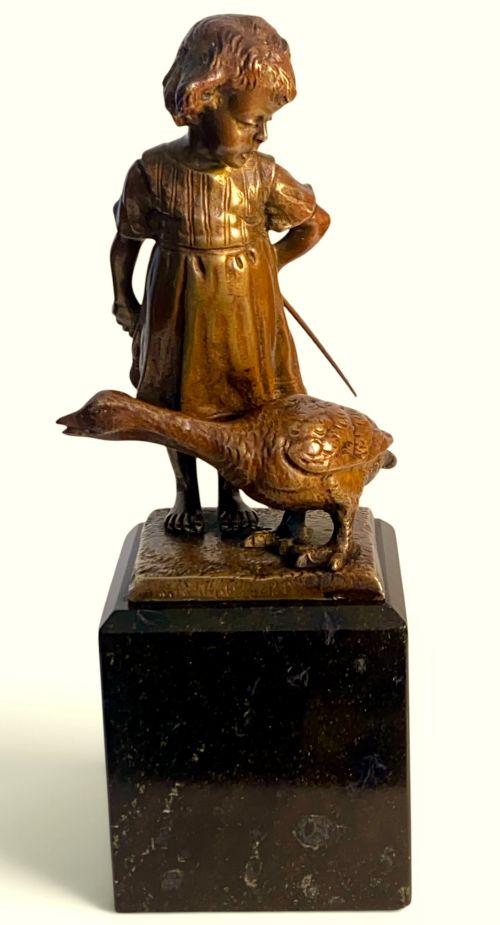
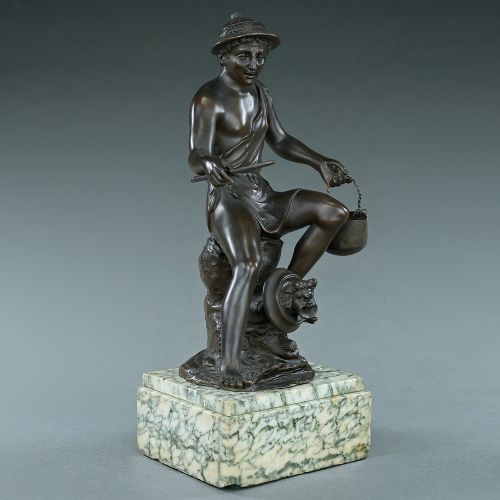
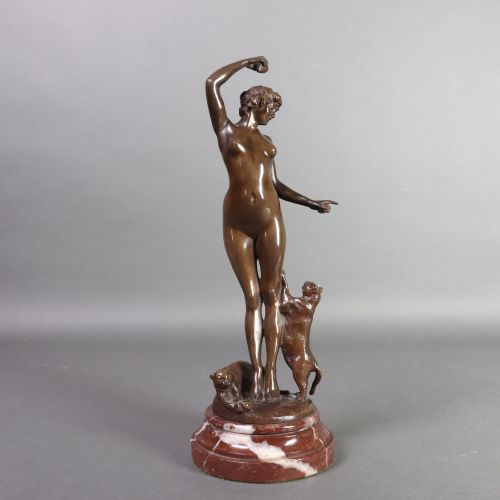
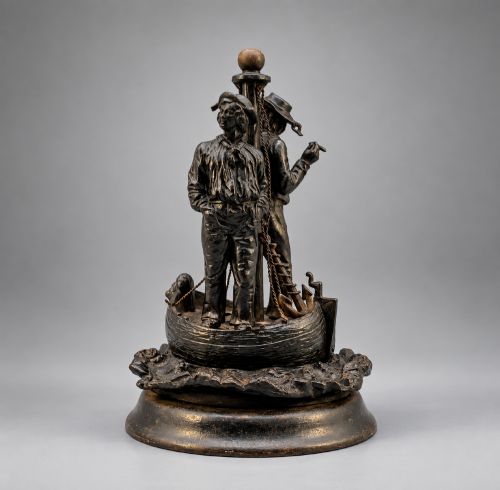
A bronze figural statuette represents human figures, children, animals, or mythological subjects cast in metal, often mounted on stone bases. Buyers examining this selection encounter works spanning several centuries, with a strong representation of nineteenth-century French foundry production and twentieth-century decorative items.
The objects take diverse physical forms, appearing as standalone sculptures, elements of clock sets, or components of table lamps and andirons. Pieces reflect distinct historical periods including the Neoclassical era, the Grand Tour tradition, Art Nouveau fluidity, and Art Deco geometry.
Materials and Construction
Foundries utilised traditional casting methods to produce these metal works, employing bronze alongside alternative compositions such as spelter. Cast components frequently received patination treatments to alter surface colour, or were finished with gilding or ormolu details.
Statues commonly integrate structural bases made from contrasting geological materials, pairing metal figures with marble, onyx, alabaster, or ceramic pedestals to provide stability and visual weight.
Bronze Figural Statuette Retail Price Guide 2026
Typical asking prices for bronze figural statuette among the pieces listed under this phrase on Sellingantiques today, from the lower quarter to the upper quarter. They describe what is for sale here now, not the wider market.
Object configurations include standalone sculptures, figural clock sets, and table lamps paired with ceramic bases.
Judging Quality
Quality depends upon the crispness of the casting and the sensitivity of the chasing work applied after metal removal from the mould. Superior examples retain fine anatomical details, sharp facial expressions, and well-defined textures in hair, drapery, and surrounding objects.
The integration between the figure and its base indicates overall production standards, where higher-grade items utilise dense marbles or fitted stone mounts that complement the metalwork securely.
Gustave Dussart·E.A. Clapp·Jules Dalou·Emmanuel Villanis·Carl Kauba·Auguste Moreau·Susse Freres·Bruno Zach·Emile Victor Blavier·Eugene Laurent·Louis Auguste Moreau
The Bronze Figural Statuette Glossary
- Spelter
- A zinc alloy frequently utilised as a less expensive alternative to bronze during the nineteenth and twentieth centuries. It often received a patinated finish to imitate true bronze.
- Patinated bronze
- Metal treated with chemical solutions to produce a specific surface colour or aged tone. This process protects the underlying metal while enhancing visual depth.
- Ormolu
- Finely ground high-carat gold applied to a bronze base through a mercury amalgamation process. This technique creates a durable, bright golden surface finish seen on decorative mounts.
- Grand Tour
- A cultural tradition of travelling through Europe undertaken by the wealthy during the eighteenth and nineteenth centuries. Statuettes purchased during these travels often depicted classical antiquities and mythological subjects.
- Chasing
- The manual process of refining a metal casting using small punches and hammers. Artisans remove casting flaws and sharpen surface details during this finishing stage.
Bronze Figural Statuette: Frequently Asked Questions
How do I distinguish bronze from spelter?
Bronze exhibits greater weight, density, and resistance to bending compared to spelter. Examination of worn areas often reveals the paler grey metal beneath a surface patina on spelter pieces.
Foundry marks and chiselled details also help confirm genuine bronze casting, as softer metal alloys lose crispness during production and sustained handling.
What periods do these figures come from?
The selection encompasses items produced from the eighteenth century through to the early decades of the twentieth century. Nineteenth-century French workshops provide a substantial portion of the sculptural output.
Later pieces transition into distinct twentieth-century design movements, incorporating Art Nouveau organic curves and geometric Art Deco styling.
How should I display a stone-based statuette?
These pieces require stable, level surfaces away from heavy foot traffic due to the combined weight of the metal figure and marble or onyx base. Adequate support prevents accidental tipping.
Placement should avoid direct sunlight and fluctuating humidity to protect both the metal patination and the integrity of the stone mounts over time.
What subjects are commonly depicted?
Depictions range from mythological figures and classical historical scenes to everyday genre subjects such as children, fishermen, and dancers. Animals and allegorical characters also appear frequently.
These subjects reflect the shifting aesthetic priorities of academic sculptors, Grand Tour souvenir makers, and commercial decorative foundries.