







Dark Marble Base Sculpture
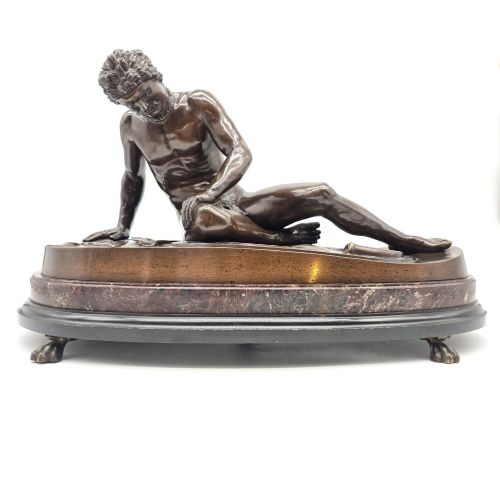
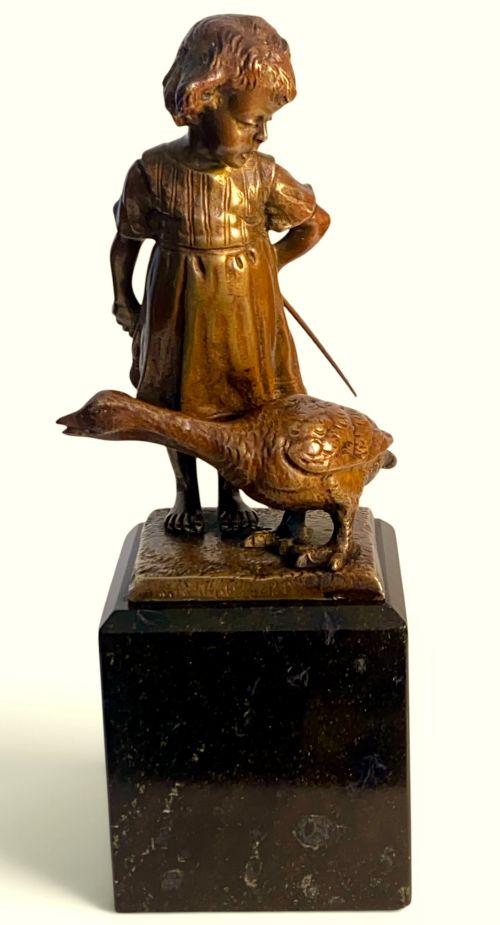
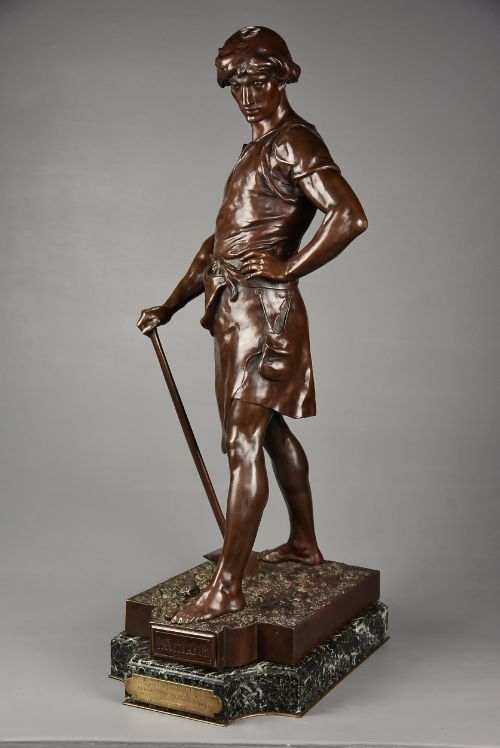
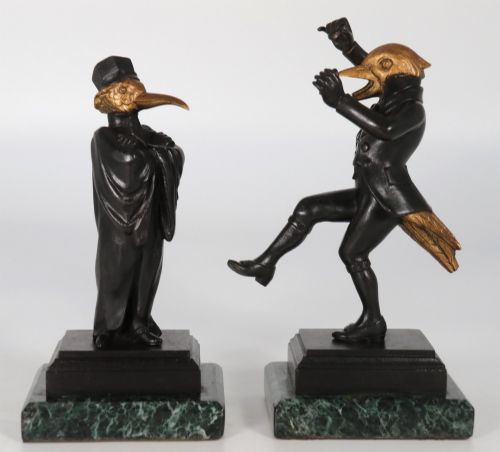
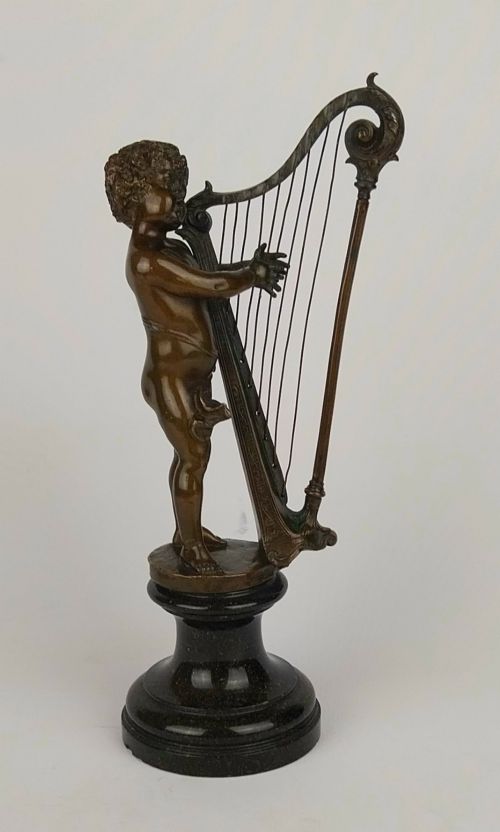
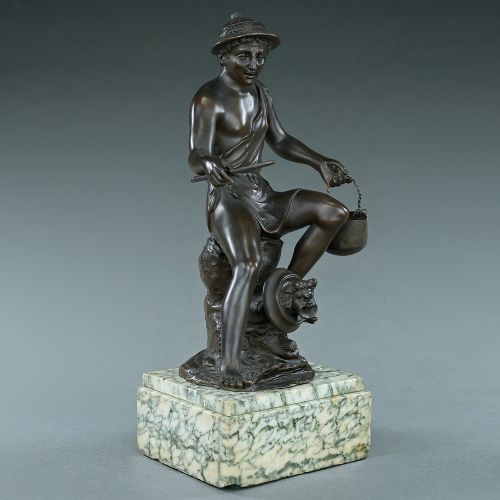
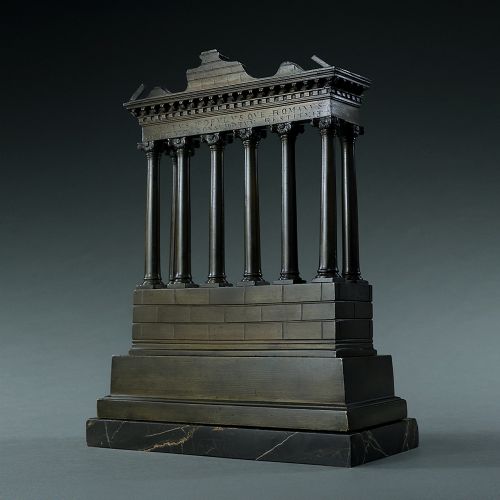
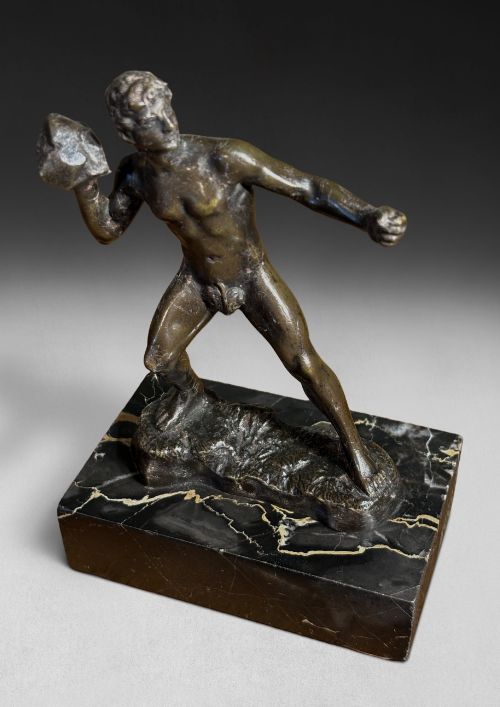
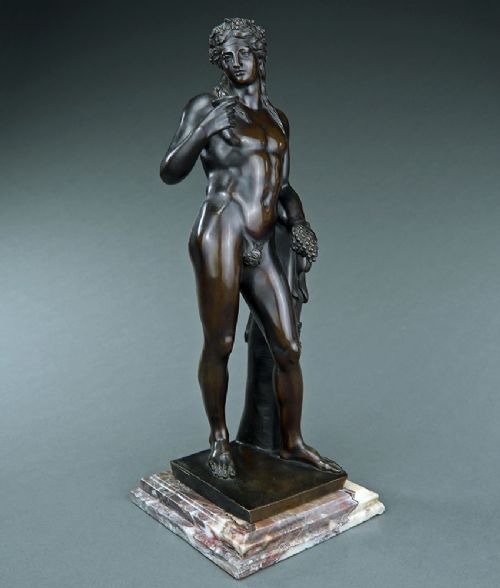
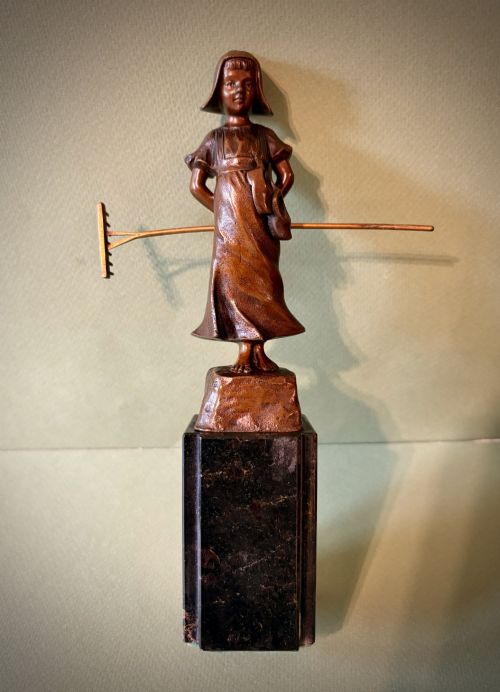
A dark marble base sculpture brings together cast bronze and polished stone to anchor classical figures, animals, and architectural models from the nineteenth and twentieth centuries.
Dark Marble Base Sculpture
A dark marble base sculpture typically combines a patinated or gilt bronze figural subject with a heavier stone plinth for stability and visual contrast. These works range from Grand Tour souvenirs of classical antiquities and mythological groups to French animalier studies and later Art Deco dancers.
The versions most commonly found here date from the nineteenth century through to the 1930s, spanning Neoclassical, Art Nouveau, and modernist aesthetics. Subjects stretch from mythological figures and historical models to domestic animals and theatrical caricatures.
Makers and casters utilised various stones for these plinths, including fossil marble, antico verde, and standard dark varieties, each cut to match the proportions of the bronze mounted upon it.
How They Were Made
The bases themselves were sawn from larger blocks of marble, fossil marble, or green stone, then turned, ground, and polished to a smooth finish. Metal pins, screws, or threaded rods secure the heavy bronze figures securely through pre-drilled holes in the stone plinths.
Dark Marble Base Sculpture Retail Price Guide 2026
Typical asking prices for dark marble base sculpture among the pieces listed under this phrase on Sellingantiques today, from the lower quarter to the upper quarter. They describe what is for sale here now, not the wider market.
Listings feature bronze figures paired with fossil marble, antico verde, and standard green or black stone bases across Neoclassical, Art Nouveau, and Art Deco styles.
What Varies in Quality
The crispness of the bronze casting and the depth of the subsequent hand-chasing separate standard foundry output from exceptional works. Superior examples retain fine anatomical definition, distinct facial expressions, and complex textures in hair, fabric, or animal pelts without soft edges or obscured details.
The selection and preparation of the stone base also influence the overall standard of the piece. High-quality mountings feature dense, well-figured marble or antico verde cut squarely to complement the weight and posture of the sculpture above, fitted with stable bronze fixings.
Emile Louis Picault·Guillemin·Bruno Zach·Georges Gori·Gustave Dussart·Jean de Roncourt·D.H. Chiparus·August Moreau·Barbedienne
The Dark Marble Base Sculpture Glossary
- Grand Tour
- A traditional trip through Europe undertaken by young upper-class travellers who collected small bronzes and architectural models as mementos. These pieces often replicated famous classical statues found in Italian museums and sites.
- Lost-wax casting
- A metalworking process where a molten metal is poured into a mould that has been created by melting away a wax model. This technique allows for intricate undercuts and fine surface details in sculptural bronze.
- Patination
- The chemical or natural alteration of a metal surface that produces a specific colour and texture. Founders applied various acids and heat treatments to bronze to achieve rich brown, black, or greenish tones.
- Antico verde
- A decorative serpentine marble quarried in Greece and Italy displaying mottled green and white tones. It appears frequently as a contrasting plinth material beneath nineteenth-century bronzes.
- Animalier
- A nineteenth-century artistic movement focused on the realistic depiction of animals. Sculptors working in this style produced detailed studies of horses, dogs, stags, and panthers, often set upon heavy stone bases.
Dark Marble Base Sculpture: Frequently Asked Questions
What is a dark marble base sculpture?
It is a decorative object comprising a cast bronze figure, animal, or architectural model secured to a polished stone plinth. These pieces generally originate from nineteenth-century European foundries or later Art Deco workshops.
The heavy marble or fossil stone provides a stable foundation while framing the metallic sculpture above with contrasting dark tones and veining.
How do I care for bronze and marble?
Dust the bronze regularly with a soft, dry cloth and avoid using harsh cleaning sprays or abrasive pads that can strip the chemical patination. The stone base can be wiped gently with a barely damp cloth.
Keep these sculptures away from direct heat sources and high humidity to protect both the metal surface and the fixings inside the stone.
Are these sculptures signed?
Many cast bronzes bear the signature or foundry mark of the sculptor inscribed directly into the metal base during the casting process. Some pieces may also include foundry stamps or cachets that indicate where the work was produced.
Unsigned pieces are also common, particularly with Grand Tour souvenirs and anonymous decorative figures made for the export market.
How do I date a bronze sculpture?
Dating relies on examining the style of the figure, the composition of the bronze alloy, the type of patination, and the cut of the marble base. Neoclassical and Grand Tour subjects typically point to the nineteenth century, whilst streamlined forms and geometric plinths suggest the 1920s and 1930s.
Comparing the casting methods and finishing techniques to known dated works by specific founders helps establish an accurate period of origin.