



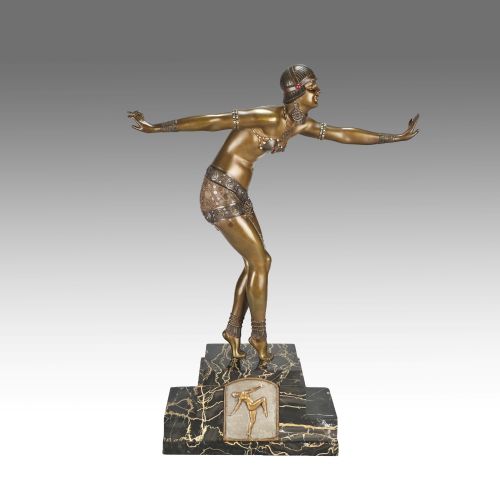
Bronze Female Figurine
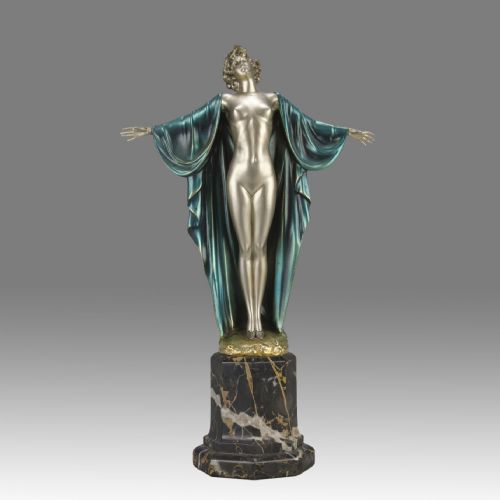
A bronze female figurine brings the energy of the dance floor, the classical studio or the exotic stage directly onto a mantelpiece.
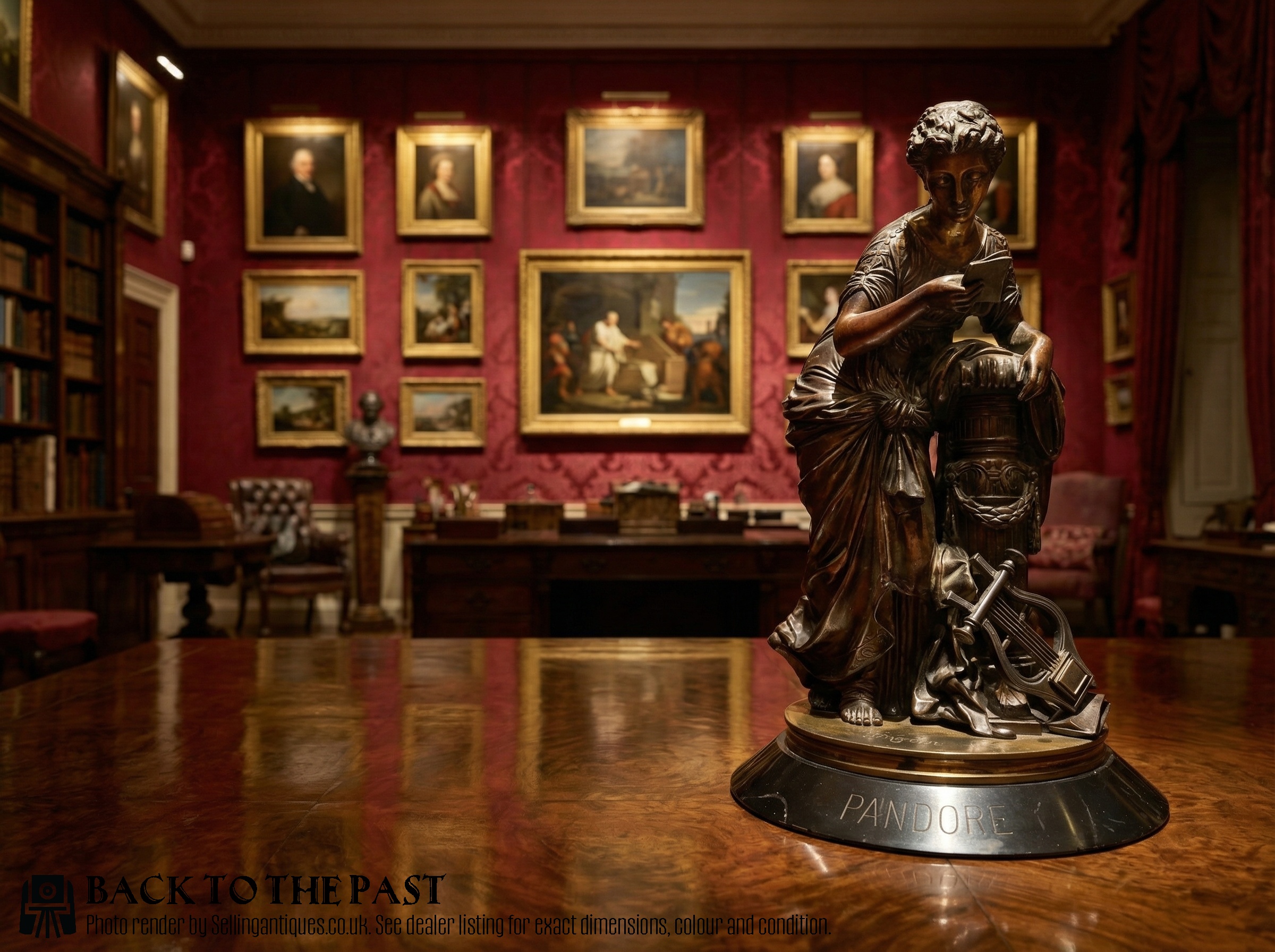
Bronze Female Figurine
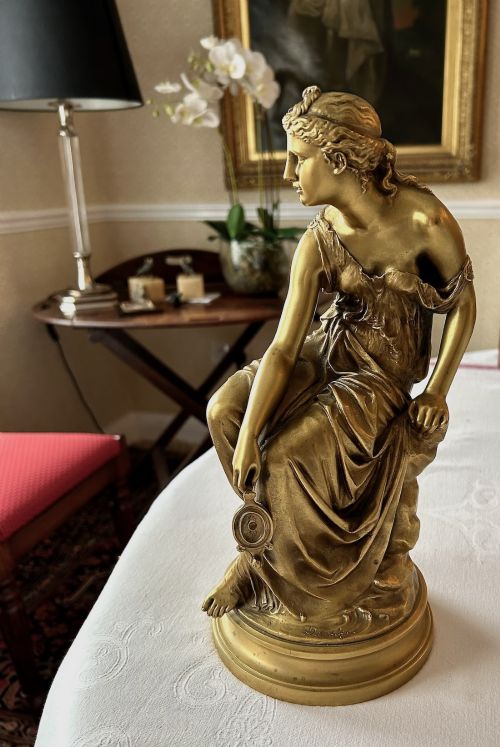
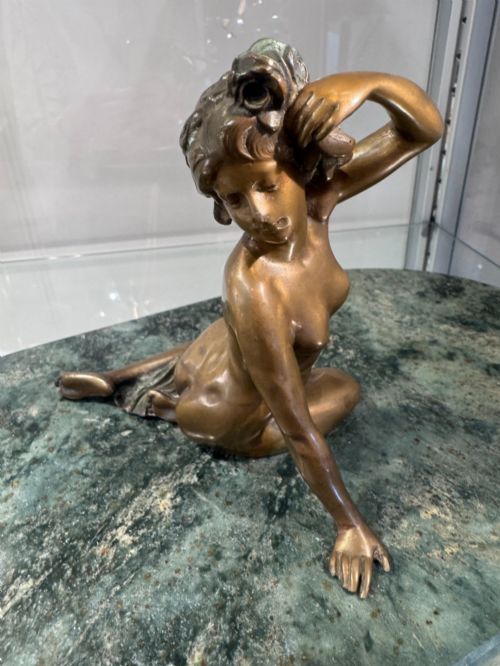
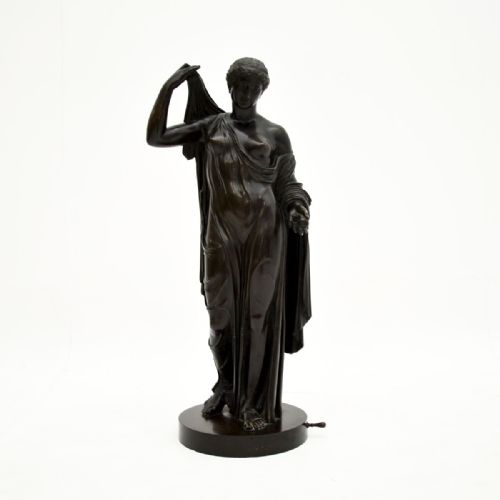
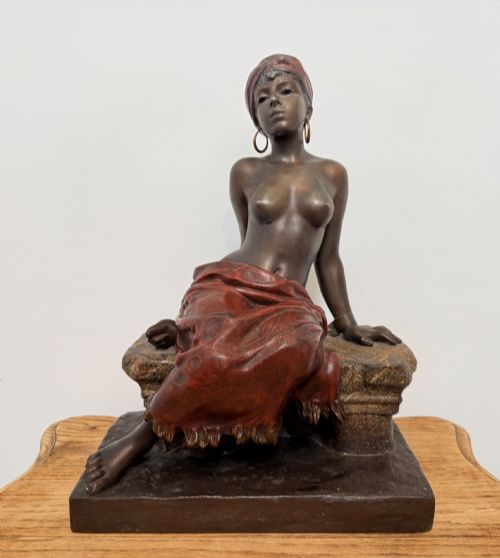
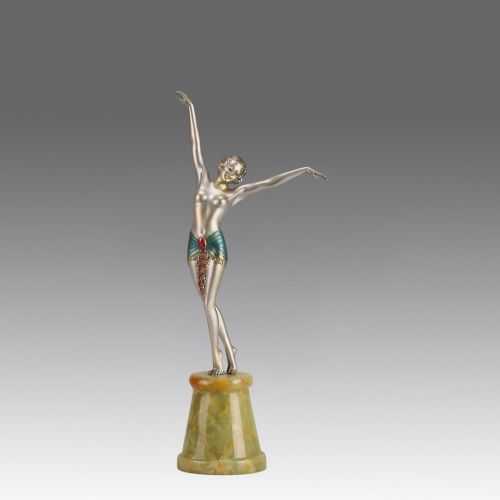
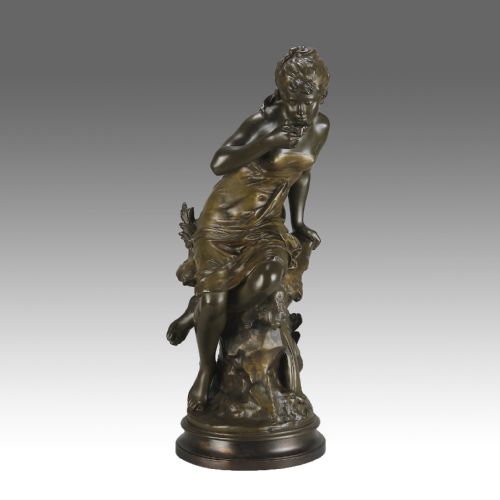
When you search for a bronze female figurine, you encounter sculptural works that capture women in motion, repose or character roles from the nineteenth and twentieth centuries. These pieces range from classical maidens and allegorical figures to the stylised dancers of the Art Deco era.
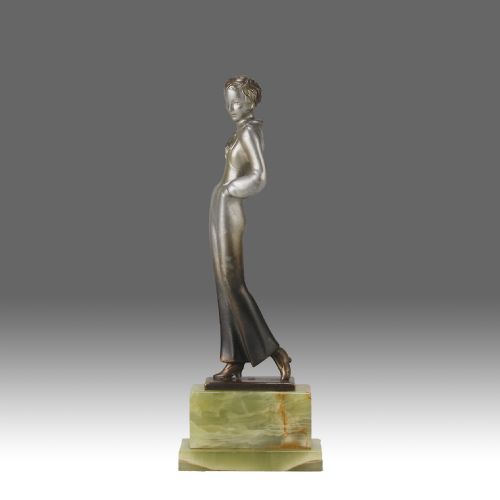
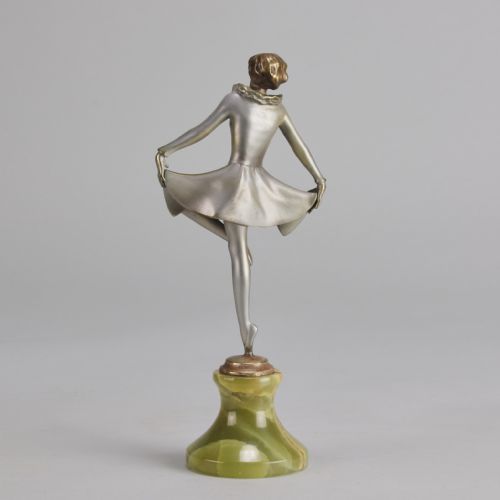
The versions you are most likely to meet on this page hail from the Art Deco and Art Nouveau periods, alongside nineteenth-century French salon bronzes. They appear in various forms, from small desk ornaments to substantial cabinet figures.
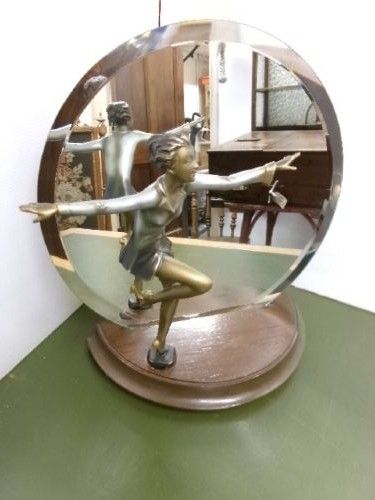
Many of these objects merge sculpture with functional elements, resting upon marble or onyx bases, or serving as advertising displays and decorative busts. They reflect the shifting tastes of French, Austrian and wider European foundries across decades of artistic change.
Materials and Technique
The fabrication of these figures relies primarily on traditional lost-wax casting in bronze, which allows for intricate detail in drapery, hair and posture. Alongside solid bronze, makers frequently utilised gilt bronze for a brilliant finish or patinated bronze to create subtle tonal depth on skin and garments.
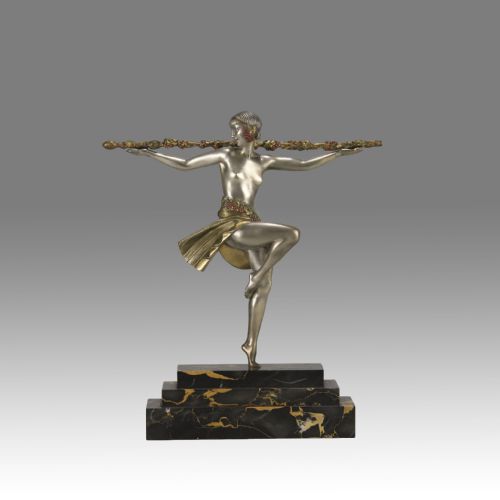
Cold painting represents another significant technique found in these works, where pigment is applied after the casting process to impart realistic colour to dancers and orientalist figures. Spelter also appears as a popular, more accessible alternative alloy for casting figures during periods of high demand.
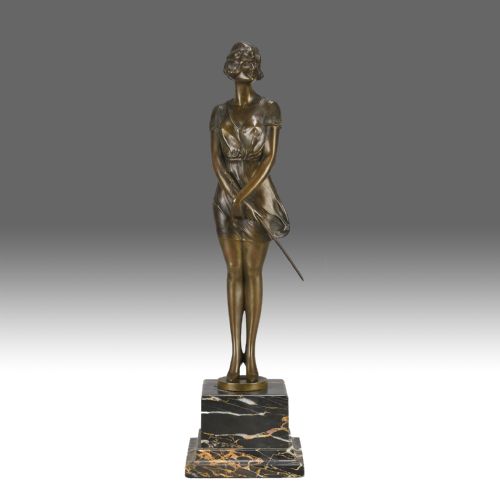
Foundries often mounted these metal sculptures onto heavy stone plinths made of marble or onyx to provide stability and visual contrast. Wood occasionally supports certain figures, anchoring the composition of the carved or cast subject.
Bronze Female Figurine Retail Price Guide 2026
Typical asking prices for bronze female figurine among the pieces listed under this phrase on Sellingantiques today, from the lower quarter to the upper quarter. They describe what is for sale here now, not the wider market.
Listings feature works spanning the nineteenth century through the nineteen-thirties, encompassing Art Nouveau, Art Deco and Neoclassical styles.
Assessing Quality and Execution
The distinction between standard commercial output and exceptional work lies in the crispness of the chasing and the subtlety of the surface finish. Finer casts retain sharp facial expressions, delicate fingers and clean lines in the drapery without relying on heavy post-casting filing.
The depth and application of patination or cold paint strongly influence the visual success of a piece, separating flatly coloured examples from those with nuanced shading. Furthermore, the quality and weight of the supporting marble or onyx plinth often correspond to the ambition of the original commission.
Signatures and foundry marks contribute to the standing of a piece, though unsigned casts can still demonstrate high sculptural merit through their anatomical proportion and balance. The articulation of movement in dancers and allegorical subjects reveals the underlying skill of the modeller.
Etienne-Henri Dumaige·Bruno Zach·Pierre le Faguays·Ferdinand Preiss·Josef Lorenzl·Mathurin Moreau·Demetre Chiparus·Henri Godet·Jules Dalou·Georges Van Der Straeten·E Villanis·Paul Philippe
The Bronze Female Figurine Glossary
- Lost-wax casting
- A method of metal casting in which a molten metal is poured into a mould that has been created by means of a wax model. This technique allows for the precise reproduction of intricate sculptural details.
- Cold-painted bronze
- A process where the finished bronze sculpture is painted with oil-based paints without undergoing a subsequent firing process. This method yields vibrant, lifelike surface colours on garments and skin.
- Spelter
- A zinc alloy commonly utilised as an economical substitute for bronze in decorative figures. It is softer and lighter than true bronze.
- Patination
- The treatment or natural ageing process that alters the surface colour of metal. It adds depth and highlights the contours of the sculptural form.
- Chasing
- The manual refinement of a raw metal casting using hammers and punches to sharpen details and remove surface flaws. This step bridges the gap between foundry work and finished art.
Bronze Female Figurine: Frequently Asked Questions
Are spelter figures less desirable than bronze?
Spelter is a softer, lighter zinc alloy that makers frequently used as an affordable alternative to bronze during the Art Nouveau and Art Deco periods. While cast bronze generally commands higher regard for its durability and material value, well-modelled spelter pieces still hold substantial decorative appeal.
You can distinguish between the two by examining the weight, the sound of the metal when tapped lightly, and any areas of wear where the underlying grey metal might show through the surface finish.
What is cold-painted bronze?
Cold-painted bronze refers to sculptures finished with oil or water-based pigments applied directly to the metal without heat-firing. This technique gained immense popularity in Vienna and Paris during the late nineteenth and early twentieth centuries for depicting dancers and orientalist subjects.
Because the paint sits on the surface rather than fusing with the metal, surviving pieces often exhibit areas of rubbing or paint loss that document their handling over time.
How can I tell if a piece is Art Deco?
Art Deco figures typically feature stylised geometries, clean lines, and dynamic poses often inspired by dancers, athletes and modern fashions. The garments, hair and physical forms lean towards abstraction and aerodynamic shapes rather than strict classical realism.
Materials like cold-painted bronze and spelter combined with sleek onyx or marble bases frequently indicate this twentieth-century design movement, which flourished through the nineteen-twenties and thirties.