


Bronze Classical Male Nude
A bronze classical male nude brings the sculptural ideals of antiquity directly into your interior, shaped by nineteenth-century foundry traditions.
Bronze Classical Male Nude
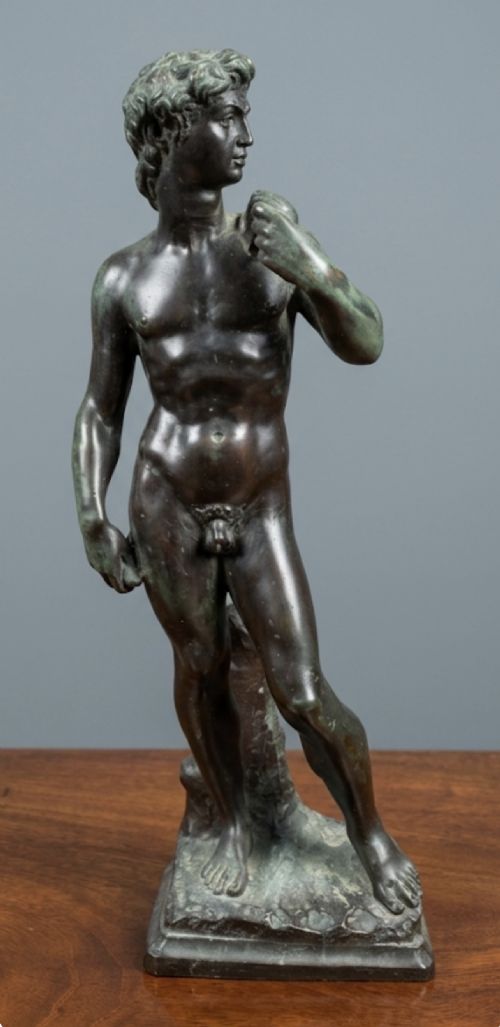
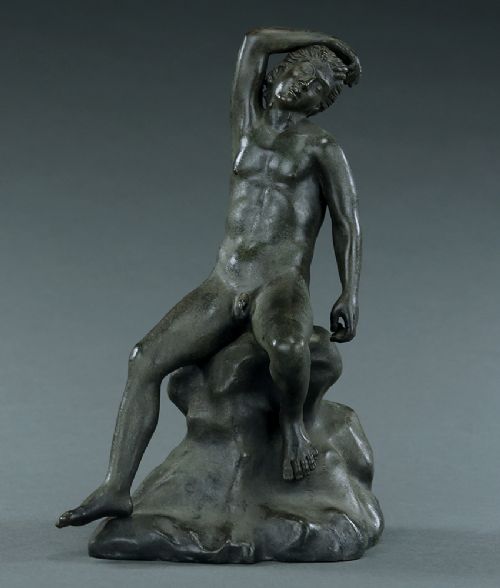
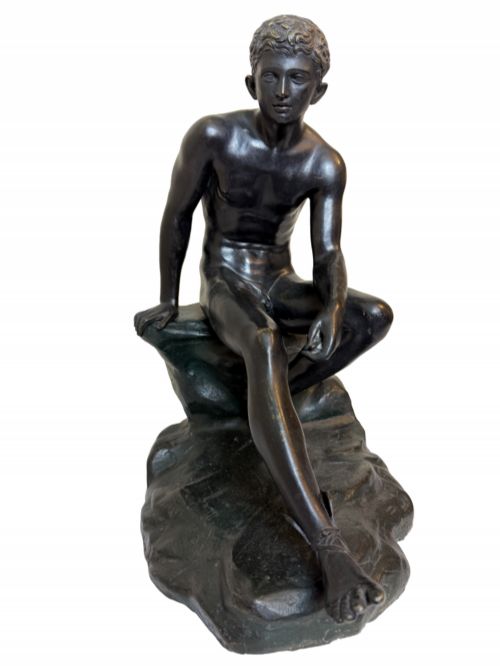
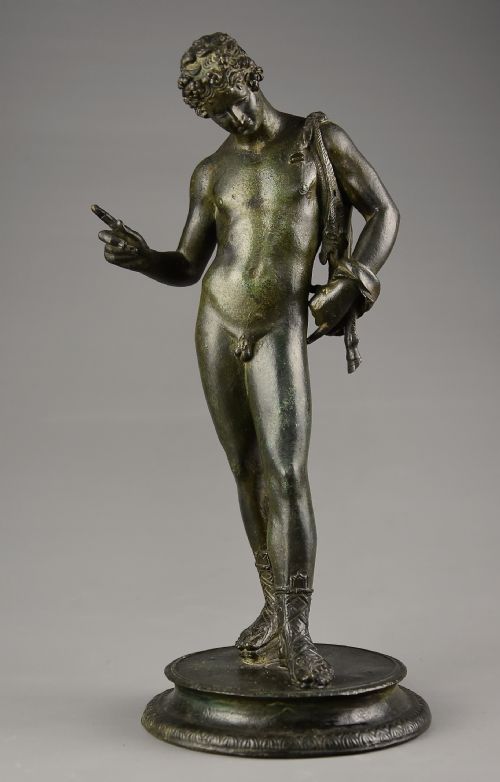
When you search for a bronze classical male nude, you encounter sculptural works that recreate ancient Greek and Roman forms, primarily produced during the nineteenth century. These figures draw heavily on archaeological discoveries and the academic study of the human form, capturing subjects ranging from mythological deities to classical athletes.
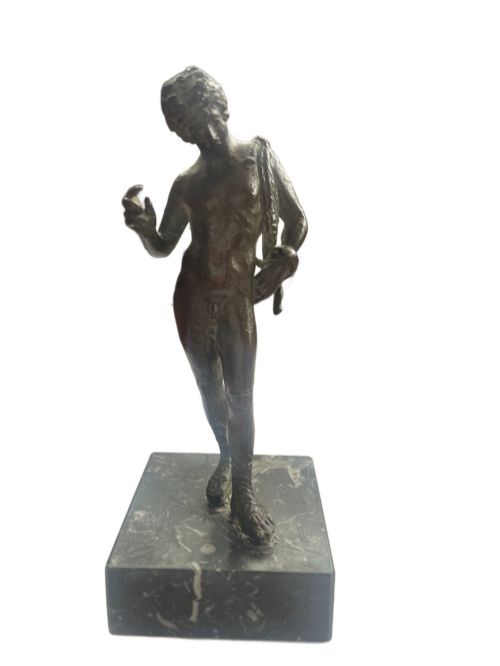
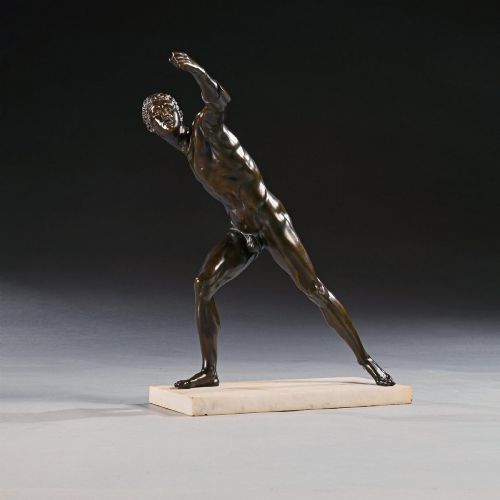
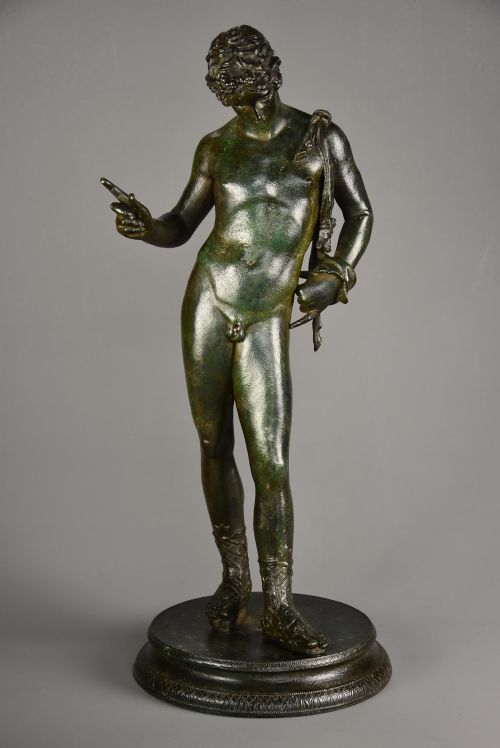
The majority of pieces available stem from the Grand Tour tradition, created as souvenirs for travellers visiting the antiquities of Italy. You will frequently find figures of Narcissus, Dionysus, and various wrestlers or gladiators cast in reduction or full scale after celebrated ancient statues.
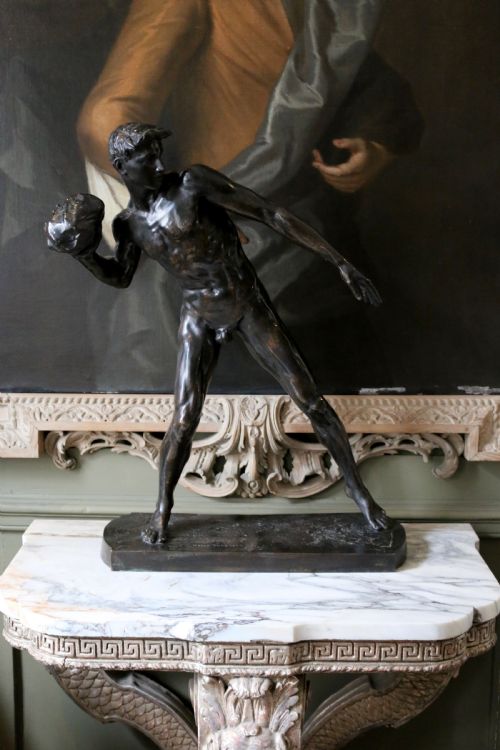
The materials span solid cast bronze combined with various bases, including fossil marble and standard stone. These sculptures range from intimate cabinet pieces to large-scale gallery works, reflecting the diverse ambitions of nineteenth-century European foundries and classical enthusiasts.
Methods of casting and finishing
Foundries utilised traditional metal-casting techniques to capture the musculature and anatomical precision of the original antiquities. Molten bronze was poured into moulds taken directly from or modelled after classical masterworks, ensuring faithful proportions.
Surface patination played a crucial role in the final appearance, with artisans applying dark green, verdigris, or rich brown chemical finishes to simulate the ageing of ancient metal. These patinated surfaces were often mounted directly onto weighted marble bases to provide stability for the standing figures.
Listings feature works spanning the nineteenth and early twentieth centuries, dominated by Grand Tour bronzes and Victorian academic realism.
Assessing sculptural standard and execution
Quality in these sculptures rests upon the crispness of the chasing and the fidelity of the anatomical detail. Superior casts retain sharp muscle definition, subtle facial expressions, and clean delineation of fingers and toes without the softening often seen in secondary reproductions.
The depth and complexity of the patination further distinguish finer examples, alongside the quality of the supporting stone or fossil marble plinth. Well-executed patination enhances the contours of the bronze, whereas flat or uniform colouring diminishes the sculptural presence.
Hamo Thornycroft·Eugene Barillot·Raoul Francois Larche·Franz Iffland·Michele Amodio
The Bronze Classical Male Nude Glossary
- Grand Tour
- A traditional cultural journey of continental Europe undertaken by upper-class young European men of the 18th and 19th centuries. Figures acquired during these travels often reproduced famous excavated antiquities.
- Patination
- The process of treating the metal surface with chemicals to produce a specific colour and finish. It protects the bronze and accentuates the underlying modelling.
- Neoclassical
- A Western cultural movement in the decorative arts and sculpture that drew inspiration from the classical art and culture of ancient Greece and Rome. This style prioritises restraint, proportion, and heroic subjects.
- Fossil Marble
- A natural limestone containing distinct organic fossils, frequently utilised as a heavy decorative base for nineteenth-century cabinet bronzes. It provides a stable and visually contrasting foundation.
- Verdigris
- A green patina resulting from the oxidation of copper alloys. Nineteenth-century founders often replicated this weathered effect intentionally on classical bronzes.
Bronze Classical Male Nude: Frequently Asked Questions
What is a Grand Tour bronze?
A Grand Tour bronze is a nineteenth-century souvenir sculpture cast in Italy or France, reproducing famous classical antiquities for travellers.
These pieces allowed collectors to bring museum-scale masterworks into private studies and libraries across Europe.
How do I identify the subject of a nude male sculpture?
Subjects are typically identified through specific attributes, such as the leaning pose of Narcissus or the resting posture of a faun.
Many figures replicate well-documented sculptures recovered from sites like Pompeii and Herculaneum during the nineteenth century.
Where should I display a bronze classical male nude?
These sculptures suit prominent interior positions such as desks, mantelshelves, or dedicated pedestals depending on their scale.
Ensure the placement protects the marble base and patinated surface from direct moisture and heavy handling.
Why do many figures feature green patination?
Green patination was intentionally applied by nineteenth-century founders to mimic the appearance of ancient bronzes recovered from archaeological excavations.
This finish accentuates the anatomical modelling and provides historical resonance with classical antiquity.