
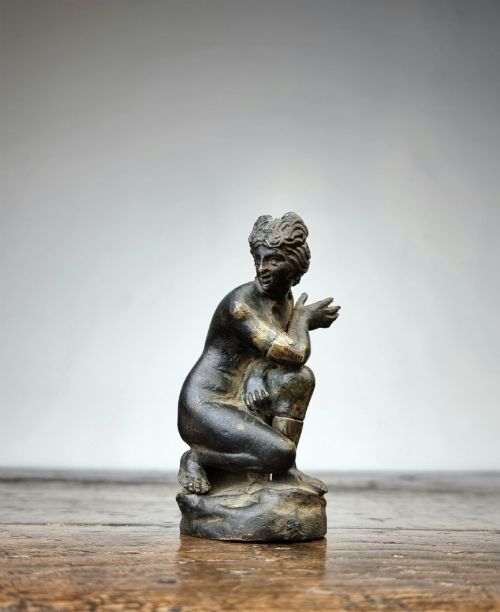
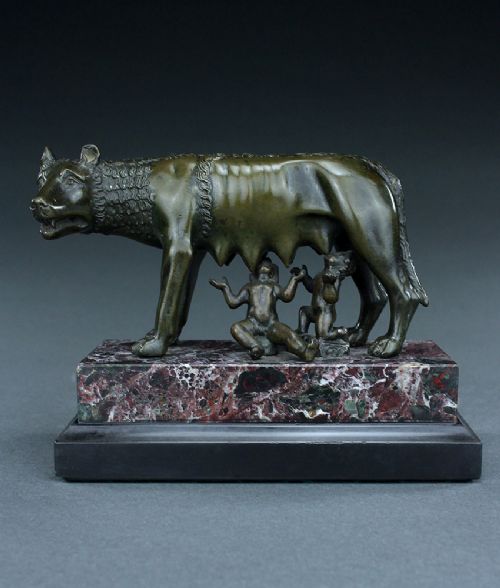


Classical Mythology Bronze Statuette
These classical mythology bronze statuette figures bring ancient stories directly into the room through enduring metalwork.
Classical Mythology Bronze Statuette
The selections available here span several centuries and stylistic revivals, capturing subjects ranging from Olympian gods like Zeus and Athena to figures of Bacchus, Pan, and mythical beasts like the Capitoline Wolf. Most pieces you will encounter belong to the nineteenth century, particularly grand tour souvenirs designed for travellers returning from Italy.
Earlier interpretations also appear among these listings, including seventeenth-century examples such as a crouching Venus, alongside later works stretching into the twentieth century. These objects vary significantly in scale and complexity, from single figures to pairs and complex groupings like Europa and the bull.
Materials and construction
Bronze forms the primary medium for these statuettes, capturing fine muscular details, drapery, and facial expressions through metal casting techniques. The metal takes on various surface treatments, including deliberate green patination to mimic the appearance of ancient excavated bronzes.
Many of these statuettes are mounted directly onto bases made of marble or stone, providing both stability and a classical architectural contrast to the dark metal. Some pieces adapt famous sculptural precedents, translating large-scale monuments and museum antiquities into cabinet-sized bronze editions.
Pan dancing with rustic energy ensures that even a solemn bronze collection retains a sense of mischievous woodland revelry.
Assessing quality in bronze statuettes
The integration with the base and the character of the patination further distinguish individual pieces, with sophisticated patination adding depth and visual weight to the metal. The fidelity to the classical source material and the proportional balance of the figures also mark the distinction between standard workshop output and superior sculptural renditions.
Albert Hussmann·Gregoire
The Classical Mythology Bronze Statuette Glossary
- Grand Tour
- A traditional journey through Europe undertaken by upper-class Europeans to view classical antiquities. Statuettes produced as souvenirs of this travel form a major portion of the available material.
- Patination
- The chemical treatment or natural weathering applied to the surface of bronze. Green patination mimics the look of ancient buried artefacts.
- Neoclassical
- A style inspired by the classical art and culture of ancient Greece and Rome. It emphasises austere dignity, proportion, and mythological subject matter.
- Statuette
- A small statue, typically under life-size. These objects were designed for display on desks, mantelpieces, and cabinet tops.
Classical Mythology Bronze Statuette: Frequently Asked Questions
What are grand tour bronzes?
Grand tour bronzes are small-scale reproductions of famous ancient sculptures purchased by travellers during their European tours in the eighteenth and nineteenth centuries. These pieces allowed collectors to bring miniature versions of museum masterpieces back to their homes.
They served as both intellectual conversation pieces and decorative desktop ornaments, reflecting the classical education and refined tastes of their original owners.
How do I distinguish nineteenth-century copies from earlier periods?
Nineteenth-century grand tour pieces often exhibit brighter patinas, specific casting methods associated with industrial production, and mount styles typical of Victorian cabinet pieces. Earlier works from the seventeenth century display different tool marks, heavier casting walls, and patinas developed through centuries of handling.
Comparing the base construction, patination depth, and the specific crispness of the chasing helps contextualize the period of execution.
Why are marble bases used on these statuettes?
Marble and stone bases provide essential physical stability for top-heavy bronze figures while referencing the architectural materials of classical antiquity. They elevate the sculpture visually, framing the metalwork in a manner reminiscent of museum pedestals.
These bases also add variety to the presentation, utilising contrasting colours of stone to complement the dark tones of the bronze figures.