



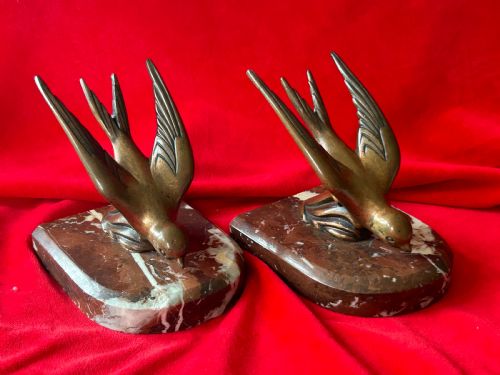
Bronze Sculpture Red Marble
These bronze sculpture red marble pieces combine cast metal figures with stone bases, offering collectors classical subjects and animalier studies.
Bronze Sculpture Red Marble
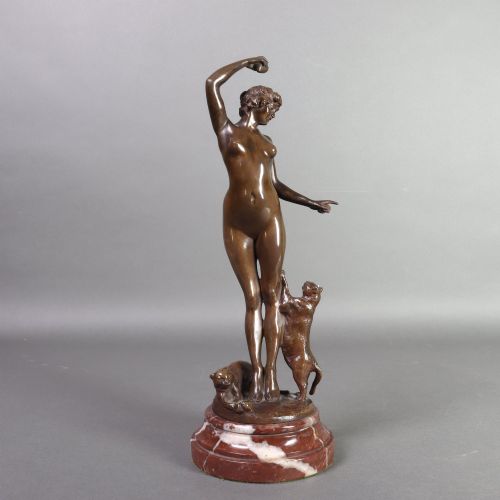
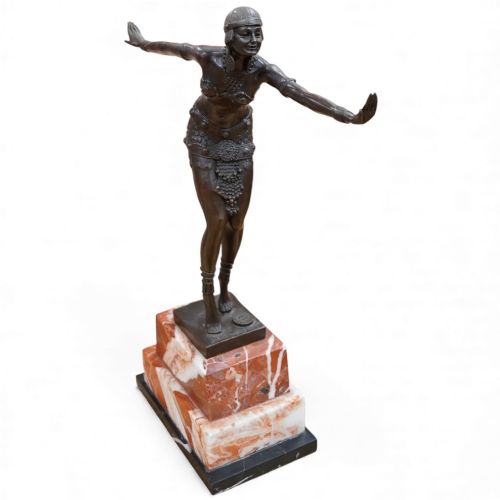
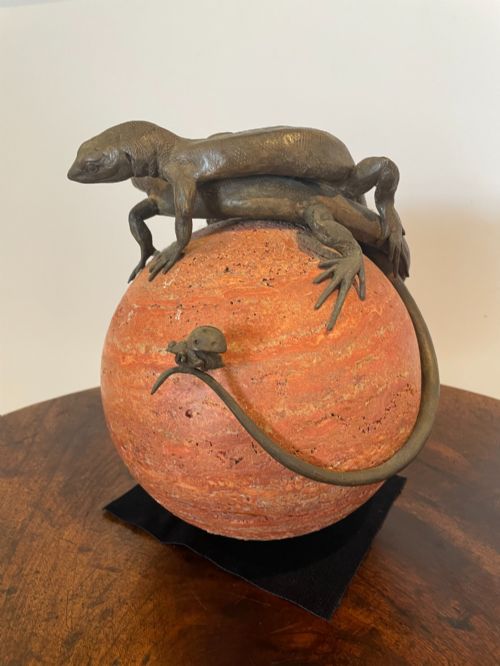
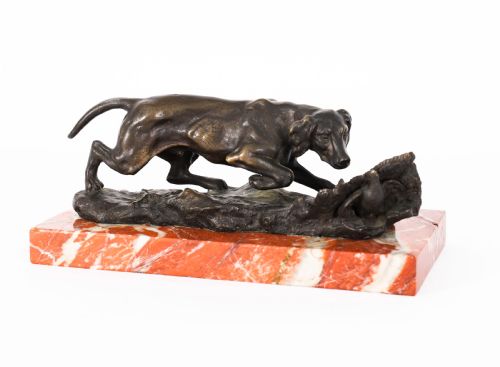
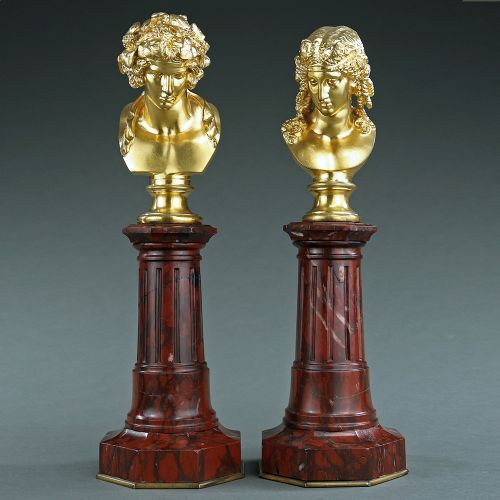
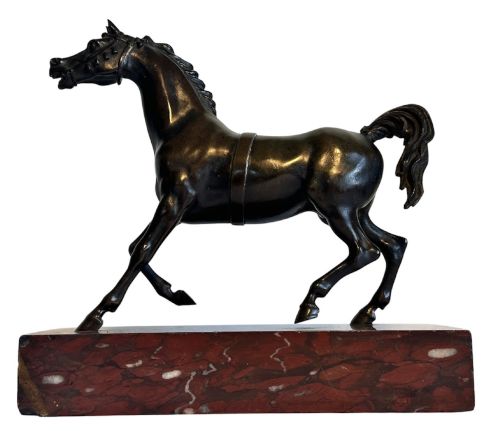
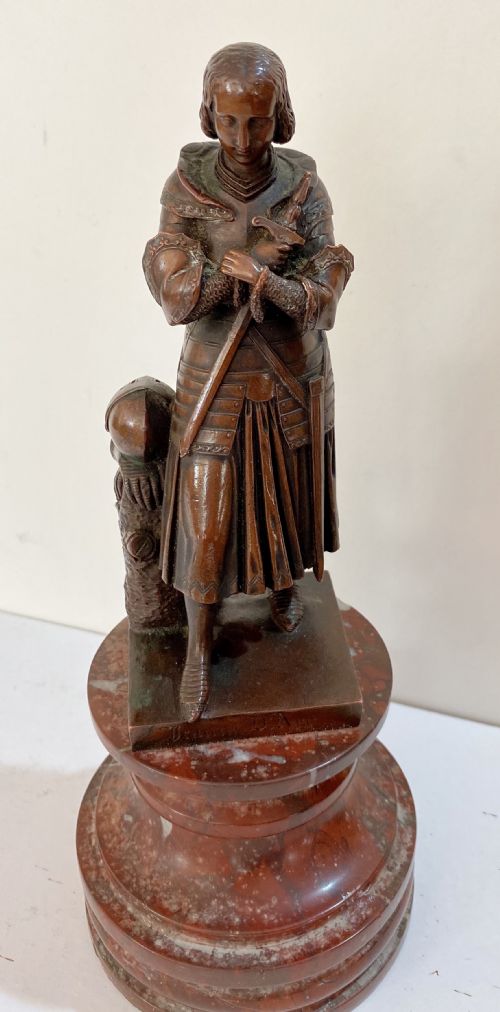
A bronze sculpture red marble piece pairs a cast metal figure, group or object with a distinct red stone base or mount. These works range from Grand Tour souvenirs of classical antiquities to French animalier studies of dogs and horses.
The objects take many forms, including mantel clocks, bookends, obelisks, candelabras and figural statuettes mounted on pedestals. The red stone provides a rich contrasting plinth that elevates the dark metal casting above it.
Most examples date from the nineteenth century, reflecting nineteenth century French production and Italian souvenir workshops. Buyers encounter everything from small cabinet bronzes to impressive architectural pedestals.
Materials and Construction
The metal components utilise bronze, often finished with ormolu or gilt highlights, while the stone elements incorporate red marble and Rosso Levanto marble. Foundries cast the figures using traditional methods before mounting them onto shaped stone bases.
Makers integrated brass and enamel details on select items such as clocks and decorative objects to add colour contrast. The stone bases were turned, cut and polished to support the weight of the metal sculptures.
Listings feature nineteen century French and Italian pieces made from bronze, brass, ormolu, enamel and red marble.
Judging Quality
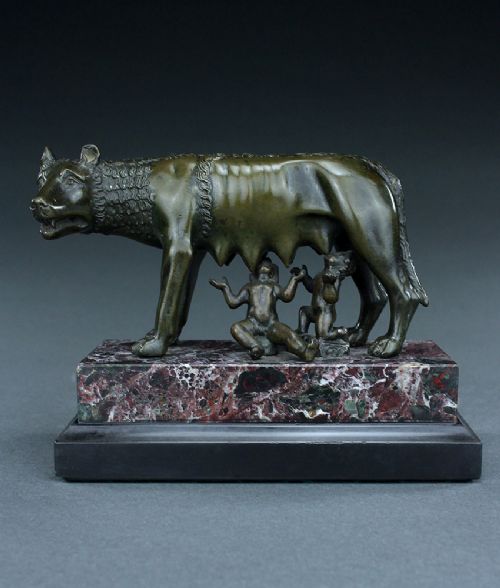
Quality rests in the crispness of the bronze chasing and the harmony between the metal casting and the marble plinth. Finer reductions and Grand Tour souvenirs display sharper anatomical detail in figures like the Farnese Hercules or the Capitoline Wolf.
The selection of the marble base also marks the tier of the piece, with rich veining in Rosso Levanto stone distinguishing superior works. Heavier, more substantial metal castings paired with well-fitted stone indicate higher workshop standards.
Carl Kauba·Prosper Lecourtier·Messina Roma·Christophe Fratin·Emmanuel Villanis
The Bronze Sculpture Red Marble Glossary
- Grand Tour
- A nineteenth century travel tradition where wealthy tourists acquired bronze souvenirs of classical sculptures in Italy.
- Animalier
- A nineteenth century artistic style focusing on realistic depictions of animals, particularly dogs, horses and wild beasts.
- Ormolu
- Gilt bronze mounted on furniture, clocks or sculptures, created by applying finely ground gold mercury amalgam to bronze.
- Rosso Levanto
- A striking deep red marble featuring prominent white veins, quarried in Italy and used extensively for architectural bases.
- Neoclassical
- An artistic movement drawing inspiration from the classical art and culture of ancient Greece and Rome.
Bronze Sculpture Red Marble: Frequently Asked Questions
What periods do these pieces date from?
The pieces span the nineteenth century and early twentieth century, with many items originating from around eighteen seventy and eighteen ninety.
Production clusters heavily in the Victorian era, alongside a few early twentieth century Art Deco and Art Nouveau examples.
How were these bronze and marble items used originally?
Many functioned as decorative ornaments on mantelpieces, desks and library tables in affluent nineteenth century homes.
Grand Tour souvenirs served as reminders of travels to Italy, while clocks and bookends combined utility with classical aesthetics.
What subjects appear most often?
Common subjects include classical antiquities such as the Warwick Vase, the Farnese Hercules and the Capitoline Wolf. Animal studies of dogs, horses and greyhounds also appear frequently alongside human figures and putti.
How do I care for bronze and marble?
Dust the bronze gently with a soft cloth and avoid harsh chemical cleaners that can strip the patina. Keep the marble dry and protect the stone from sudden impacts or acidic spills.