
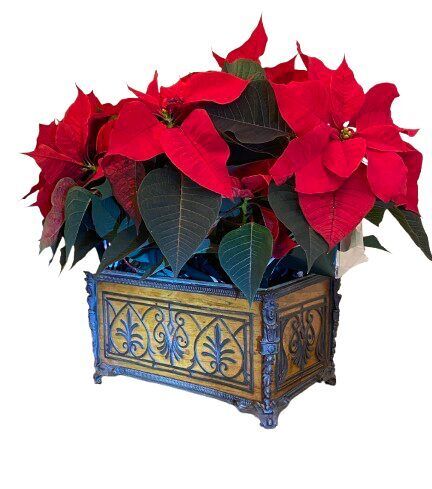


Bronze Cachepot Planter
These bronze cachepot planter items are heavy, decorative vessels designed to hold plants and flowers within domestic interiors.
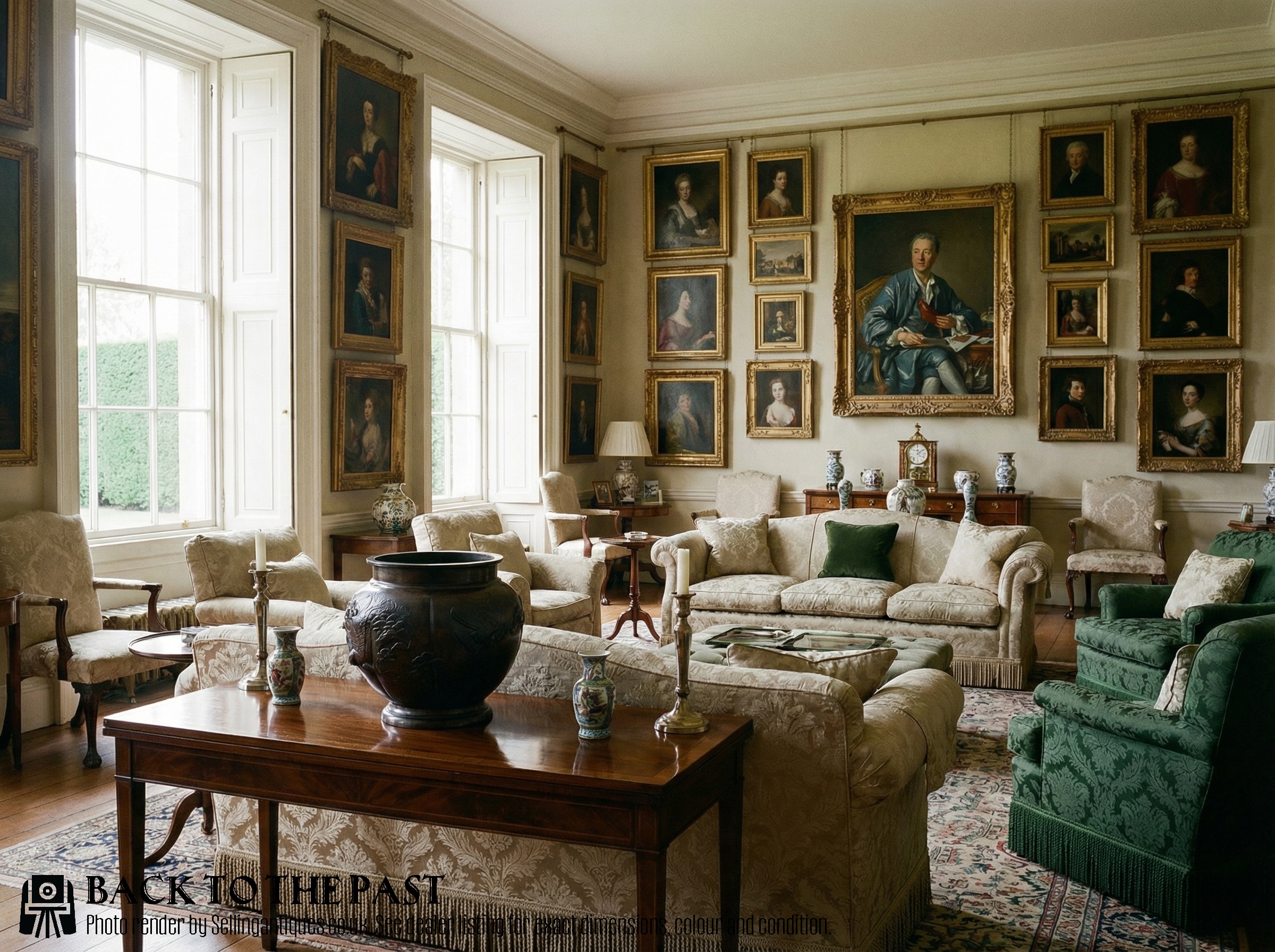
Bronze Cachepot Planter
A bronze cachepot planter serves as an ornamental container designed to hold potted plants inside a room, keeping surfaces safe from water. The selection spans several distinct cultural traditions, featuring English, French, and Oriental origins.
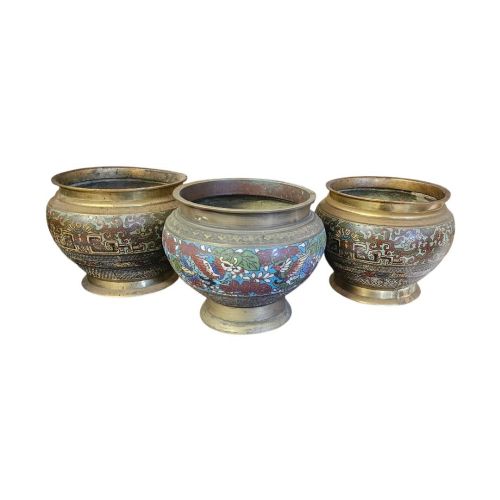
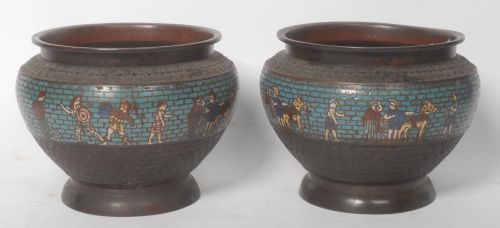
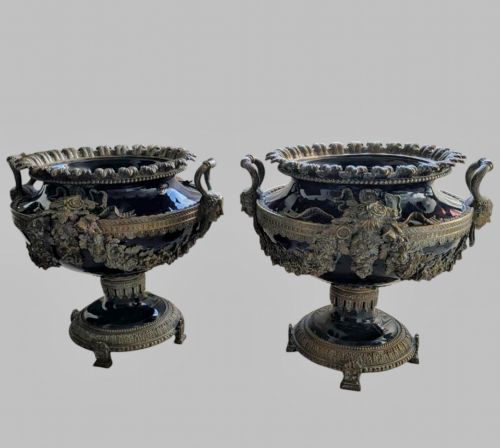
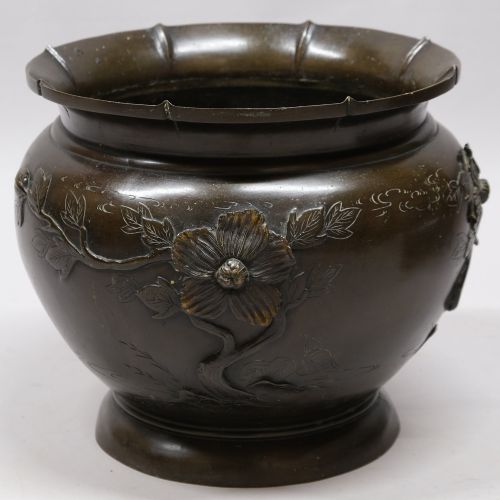
Buyers will encounter many variations on this page, ranging from 19th-century Japanese Meiji period bronzes to French Rococo Revival and Chinese export pieces. These vessels appear under various historical labels including jardinières, decorative bowls, and desk pots.
The physical forms include heavy pairs, large bowls, and mounted wooden receptacles suited for interior display. Many examples incorporate traditional styling from specific historical periods such as the Edo period, the late Qing dynasty, and the Victorian era.
Materials and Construction
Makers utilised cast bronze, brass, and ormolu as the primary structural metals for these planters, often combining them with wooden bodies or ceramic inserts. French examples frequently pair olive wood or kingwood with bronze mounts, whilst Oriental pieces rely on cast bronze foundations.
Surface decoration frequently involves champlevé and cloisonné enamel work, adding coloured patterns directly onto the metal ground. Certain pieces incorporate glazed ceramic, porcelain, or blue ceramic elements to contrast with the surrounding bronze framework.
Materials span olive wood, kingwood, ormolu, and glazed ceramic alongside traditional Japanese and Chinese bronzes.
Evaluating Quality and Detail
The distinction between standard items and superior examples lies in the crispness of the casting and the execution of the surface ornamentation. Finer pieces demonstrate precise chasing on the bronze surfaces and careful application of enamel work.
Weight and substance indicate the grade of metal used in the construction, with heavier bowls providing greater stability. The integration of decorative mounts, handles, and applied motifs reveals the level of craftsmanship invested in the object.
The Bronze Cachepot Planter Glossary
- Cachepot
- An ornamental container designed to hold a flowerpot and conceal its utilitarian appearance. These vessels are intended for indoor display on tables or desks.
- Jardiniere
- A large decorative bowl or stand used to hold growing plants or floral arrangements. This term appears frequently across 19th-century European and Oriental pieces.
- Cloisonne
- An enamel technique where metal wire is soldered to the metal base to create compartments for coloured paste. These areas are then fired and polished smooth.
- Champleve
- A method of enamelling where troughs are carved directly into the metal surface to hold the coloured enamel. The piece is subsequently fired and finished.
- Ormolu
- Gilded bronze ornamentation applied to furniture, clocks, and decorative vessels. This finish provides a bright golden appearance on the metal mounts.
Bronze Cachepot Planter: Frequently Asked Questions
What is a cachepot planter?
A cachepot planter is a decorative vessel made to hold potted plants and protect furniture surfaces from moisture.
These pieces function primarily as indoor display items rather than direct planting pots.
How do I date these bronze planters?
Dating relies on stylistic clues, manufacturing techniques, and historical periods such as the Meiji era or Victorian times.
Evidence from the materials, such as specific enamel types or wood mounts, also helps determine the age of the piece.
Where were these planters made?
The pieces originate from various regions, including France, China, and Japan, reflecting distinct artistic traditions.
European examples often display revival styles, whilst Oriental pieces showcase Meiji or Qing craftsmanship.
How do I care for bronze planters?
Maintenance involves dusting gently and avoiding harsh chemical cleaners that might damage the bronze or enamel surfaces.
Using an inner pot prevents water from sitting inside the antique metal vessel and causing corrosion.