
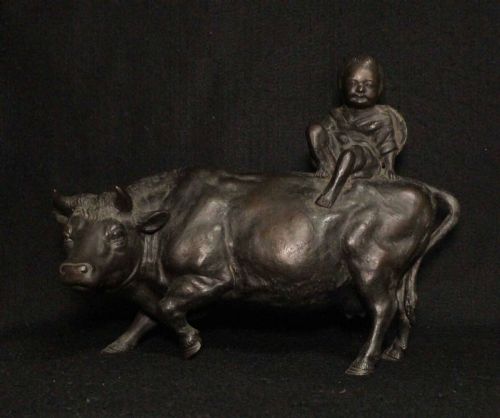
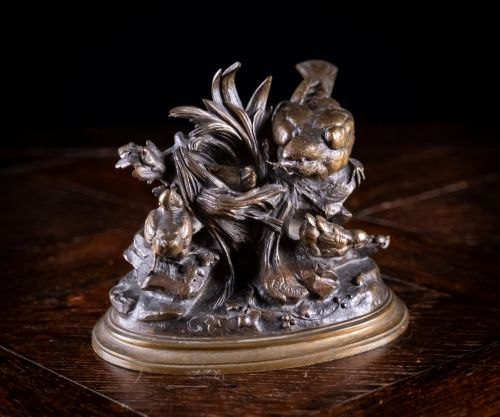
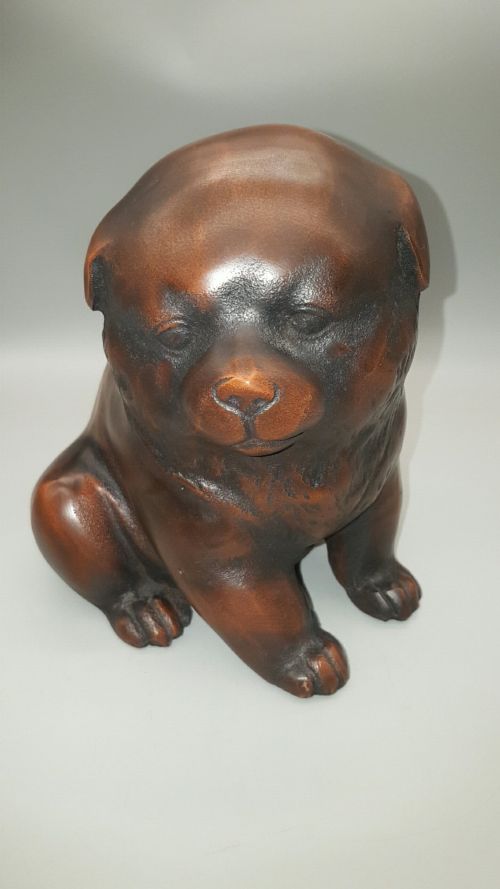
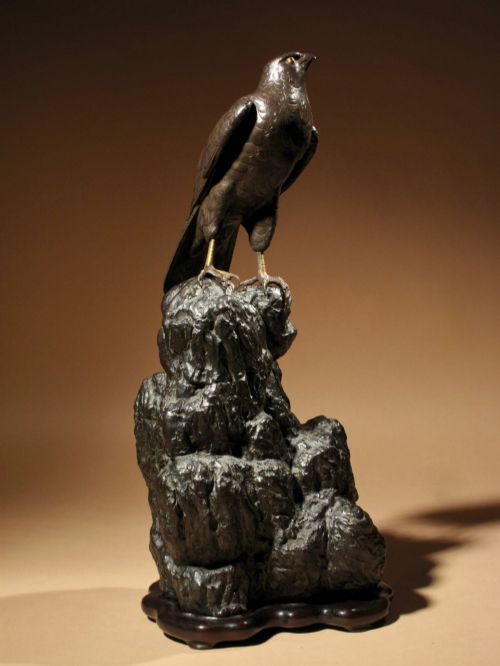
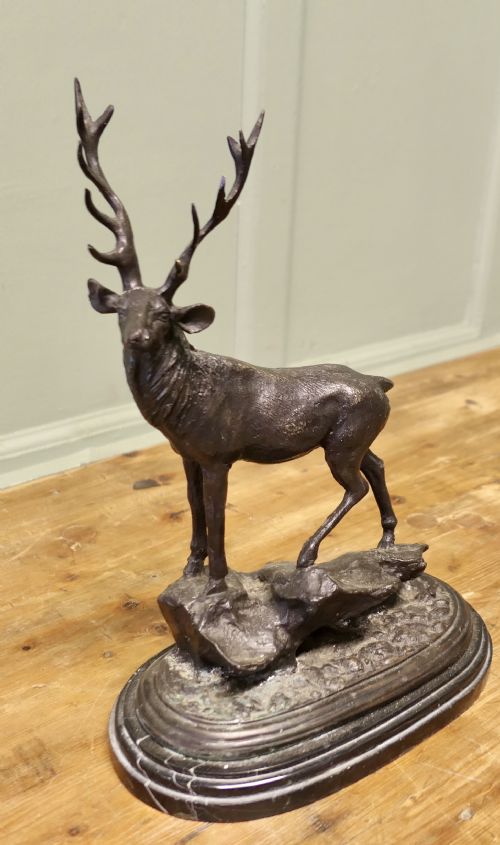
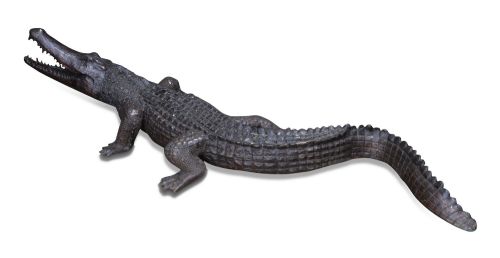
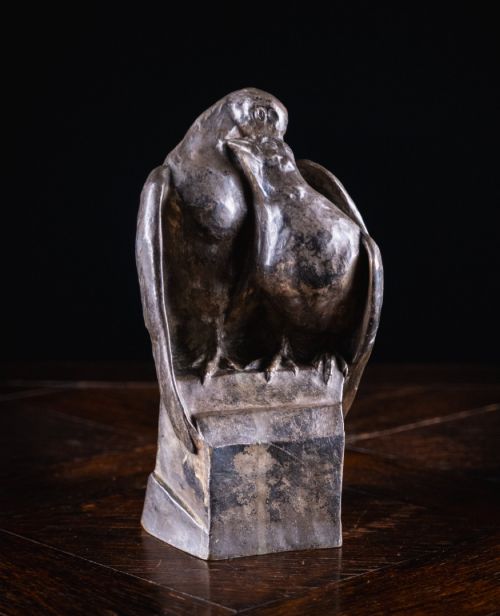
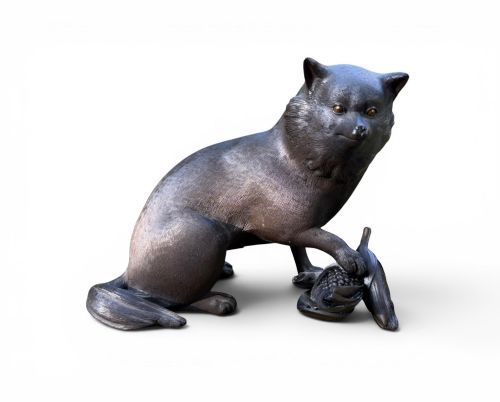
Bronze Animal Figurine
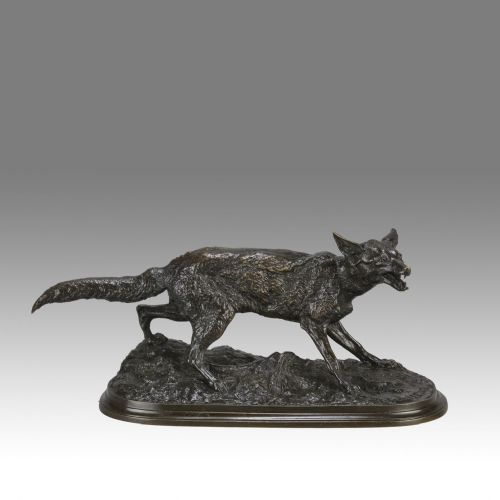
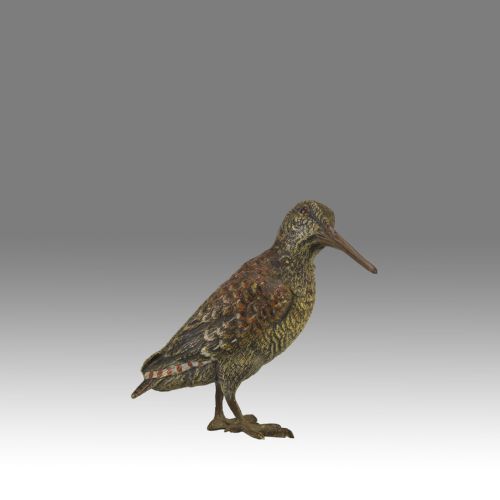
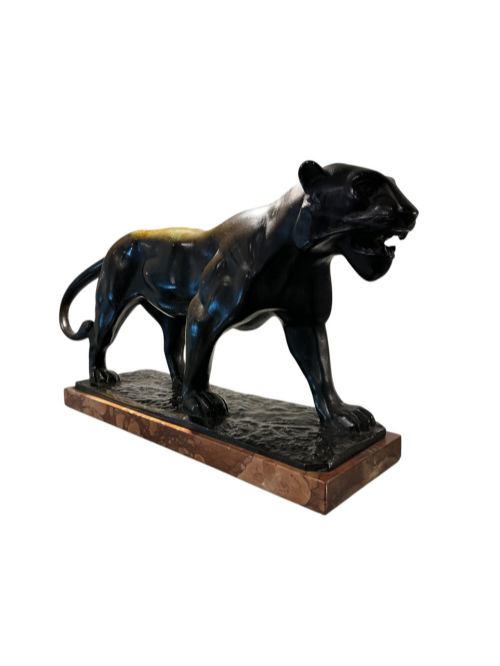
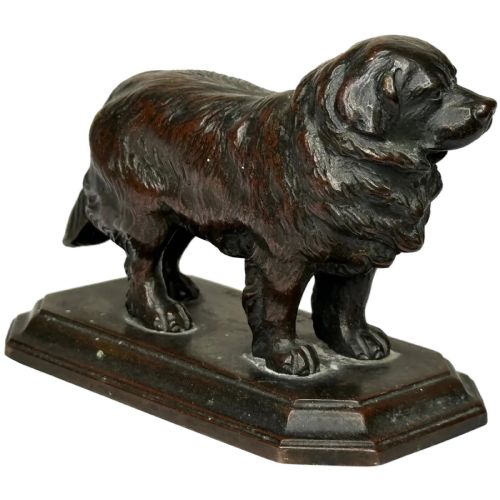
These bronze animal figurine pieces capture hounds, birds and panthers in metal, offering collectors tactile studies of anatomy from the nineteenth and twentieth centuries.
Bronze Animal Figurine
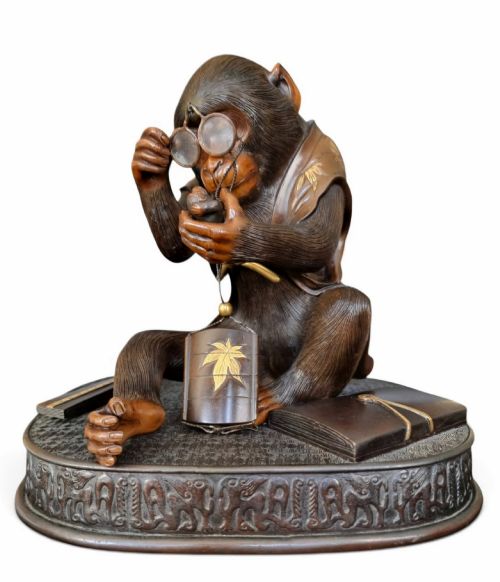
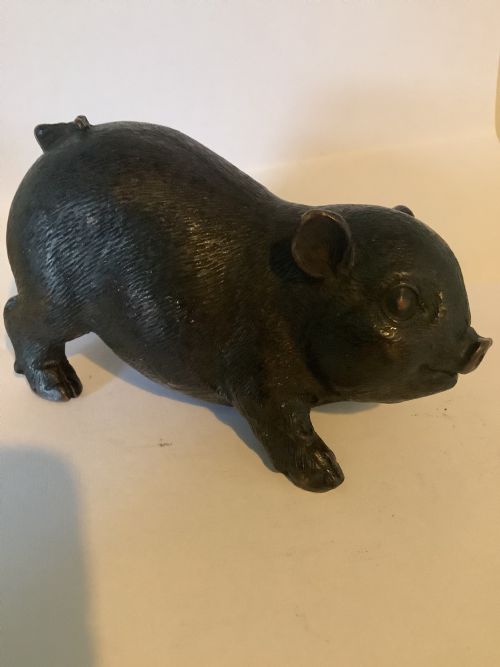
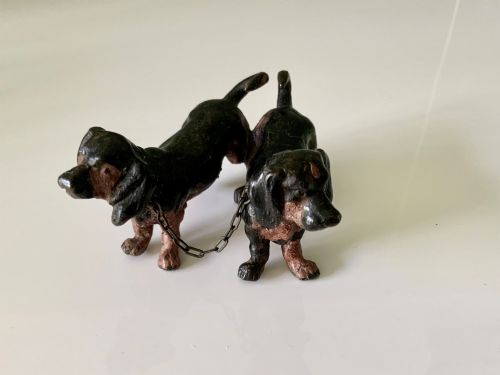
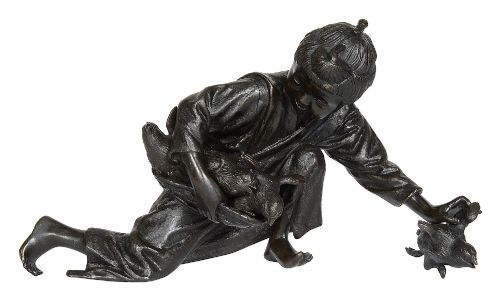
A bronze animal figurine brings domestic dogs, wild stags and exotic birds into three dimensions using durable metal alloys. You encounter domestic hunting hounds alongside Japanese okimono subjects like monkeys and rats.
The pieces on this page span the Victorian era, the Meiji period, and the Art Deco style, moving from naturalistic European foundry work to detailed Asian casting. Subjects range from miniature cold-painted birds to life-size crocodiles.
French Animalier school founders and Austrian cold-painting workshops dominate the offerings, alongside Japanese masters depicting everyday creatures with character.
Casting and Finishing Methods
Foundries utilised the lost-wax casting technique to capture fine fur, feathers and musculature in molten bronze before hand-chasing the cooled metal surface. This process allowed sculptors to achieve dynamic poses in beasts like leaping stags and prowling panthers.
Many Austrian and Viennese works received layers of polychrome paint applied over a cold metal base rather than being fired in a kiln. Other sculptures incorporate natural stone elements, mounting the heavy metal figures directly onto marble or onyx plinths.
Bronze Animal Figurine Retail Price Guide 2026
Typical asking prices for bronze animal figurine among the pieces listed under this phrase on Sellingantiques today, from the lower quarter to the upper quarter. They describe what is for sale here now, not the wider market.
Listings feature works spanning the Victorian era through the Art Deco period, utilising marble, onyx and polychrome paint alongside cast bronze.
Distinctions in Execution
Quality rests on the crispness of the chasing work and how accurately the anatomical proportions reflect the living creature. Superior casts retain sharp textural details in hair and plumage without softening from worn moulds.
The application of cold paint or patination creates another tier of distinction, where skilled brushwork preserves subtle colour gradients across feathers and fur. Integrated bases of veined marble or onyx also signal higher production investment.

P J Mêne·Franz Bergman·Christophe Fratin·Alexandre Ouline·Antoine Louis Barye·Alfred Barye·Kunio Itô·Prosper Lecourtier·Alfred Dubucand
The Bronze Animal Figurine Glossary
- Animalier
- A nineteenth-century artistic movement focused on the realistic depiction of animals, particularly predators and domestic dogs. Practitioners often captured beasts in motion or repose with anatomical precision.
- Cold-Painted Bronze
- A technique where bronze figures are painted with oil or enamel colours without undergoing a high-temperature kiln firing. This method was widely practiced by Viennese workshops.
- Okimono
- A traditional Japanese decorative figurine designed for display on a shelf or in a tokonoma alcove. These carvings and metal sculptures frequently portray animals, folklore figures or daily scenes.
- Patination
- The chemical treatment applied to the surface of bronze to alter its colour and create an aged finish. Common patinas range from deep rich browns to verdigris greens.
Bronze Animal Figurine: Frequently Asked Questions
What is an animalier bronze?
An animalier bronze is a nineteenth-century sculpture focusing specifically on the lifelike depiction of animals, birds, and livestock.
These pieces were produced in large numbers across European foundries to satisfy Victorian interest in natural history.
How do I clean cold-painted bronze?
Cold-painted bronze requires gentle dusting with a soft, dry brush to protect the delicate surface pigments from moisture damage.
Water and chemical cleaning agents will strip the original paint layers and ruin the finish.
Where were Vienna bronzes made?
Vienna bronzes originated in Austria during the late nineteenth and early twentieth centuries through specialised small-scale foundries.
Workshops like Franz Bergman produced humorous or realistic miniatures of wildlife and domestic pets.
What is a Meiji period okimono?
A Meiji period okimono is an ornamental Japanese sculpture created between 1868 and 1912 for interior display.
These bronze or mixed-metal objects often depict animals engaged in human activities with extreme attention to detail.