





British Naive Art
British naive art captures the unvarnished spirit of local life through direct brushwork and unpretentious charm.
British Naive Art
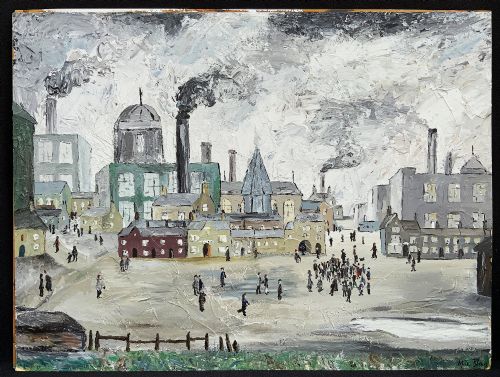
British naive art encompasses portraits, landscapes, and townscapes created outside the formal traditions of the academic academies. These works record regional subjects with a refreshing lack of perspective and proportion.
The selections span from the Georgian period through the nineteenth century and into the mid-twentieth century. Buyers encounter portraits of children and gentlemen alongside industrial townscapes and maritime scenes.
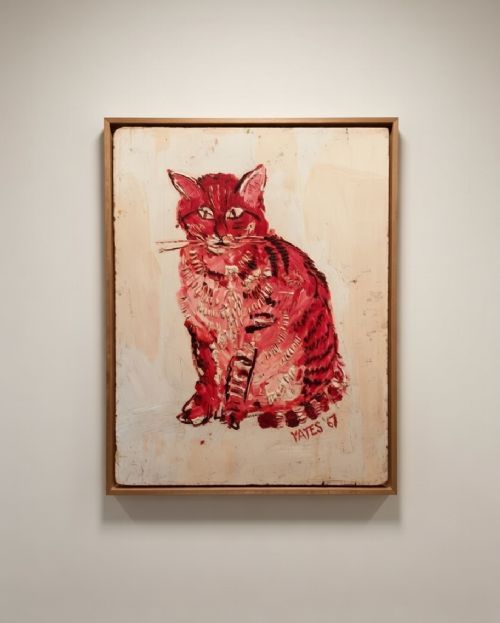
Most examples originate from provincial schools or unknown hands working in oil paint or watercolour. Pieces often celebrate everyday domestic animals, racing pigeons, and local characters with direct simplicity.
How they were made
Makers applied oil paint to various supports including canvas, wooden panels, board, and primed paper. Many works rely on simple framing methods appropriate to domestic provincial settings.
Artists utilised straightforward pigments and brushes to build up flat areas of colour without complex blending. Gold leaf occasionally appears on specific watercolours to highlight interior details.
Listings feature oil paint on canvas, board, and wood, spanning from the Georgian era through the nineteenth century and into the mid-twentieth century.
What varies in quality
The strength of british naive art lies in its expressive character and confident mark-making rather than anatomical correctness. Stronger pieces display a distinct personality in the subject and a harmonious balance of raw tones.
Condition varies depending on the original support, with canvas and wood panels showing different patterns of age. The preservation of the original surface pigment dictates the visual impact of each painting.
The British Naive Art Glossary
- Naive art
- Art produced by a self-taught artist working outside formal academic rules. These pieces prioritize expression and narrative over strict perspective.
- Folk art
- Traditional cultural expression created by community artisans or amateurs. This category encompasses utilitarian objects and vernacular paintings.
- Oil on panel
- A painting executed on a wooden board rather than woven canvas. Panels provide a rigid surface that often survives centuries in stable condition.
- Provincial school
- A regional group of makers working away from metropolitan art centres. Their output reflects local tastes and independent training methods.
British Naive Art: Frequently Asked Questions
What is british naive art?
It comprises paintings and dioramas made by self-taught or provincial artists working in Britain. The style avoids standard academic rules of perspective in favour of direct expression.
Subjects include portraits of children and gentlemen, maritime scenes, and industrial townscapes from various centuries.
How do I date these paintings?
Dating relies on costume details in portraits, the type of wooden panel or canvas used, and stylistic clues. Nineteenth-century works often show specific clothing and framing styles.
Inscribed dates or attributed names on the reverse also help establish the period of creation.
Where were these pieces made?
These works originated in provincial towns and rural communities across Britain. Makers recorded local landscapes, domestic interiors, and familiar animals.
Regional subjects like northern townscapes or specific sailing ships point to the exact areas where the artists lived.
How should I display them?
These paintings suit traditional and contemporary interiors alike because of their graphic simplicity. Hang them at eye level in rooms with stable humidity away from direct sunlight.
Pairing a portrait with a landscape creates a balanced gallery wall of vernacular work.