



Grey Impasto Canvas Painting
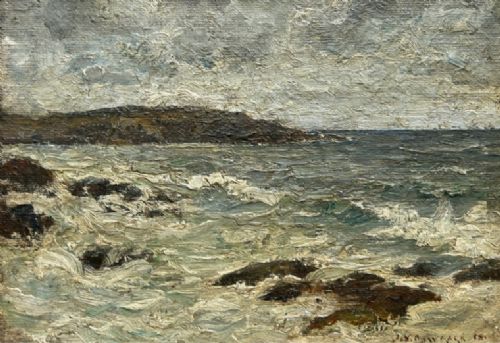
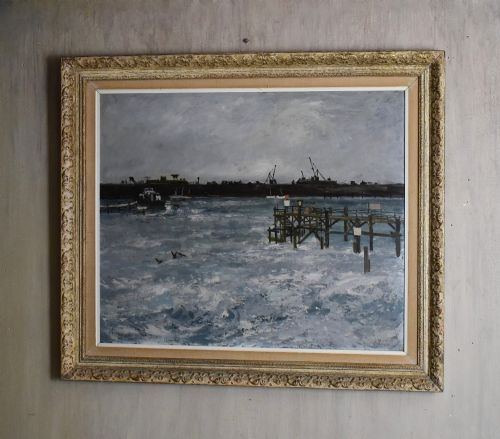
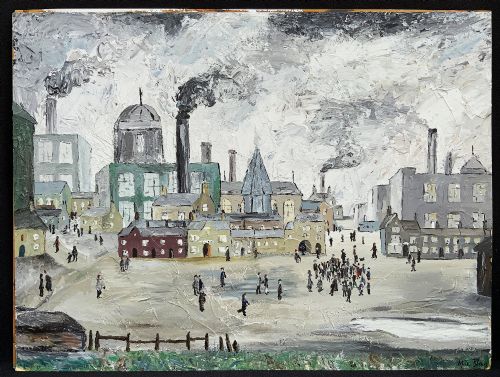
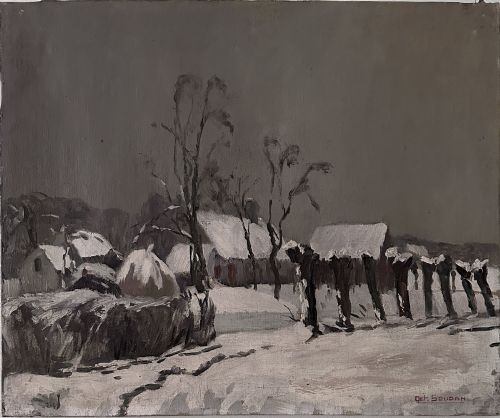
Grey impasto canvas painting works pigment into thick, raised surfaces on woven fabric, offering tactile depth and atmosphere to collectors of twentieth-century art.
Grey Impasto Canvas Painting
A grey impasto canvas painting represents a specific approach to texture and tone within twentieth-century art. Buyers seeking grey impasto canvas painting encounter works executed across several decades, spanning the late nineteenth century through the mid-twentieth century and beyond.
Works appear on various supports, including stretched canvas, board, and wood frames, reflecting the preferences of artists working in Britain and continental Europe.
How they were made
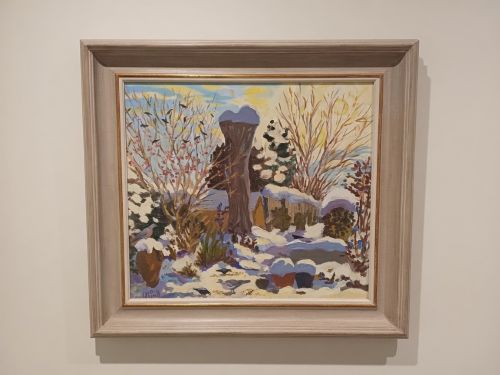
Makers apply oil paint thickly onto canvas or board, utilising brushes or palette knives to build physical ridges and textures. This impasto technique allows the pigment to stand proud of the woven support.
Artists combine oil paint with wood supports, board, and traditional canvas grounds, housed within wood frames. The interaction between dense paint layers and the underlying fabric creates varied surface weight.
Listings feature oil paint on canvas, board, and wood frames, spanning periods from 1890 through the mid-twentieth century.
What varies in quality
Quality rests in the handling of the medium and the confidence of the brushwork. Stronger examples display purposeful pigment application that defines form and light simultaneously.
The relationship between the heavy paint surface and the compositional structure distinguishes finer works from simpler decorative studies.
Kenneth Cozens·Lucy Pratt·Peter Brannan·Lilian Colbourn·Raymond Picque·Gaetan Dumas·Mercedes Legrand·Herbert Royle·Kershaw Schofield·E.Elliot
The Grey Impasto Canvas Painting Glossary
- Impasto
- Paint applied thickly to a canvas or board so that it stands out from the surface. This technique preserves the physical gesture of the artist's brush or knife.
- Canvas
- A closely woven heavy fabric utilised as a support for oil paintings. It provides the tensile strength required for heavy pigment applications.
- Post-Impressionism
- An artistic movement developing out of Impressionism that extends boundaries while retaining a focus on distinct visual qualities. Artists emphasise expressive form and colour.
- Mid-Century Modern
- A style reflecting design developments from the middle decades of the twentieth century. Works often embrace simplified forms and modernist principles.
Grey Impasto Canvas Painting: Frequently Asked Questions
What is impasto paint?
Impasto refers to paint laid on an area of a surface in very thick layers, usually thick enough that the brush or painting-knife strokes are visible. When dry, impasto provides texture, making the paint appear to pop out from the canvas.
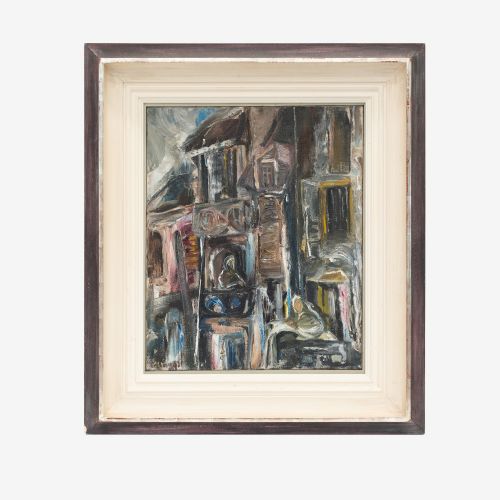
This technique is frequently encountered in twentieth-century oil paintings, adding a sculptural quality to coastal landscapes and townscapes.
How do I care for canvas paintings?
Canvas paintings require stable environmental conditions away from direct sunlight and extreme humidity fluctuations. Dust should be removed gently with a soft, dry brush.
Avoid using liquid cleaners on the textured surface of an impasto work, as moisture can damage the oil pigment and canvas ground.
Are these paintings framed?
Many works in this category retain their wood frames, which range from simple mouldings to period surrounds chosen by the artist or subsequent owners.
Frames protect the edges of the canvas and complement the overall visual weight of the heavy paint layers.
What periods do these pieces date from?
The selection spans from the late nineteenth century through the mid-twentieth century, including works from the 1920s, 1930s, 1940s, and 1950s.
Artists during these decades engaged with impressionist, modernist, and industrial subject matter using oil on canvas and board.