



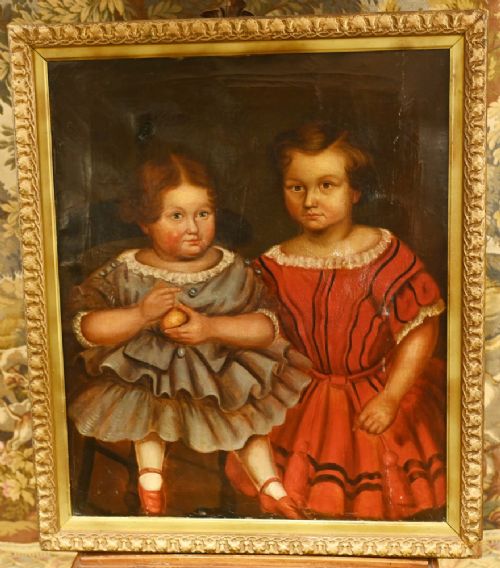


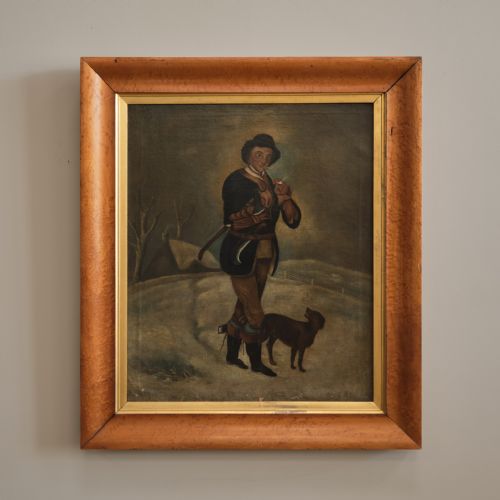


Naive Portrait Painting
A naive portrait painting offers a direct, unpretentious charm that academic art rarely matches.
Naive Portrait Painting
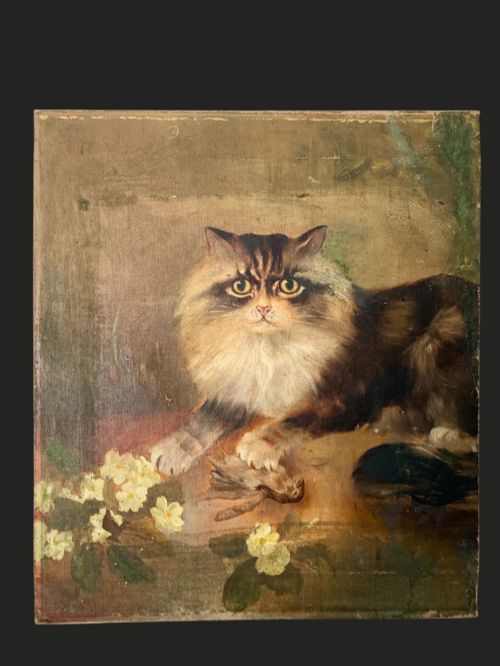
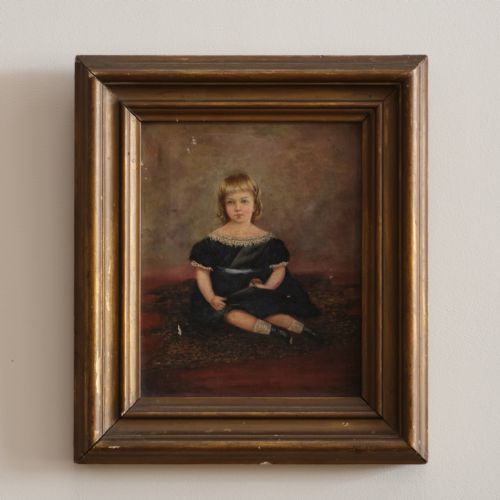
A naive portrait painting captures subjects with a charming disregard for academic perspective and proportion, focusing instead on character and directness. When searching for a naive portrait painting, buyers most commonly encounter nineteenth-century examples depicting children, gentlemen, ladies, and domestic animals.
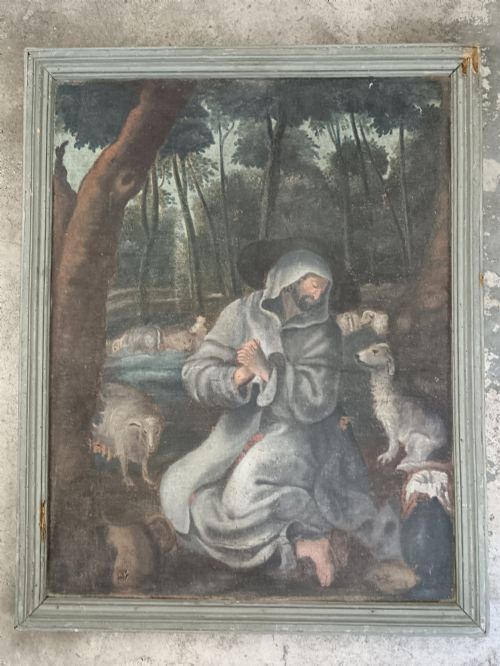
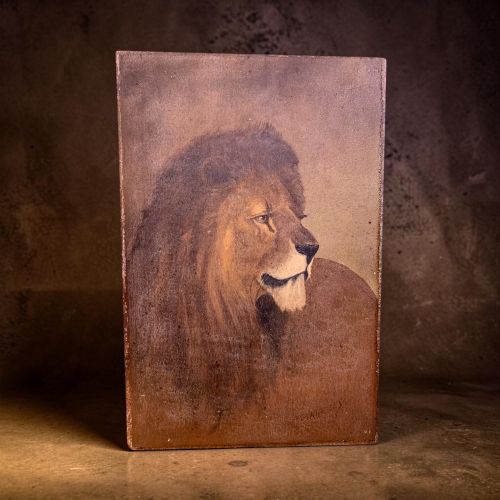
The inventory ranges from eighteenth-century panels to twentieth-century works, encompassing British, American, and European provincial schools. Alongside human subjects, animal studies such as cats, dogs, and cattle frequently appear within the folk art tradition.
How They Were Made
Artists painted primarily in oil on canvas, wood panel, and board, while others utilised watercolour on paper or ink. Materials reflect regional availability and the maker's means, sometimes including gold leaf or housed in rosewood and gilt brass frames.
Techniques rely on flat planes of colour and strong outlines rather than subtle tonal graduation. Painters focused on capturing telling details, such as clothing, books, or pets, rather than achieving anatomical accuracy.
Listings feature works spanning from the seventeenth century through to the 1960s, executed in oil, watercolour, and ink.
What Varies in Quality
The strength of a naive portrait painting lies in its intensity of characterisation and boldness of execution. Superior works balance the lack of formal training with a striking composition and confident brushwork.
Condition and originality play a significant part in the assessment of a piece. Untouched surfaces, original stretchers or frames, and legible contemporary inscriptions elevate the historical interest of the work.
J Brown·E H Windred·Fred Yates·Holley Bros·Bromberger
The Naive Portrait Painting Glossary
- Naive
- Art created by an artist without formal academic training, often characterised by a flat perspective and simplified forms.
- Folk art
- Cultural artwork created within a community, reflecting traditional crafts, local styles, and everyday life rather than academic standards.
- Primitive
- An early or rudimentary style of painting that predates or ignores sophisticated techniques of proportion and lighting.
- Pentimento
- A visible trace of an earlier painting, brushstroke, or correction that has been painted over by the artist.
- Provenance
- The chronological history of the ownership of a work of art, helping to establish its authenticity.
Naive Portrait Painting: Frequently Asked Questions
What is a naive portrait painting?
A naive portrait painting is a work created by an untrained or self-taught artist who prioritises expression and character over strict academic rules of proportion and perspective.
These pieces often date from the eighteenth and nineteenth centuries, depicting ordinary people, children, and pets with a distinct directness.
How do I date a naive portrait?
Dating relies heavily on the clothing, hair styles, and accessories worn by the sitter, alongside the materials of the canvas, stretcher, and frame.
Inscriptions on the reverse or accompanying documentation also help narrow down the period of execution.
Where were these paintings made?
These works were produced locally by provincial artists working across Britain, Europe, and America, often serving communities distant from metropolitan art centres.
Regional materials and distinct clothing styles frequently provide clues to the specific origin of the portrait.
How should I hang naive art?
Naive portraits suit both traditional period interiors and modern settings, where their bold colours and direct gazes create a striking focal point.
Keep them away from direct sunlight and damp environments to protect the historic canvas and pigments.