


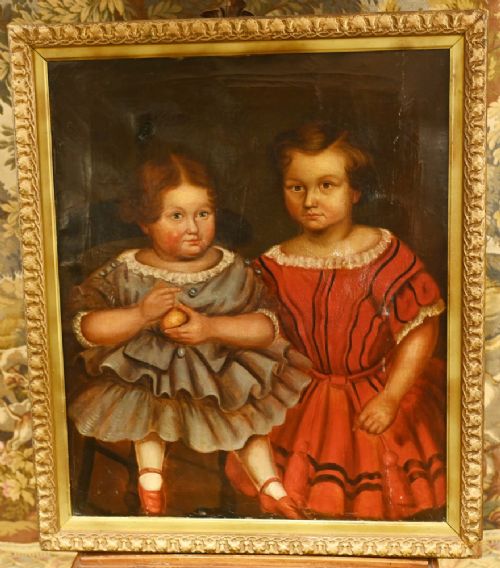

Naive Art Oil Painting
Naive art oil painting captures the unacademic charm and direct storytelling of historical painters working outside formal traditions.
Naive Art Oil Painting
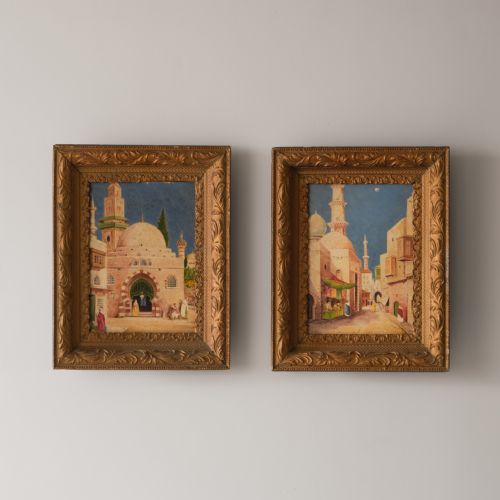
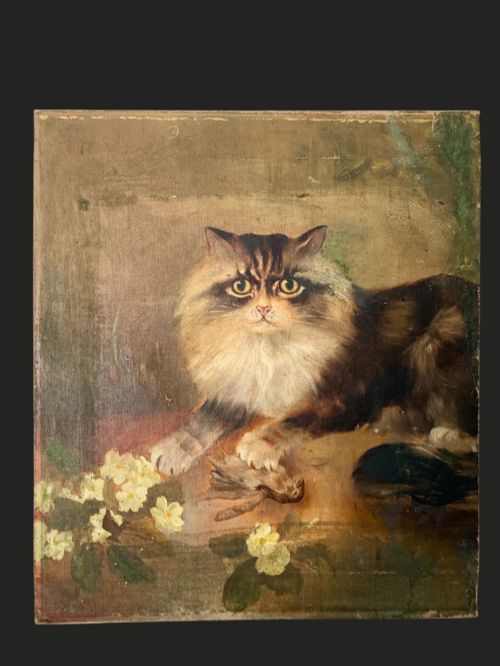
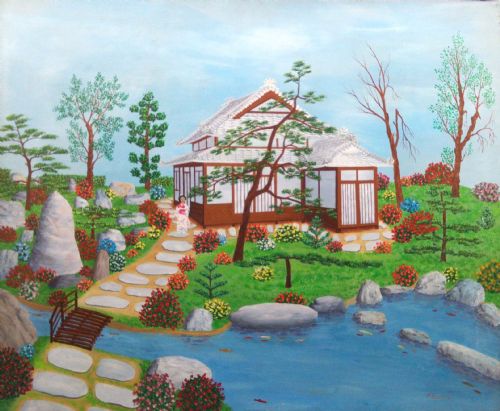
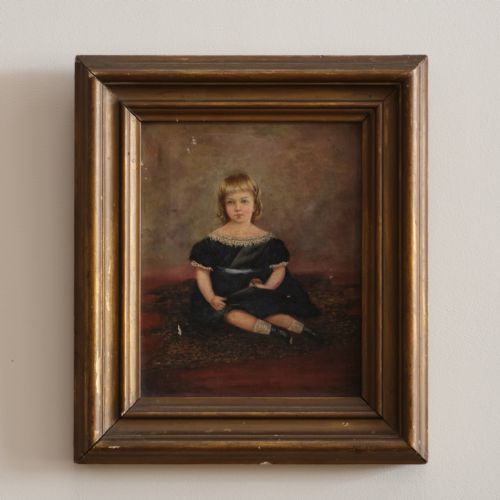
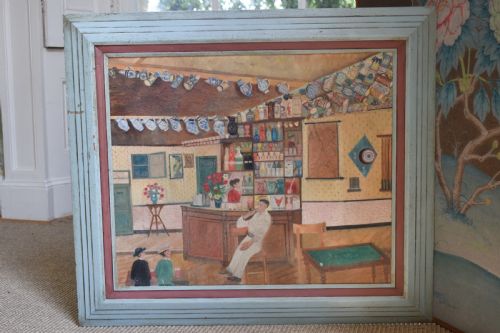
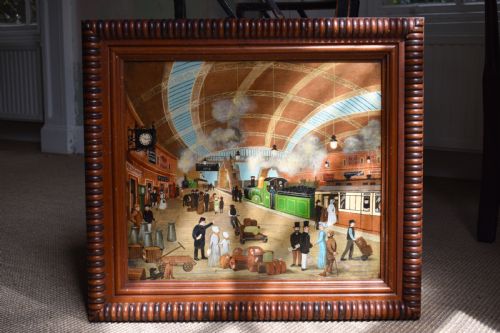
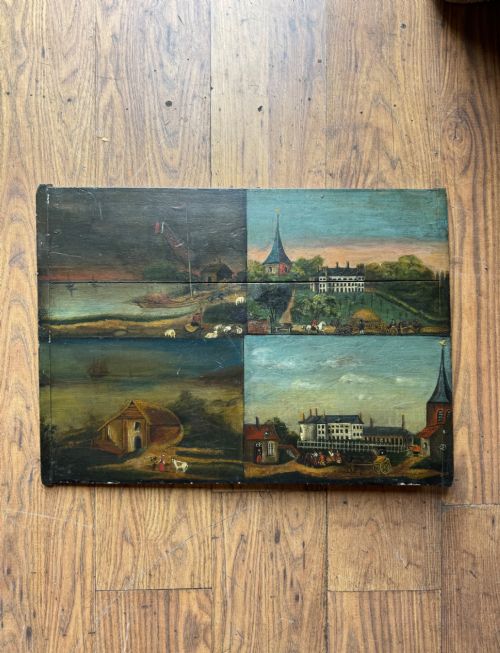
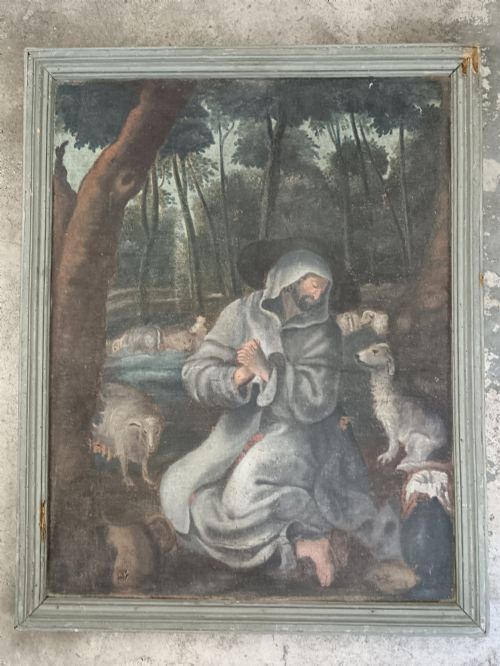
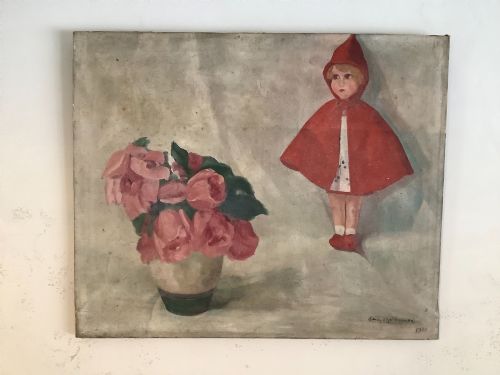
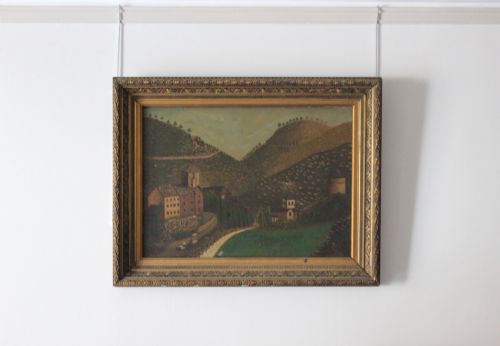
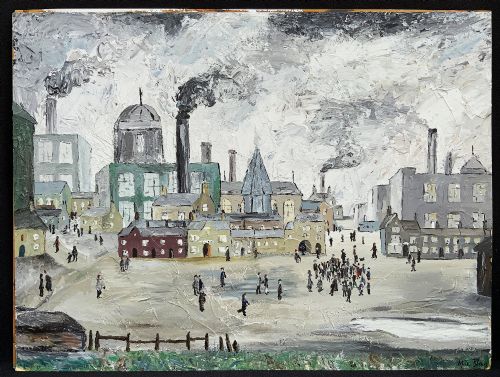
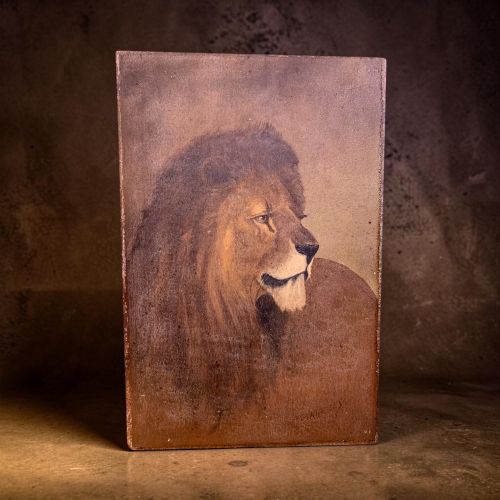
When you search for naive art oil painting, you encounter unpretentious canvases and panels created by self-taught hands across the centuries. The pieces on this page span British, European, and American origins, capturing subjects ranging from domestic portraits and animals to industrial townscapes and rural landscapes.
You are most likely to meet nineteenth-century examples on this page, often showing provincial life, portraiture, or topographical scenes. These works display a distinct lack of academic perspective, relying instead on personal vision, bold compositions, and expressive handling of paint.
The category encompasses folk art, primitive painting, and outsider art, all sharing a directness that formal academic art frequently lacks. Each piece records an individual perspective on everyday existence, whether that means a family group, a prize pigeon, or a horse and carriage.
How they were made
The works rely upon oil paint applied to canvas, wood panels, board, or tinplate, often framed in period gilt wood. Painters utilised straightforward supports readily available to them, sometimes painting over earlier compositions or working on both sides of a board.
Technique prioritises narrative and character over strict anatomical accuracy or vanishing-point perspective. Brushwork ranges from flat, solid blocks of colour to textured layers revealing pentimenti where the artist changed their mind during the process.
The selection includes British, French, Italian, Scandinavian, and American regional schools working within the naive tradition.
What varies in quality
Quality in these works rests upon the strength of the composition and the confidence of the mark-making rather than academic correctness. The most successful examples possess an unapologetic visual conviction that transforms technical limitations into expressive power.
Condition and originality also dictate the standing of a piece, with undisturbed surfaces and early frames carrying particular weight. Works that retain their original stretcher and unlined canvas offer a more direct connection to the creator's hand.
J Brown·Fred Yates·E H Windred·Gertrude Halsband·John Vine of Colchester·W Charaton
The Naive Art Oil Painting Glossary
- Naive art
- Art produced by a self-taught creator who operates outside the formal rules of perspective, proportion, and academic convention. These works charm through their direct observation and unstudied approach.
- Folk art
- Traditional cultural expression created within a community, encompassing utilitarian items and decorative paintings made by local makers. It reflects regional customs and domestic life.
- Pentimento
- An alteration in a painting, evidenced by previous strokes or shapes showing through the upper layers of oil paint. This phenomenon occurs as oil paint becomes more transparent over time.
- Primitive painting
- An older descriptor for early works displaying simplified forms and rudimentary techniques. It denotes an absence of classical training rather than a lack of sophistication.
- Outsider art
- Creative work produced by individuals situated entirely outside the mainstream art world, often marked by intensely personal iconography. The term embraces creators driven by an internal compulsion to make.
Naive Art Oil Painting: Frequently Asked Questions
What is a naive art oil painting?
A naive art oil painting is a work created by an artist without formal academic training, resulting in charmingly unconventional perspective and direct storytelling. These pieces bypass traditional rules of proportion to focus on personal expression and immediate visual impact.
You will find subjects ranging from domestic animal portraits and local characters to topographical townscapes and rural scenes. Each canvas records a unique viewpoint unclouded by the conventions of art academies.
How do I date a primitive oil painting?
Dating relies upon examining the materials, including the type of canvas, the construction of the stretcher, and the composition of the wood panel or board. Costume, hairstyles, and background architecture within the subject matter also provide reliable chronological markers.
Secondary evidence such as old handwritten labels, framing techniques, and historical inscriptions on the reverse help narrow the period further. Comparing the handling with documented examples by known regional makers assists in placing the work accurately.
Where were these paintings displayed?
Historical works typically hung in provincial homes, farmhouses, local businesses, and modest parlours rather than grand galleries. They served as personal mementoes, family records, or decorative statements chosen by local patrons.
Today, these pieces transition easily into modern interiors, bringing warmth and character to residential walls. Their unpretentious nature allows them to sit comfortably alongside both antique furniture and contemporary design.
Are folk art paintings signed?
Many folk art and naive paintings remain unsigned because the makers did not operate within the commercial gallery system that required signatures. Their creators viewed the work as a record or a functional item rather than an ego-driven fine art product.
When signatures or initials do appear, they often connect the piece to regional portraitists, jobbing painters, or talented amateurs. Attributions are frequently established through stylistic comparison, family provenance, or inscriptions found on the frame and reverse.