



Vintage Tavern Wall Art
These vintage tavern wall art pieces capture lively pub interiors and drinking scenes, offering rich historical character for country houses and dining rooms.
Vintage Tavern Wall Art
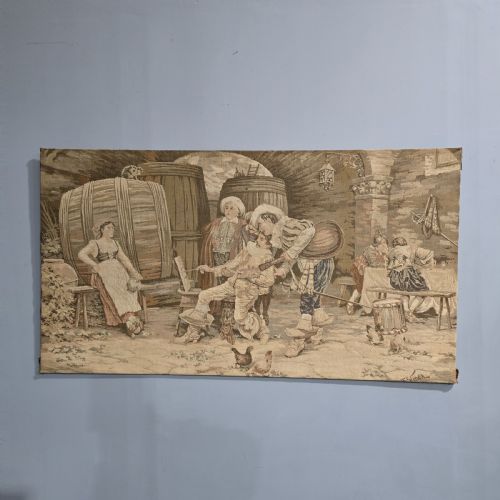
Vintage tavern wall art encompasses oil paintings, watercolours, framed prints, tapestries and mechanical dioramas depicting historic drinking houses and social gatherings. The selection ranges from early seventeenth-century Dutch and Flemish compositions to nineteenth-century interpretations and mid-twentieth-century scenes.
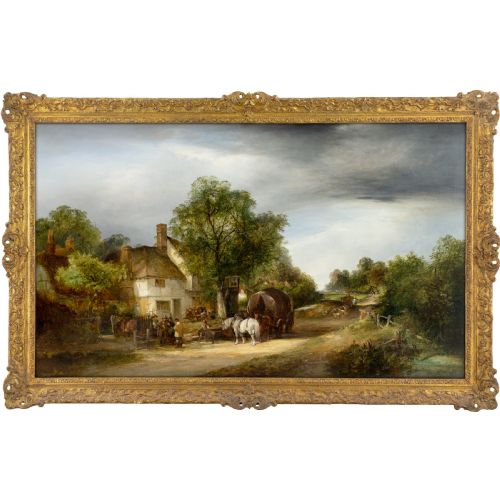
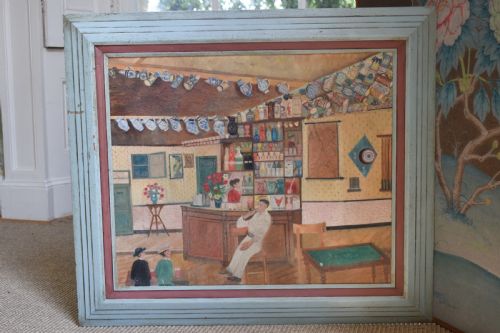
Buyers will encounter traditional oil on canvas works alongside paper prints and watercolours showing figures smoking, drinking and dining in rustic interiors. These pieces span Dutch Golden Age styles, Flemish Baroque, naive art, Edwardian sporting scenes and Victorian village life.
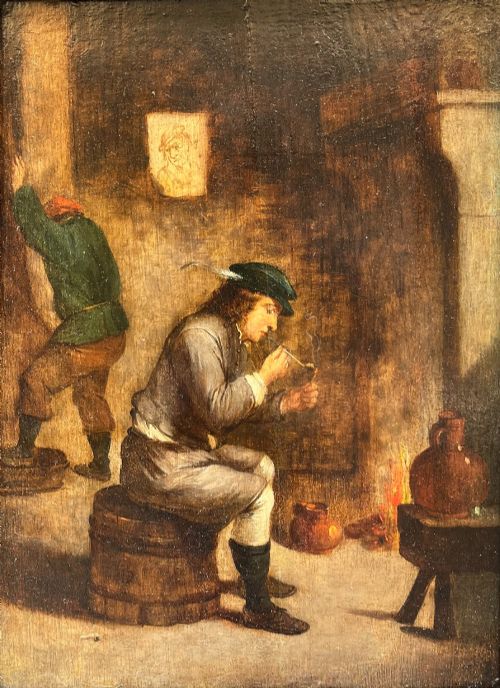
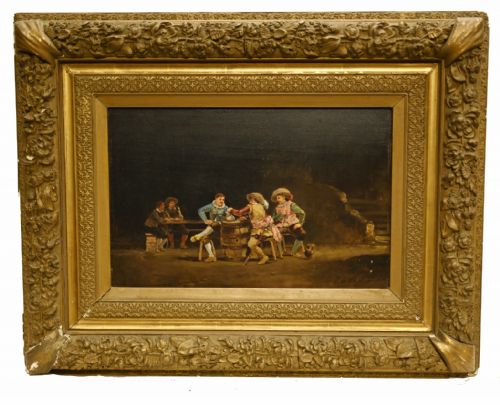
Subjects frequently record figures in seventeenth-century attire, musketeers, hunters, and local characters gathered around barrels or tavern tables. Such imagery creates an immediate focal point in domestic spaces seeking period warmth and narrative depth.
Materials and construction methods
Makers utilised oil paint on stretched canvas and wooden panels, employing chiaroscuro techniques to model interior light and shadow across shadowy drinking dens. Watercolours on paper and printed reproductions on paper capture finer illustrative details for domestic wall display.
Frames incorporate traditional wood and gilt wood mouldings, enclosing the painted surfaces or paper works securely. Heavier decorative formats include tapestries mounted on board and mechanical clockwork dioramas combining wood and glass components.
Listings feature oil paintings, watercolours, framed prints, tapestries and clockwork dioramas across wood, canvas, paper and glass.
Distinctions in quality
Quality rests upon the fidelity of the composition and the handling of light, particularly in works referencing seventeenth-century Dutch and Flemish masters. Stronger pieces display confident brushwork in oil or precise watercolour draftsmanship that animates the figures and interior architecture.
The sophistication of the support and framing contributes significantly to the overall presence of the piece, from simple wooden frames to elaborate gilt surrounds. Works produced by recognised illustrators or associated with established artistic circles demonstrate superior draughtsmanship compared to simpler decorative prints.
David Teniers·Ludolf de Jongh·Frank Dadd·Jan Steen
The Vintage Tavern Wall Art Glossary
- Chiaroscuro
- An artistic technique using strong contrasts between light and dark to give subjects a three-dimensional volume. This method is frequently observed in tavern scenes to illuminate central figures against dark interiors.
- Genre painting
- The pictorial representation of scenes from everyday life, typically depicting ordinary people in work or recreation. Tavern scenes form a prominent subcategory of this tradition.
- Gilt wood
- Wood that has been treated with a thin layer of gold leaf or gilt finish. Frames constructed in this manner add decorative weight to oil paintings and prints.
- Naive art
- Visual art produced by a self-taught artist lacking formal academic training. These works often feature flat perspective and direct expression.
- Diorama
- A three-dimensional partial scene set within a case, sometimes incorporating mechanical clockwork movement. Such pieces bring animated action to historic interior subjects.
Vintage Tavern Wall Art: Frequently Asked Questions
What periods do these pieces date from?
The selection includes works from the seventeenth, eighteenth, nineteenth and early twentieth centuries.
Earlier examples reference Dutch Golden Age and Flemish Baroque traditions, while later items reflect Edwardian and mid-century interpretations.
What materials were used?
Artists worked with oil paint on canvas and wood panels, alongside watercolours and printed paper.
Frames are typically constructed from wood, occasionally featuring gilt finishes, alongside board supports for tapestries and mixed media dioramas.
Where should I hang these pieces?
These works suit dining rooms, libraries, hallways and country house interiors where traditional character is desired.
Their rich interior lighting and social scenes complement wood panelling and period furniture.
How do I identify different styles?
Dutch and Flemish styles focus on deep shadow and expressive figures gathered around barrels or tables.
Later nineteenth and twentieth-century pieces often adopt illustrative approaches seen in sporting and genre watercolours or prints.