
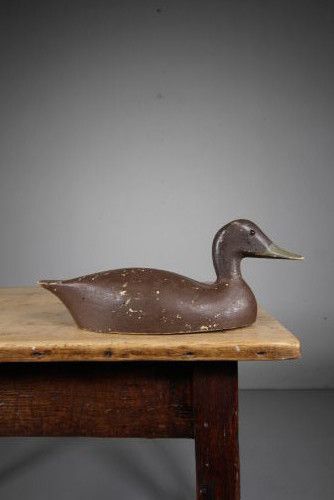

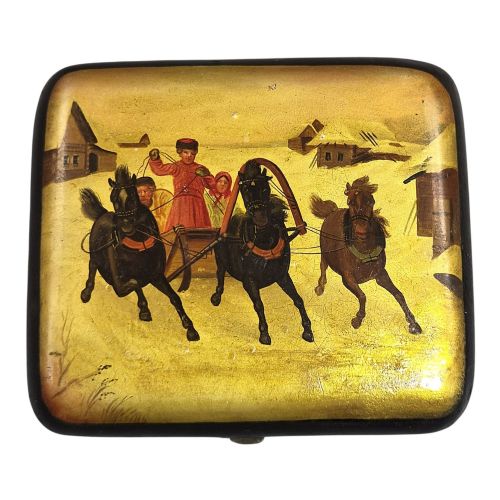
19th Century Folk Painting
When you search for 19th century folk painting, you encounter vernacular canvases, wooden panels and panels depicting animals, portraits and maritime scenes crafted outside academic traditions.
19th Century Folk Painting
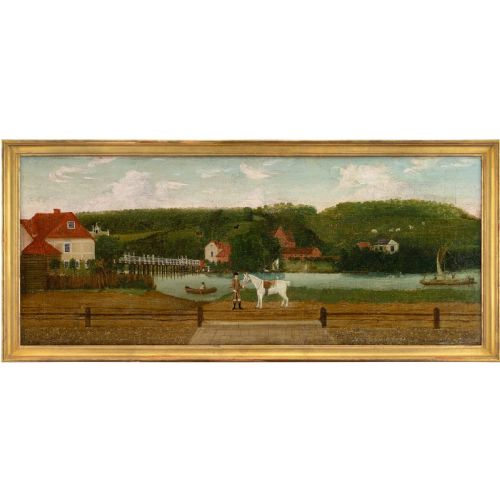
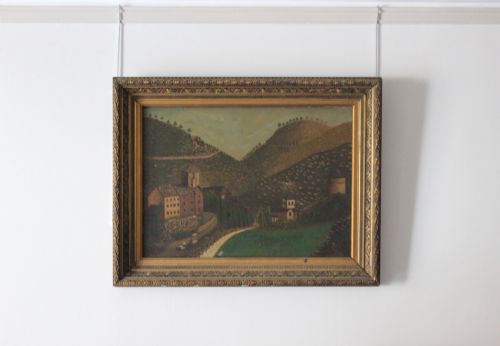
A 19th century folk painting typically records domestic portraits, regional landscapes and animal studies executed by self-taught or provincial artists working across Britain, Europe and America. These works lean toward direct observation and unpretentious perspective rather than the formal rules of the academies.
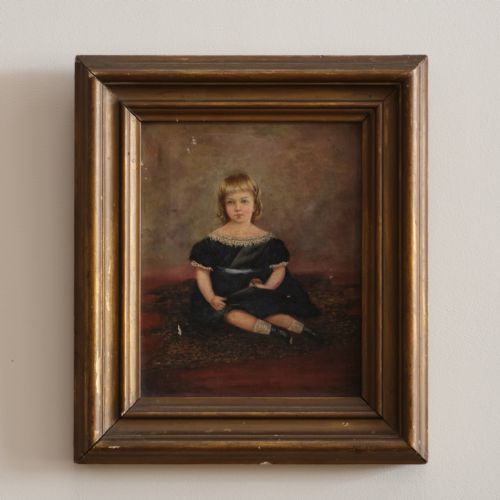
The category extends beyond flat canvas to incorporate painted surfaces on wood panels, reverse glass painting and decorative elements where pigment meets utilitarian objects. Portraits of children, pets and local characters dominate the survivals alongside maritime scenes and rural idylls.
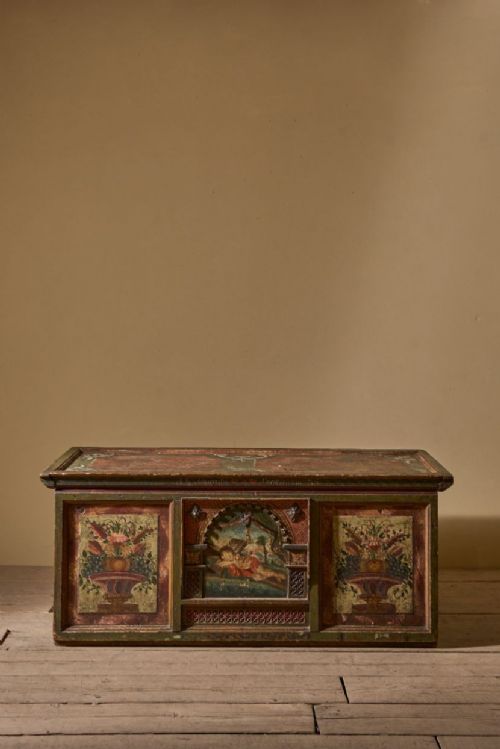
Regional variations emerge clearly across the grouping, from the bright florals and panel work associated with Scandinavian country pieces to the muted palettes of British and American naive school portraits. Each item carries the distinct hand of a provincial maker working within local traditions.
Materials and methods
Artists applied oil paint directly onto stretched canvas, prepared wood panels or timber boards using simple bristle brushes. The binders and pigments often reveal local availability, with oil on canvas and oil on panel remaining the standard media for portraits and narrative scenes.
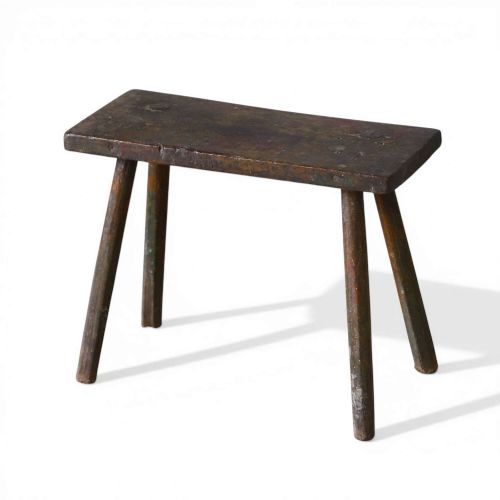
Many surviving examples incorporate secondary supports of pine, timber and iron, reflecting the utilitarian origins of the objects. Frames and stretcher bars were frequently constructed from whatever timber lay to hand in the workshop or household.
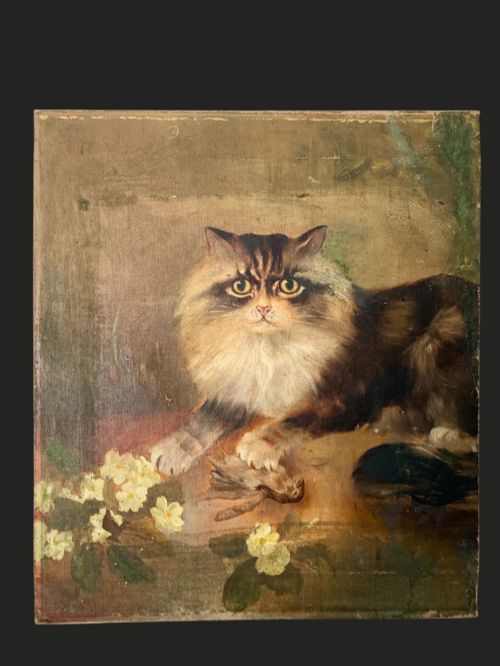
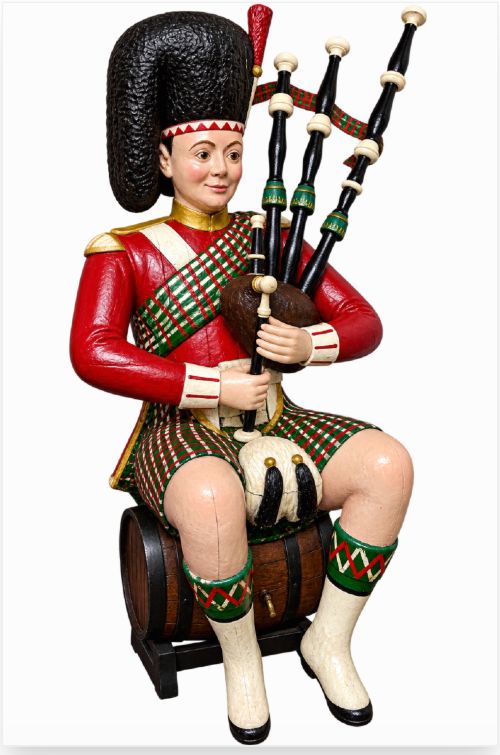
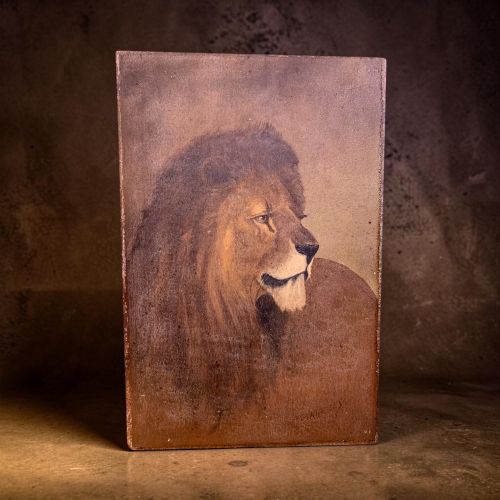
Cats, dogs, lions and bagpipers stare out from these canvases with absolute indifference to academic proportions.
Judging quality in provincial art
Quality rests upon the confidence of the brushwork and the expressive power of the composition, where awkward anatomy often yields to striking visual rhythm and charm. The retention of original surface pigment without heavy overpainting dictates the integrity of the piece.
The strength of the subject's characterisation separates routine provincial output from compelling folk art. Works that maintain strong tonal contrast and untouched surface patination capture the attention of experienced collectors.
Vishnyakov Workshop·James Kyd·John Berney Crome·J Syer·James Aumonier·Charles Randell·J G Zobel
The 19th Century Folk Painting Glossary
- Naive art
- Art produced by a self-taught artist lacking formal academic training. This style often disregards standard perspective and proportion in favour of direct expression.
- Oil on canvas
- Pigment suspended in a drying oil applied to a woven fabric support. This was the primary medium for easel paintings throughout the period.
- Oil on panel
- Pigment applied to a rigid wooden board or panel rather than fabric. Panels often provide a smoother surface for detailed provincial work.
- Reverse glass painting
- An artwork created by applying paint to the back of a glass sheet and viewing the finished image through the front. This technique produces a glossy finish and protects the pigment from atmospheric damage.
19th Century Folk Painting: Frequently Asked Questions
What defines a naive painting?
A naive painting is created outside academic traditions by an artist without formal training. These works typically display flat perspective, bold outlines and direct emotional honesty.
Makers focused on capturing the essence of a sitter or scene rather than adhering to strict rules of anatomy and proportion.
How do I spot original paint?
Original paint surfaces show natural wear, fine craquelure and consistent fading matching the age of the support. Close inspection under magnification reveals the absence of modern synthetic binders.
Layers beneath the surface should match historical pigment use for the region and period specified.
Were these paintings framed originally?
Many provincial works were housed in simple wooden mouldings made by local joiners or carpenters rather than grand gilded frames. Some panels and boards were designed to fit directly into architectural settings or simple wall mounts.
Original frames, where present, often show matching wear and patination to the artwork they enclose.
Why do proportions often look unusual?
Provincial painters prioritised narrative clarity and symbolic importance over optical accuracy. Hands, heads or objects might be enlarged to emphasise their significance within the composition.
This departure from realism forms the core appeal for collectors who value individual expression over academic correctness.