


Antique Naive Art
Antique naive art encompasses sincere, unacademically rendered paintings and objects that charm through direct observation and honest domestic skill.
Antique Naive Art
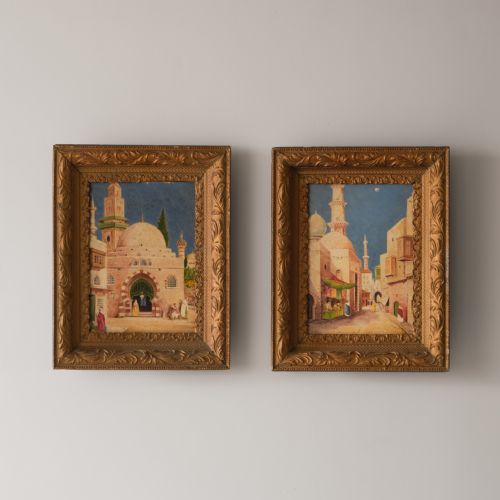
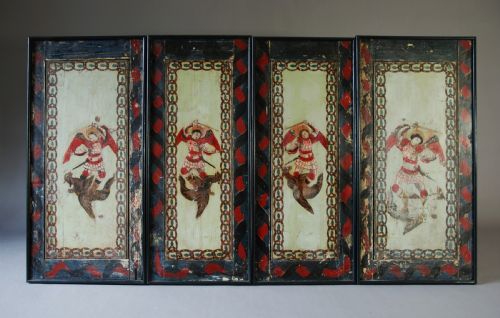
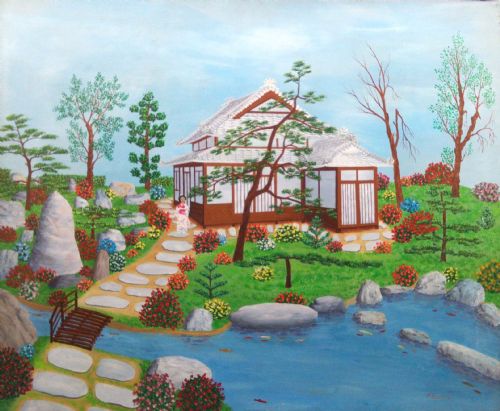
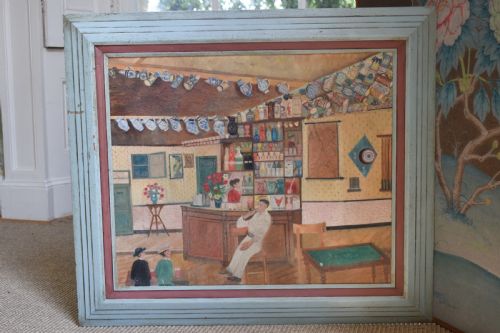
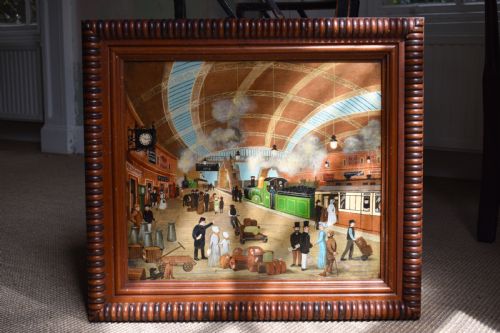
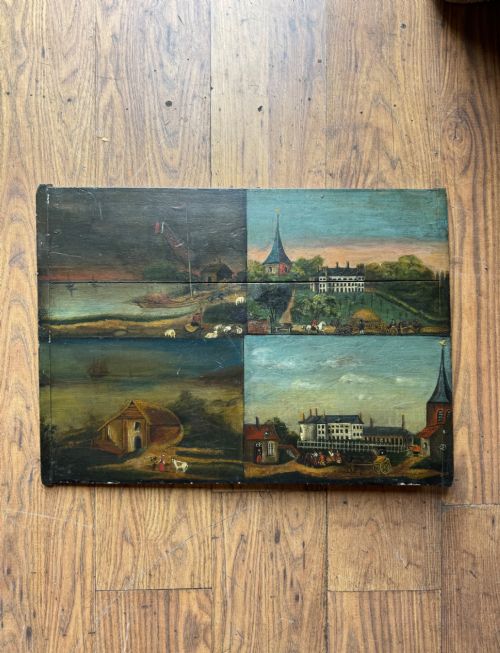
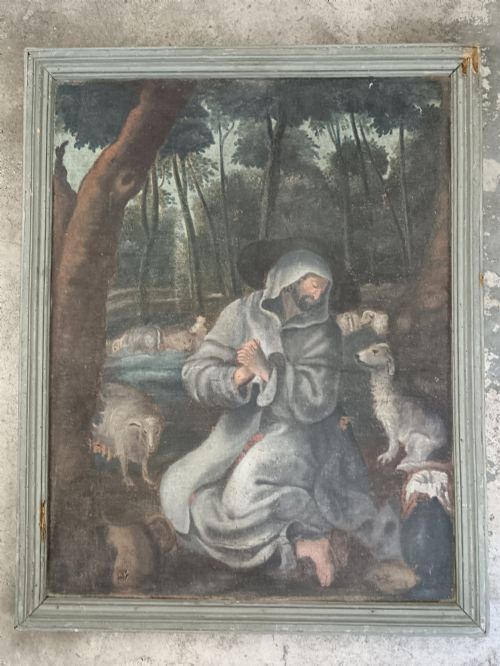
When you search for antique naive art, you encounter a diverse selection of oil paintings, carved wooden figures, and decorative panels spanning from the eighteenth century to the mid-twentieth century. The category embraces British, American, and European folk traditions where makers prioritized expressive narrative over strict academic perspective.
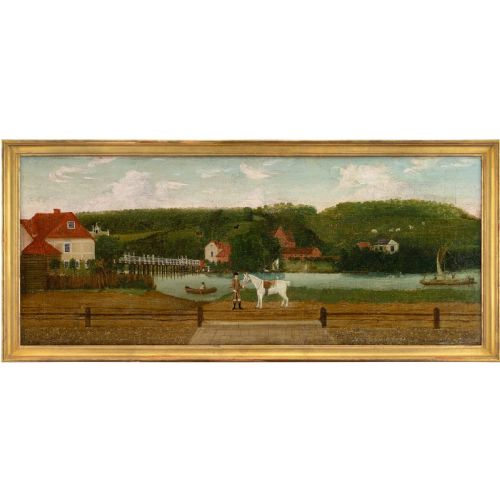
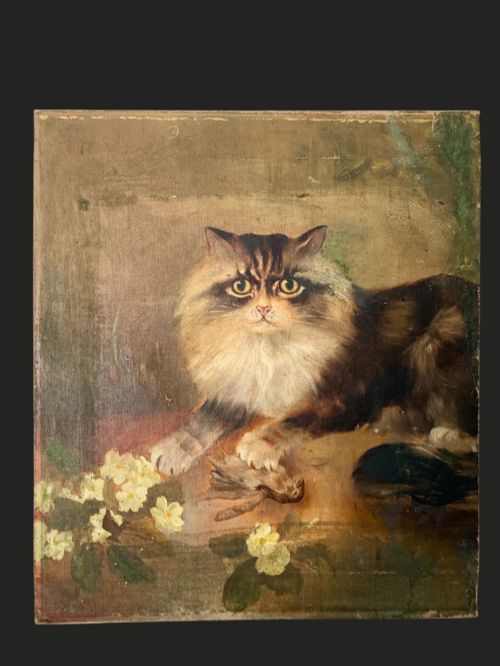
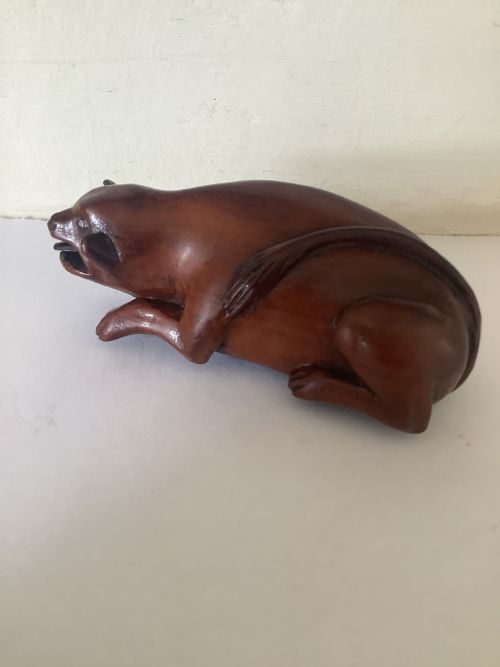
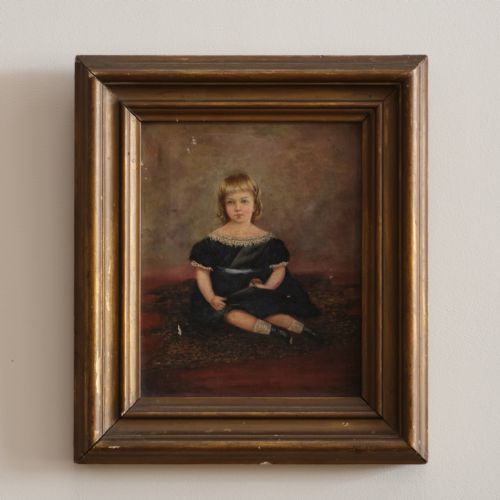
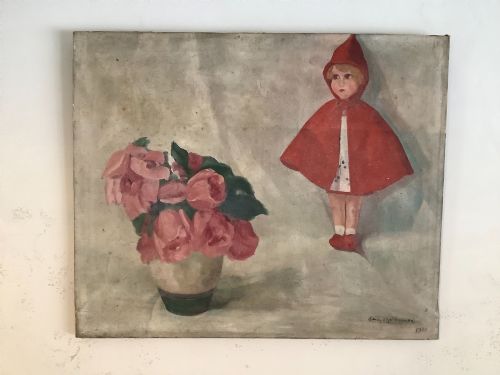
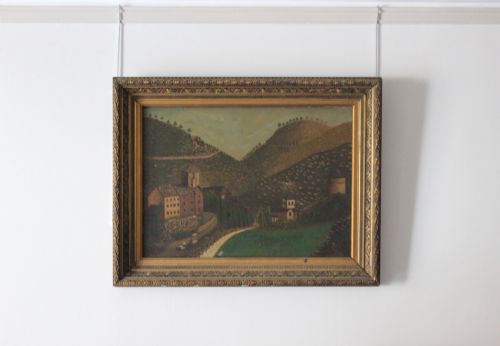
The versions you are most likely to meet on this page include oil portraits of children and animals, topographical townscapes, and carved wooden objects such as toys and snuff boxes. These pieces originate from provincial workshops and untrained hands, offering a direct window into historical domestic life.
Makers recorded everyday scenes, local landmarks, and family pets with distinctive charm and untutored technique. Whether rendered on canvas, wood panel, or copper, antique naive art relies on bold outlines and flat planes of colour to convey immediate character.
How they were made
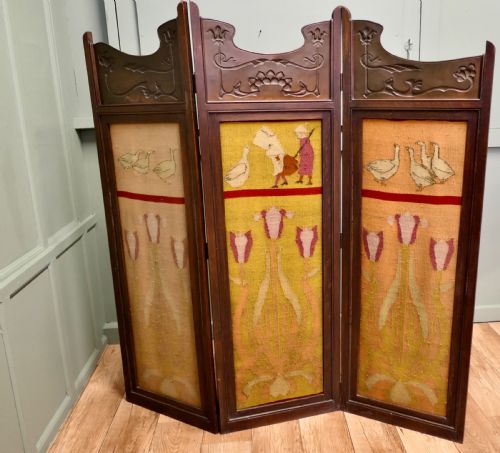
Makers utilised available local materials, applying oil paint and pigment directly onto canvas, pine panels, and paper surfaces without standard academic preparation. Woodcarvers worked with native timbers to produce sculptural forms, small boxes, and folding screens finished with painted details.
Techniques relied on intuitive skill rather than formal training, resulting in flat perspective, disproportionate scale, and vibrant colour palettes. Artisans often enhanced their work with practical finishes, incorporating metal hinges, wool panels, and gold leaf highlights to complete domestic objects.
Several naive portraits capture subjects posing alongside unexpected companions, including racing pigeons, border collies, and a wooden-legged gentleman.
What varies in quality
Quality rests in the intensity of expression and the confidence of the maker's hand, where bold brushwork and characterful proportions elevate a piece above mere clumsiness. The most successful examples combine untutored charm with a strong compositional rhythm that holds the viewer's attention across the entire surface.
The survival of original surface paint and untouched patination dictates the desirability of wooden objects and canvas works alike. Pieces retaining their early pigment layers offer a truer historical record than those subjected to later restoration or over-painting.
J Brown·Fred Yates·E H Windred
The Antique Naive Art Glossary
- Folk art
- Art produced from an indigenous cultural tradition or by untrained artisans working outside academic conventions. It encompasses utilitarian objects and decorative pieces made for domestic or community use.
- Pentimento
- An alteration in a painting, evidenced by traces of previous work, showing that the artist changed their composition during the process. This phenomenon often reveals underlying forms through thin layers of aged oil paint.
- Primitive
- A descriptive term for art produced in a style devoid of conventional perspective and academic refinement. Such works rely on direct observation and simplified forms.
- Provenance
- The chronology of the ownership, custody, or location of a historical piece. Establishing this history helps confirm the authenticity and geographical origin of provincial works.
- Topographical
- Depicting a specific locality, landscape, or townscape rather than an imaginary scene. These artworks serve as historical records of specific buildings and regional environments.
Antique Naive Art: Frequently Asked Questions
What defines antique naive art?
These pieces are created by self-taught or provincial makers who worked outside formal academic traditions. They are characterised by direct observation, unpretentious charm, and a distinct lack of strict perspective.
Collectors prize them for their honesty and the intimate glimpse they provide into historical domestic life and local culture.
How were these paintings and objects used?
Many items served practical functions in historical homes, from painted wooden boxes and folding screens to birthing stools and decorative wall panels. Portraits and townscapes were displayed in domestic interiors to record family members, pets, and local landmarks.
Over time, these functional objects transitioned into decorative pieces appreciated for their visual storytelling and regional character.
How do I live with antique naive art?
These works blend easily into contemporary and traditional interiors because their honest forms and muted historical palettes complement diverse design schemes. Placing a provincial oil painting or carved wooden figure in a living space adds warmth and historical texture without overwhelming the room.
Protect them from direct sunlight and excessive humidity to preserve the original oil paint and aged wooden surfaces.
How can I tell periods apart?
Distinguishing periods relies on observing the materials, framing techniques, and stylistic conventions recorded in the physical construction. Eighteenth-century pieces often feature heavy pine panels and earth pigments, while nineteenth-century works frequently utilise stretched canvas and more vibrant colour palettes.
Examining the backing boards, fixings, and canvas weave helps narrow down the era of manufacture.