



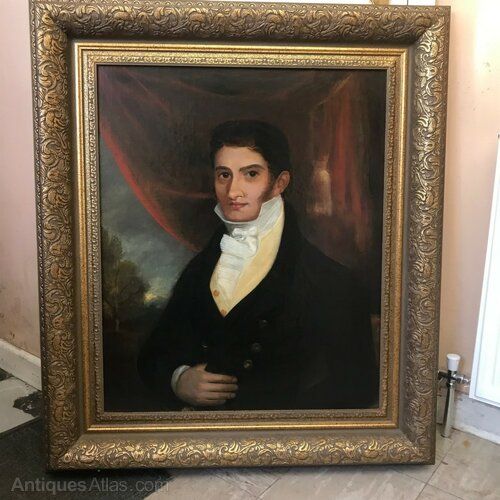
Georgian Wall Painting
When you examine a georgian wall painting, you encounter the portraiture and landscapes that defined interiors of the eighteenth and nineteenth centuries.
Georgian Wall Painting
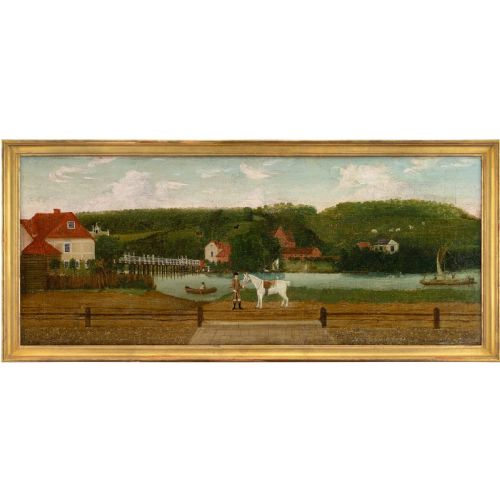
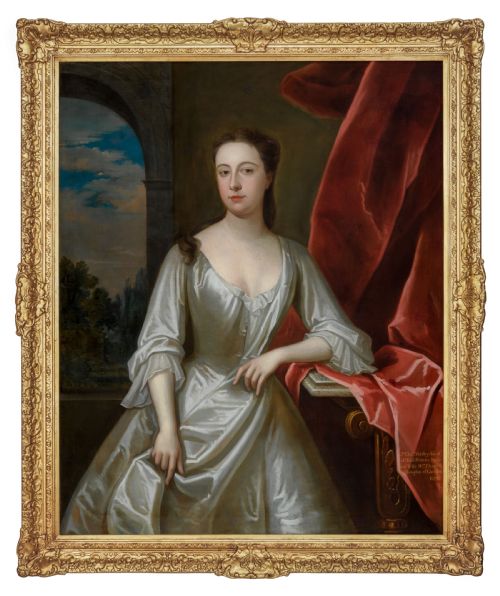
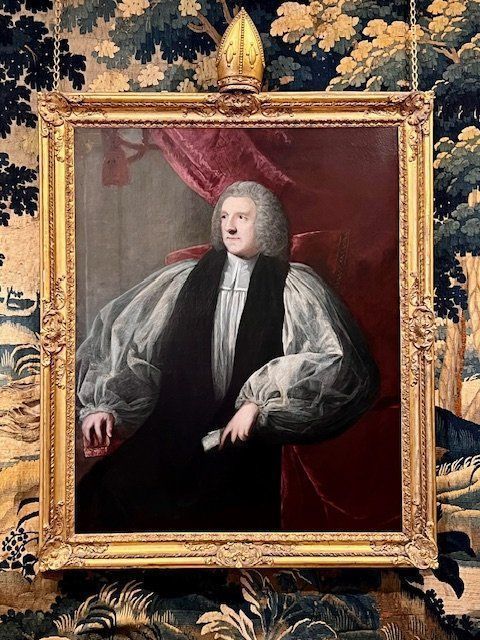
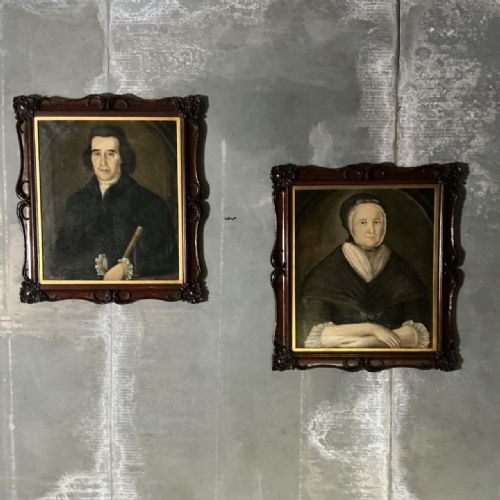
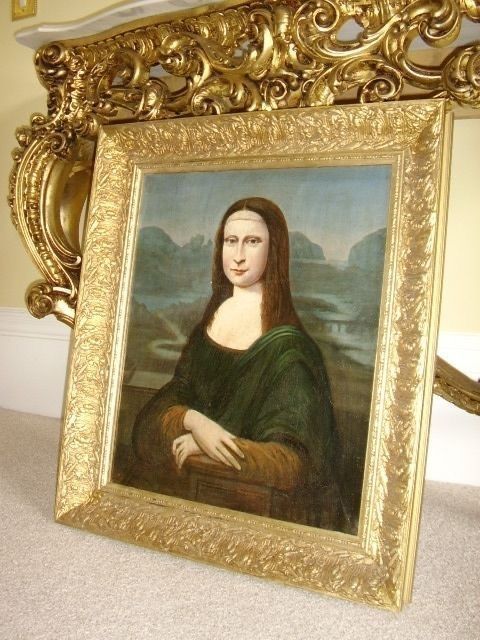
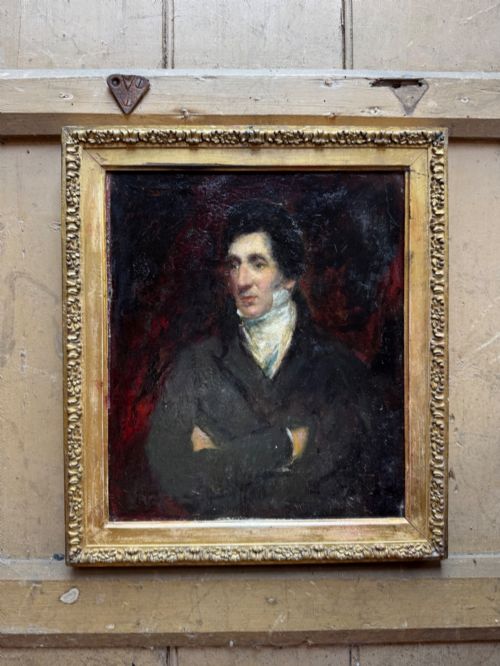
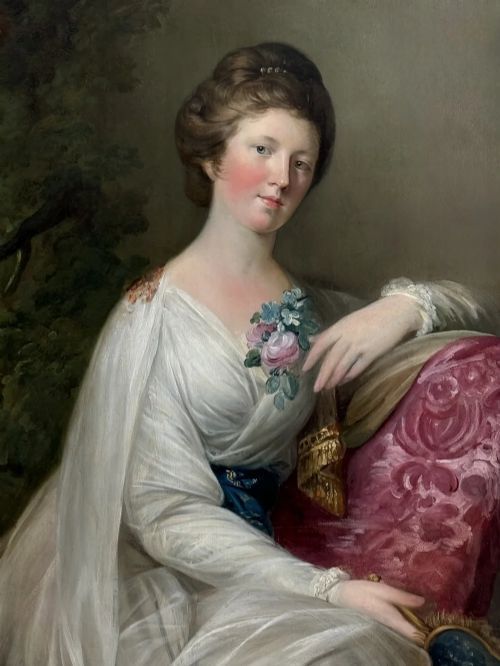
A georgian wall painting encompasses oil on canvas portraits, landscapes, and fine art pieces originating primarily from the eighteenth century, Regency period, and nineteenth century. You will frequently encounter formal oil portraits depicting historical figures, military officers, and landed gentry alongside scenic landscapes with cattle and figures.
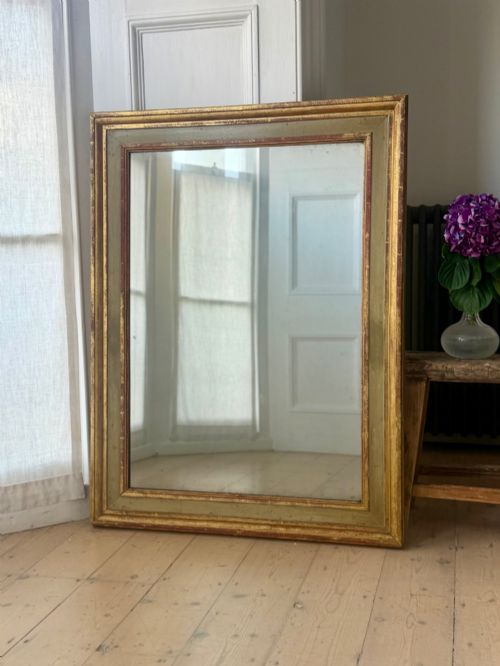
The selection extends to related wall furnishings and decorative items, including giltwood mirrors, reverse painted mezzotints on glass, and corner cabinets that complement period interiors. These works record the shifting tastes of British and European artists through classical, baroque, and neoclassical styles.
Most examples date from the 18th and 19th centuries, though related works stretch from the seventeenth century through to 1900. The primary forms remain framed oil paintings and panel portraits created by established studios and regional schools.
How they were made
Makers built these pieces using oil on canvas or wood panel, applying layers of pigment to prepared grounds framed by wood, gilt, or gold leaf. Artists utilised traditional oil techniques to build depth in portraiture and landscapes, while reverse glass painters applied colours behind glass plates.
Decorative elements often incorporated hand-carved giltwood or painted wooden frames, sometimes housing mercury glass in mirrors or delicate enamel work. Cabinet makers and painters employed japanning and gilding to finish complementary interior items like corner cupboards and console tables.
Listings feature works spanning the 17th Century to 1900, with an emphasis on 18th Century oil portraits and Regency watercolours.
What varies in quality
The standard of a georgian wall painting rests upon the execution of the brushwork, the anatomical accuracy of portrait subjects, and the handling of light and shadow within the composition. Master works from known artists or their immediate circles display superior pigment layering and facial expression compared to anonymous provincial copies.
Framing and material preservation also dictate the standing of a piece. Original giltwood surrounds, intact canvas stretched without excessive relining, and well-preserved reverse glass mezzotints separate superior survivors from heavily restored examples.
Sir Godfrey Kneller·Sir Joshua Reynolds·Joseph Clover RA·Michael Dahl·Thomas Murray·Lemuel Francis Abbott·Stickland Lowry·Charles Spooner·Hendrik Willem Schweickhardt·Thomas Barker of Bath·Benjamin Barker of Bath·Charles D'Agar·Jean Baptiste Van Loo
The Georgian Wall Painting Glossary
- Oil on Canvas
- A traditional painting medium where pigments bound in drying oil are applied to stretched fabric. This was the primary substrate for formal portraiture and landscapes during the period.
- Giltwood
- Wood carved and coated with a thin layer of gold leaf or metallic powder. It was extensively used for decorative frames and wall mirrors.
- Reverse Glass Mezzotint
- A print or painted image applied to the rear surface of a glass plate and viewed from the front. This technique created a distinct glossy finish popular in eighteenth-century interior decoration.
- Japanning
- A European imitation of East Asian lacquering applied to furniture such as corner cupboards. It involved layering varnishes and curing them under heat.
Georgian Wall Painting: Frequently Asked Questions
How do I identify a period frame?
Period frames are constructed from timber, often carved and finished with gold leaf or gesso rather than modern composite materials. They show age through minor shrinkage cracks and mellowed gilding.
Examining the reverse reveals hand-cut joinery and old fixings that correspond to the eighteenth or nineteenth century.
Were these paintings always hung in parlours?
While formal portraits and landscapes frequently occupied principal reception rooms and stairwells, smaller works hung in bedrooms and private studies. Panel paintings and mirrors fitted domestic spaces according to their scale.
Owners arranged them to reflect light from windows and demonstrate lineage or taste to visitors.
How should I care for oil paintings?
Keep works away from direct sunlight and sources of rapid temperature fluctuation to prevent canvas slackening and paint cracking. Dust frames gently with a dry, soft brush.
Avoid applying water or cleaning solutions directly to the painted surface or gilt surrounds.
What is the difference between an original and a studio piece?
An original painting is executed entirely by the named master's own hand. Studio pieces or works by followers are produced under the master's supervision or by pupils using the primary composition.
Both categories date to the same era but carry different attributions in inscriptions and records.