



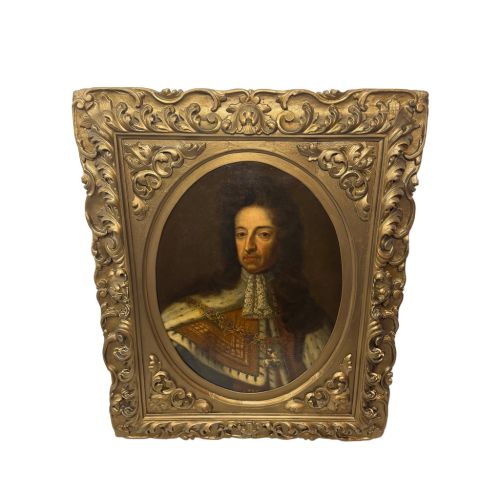
Oval Framed Wall Portrait
When you search for an oval framed wall portrait, you look for a likeness preserved in glass, pastel, and oil on canvas.
Oval Framed Wall Portrait
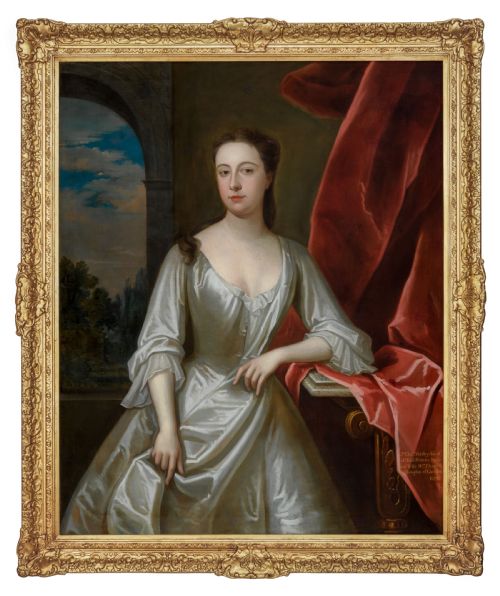
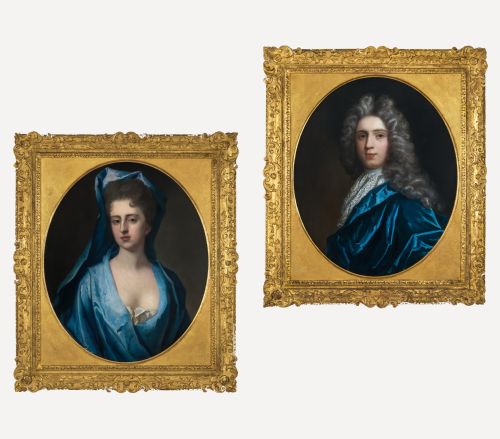
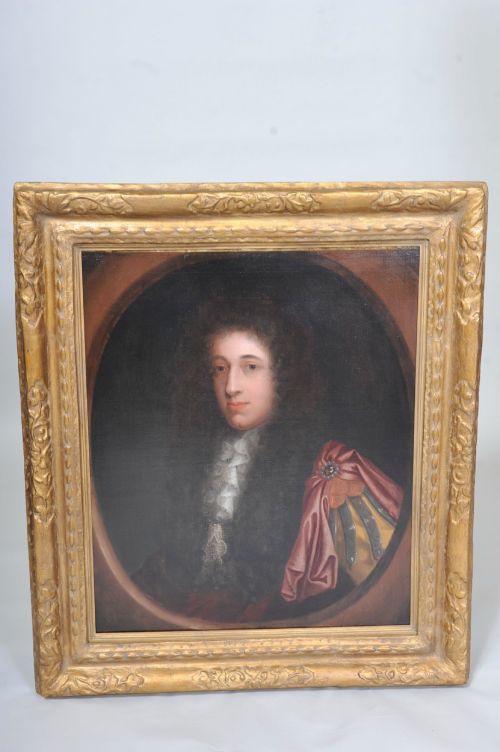
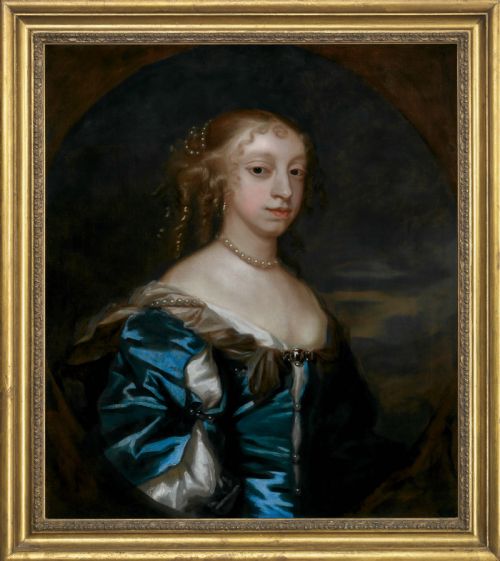
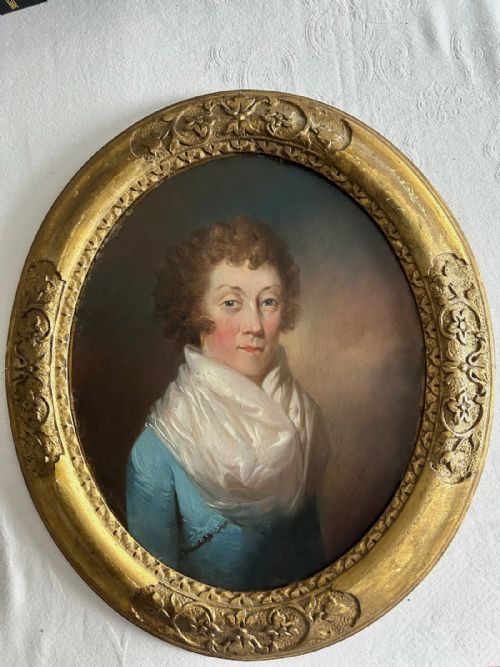
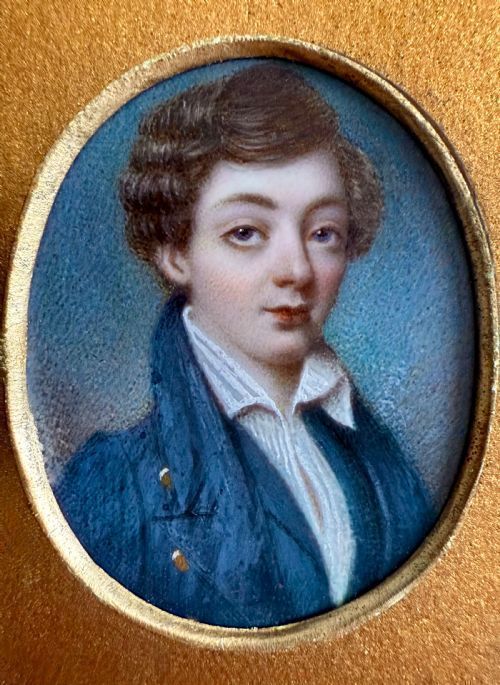
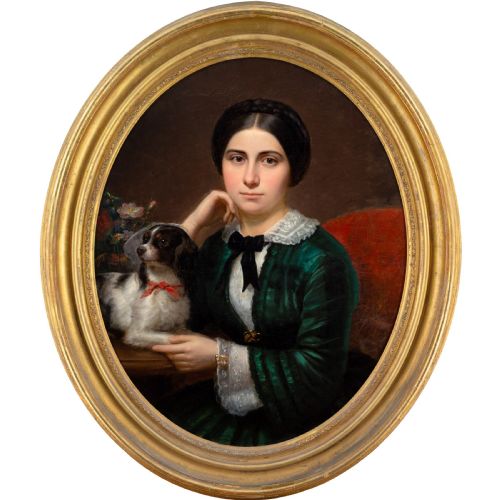
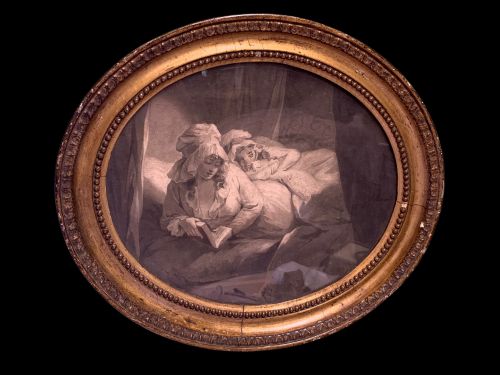
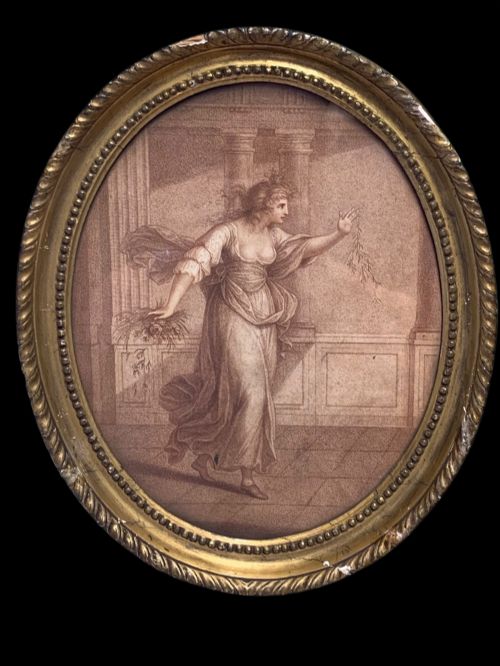
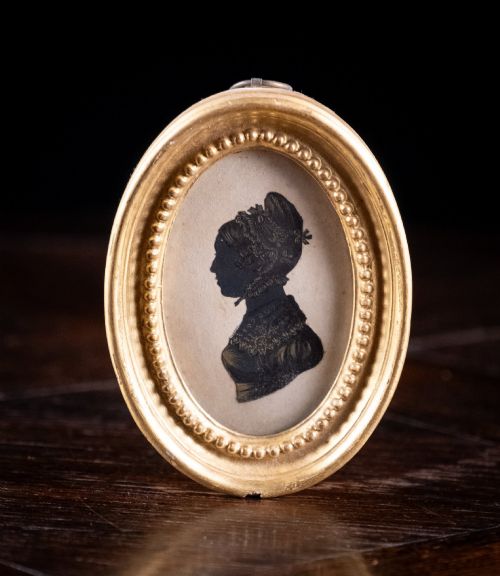
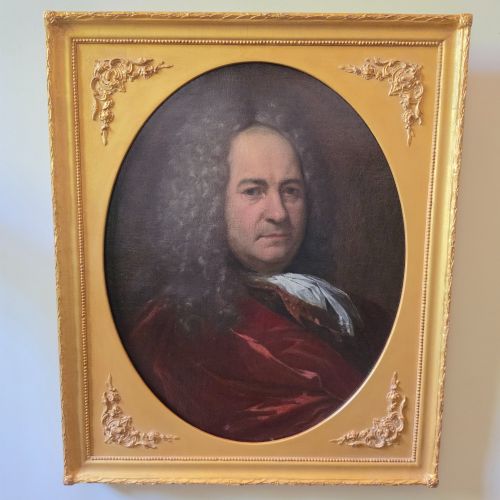
An oval framed wall portrait captures the likeness of a sitter through various historic media, designed specifically for vertical wall display within curved enclosures. These pieces range from intimate 18th-century portrait miniatures to large oil paintings on canvas produced across the 17th, 18th, and 19th centuries.
The format relies on distinct periods such as the Georgian, Regency, and Victorian eras, often executed by named artists and regional schools. Buyers frequently encounter works framed in period wood, giltwood, and gesso that complement the rounded compositions.
The selection encompasses diverse artistic expressions, including stipple engravings, enamel plaques, watercolours, and silhouettes. Each item reflects the portraiture traditions of British and European schools spanning several centuries.
Materials and construction methods
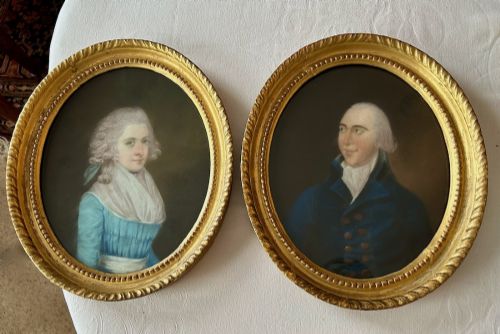
Makers applied oil on canvas, pastel, and watercolour to capture fine facial details, frequently mounting the works behind protective glass. Frames were constructed from carved wood, ebonised materials, and giltwood utilising gold leaf applications.
Techniques varied from delicate plumbago and stipple engraving to enamel firing on copper plaques. Artisans built curved wooden and gesso structures precisely shaped to fit the distinct oval geometry of each portrait.
Listings feature works spanning the 17th, 18th, and 19th centuries, utilising oil on canvas, pastel, watercolour, and glass.
Factors of quality and execution
The preservation of the original medium, whether pigment on canvas, delicate pastel, or fragile paper, dictates the physical integrity of the piece over centuries. The harmony between the artwork and its period-correct frame preserves the historical context of the object.
Sir Godfrey Kneller·Dumini Leopoldo·Michael Dahl·Thomas Murray·John Smith·Allan Ramsay·John Russell·Thomas Beach·Pieter Borseler·Jeremiah Davison·Thomas Gainsborough·Louis Icart·Emily Eyres·John Taylor·William Millar
The Oval Framed Wall Portrait Glossary
- Plumbago
- A delicate drawing technique executed with graphite, popular in the 17th and 18th centuries for creating finely detailed monochrome portraits.
- Stipple engraving
- A printmaking method using dots of varying density to render tonal gradations and soft flesh tones.
- Giltwood
- Wood carved and coated with gold leaf or gold paint, frequently used for ornate period frames.
- Gesso
- A plaster-like mixture applied to wood frames to create a smooth surface for subsequent gilding and moulding.
- Portrait miniature
- A small, highly detailed painting or drawing, often created on vellum, ivory, or card during the Georgian and Victorian periods.
Oval Framed Wall Portrait: Frequently Asked Questions
How do I date an oval portrait?
Dating relies primarily on the sitter's costume, wig style, and the construction methods of the frame. Examining the canvas preparation and backing materials further reveals the period of creation.
Stylistic cues such as 18th-century lace collars or Regency hairstyles offer immediate benchmarks for the decade of execution.
Were these always hung on walls?
Most examples featuring dedicated hanging loops or heavy frames were intended for wall display from the outset. Smaller miniatures occasionally served as pocket items before later finding placement in wall frames.
Domestic interiors of the Georgian and Victorian eras routinely utilised wall portraits to display lineage and artistic taste.
How should I hang an oval frame?
Support the weight securely using picture wire rated for the specific mass of the wood and glass construction. Ensure the wall fixing aligns with the vertical centre of the curved frame.
Position the portrait at eye level away from direct sunlight to protect sensitive media like watercolour and pastel.
What is the difference between an oil and a pastel?
Oil paintings utilise pigment suspended in drying oil on canvas or panel, offering robust durability over centuries. Pastels consist of powdered pigment sticks applied to paper, producing a velvety matte finish that requires continuous glass protection.
Pastel portraits often capture softer facial textures compared to the heavier impasto found in oil works.