



British Military Oil Painting
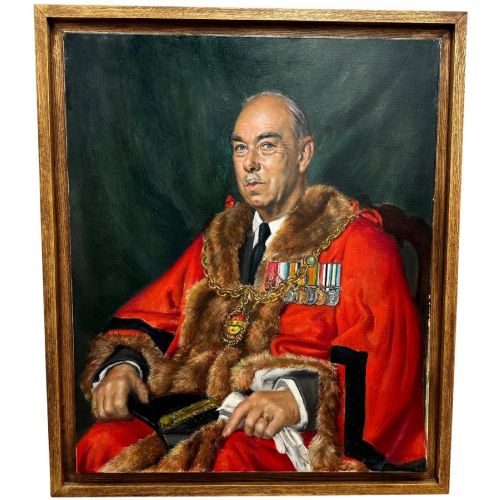
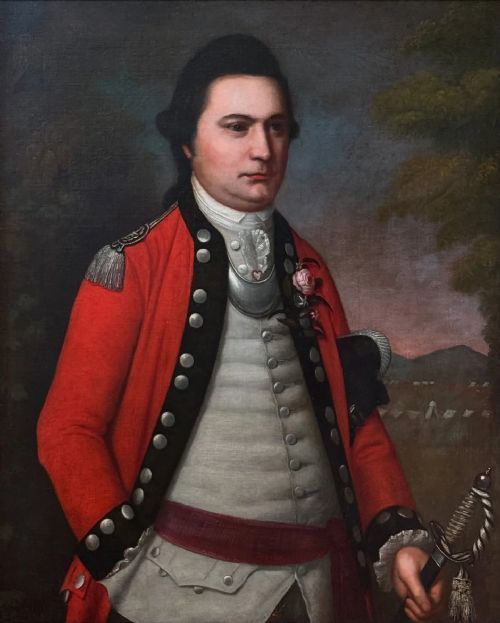
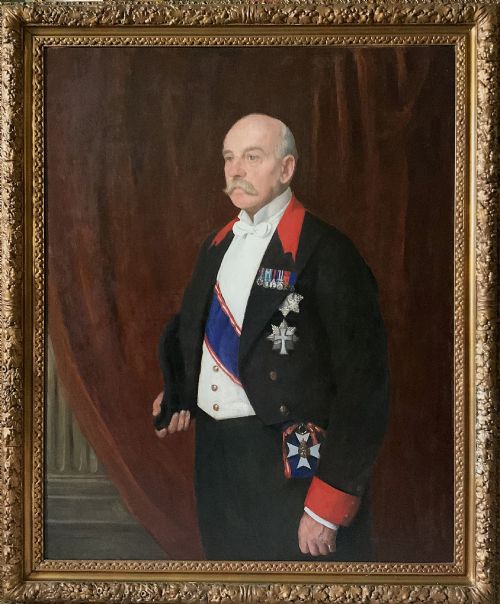
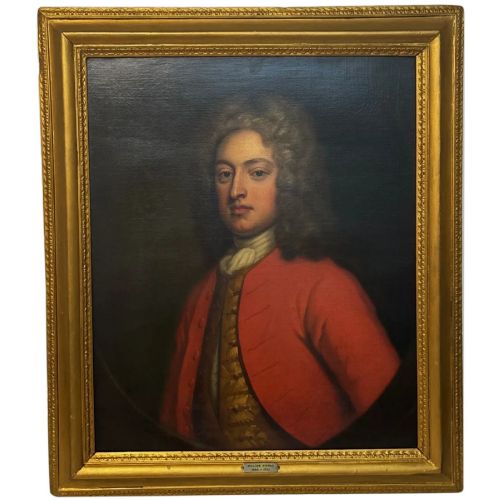
A british military oil painting captures the dignified likenesses of officers and soldiers across centuries of service.
British Military Oil Painting
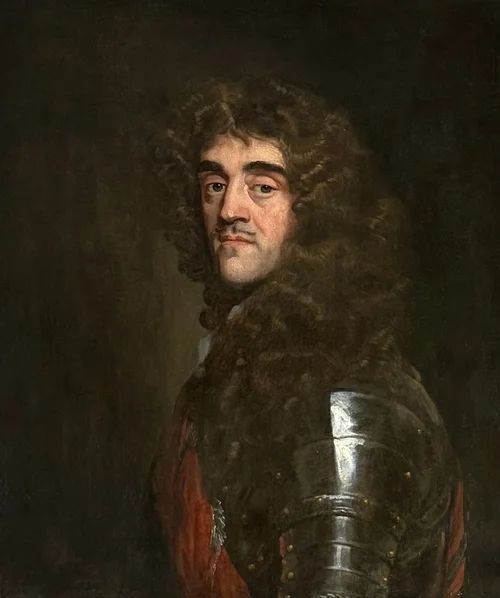
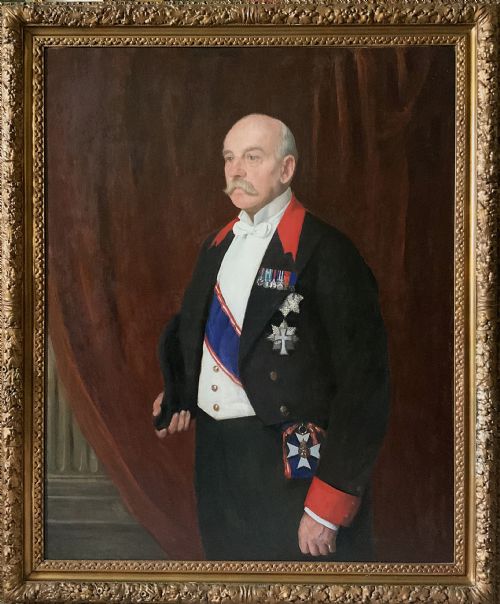
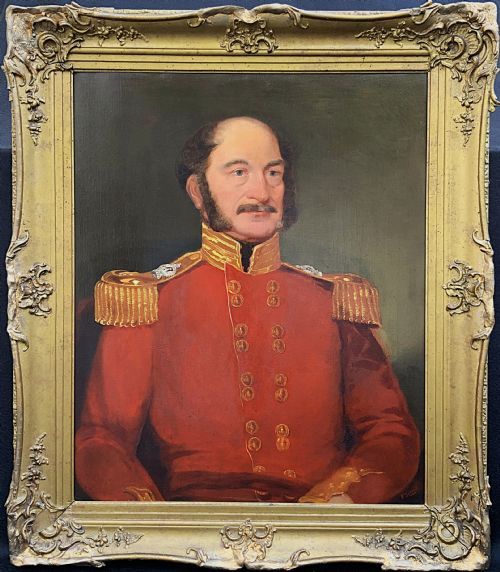
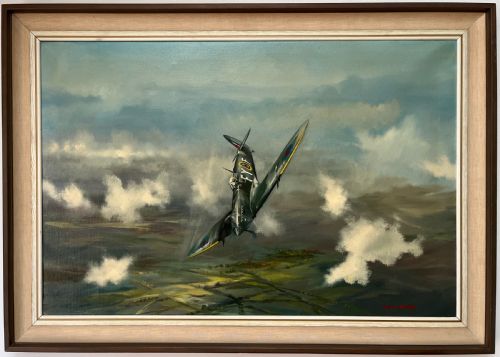
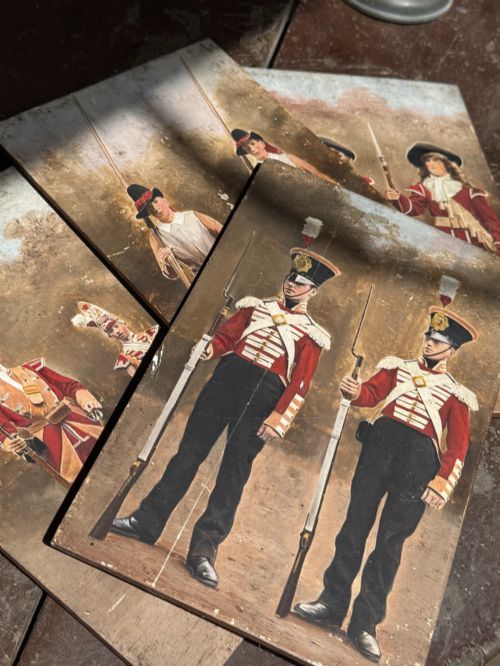
A british military oil painting typically depicts named officers, generals, and monarchs, ranging from seventeenth-century cavaliers in armour to twentieth-century naval and air force commanders. Works extend to narrative battle scenes, regimental groups, and depictions of soldiers on campaign.
The format spans grand monumental canvases down to intimate panels, reflecting the varying commissions of military sitters and historical events.
Materials and Support
Artists painted primarily with oil paint applied to stretched canvas or wooden panels, utilising the medium for rich tonal depth in uniforms and red coats.
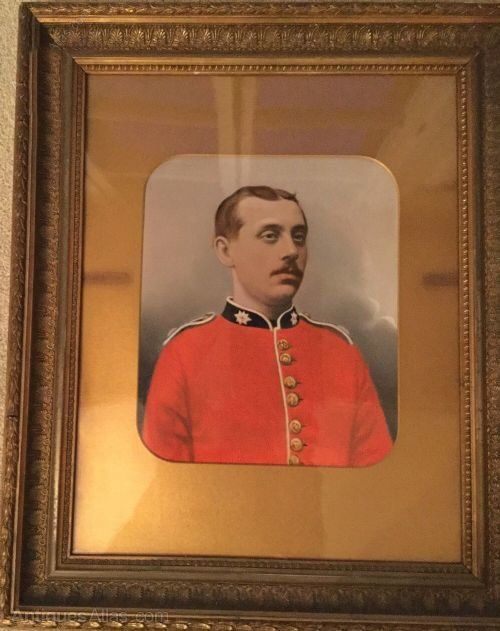
Finished works frequently sit within period frames constructed from wood, giltwood, or gold leaf, often bearing inscribed presentation plaques detailing the subject.
Materials across these listings include oil paint, canvas, wood, giltwood, and gold leaf.
Execution and Provenance
Quality rests on the skill of the artist in rendering the precision of military regalia, facial likeness, and anatomical proportion, distinguishing professional portraiture from simpler primitive works.
Signatures, documentation, and identified sitters of historical rank elevate the standing of a canvas within the overarching tradition.
Bernard Hailstone·Stickland Lowry·John Greenhill·Dion Pears·Ernest Crofts·Francis Russell Flint·Ramsay Richard Reinagle·Frederick Henry Howard Harris·Kershaw Schofield·George Frederic Watts·Frank Thomas Copnall·Henry Hoppner Meyer·Henry L Gates·Samuel Lane·John Laviers Wheatley·Ruth Cecil Latter·William Edward Millner·Maurice Codner
The British Military Oil Painting Glossary
- Oil on Canvas
- Pigment bound in drying oil applied to a woven fabric support. This surface underpins the majority of historical portraits.
- Giltwood
- Wood carved and coated with a thin layer of gold leaf or metallic powder. Frames of this material often accompany formal military portraiture.
- Panel
- A flat piece of wood used as a rigid painting support rather than stretched fabric. Such supports appear in early or regional depictions.
- Regiment
- A permanent unit of an army commanded by a colonel. Sitters are frequently identified by the specific uniforms of these bodies.
- Attributed to
- A designation used when a work displays the style of a known artist but lacks definitive documentation. This term guides buyers on attribution confidence.
British Military Oil Painting: Frequently Asked Questions
How do I identify the rank of the sitter?
Military rank is discerned through the specific placement and amount of gold lace, epaulettes, collar insignia, and sash design shown on the uniform. These visual markers adhere strictly to historical regulations of the armed forces.
Additional clues appear in the background elements, such as naval vessels, fortresses, or documentary items held by the subject.
What periods do these paintings cover?
The available selection spans from the seventeenth century through to the mid-twentieth century, capturing shifts in military dress and artistic style.
Earlier works depict armoured cavaliers and Georgian officers, while Victorian and Edwardian canvases present red coats and modern campaign uniforms.
Are these works signed by the artists?
Many canvases bear signatures, monograms, or inscriptions left by the painter, occasionally located in the lower corners or documented on the reverse.
Works lacking visible signatures are often attributed to particular hands or recognised as products of defined historical schools.
How should I frame and hang an oil painting?
These works suit traditional spaces and require stable environmental conditions away from direct sunlight and excessive humidity to protect the canvas and giltwood frames.
Secure wall fixings suited to the substantial weight of large wood and canvas assemblies are essential for safe display.