


British Harbour Painting
A British harbour painting captures the salt air, shifting light and working quaysides of coastal life.
British Harbour Painting
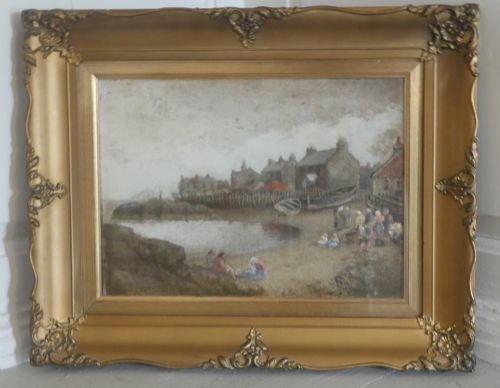
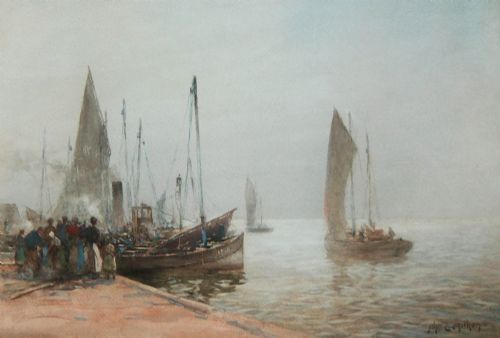
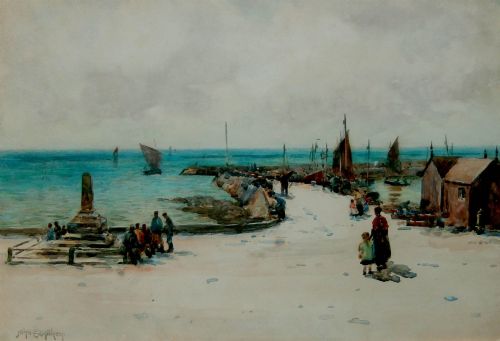
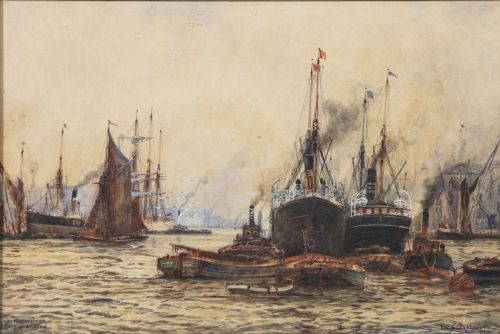
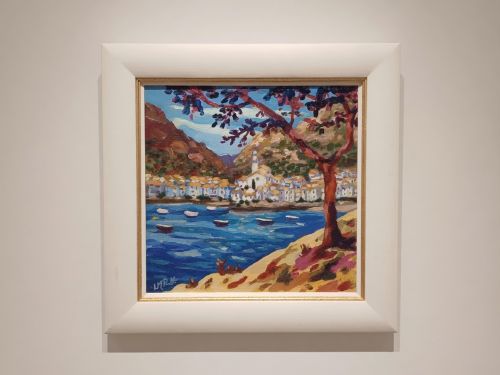
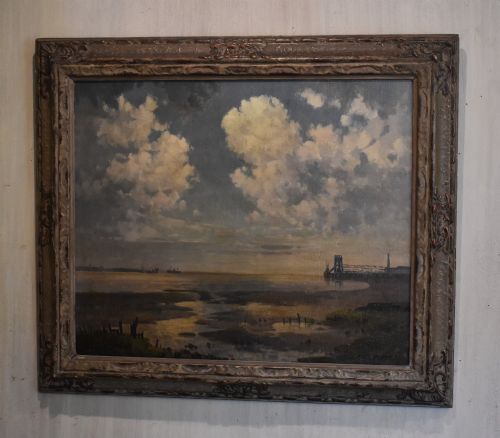
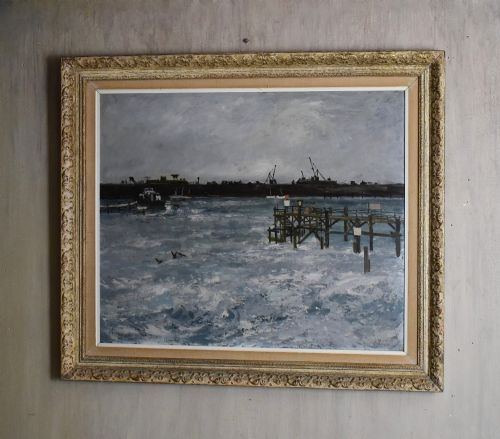
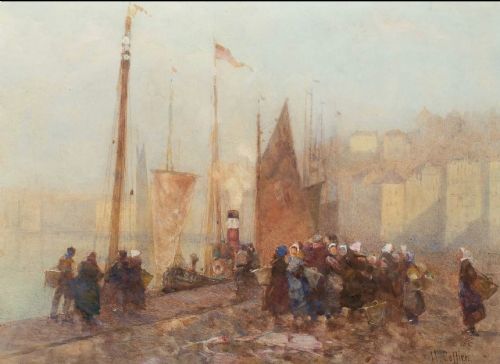
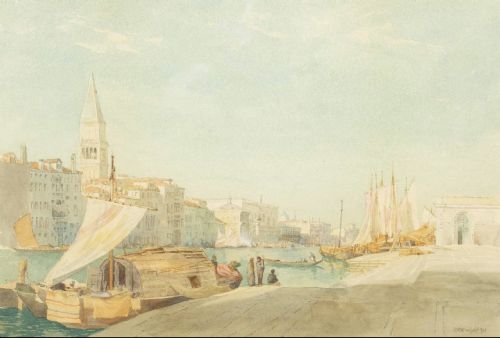
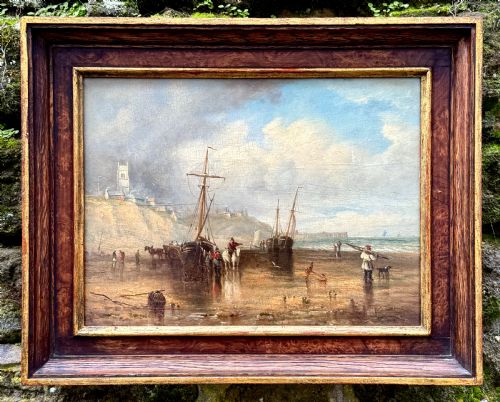
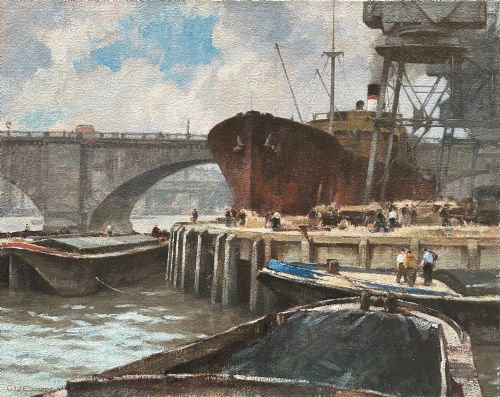
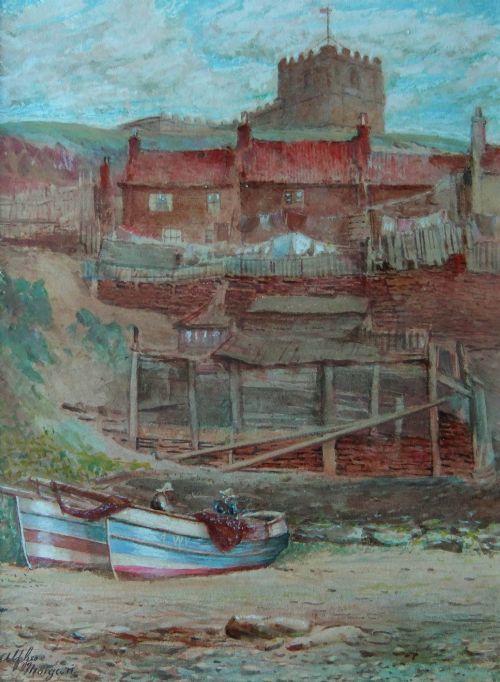
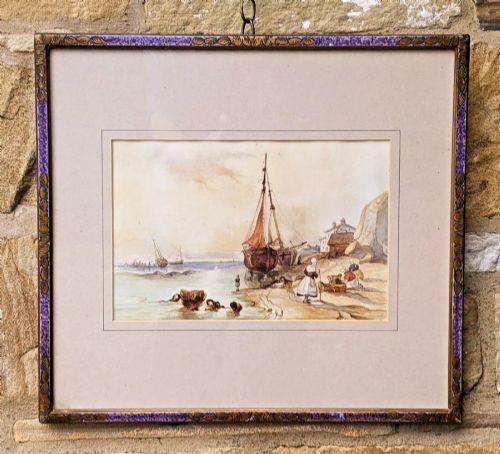
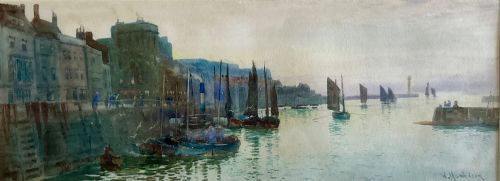
When you search for a British harbour painting, you encounter works spanning the Victorian era through the mid-twentieth century, recording busy fishing ports and quiet tidal inlets. Cornwall, Yorkshire and the Thames estuary recur across the selection, reflecting the destinations favoured by artists who painted the coast from life. You meet watercolours rendered on paper alongside oils applied to canvas, board and panel, capturing everything from misty morning departures to sunlit quaysides.
The regional variety is wide, ranging from St Ives and Whitby to London riverside scenes and Scottish havens. These pictures document maritime architecture, sailing luggers, fishing boats and the daily labour of coastal communities before modern industrial changes transformed the shoreline. Works emerge from established movements such as British Impressionism, Victorian fine art and the St Ives School, offering distinct interpretations of coastal atmosphere.
Materials and technique
Artists working on paper relied on watercolour pigment handled with fluid washes or crisp linear detail to capture transparent effects of sea and sky. Those working in oil applied pigment to canvas, wood or board, building rich textures through brushwork or impasto to render heavy water and wooden hulls.
Framed behind glass or displayed directly on canvas, these works demonstrate traditional academic training or looser plein air methods suited to recording rapid changes in coastal weather.
Salt-crusted frames occasionally arrive carrying the faint aroma of long-dried linseed oil and distant Cornish tides.
Judging quality in coastal art
Quality rests upon the artist's command of maritime perspective, tonal balance and the atmospheric truth of light on water. Stronger works convey the weight of vessels and the dampness of the air with confident brushwork, avoiding flat or formulaic skies.
The sensitivity of the palette and the precision with which rigging, architecture and coastal geology are observed distinguish accomplished paintings from conventional topographical records.
Kenneth Cozens·James E Aitken·John E Aitken·William Banks Fortescue·Frank William Scarbrough·Lucy Pratt·Clive Browne·Peter Brannan·Hector Caffieri·Richard Henry Wright·Thomas Creswick·Cyril Walduck Edwards·Alfred G Morgan·William Matthison·Thomas Hodgson Liddell·Frank Kelsey·F A Roylance·George F Pennington·Charles William Wyllie·Edward Matthew Elliott·James Fry·William Lee Hankey·George Turland Goosey·Fred Lawson·Thomas Bush Hardy
The British Harbour Painting Glossary
- Impasto
- Paint applied thickly to a canvas or board, standing out in relief so that the texture of the brush or palette knife remains visible. This technique adds tactile depth to depictions of rough water and wooden timbers.
- Plein air
- Painting outdoors in direct natural light to capture the shifting atmospheric conditions of a specific location. Artists working by the harbour used this method to record immediate visual truths.
- Seascape
- A work of art depicting the sea, coastal views, ships or maritime activity. These scenes form the primary category for harbour paintings.
British Harbour Painting: Frequently Asked Questions
What periods do these paintings cover?
The selection spans from the nineteenth century through the Victorian and Edwardian eras into the mid-twentieth century. You find works from the 1900s, 1920s and 1950s reflecting changing artistic movements.
Earlier pieces often showcase traditional maritime detail, while mid-century works lean towards impressionistic or modernist interpretations of the coast.
Which mediums are most common?
Watercolour on paper and oil paint on canvas or board dominate the available works. Artists selected these materials to suit either rapid outdoor sketching or more considered studio compositions.
Watercolours offer delicate transparency for skies and water, whereas oils provide rich texture and depth.
Where were these harbour scenes painted?
Locations focus heavily on British coastal spots such as St Ives, Whitby, Looe and Scarborough, alongside river ports like the Thames in London. Artists travelled to active fishing harbours to record working boats and local topography.
International coastal scenes occasionally appear, including views of Venice and Normandy.
How should I frame and display them?
Watercolours require framing under glass with suitable mounts to protect the paper from moisture and light damage. Oil paintings on canvas or board are typically displayed in traditional wood frames.
Keep them away from direct sunlight and damp environments to preserve the pigments.