


Modern British Fine Art
Modern british fine art brings together paintings, drawings and prints spanning the early twentieth century through to contemporary works.
Modern British Fine Art
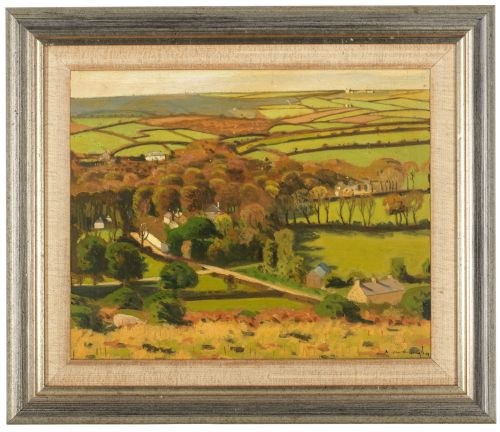
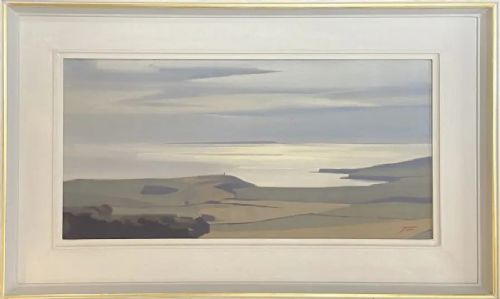
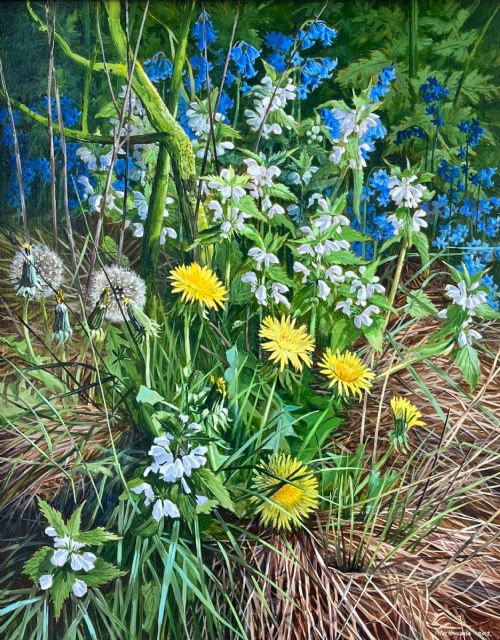
Modern british fine art encompasses oil paintings, watercolours, drawings, sketches and lithographs created across the nineteenth and twentieth centuries. Buyers seeking modern british fine art encounter landscapes, coastal scenes, portraits and still life compositions reflecting periods such as the nineteen-twenties, nineteen-thirties, nineteen-forties, nineteen-fifties and nineteen-sixties. The works originate from distinct regional contexts including Cornwall and the St Ives School, alongside topographical views from Lancashire and Yorkshire.
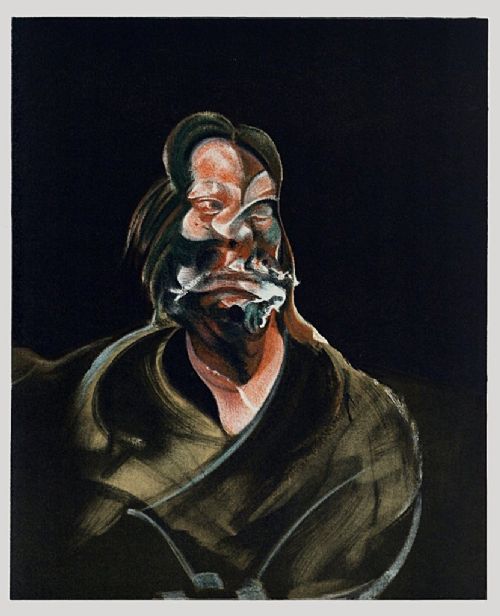
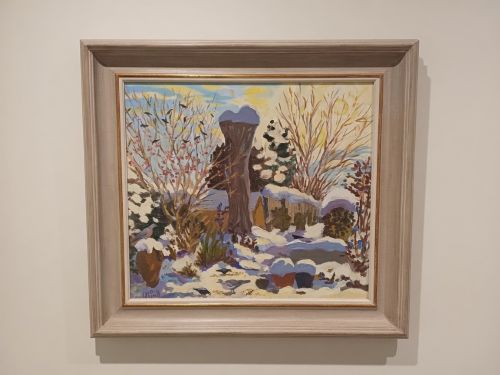
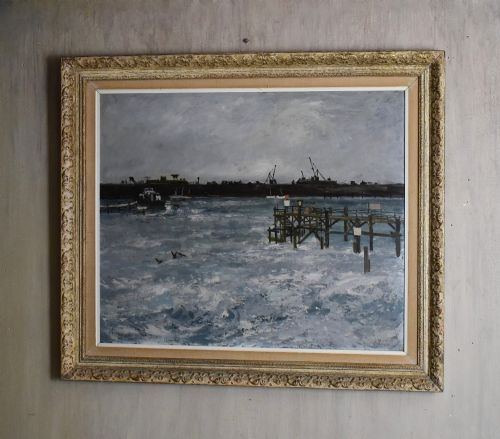
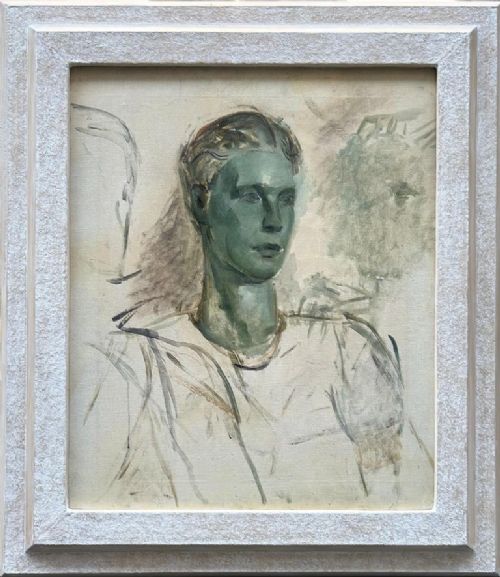
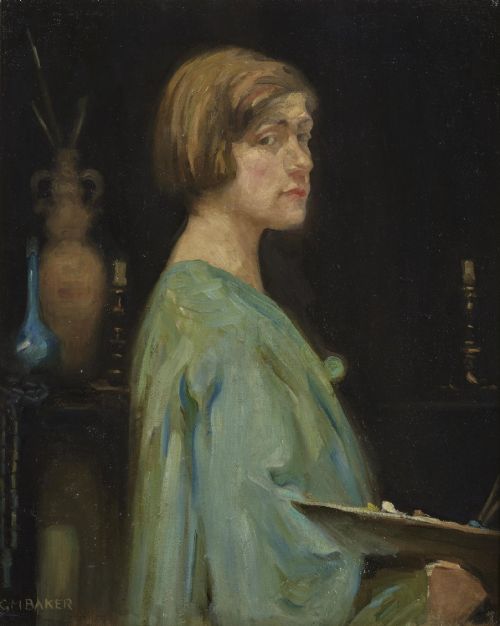
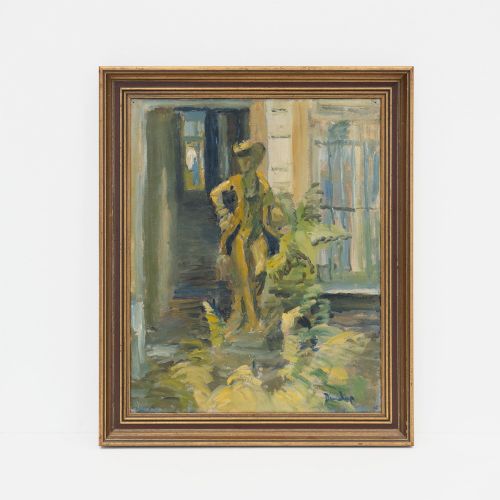
Landscapes form a prominent category, featuring country views, winter scenes and coastal settings executed in oil, watercolour and ink. Portraiture appears frequently through self-portraits, lithographic prints and oil studies of figures in gardens or interiors. Artists represented span established names from the early twentieth century to later mid-century practitioners, often categorised under mid-century modernism and modern British realism.
Materials and construction
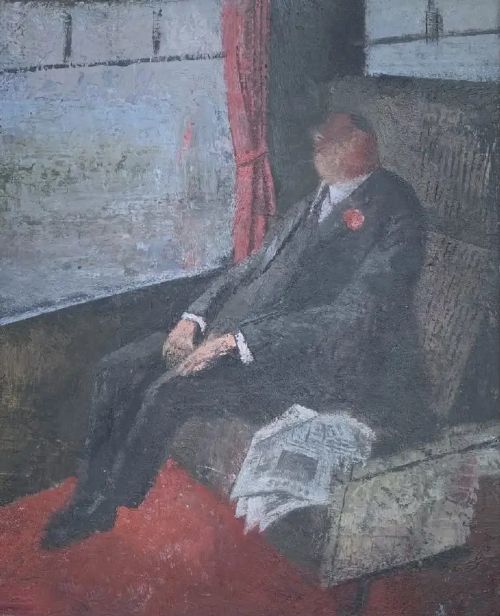
Works in this selection utilise traditional supports including canvas, paper, wood panels and boards. Pigments are applied primarily through oil paint, watercolour, ink, pencil and pastel, occasionally combined with lithographic printing techniques. Gilt frames frequently accompany the paintings and drawings, preserving the surface condition of the canvas or paper underneath.
The physical application ranges from fluid watercolour washes and ink lines on paper to textured oil paint laid on canvas or board. Artists employ direct sketching, tonal layering and lithography to capture light and form in landscapes, portraits and still life subjects.
The listings feature works created across the nineteenth and twentieth centuries, using oil paint, watercolour, ink, pencil and lithography on paper, canvas and board.
Distinctions in quality
Quality rests upon the confidence of the brushwork, the handling of light and pigment, and the structural integrity of the support medium. Paintings executed with assured draughtsmanship and compositional clarity stand apart from routine topographical exercises.
The significance of the artist within regional movements, such as the St Ives School, influences the standing of a piece. Works retaining original framing and stable surfaces on canvas or board present a more complete historical record.
Robert Morson Hughes·Francis Bacon·Lucy Pratt·Peter Brannan·James Fry·James Stroudley·Gladys Marguerite Baker·Peter Newcombe·Ronald Ossory Dunlop·Joan Gillchrest·Denis Mitchell·Barbara Hepworth·Philippa Maynard Romer·John Merrifield·Philip Naviasky·Sir William Russell Flint·Jeffrey Pratt·Fred Lawson·Claude Muncaster·Raymond Arthur Roadnight·James Kerr McArthur·Nora Munro Summers·Dame Laura Knight·Hermoine Hammond·Peter Greenham
The Modern British Fine Art Glossary
- Lithograph
- A print made from a planographic image on stone or metal. The process allows artists to produce multiple original impressions using greasy crayons and ink.
- Triptych
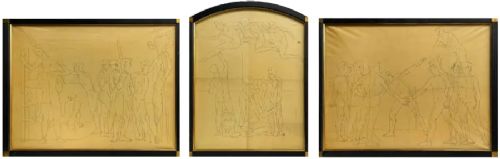
- A piece divided into three panels or sections painted side by side. This format is often utilised for narrative or sequential subjects.
- Gouache
- An opaque water-based paint that dries to a matte finish. It provides heavier coverage than standard transparent watercolour.
- Canvas
- A heavy woven fabric stretched across a wooden frame to serve as a painting support. It accommodates the build-up of oil paint layers.
- Board
- A rigid panel material utilised as an alternative to stretched canvas. Artists apply oil or mixed media directly to its flat surface.
Modern British Fine Art: Frequently Asked Questions
What defines modern british fine art?
Modern british fine art encompasses paintings, drawings and prints produced in Britain from the early twentieth century onwards. It incorporates various movements including mid-century modernism and realism.
The selection includes oils on canvas, watercolours, sketches and lithographs created by regional and nationally recognised artists across multiple decades.
How should I display a painting on board?
Paintings on rigid board benefit from stable indoor environments away from direct sunlight and excessive humidity. Proper framing protects the edges of the panel from physical knocks.
Most works arrive ready to hang in period frames that complement the surface texture and palette of the oil or watercolour within.
What is the St Ives School?
The St Ives School refers to a community of artists based in Cornwall who developed significant modernist approaches to painting and sculpture. Figures associated with this group focused on coastal landscapes and abstraction.
Works linked to this movement reflect the distinct light and geography of the Cornish coastline through oil paintings and still life compositions.
Are works on paper framed differently from canvases?
Works on paper such as watercolours, ink drawings and lithographs require glazing to protect the delicate surface from dust and moisture. They are typically mounted behind glass within a paper mat.
Canvases and oil paintings on board are generally displayed unglazed, allowing the textured layers of oil paint to remain directly visible.