




Impasto Coastal Landscape
An impasto coastal landscape uses thick, textured paint to capture the movement of water and light along the shore.
Impasto Coastal Landscape
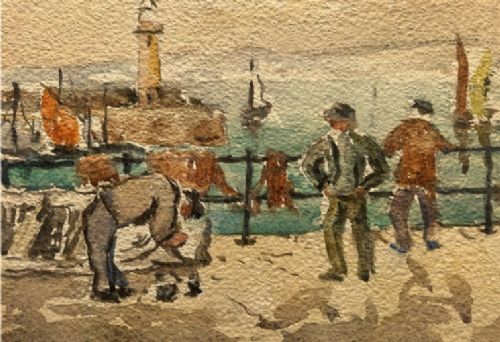
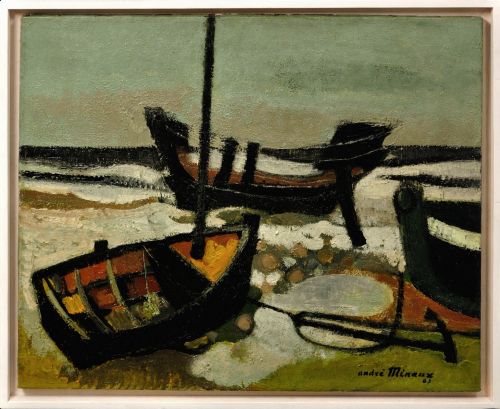
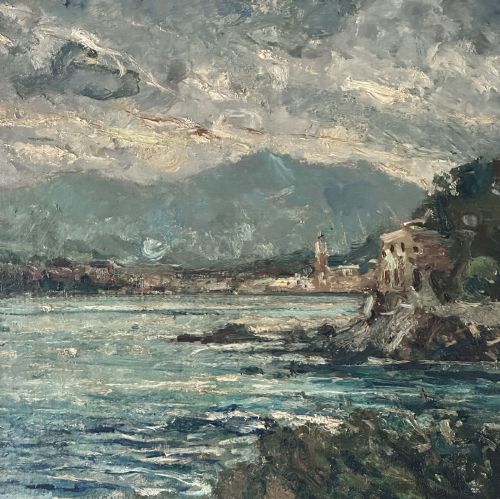
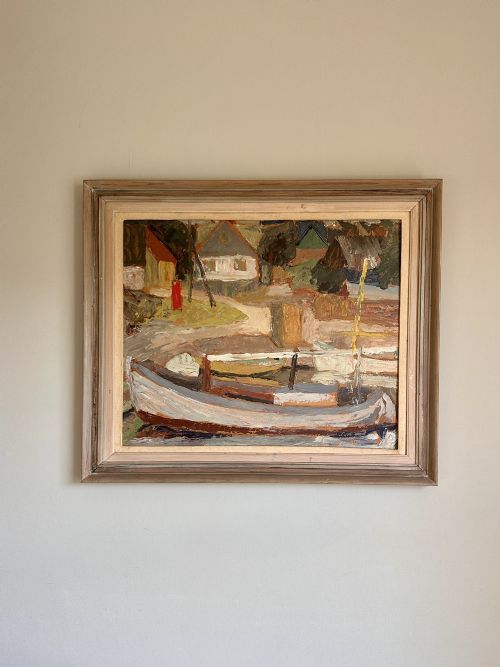
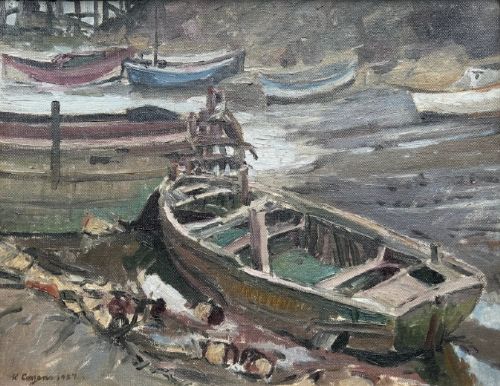
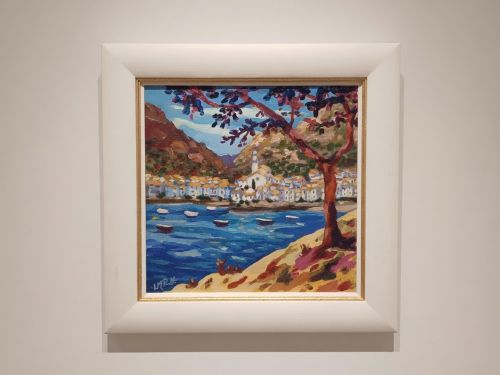
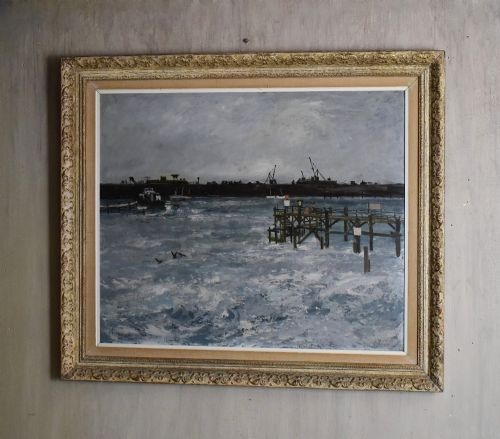
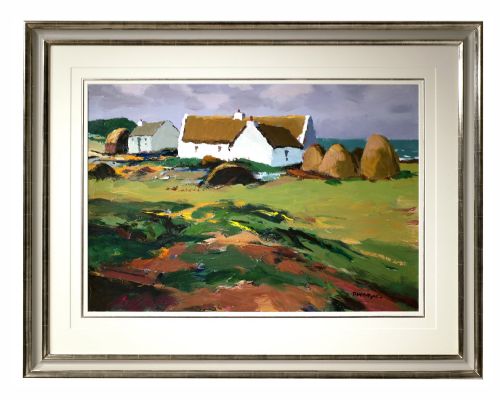
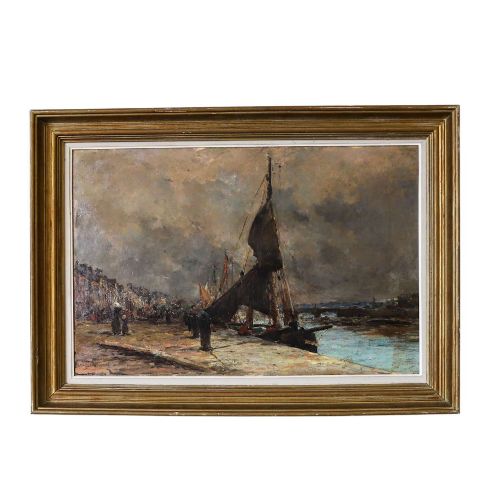
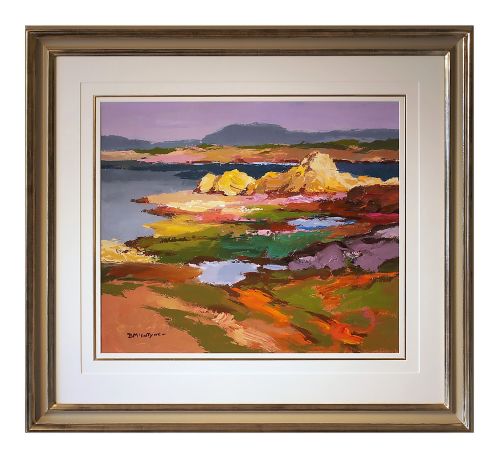
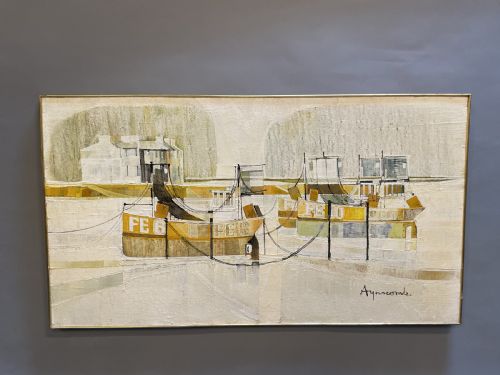
An impasto coastal landscape brings together heavy oil pigment and maritime subject matter, recording harbours, estuaries and rocky shores. When you search for this phrase, you find works spanning from the nineteenth century through to the later decades of the twentieth century. The selection leans heavily towards mid-century British and French impressionism, capturing marine views with tangible physical depth.
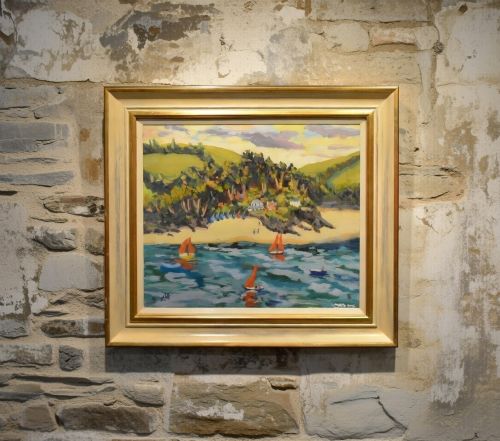
The physical build of these paintings varies between stretched canvas and rigid board panels, frequently housed in period gilt or wood frames. Subjects range from busy French Riviera ports and Cornish fishing villages to quiet tidal rivers. The artists employ thick surface texture to mimic the rough movement of sea spray, sandy beaches and weathered stone quaysides.
How They Were Made
Artists apply oil paint directly to canvas or wooden board, often using a palette knife alongside stiff hog-hair brushes to build up heavy ridges of pigment. This technique, known as impasto, leaves the physical mark of the tool visible on the dried surface, creating areas of high relief that catch the ambient room light.
The grounds beneath the oil layers provide structural support, with panels offering a firm resistance against the pressure of the knife while canvas yields slightly under the hand. Framing typically consists of moulded wood, sometimes finished with gesso and gilt leaf to complement the maritime tones of the palette.
Impasto Coastal Landscape Retail Price Guide 2026
Typical asking prices for impasto coastal landscape among the pieces listed under this phrase on Sellingantiques today, from the lower quarter to the upper quarter. They describe what is for sale here now, not the wider market.
Several artists captured the exact moment a sailboat catches the afternoon sun on the French Riviera.
What Varies in Quality
The success of an impasto coastal landscape rests on the confidence and precision of the knife or brushwork. Stronger examples demonstrate a clear understanding of tonal mass where the thick paint actually builds the form of the waves, boats or cliffs rather than sitting merely as surface decoration.
Compositional balance and atmospheric weight separate accomplished maritime paintings from simpler amateur records. The handling of light across the water and the deliberate placement of pigment determine whether the scene successfully evokes the open air of the coast.
Kenneth Cozens·R Leyton·Lucy Pratt·Peter Brannan·Donald McIntyre·Jean-Baptiste Olive·Raymond Picque·James Fry·Cecil Rochfort D'Oyly-John·Florence Hess·Edward M. Elliott·Jack R Mould
The Impasto Coastal Landscape Glossary
- Impasto
- A painting technique where paint is laid onto an area of the surface in very thick layers, usually thick enough that the brush or painting-knife strokes are visible. When dry, impasto provides texture, making the paint appear to stand out from the canvas.
- Estuary
- The tidal mouth of a large river, where the tide meets the stream. These areas provided artists with shifting effects of light across wide expanses of shallow water and mudflats.
- Post-Impressionism
- A predominantly French art movement that developed roughly between 1886 and 1905, leading from the birth of impressionism to fauvism. Painters extended impressionist use of vivid colours and thick application while adding distinct emotional weight.
- Gilt
- Covered thinly with gold leaf or gold paint. Frames finished in this manner are frequently found enclosing nineteenth and twentieth-century marine canvases.
Impasto Coastal Landscape: Frequently Asked Questions
What periods do these coastal paintings come from?
The works span from the nineteenth century through the Edwardian era and across mid-century twentieth-century movements.
Post-war British and French modernism are particularly well represented in the current selection.
How should I care for thick oil paint?
Keep the canvas away from direct heat sources and dramatic changes in room humidity to protect the oil medium.
Dust the textured surface very gently with a soft, dry brush to prevent particles from settling in the paint ridges.
Are these paintings supplied with frames?
Many examples retain their original wood or gilt frames, which reflect the framing conventions of their respective decades.
Check the individual listing details to confirm whether a specific artwork includes its period frame.
What is the difference between canvas and board supports?
Canvas provides a flexible woven textile base that is stretched over a wooden frame, while board offers a rigid wooden panel.
Both materials were widely utilised by artists working outdoors along the coast.