


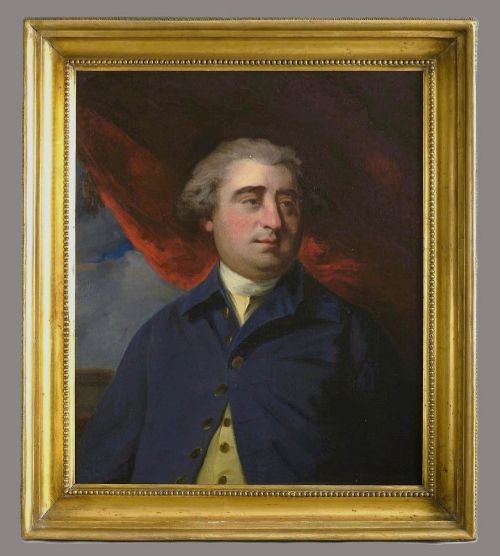
British Fine Art Oil
British fine art oil paintings span centuries of portraiture and landscape, offering tactile depth and lasting presence to any room.

British Fine Art Oil
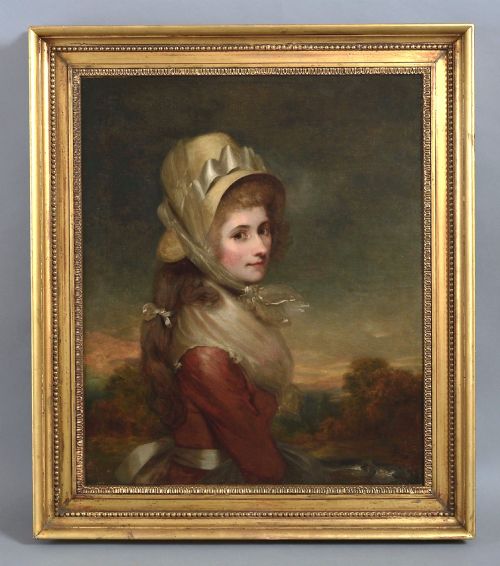
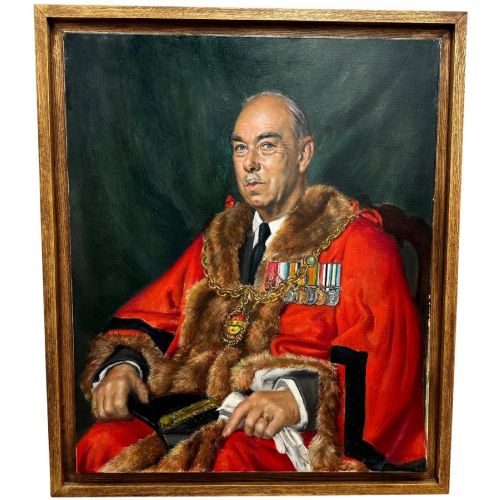
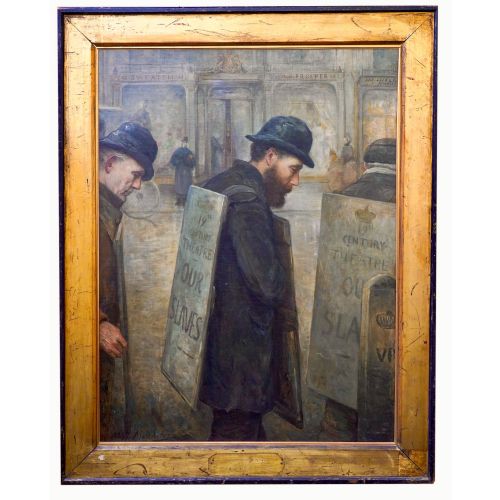
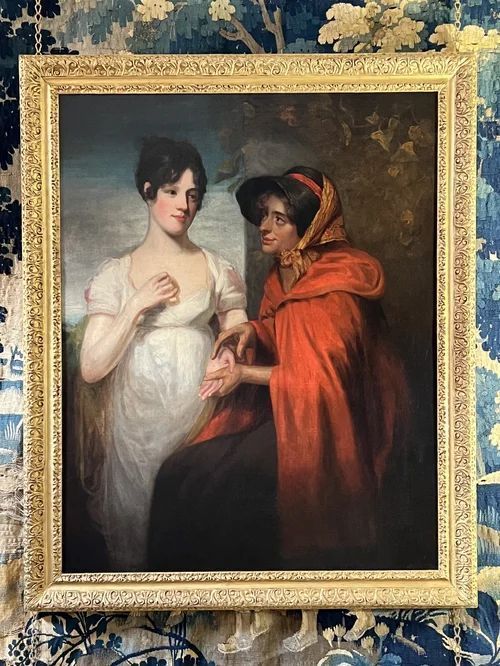
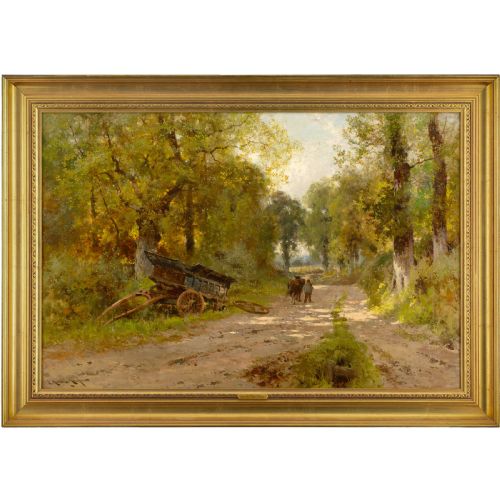
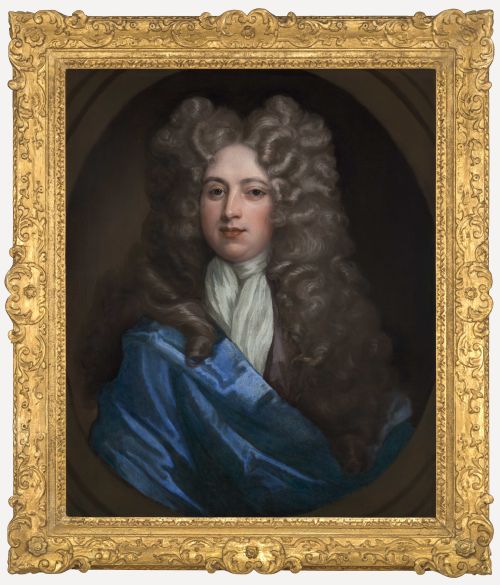
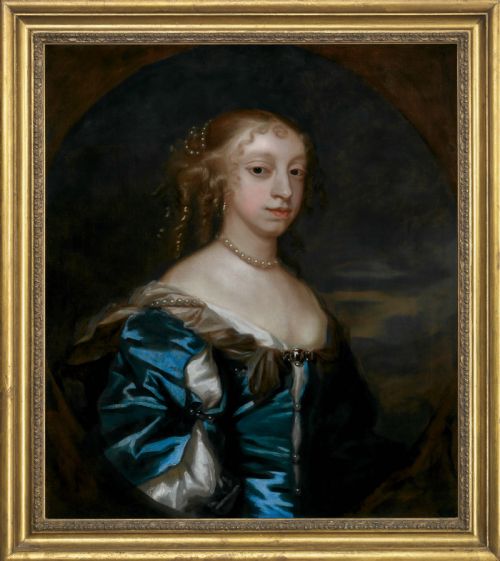
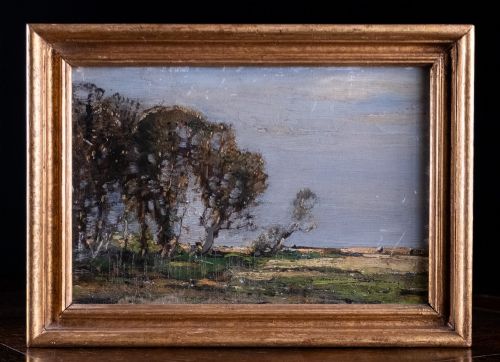
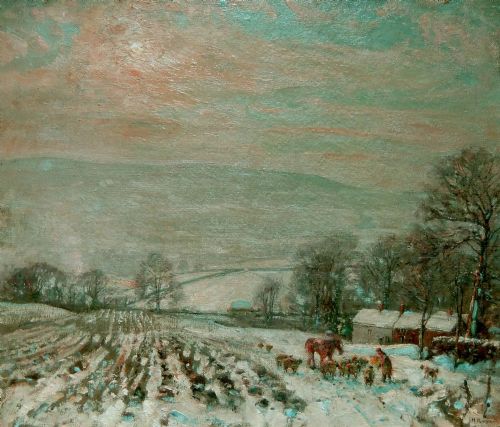
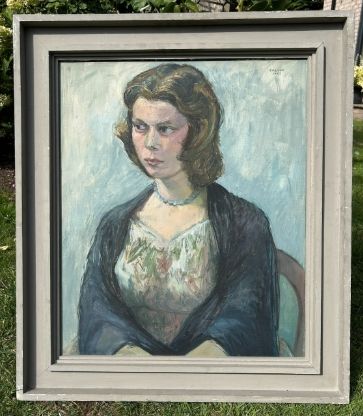
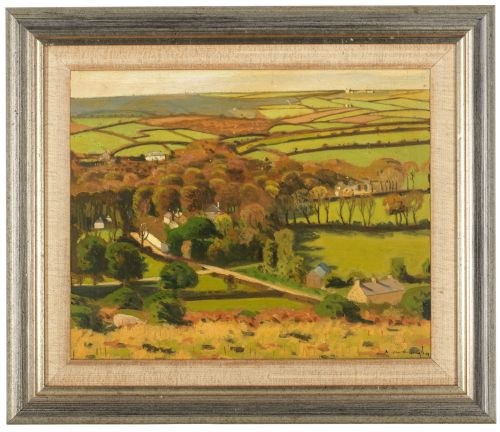
When searching for British fine art oil, collectors encounter a rich lineage of painted works stretching from the seventeenth century through the Victorian era and into the mid-twentieth century. These pieces record historical figures, pastoral landscapes, and intimate domestic scenes captured by named hands and anonymous regional schools alike.
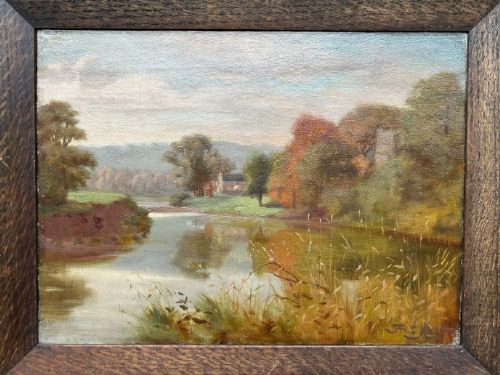
The selections available here lean heavily into formal portraiture and topographical views, reflecting the traditional strengths of British painting. Buyers frequently meet oil on canvas or wood panel formats, framed in period giltwood or simpler wooden surrounds that complement the tonal depth of the pigment.
From seventeenth-century cavaliers to twentieth-century impressionist river scenes, the works trace shifts in aesthetic focus from courtly patronage to the observation of everyday light and rural life. Each painting preserves a distinct moment in British visual culture through the enduring medium of oil paint.
Materials and methods
Artists built these compositions primarily using oil paint applied to prepared canvas or sturdy wood panels, utilising the slow-drying nature of the medium to blend tones and build rich surface textures. The interaction between linseed or other drying oils and ground pigments allowed painters to achieve both translucent glazes and thick, impasto highlights.
Support structures varied according to the period, with early works on woven canvas or heavy wood boards giving way to standardised stretchers in later centuries. Frames carved from gilt wood or simpler mouldings provided structural integrity while enhancing the visual boundary of the artwork.
British Fine Art Oil Retail Price Guide 2026
Typical asking prices for british fine art oil among the pieces listed under this phrase on Sellingantiques today, from the lower quarter to the upper quarter. They describe what is for sale here now, not the wider market.
The listings span from the seventeenth century to the mid-twentieth century, featuring oil on canvas, wood, and board.
Distinctions in quality
The distinction between standard works and exceptional examples rests in the confidence of the brushwork and the psychological depth of the subject matter. Master hands managed light, shadow, and anatomical structure with a sureness that brings a canvas to immediate life, whereas lesser pieces can feel stiff or formulaic in execution.
Preservation of the original paint surface also dictates standing, as unlined canvases with minimal overpaint retain the authentic touch of the artist. The harmony between the painting and its period frame further elevates the historical completeness of the piece.
Sir Martin Archer Shee·John Maler Collier·Thomas Beach·Jean Baptiste Van Loo·Sir Joshua Reynolds
The British Fine Art Oil Glossary
- Impasto
- Paint applied thickly to a canvas, standing out in relief from the surface. This technique adds tactile dimension and captures visible brush marks.
- Giltwood
- Wood carved and covered with a thin layer of gold leaf or gold paint. Frames of this material were standard for important portraits and landscapes.
- Genre painting
- Artwork depicting scenes from everyday life, ordinary people, or domestic interiors rather than grand historical or mythological subjects.
- Wood panel
- A rigid flat wooden support used as a base for oil painting before stretched canvas became dominant. Artists valued its smooth, stable surface.
- Provenance
- The chronological record of ownership of a work of art, helping to establish authenticity and historical background.
British Fine Art Oil: Frequently Asked Questions
How do I date an antique oil painting?
Dating relies on stylistic clues, costume details in portraits, and the physical construction of the canvas support and stretcher frames. Comparing handling techniques with documented works from known periods helps narrow the timeframe.
Material analysis of the wood panels or canvas weave also provides reliable chronological anchors for British works.
Where should I hang an oil painting?
Oil paintings require stable indoor environments away from direct sunlight and excessive humidity to prevent the canvas from warping or the paint from cracking. Placing them on interior walls ensures minimal exposure to damaging temperature fluctuations.
Proper lighting with low-heat LED picture lights enhances the rich tones of the pigment without harming the surface.
What is the difference between canvas and board?
Canvas offers a flexible woven textile support that responds subtly to atmospheric changes, often mounted on wooden stretcher frames. Wood panels provide a completely rigid surface that prevents sagging and was favoured for smaller or earlier works.
Both materials were standard in British fine art across different centuries depending on artist preference.