

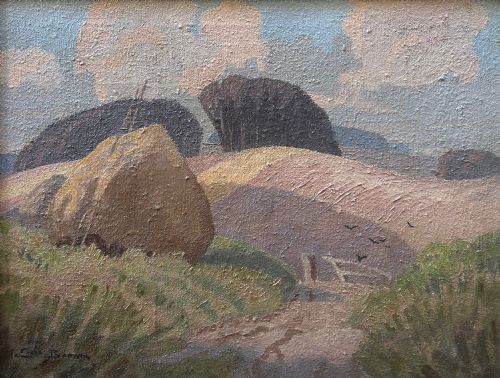
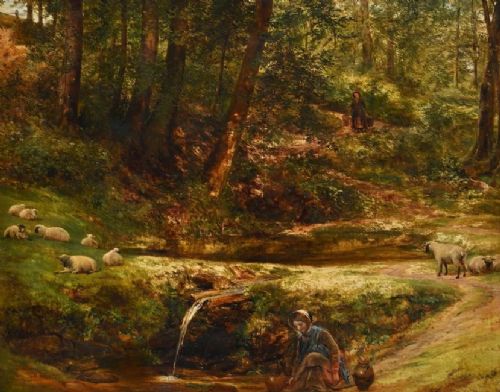
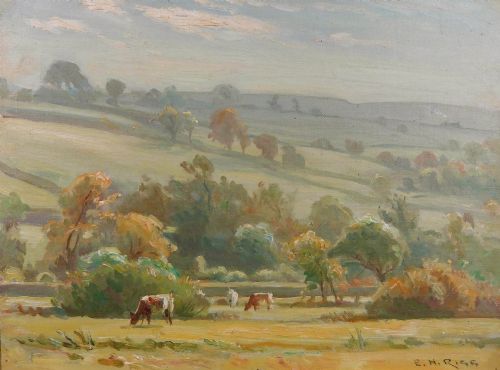
British Countryside Oil Artwork
A british countryside oil artwork captures the changing light and enduring topography of rural life through pigment applied directly to canvas or wooden board.
British Countryside Oil Artwork
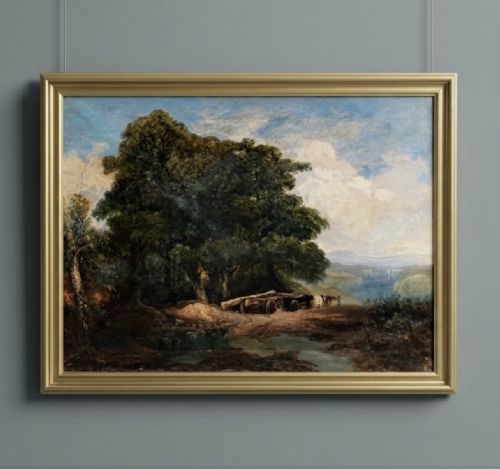
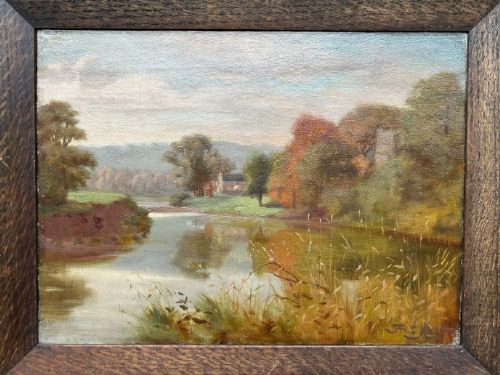
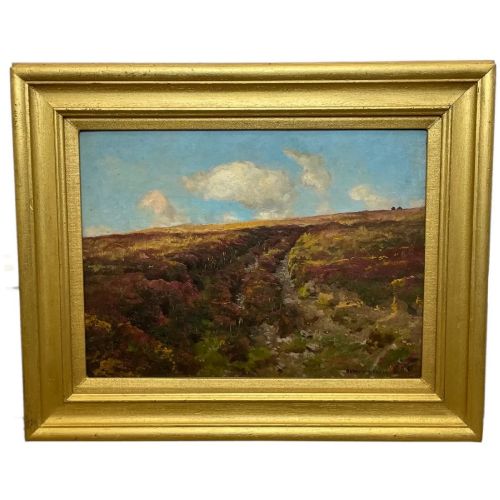
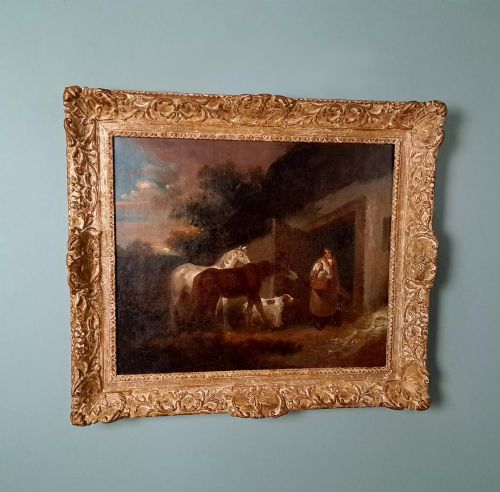
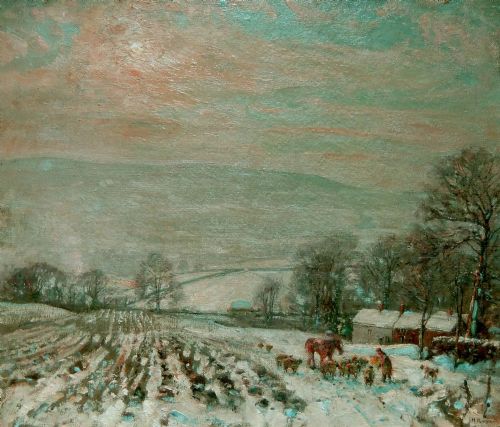
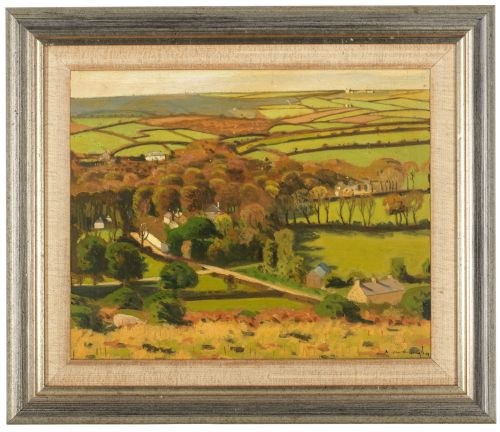
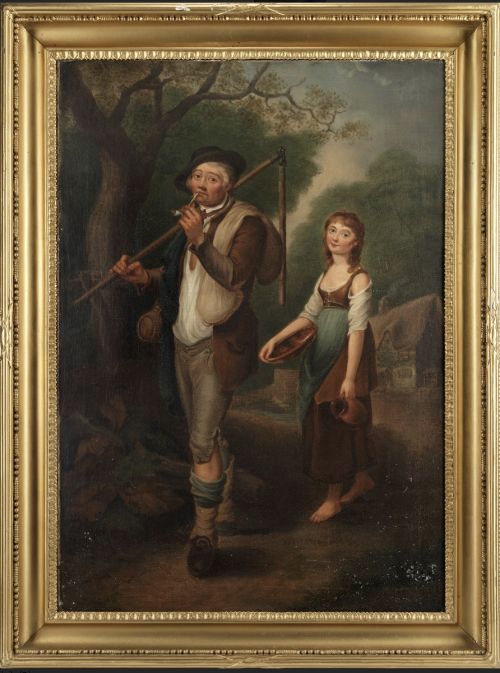
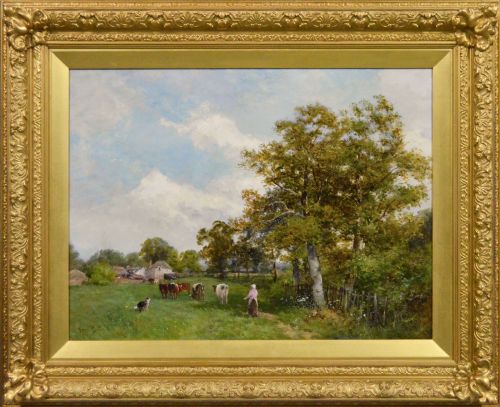
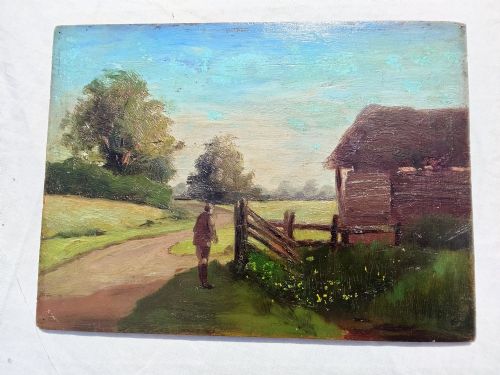
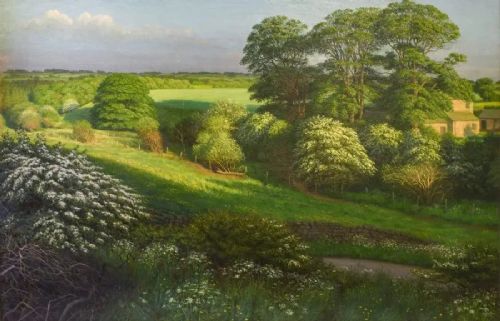
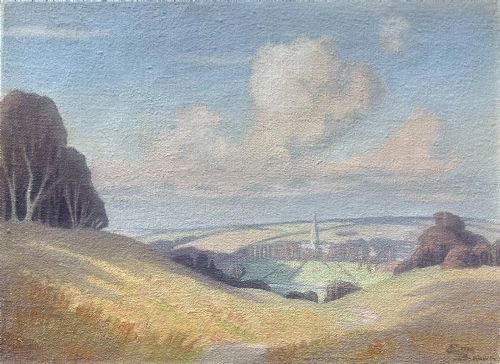
A british countryside oil artwork represents pastoral valleys, riverbanks, and agricultural scenes created by painters working across the nineteenth and twentieth centuries. These pieces record specific localities from Cornwall to Yorkshire, often featuring livestock, cottages, or figures labouring in fields.
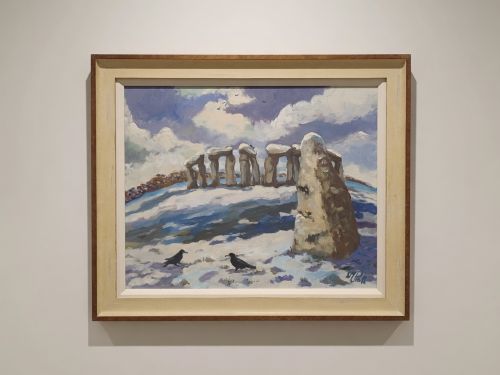
The selection on this page centres primarily on framed oil paintings executed on canvas or wood panel. These range from nineteenth-century Victorian pastoral scenes to mid-twentieth-century modern British interpretations of the countryside.
How they were made
Pigments ground in oil were applied with brushes or palette knives to prepared supports of stretched canvas, wooden board, or wood panel. This technique allowed artists to build rich layers of colour and texture, from smooth glazes to heavy impasto.
Finished works were typically housed in wooden frames, sometimes embellished with gilt mouldings to complement the tonal qualities of the landscape within.
Listings span from the nineteenth century through the Victorian and Edwardian eras, extending past nineteen-sixty with canvas and wood panel supports.
What varies in quality
The strength of a british countryside oil artwork relies upon the artist's command of atmospheric light, composition, and brushwork. Superior examples demonstrate a confident handling of pigment that captures momentary effects, such as evening shadows or passing showers, rather than merely recording topography.
Distinction also rests in the fidelity of the regional observation and the harmony achieved between the painted scene and its original frame.
Richard Sebastian Bond·William H Myers·Frederick Marriott·Arthur Wardle·William Joseph Shayer Senior·Herbert Royle·Robert Morson Hughes·Thomas Barker of Bath·David Bates·Lucy Pratt·Raymond Booth·Eric Brown·Richard Redgrave·Ernest Higgins Rigg·Peter Newcombe·Vernon DeBeauvoir Ward·Florence Adelina Hess·John Horace Hooper·Hubert Wellington·Joseph Edward Hennah·Charles Walter Simpson·Helen Layfield Bradley·William Henry Mander·John Sanderson Wells·Reginald Grange Brundrit
The British Countryside Oil Artwork Glossary
- Canvas
- A heavy woven fabric stretched across a wooden frame to serve as a support for oil painting. It provides a slightly flexible surface that responds well to layered brushwork.
- Impasto
- Paint applied thickly to a canvas or panel, leaving visible brush or palette knife marks that catch the light. This technique adds literal physical depth and texture to foliage, water, or clouds.
- Wood Panel
- A rigid wooden support used instead of canvas for painting, frequently utilised in earlier and twentieth-century works. It offers a completely stable surface for detailed brushwork.
- Gilt
- A thin layer of gold leaf or metallic gold paint applied to frame mouldings. It enhances the visual boundary of the painting and reflects ambient light.
- Pastoral
- A style or subject matter depicting rural life, shepherds, and idealized countryside scenes. It forms a cornerstone of nineteenth-century landscape painting.
British Countryside Oil Artwork: Frequently Asked Questions
How do I date a landscape oil painting?
Dating relies on stylistic clues, clothing of any figures depicted, and framing materials. Signatures and stretcher construction further help narrow the decade.
Comparison with documented works by the same artist or regional school provides the most reliable chronological anchor.
Where should I hang a landscape painting?
These works suit rooms with stable humidity away from direct sunlight, which can degrade oil paint over time. Placing them at eye level in neutral spaces allows the tonal palette to lead the room.
Pairing a framed oil with traditional or transitional interior decor enhances its natural narrative.
What is British Impressionism?
British Impressionism refers to the adoption of broken brushwork and en plein air techniques by UK artists influenced by French developments. It focuses on transient effects of light and weather in domestic landscapes.
Works in this mode often feel spontaneous and atmospheric compared to academic studio pieces.
Are wooden panel paintings fragile?
Wood panels are rigid supports that require stable environmental conditions to prevent warping from humidity shifts. When kept away from extreme temperature swings, they remain remarkably durable.
Many twentieth-century artists favoured panels for their smooth resistance and portability during outdoor sketching.