


Brienz Carved Bear
These brienz carved bear sculptures bring the rustic charm of Swiss folk art into your home through expressive, finely detailed animal carvings.
Brienz Carved Bear
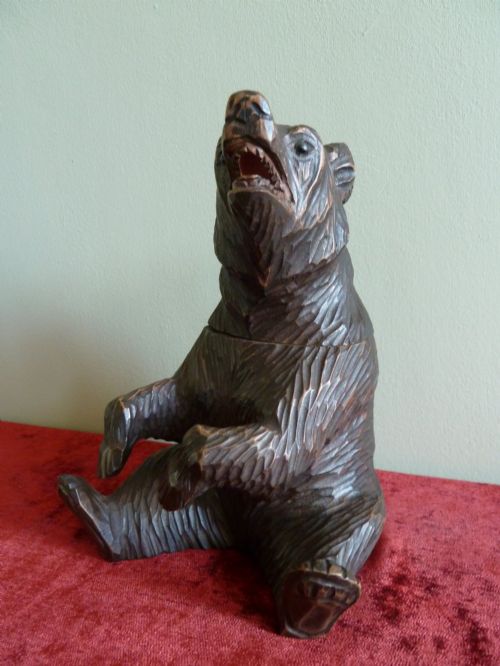
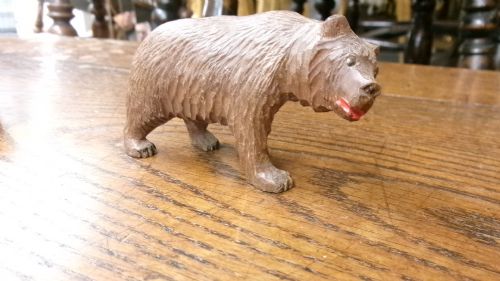
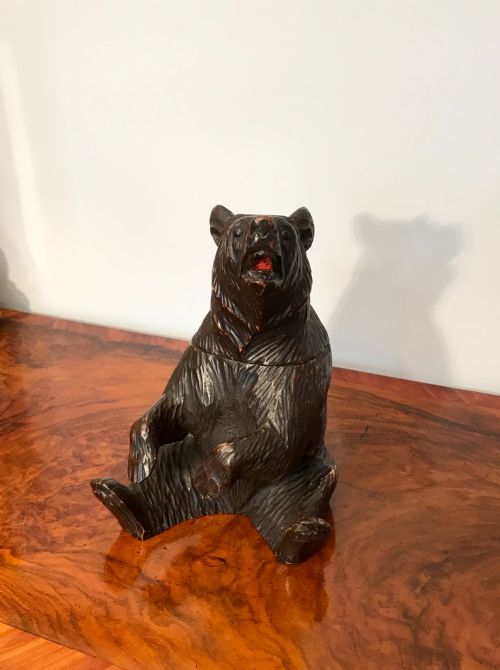
A brienz carved bear represents the pinnacle of Swiss wood carving traditions, originating from the village of Brienz in the Bernese Oberland. When you search for brienz carved bear, you encounter pieces that range from miniature animals to large functional hall stands and stick stands.
The objects span the nineteenth century into the Edwardian era, predominantly embracing the Black Forest style. Common domestic forms include tobacco jars, humidors, inkwells, and condiment figures alongside standalone decorative sculptures.
Most examples appear in linden wood, walnut, or general carved wood, occasionally featuring glass or metal details such as stud eyes. You will find both single figures and pairs, as well as charming sets of miniature bears.
Materials and carving techniques
Carvers predominantly selected linden wood for its fine grain and ease of handling, allowing for deep undercut fur textures and realistic facial expressions. Walnut also appears among the listings, offering a darker tone and greater density for larger structural pieces like hall stands.
Objects range from Victorian and Edwardian periods, encompassing functional tobacco holders, inkwells, and large stick stands.
Distinguishing quality in wood carvings
Quality rests primarily on the anatomical accuracy and expressiveness of the carving, distinguishing stiffly rendered pieces from those with lifelike posture and detailed fur work. Larger functional items, such as double stick stands and tobacco holders, demonstrate greater ambition and structural joinery.
Condition and completeness also dictate distinction, particularly where original glass or metal stud eyes remain intact alongside functional lids for humidors and inkwells. The depth of the carving and the choice of timber, such as fine linden wood, elevate the visual impact of the object.
The Brienz Carved Bear Glossary
- Black Forest
- A nineteenth-century style of decorative woodwork originating from Switzerland and Germany, famous for realistically carved animals and foliage. This aesthetic defines the majority of bear sculptures found in these collections.
- Linden wood
- A pale, fine-grained timber favoured by carvers for its cooperative texture and lack of prominent grain. It allows for intricate detailing without splintering.
- Humidor
- A moisture-controlled box designed for storing cigars or tobacco. Many bear carvings incorporate this form, featuring a hinged lid on the back or head.
- Stick stand
- A large hall furniture piece designed to hold walking sticks and umbrellas. Bear versions typically feature the animal holding a hollow log or standing beside a receptacle.
- Swiss folk art
- Traditional cultural craftwork produced in Switzerland, characterised by regional motifs and skilled manual wood carving. It forms the artistic foundation for these sculptures.
Brienz Carved Bear: Frequently Asked Questions
What were brienz carved bear figures used for?
These carved bears served both decorative and practical purposes in nineteenth-century domestic interiors. Many doubled as functional items such as tobacco jars, inkwells, condiment holders, and large hall stands.
Smaller figures simply added rustic charm to mantelpieces and studies. Miniature sets and individual sculptures allowed Victorian collectors to display their appreciation for Swiss craftsmanship.
How do I identify a Black Forest bear carving?
Black Forest bear carvings are typically rendered in linden wood or walnut, depicting bears in realistic or anthropomorphic poses. Look for characteristic details such as textured fur, glass or metal stud eyes, and functional compartments like hollow logs.
They frequently date from the nineteenth century to the Edwardian period and reflect the distinct Swiss folk art tradition originating from Brienz.
Are these bear carvings made from solid wood?
Yes, these sculptures are carved from solid timbers such as linden wood and walnut. Artisans shaped the forms directly from blocks of wood, utilising the natural grain and density of the material to support intricate details like fur and facial expressions.
Larger items like stick stands and hall stands also rely on solid wood construction to support their functional weight and daily use.
How do I care for antique wood carvings?
Keep antique wooden bear sculptures away from direct sunlight and sudden temperature fluctuations to prevent the timber from drying out or cracking. Dust them gently with a soft, dry cloth rather than using liquid polishes or chemical cleaners.
Ensuring stable indoor humidity helps preserve the original linden wood and any integrated metal or glass elements.