
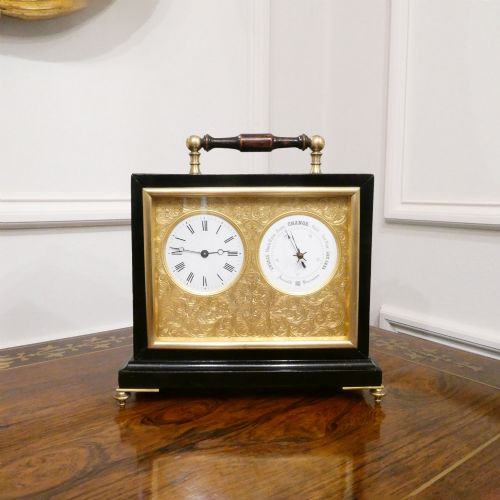
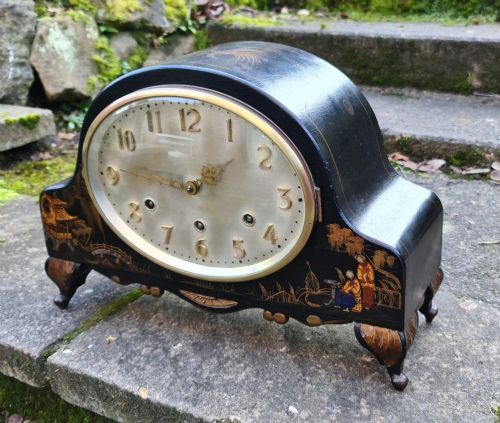
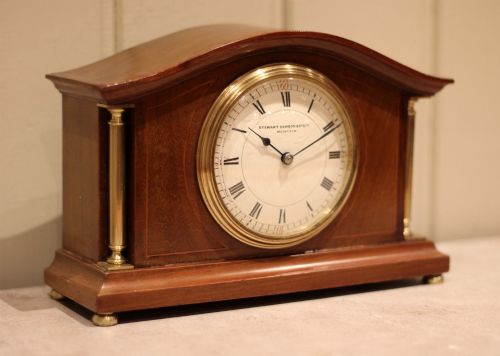
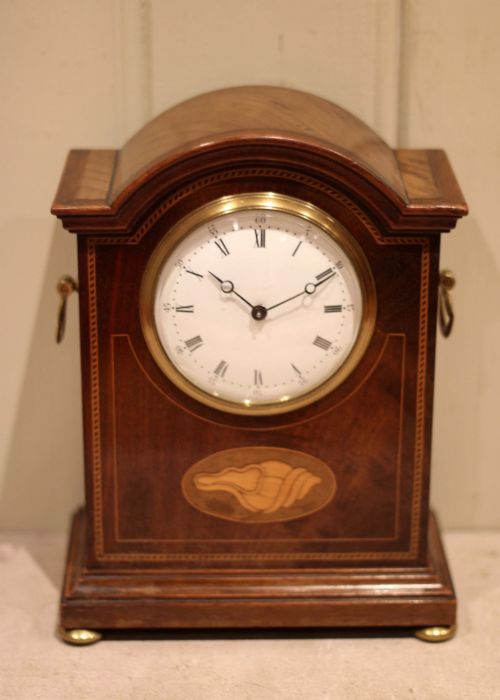
Brass Table Timepiece
A brass table timepiece is a compact timekeeper designed for desk or mantel placement, combining functional movement with decorative metalwork.
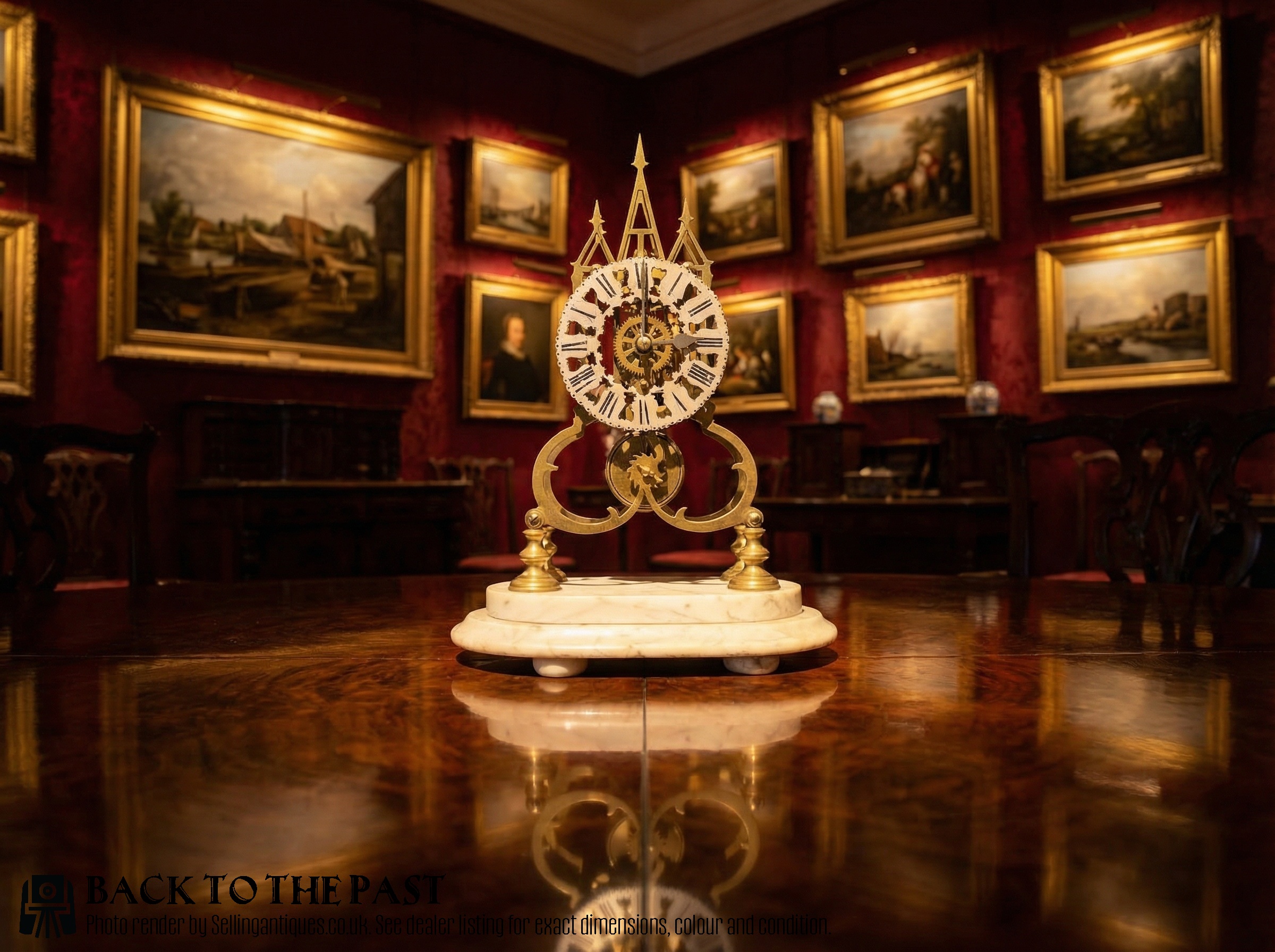
Brass Table Timepiece
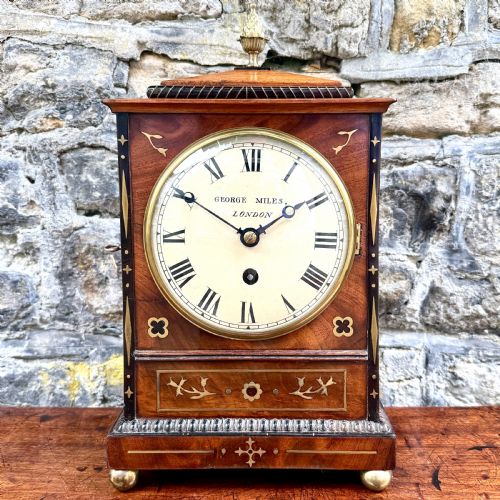
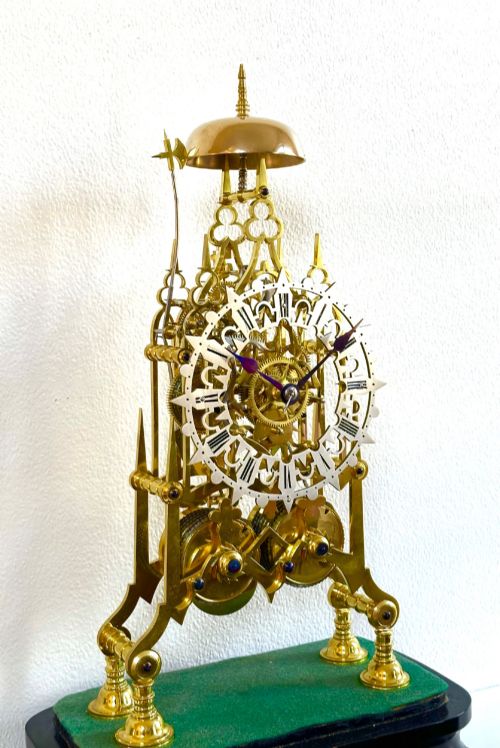
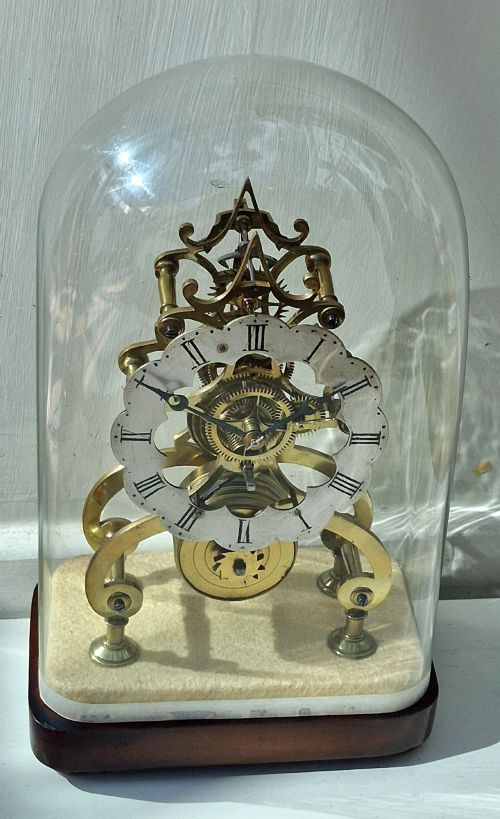
A brass table timepiece is a portable or surface-standing clock housed or mounted in brass, frequently encountered in forms ranging from carriage clocks to library and mantel designs. These objects serve to track hours in domestic or professional rooms while functioning as decorative furniture ornaments.
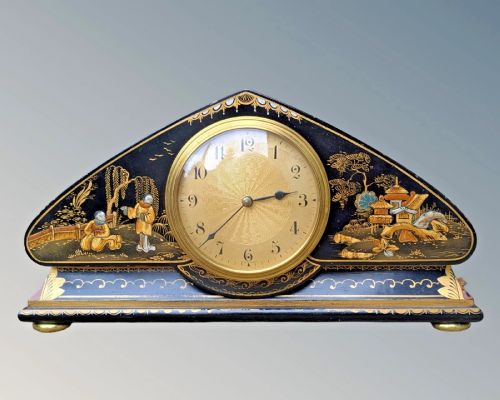
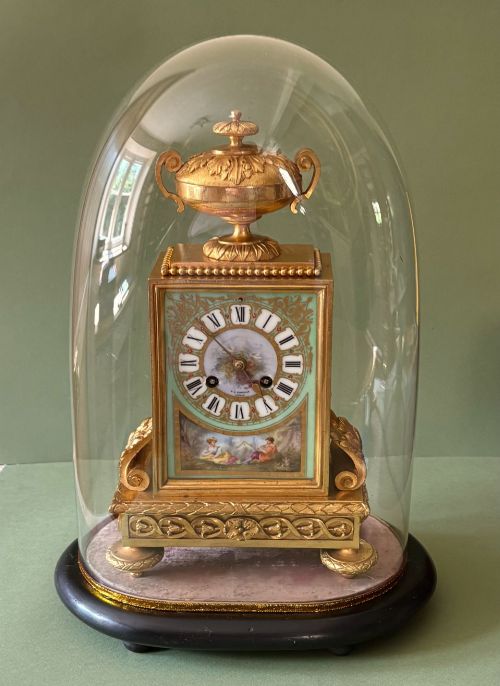
The selections span multiple periods including the Victorian era, the Edwardian years, and the Art Deco movement. Buyers frequently encounter French 19th Century and English examples utilising brass alongside glass panels or wooden cases.
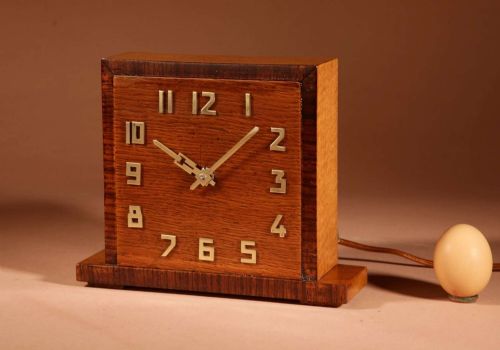
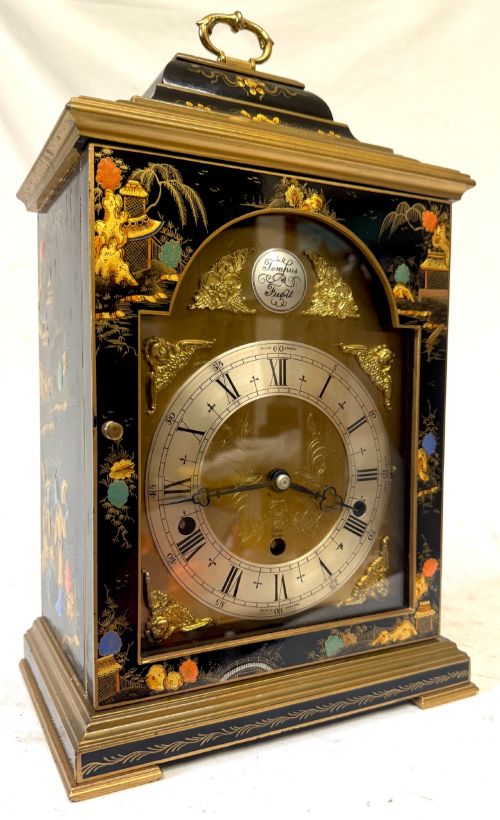
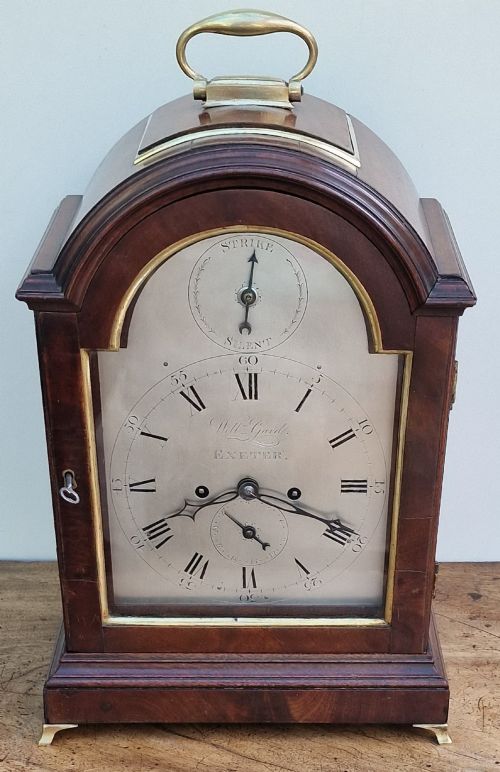
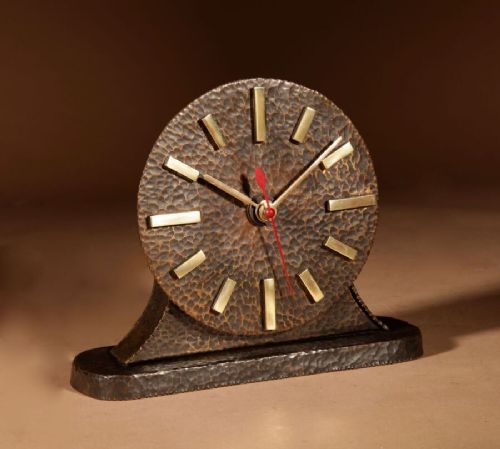
Variations in form include miniature carriage clocks with glass sides, architectural bracket clocks, and desk timepieces set upon bakelite or timber bases. Each type reflects the prevailing design sensibilities of its respective decade, from ornate gilt bronze to restrained mahogany bodies.
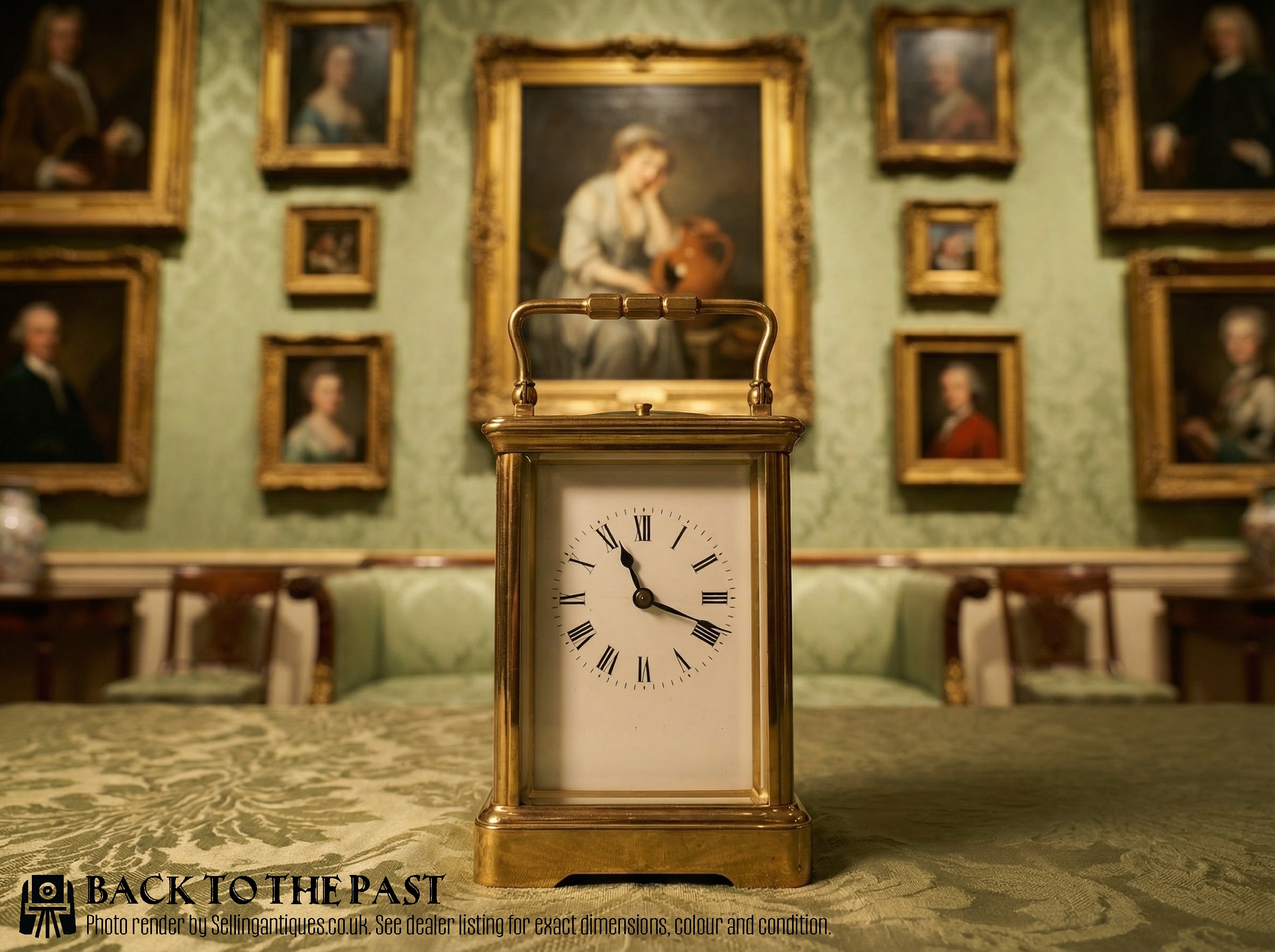
Materials and construction
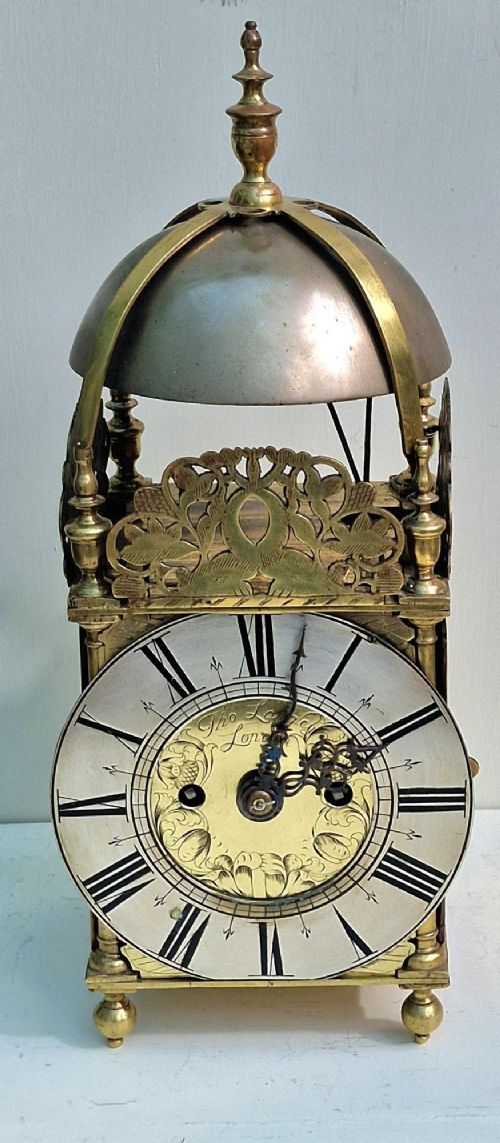
Makers constructed these timepieces utilising cast or rolled brass, often combining the metal with gilt bronze, ormolu, and glass. Wood elements such as mahogany, rosewood, and ebonised timber frequently form the primary housing for English bracket and library clocks.
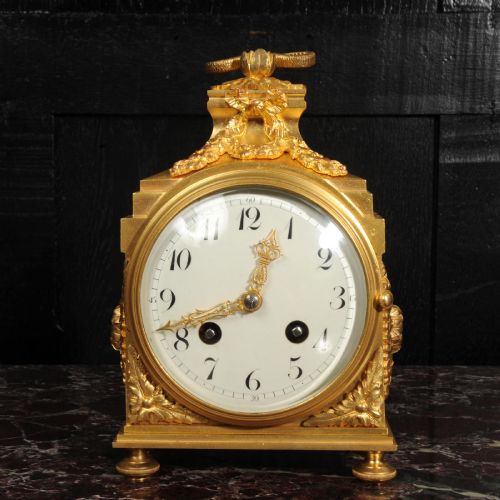
Movements incorporate metallic gears, springs, and dials featuring enamel or engraved brass faces. Decorative finishes range from polished or fire-gilt ormolu surfaces to hammered patinated brass seen in later twentieth-century pieces.
Brass Table Timepiece Retail Price Guide 2026
Typical asking prices for brass table timepiece among the pieces listed under this phrase on Sellingantiques today, from the lower quarter to the upper quarter. They describe what is for sale here now, not the wider market.
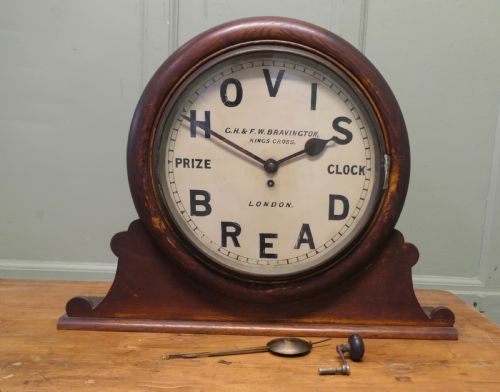
One listed timepiece bears an official R.A.F. Officers Mess designation from 1938, keeping watch over lunch.
Distinguishing quality
Superior quality manifests in the crispness of casting and engraving upon the brass case and dial work. Heavier gauge metals and meticulous hand-finishing separate finer workshop output from mass-produced commercial alternatives.
The integration of the movement within the case reveals the maker's intent, where robust mechanical escapements and signed dial plates indicate higher grade craftsmanship.
Thomas Langley·William Gard·Mappin and Web·Walker and Hall·Webster Cornhill London
The Brass Table Timepiece Glossary
- Carriage clock
- A small, portable spring-driven timepiece originally designed for travelling, typically featuring a glazed brass case with a swing handle at the top.
- Ormolu
- Finely ground high-carat gold applied to a bronze base using a mercury amalgamation process, or used to describe gilt brass ornaments.
- Fusee
- A conical pulley connected to the mainspring by a chain or cord designed to maintain even power delivery as the spring unwinds.
- Bracket clock
- A portable table or mantel clock originating from an era when such pieces stood upon matching wall brackets to project sound and visibility.
Brass Table Timepiece: Frequently Asked Questions
How do I wind a brass table timepiece?
Most mechanical versions require a matching key inserted into the winding square on the dial or backplate. Turn the key gently until resistance indicates the mainspring is fully tensioned.
Avoid overwinding, as this damages internal components. Spring-driven models typically run for eight days or thirty hours depending on the movement type.
Where should I place a table timepiece?
Position the clock on a stable, level surface such as a mantelpiece, desk, or sideboard away from direct sunlight and drafts. A level platform ensures the escapement beats evenly and the clock keeps accurate time.
Avoid locations subject to excessive vibrations or dampness, which can affect the delicate internal metalwork and wooden cases.
How do I tell an older clock apart?
Examine the construction methods, materials, and signatures stamped on the movement backplate or dial. Nineteenth-century examples often feature hand-engraved brass plates and mercury gilding, whereas later pieces incorporate standardised machine-tooled parts.
Stylistic cues such as Regency mahogany cases or Art Deco bakelite bases also help anchor the piece to a specific decade.
Do these clocks require professional servicing?
Mechanical clocks benefit from periodic cleaning and lubrication by a qualified horologist to remove old oils and dust. Regular maintenance prevents wear on brass gears and steel pivots over decades of use.
Electric or quartz variants need battery checks, but traditional spring-driven movements require professional intervention if they stop running or lose time consistently.