
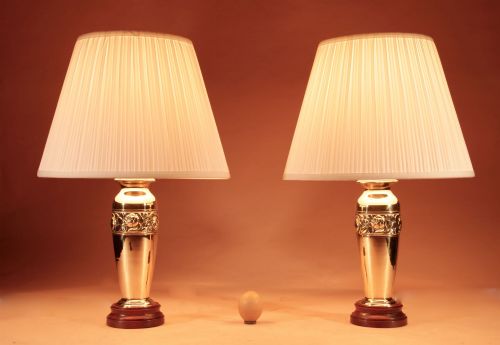
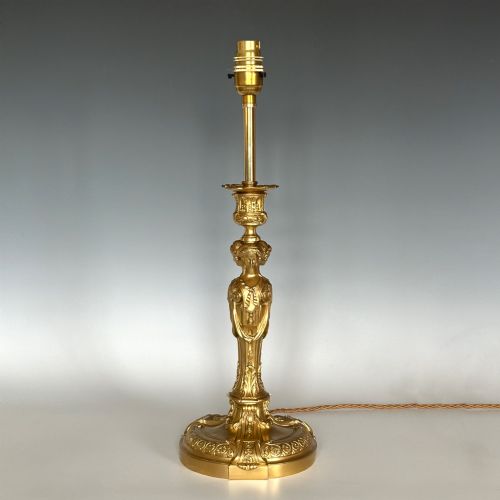
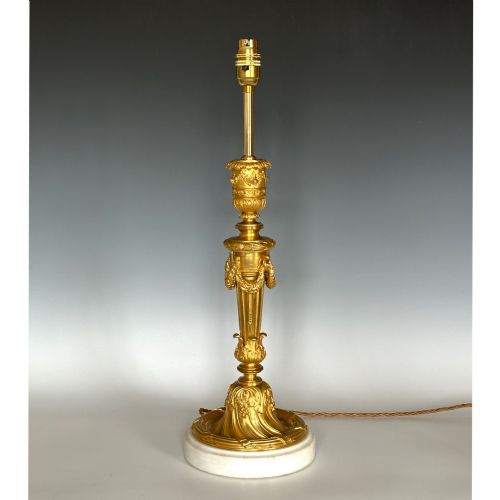
Brass Table Lamp Base
A brass table lamp base anchors a room with polished metal and classical proportions, offering a functional antique that suits various interior styles.
Brass Table Lamp Base
When searching for a brass table lamp base, collectors encounter a diverse selection of lighting fixtures spanning the Victorian, Edwardian, and Art Deco periods. These items range from sturdy rewired columns to ornate continental designs incorporating marble, ceramic, and glass elements.
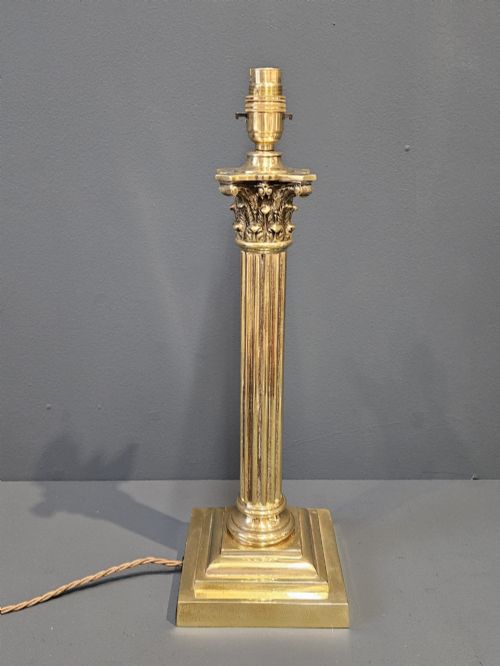
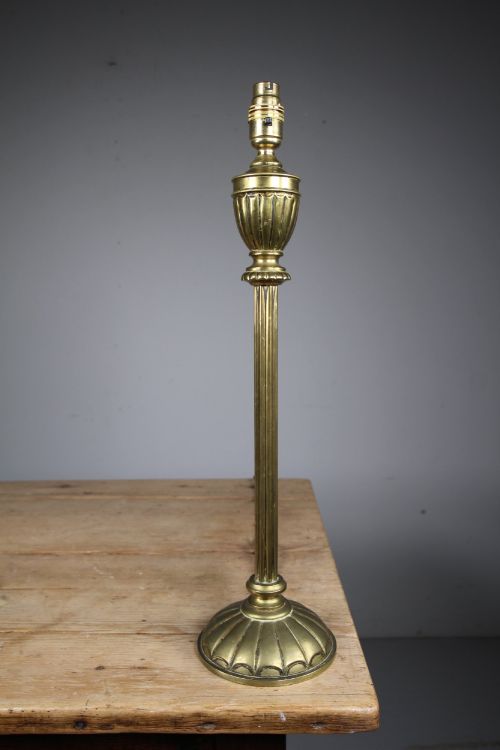
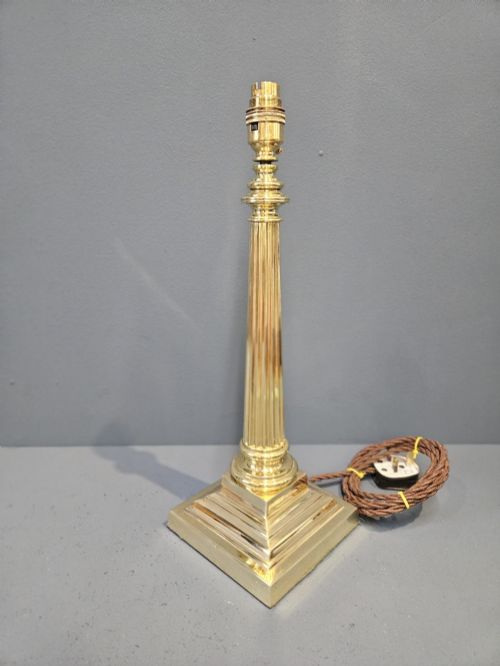
The most common examples on this page are classical column forms, particularly Corinthian and reeded shafts produced during the late nineteenth and early twentieth centuries. Many pieces began life as oil lamps or fluid burners before undergoing conversion to electricity in later decades.
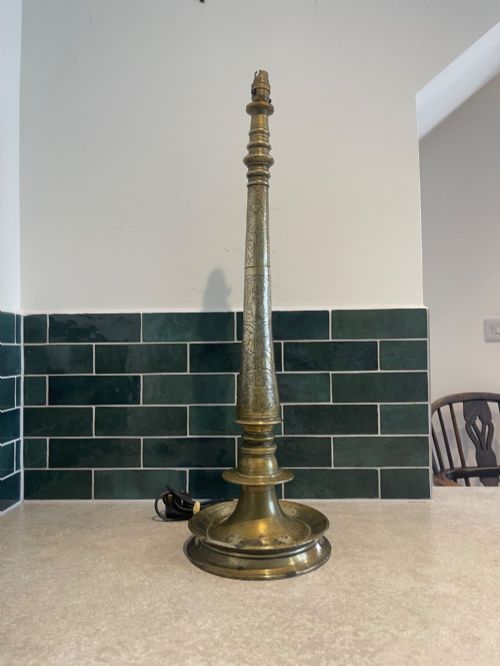
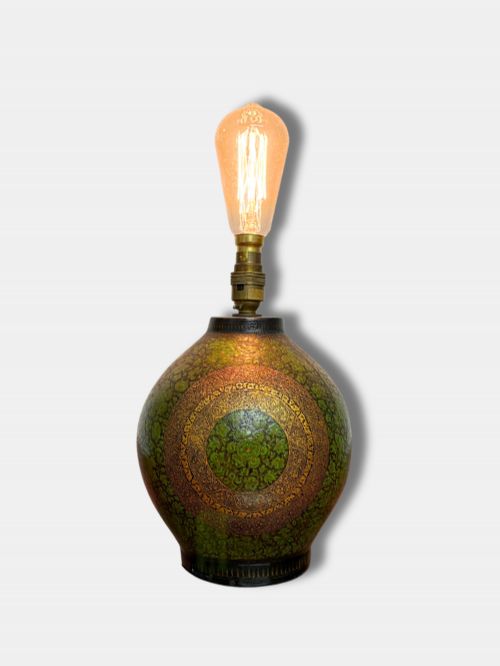
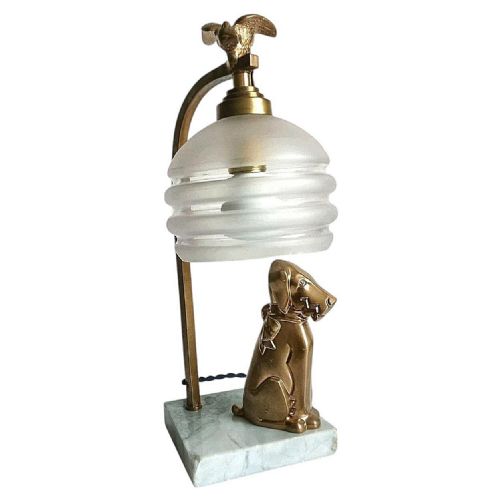
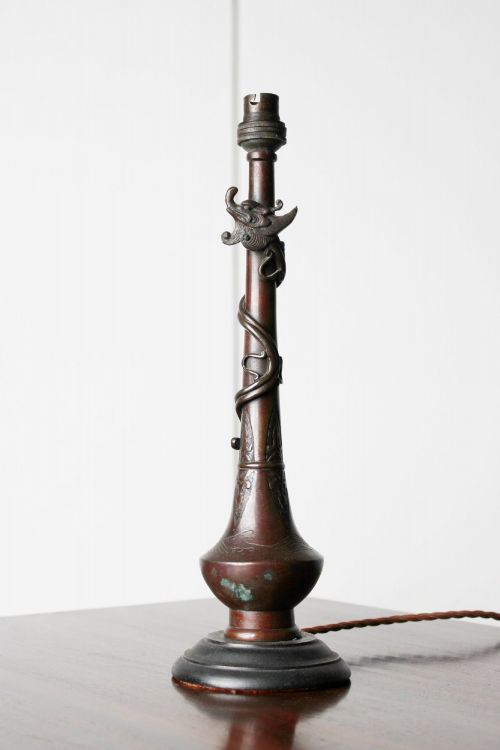
Beyond standard domestic lighting, the selection includes adjustable desk lamps, novelty animal figures, and exotic regional variants such as Indian and Kashmiri metalwork. These domestic objects demonstrate how period manufacturing techniques adapted to changing interior fashions over successive decades.
How they were made
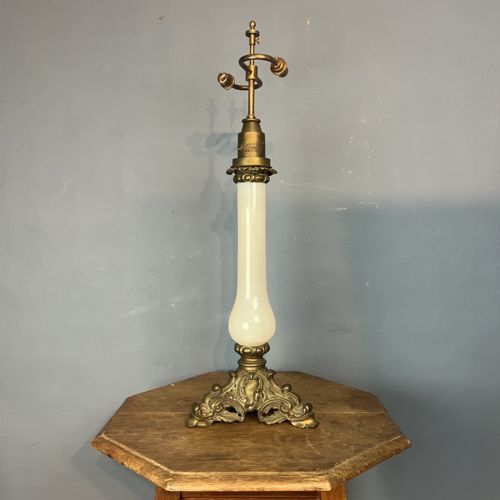
Construction methods rely heavily upon cast and spun brass components assembled with threaded rods, secure bases, and weighted interiors for stability. Many examples incorporate secondary materials such as slate, marble, onyx, or carved wood into the foundation.
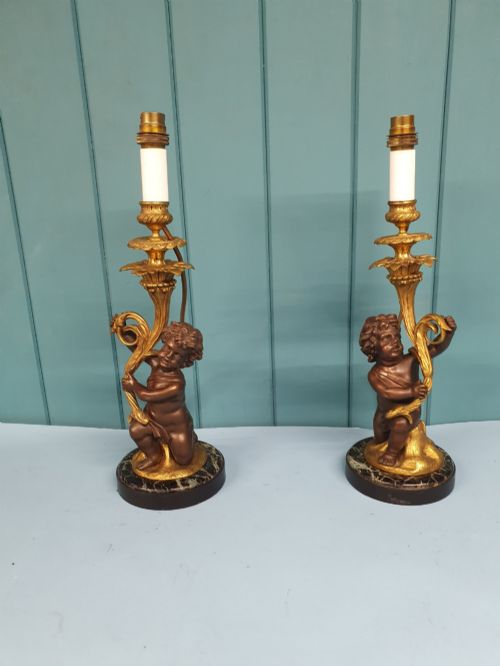
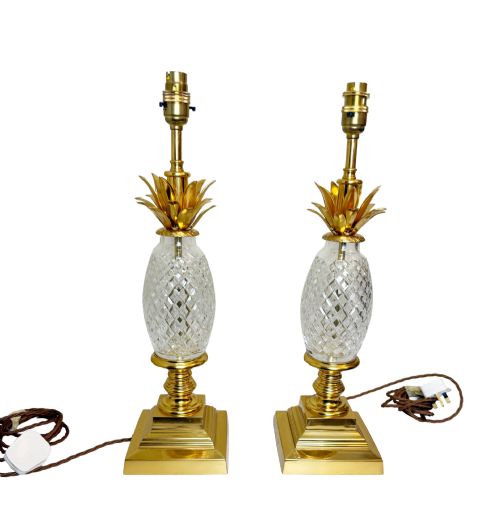
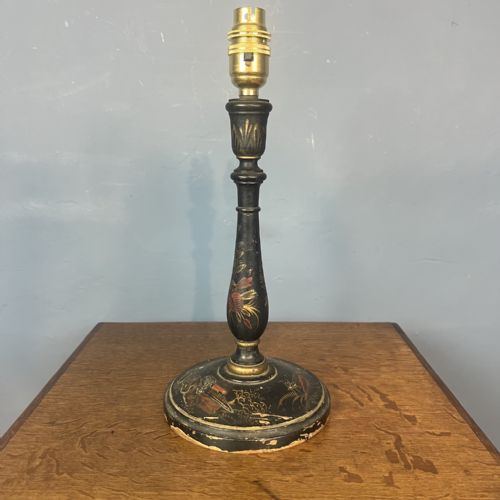
Decorative surface treatments include polished finishes, lacquering, silver plating, and gilding, alongside detailed chasing and casting derived from French styles like Louis XVI and Rococo revivalism. Makers frequently combined cast metal mounts with blown glass fonts, opaline bodies, or ceramic inserts.
Listings feature brass, bronze, glass, and marble across Victorian, Edwardian, and Art Deco periods.
What varies in quality
Quality in these lighting fixtures is determined by the crispness of the metal casting, the weight of the base, and the integrity of the structural assembly. Superior examples display finely detailed acanthus leaves on column capitals, heavy gauge brass, and well-balanced proportions without unnecessary distortion.
The degree of artistic execution in decorative elements, such as figural bases or applied champlevé enamel, distinguishes standard production pieces from higher-grade workshop creations. Original components, consistent patination, and maker stamps or patent marks further elevate the standing of an individual item.
Mc Gary·Mel Elek·WAS Benson
The Brass Table Lamp Base Glossary
- Corinthian column
- A classical architectural support featuring an ornate capital decorated with carved acanthus leaves. This motif proved especially popular for tall Victorian and Edwardian lighting stands.
- Opaline glass
- A pale, translucent milk glass developed during the nineteenth century to soften light output. It appears frequently in bodies and fonts paired with metal mounts.
- Ormolu
- Gilded bronze or brass applied to decorative objects and furniture mounts, mimicking solid gold. The technique gained prominence during French revival periods in the nineteenth century.
- PAT tested
- A safety examination confirming that portable electrical appliances meet current operational standards. Rewired historical pieces often carry this certification for modern use.
- Bendy desk lamp
- An adjustable task light utilising flexible joints or articulated arms. These functional pieces date largely from the early twentieth century industrial era.
Brass Table Lamp Base: Frequently Asked Questions
Were all these bases originally electric?
Many nineteenth and early twentieth century lighting fixtures were manufactured to burn oil or gas before being converted for electrical use in subsequent years. This transition often involves modern internal wiring while retaining the antique metal structure.
Evidence in the archives shows numerous examples explicitly noted as rewired or adapted from oil lamps, reflecting the changing technology of domestic illumination over time.
How do I date a brass column lamp?
Dating relies upon stylistic cues in the capital design, the composition of the base, and manufacturing techniques like sand casting marks. Victorian examples frequently favour heavy classical orders, whereas Edwardian and 1920s versions introduce slender profiles or stepped platforms.
Comparative analysis with documented periods helps narrow down the decade of production when maker marks are absent from the metalwork.
What is a Corinthian column lamp?
A Corinthian column lamp mimics ancient Greek architecture by placing a highly decorative capital atop a straight or reeded metal shaft. These formal pieces provided height and stability on side tables and desks.
They represent one of the most enduring designs found across Victorian and Edwardian domestic interiors.
Can I use modern lamp shades on these bases?
Most historical stands accommodate standard modern shades provided the fitter size and shade carrier match the existing bulb holder threading. Standard shade carriers allow for flexible styling with fabric, glass, or parchment covers.
Buyers should check the specific gallery fitter type to ensure seamless pairing with contemporary or vintage shades.