
Brass Studded Leather Chairs
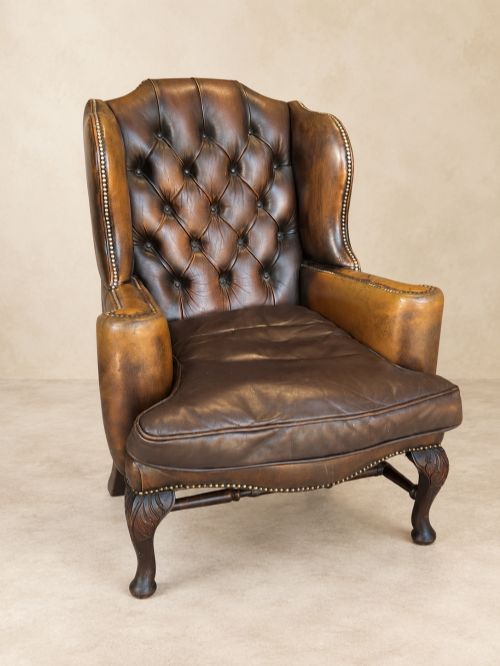
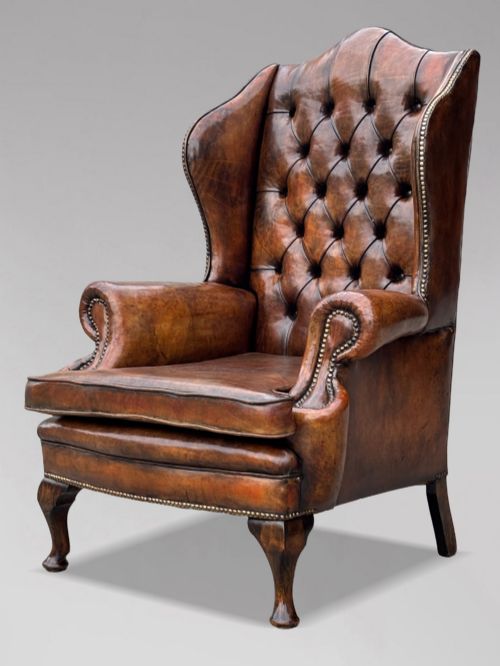
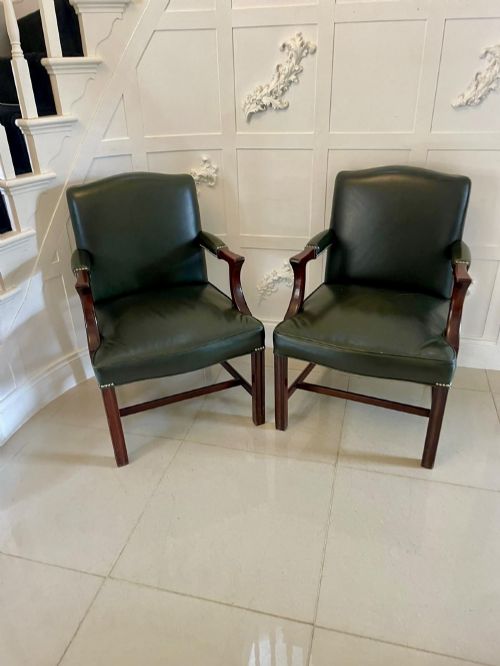
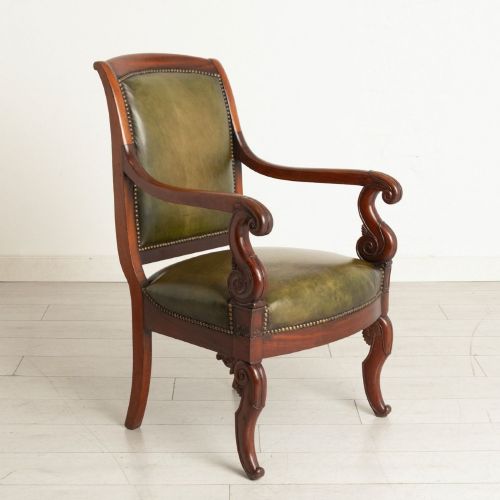
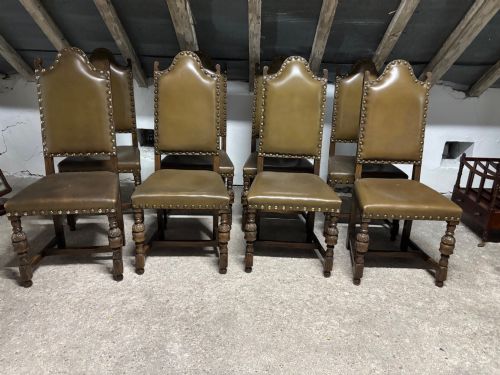
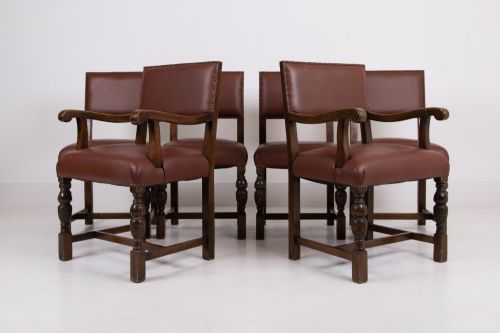
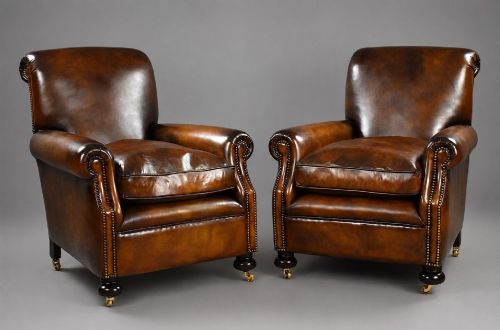
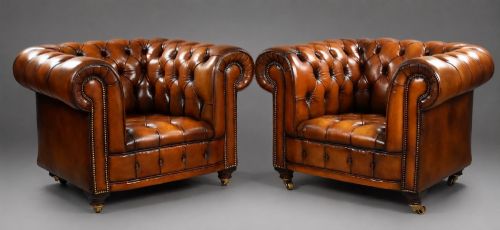
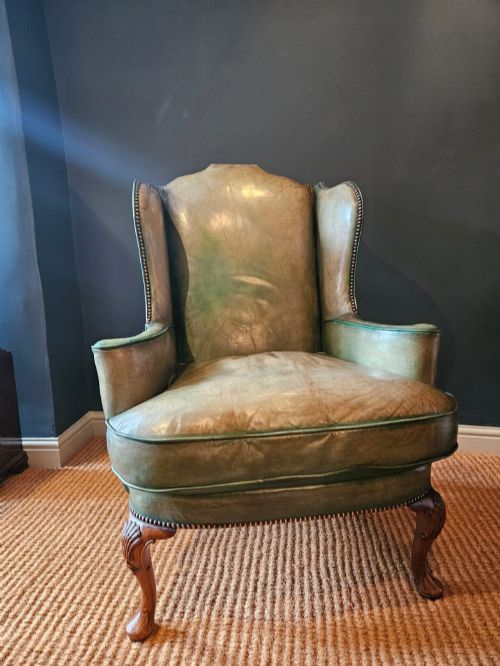
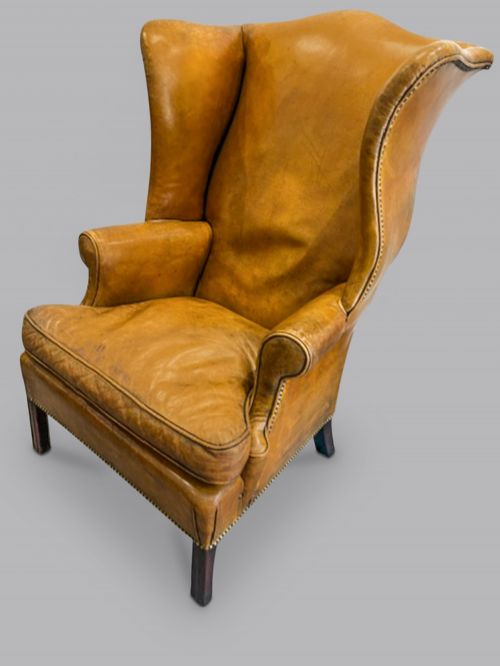
These brass studded leather chairs bring solid period character to a room, offering robust seating built from seasoned hardwoods.
What brass studded leather chairs are
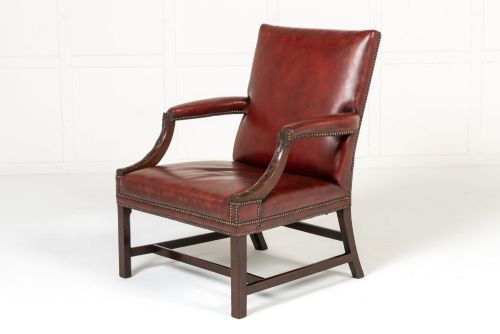
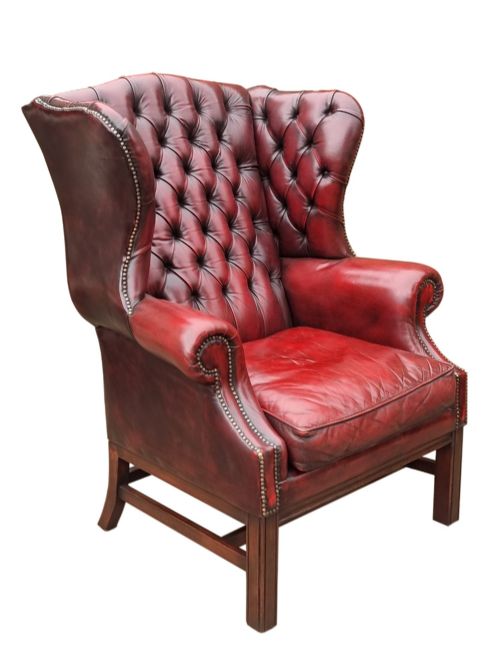
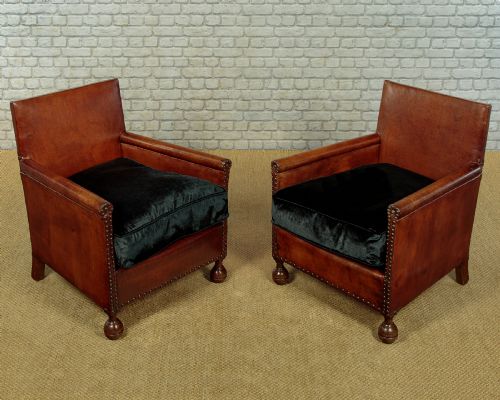
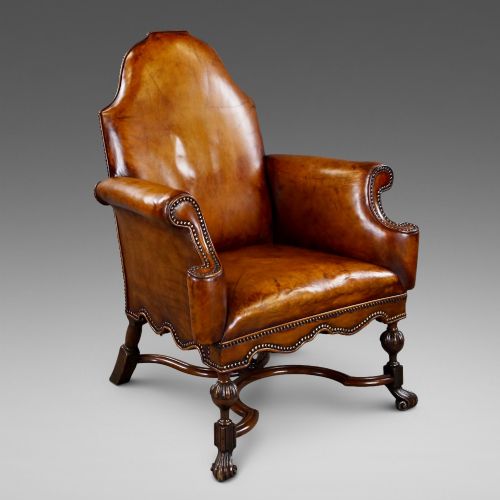
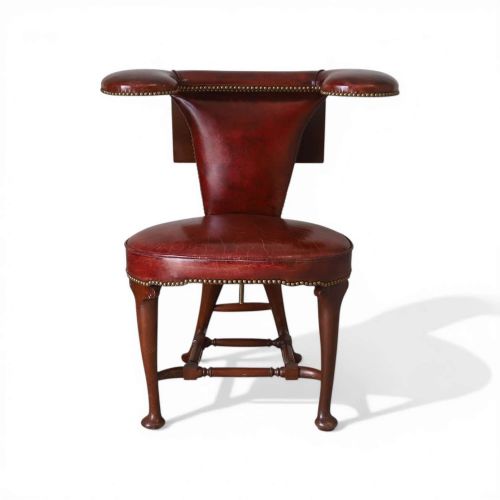
Brass studded leather chairs combine heavy timber frames with hide upholstery secured by metal tacking, spanning dining chairs, desk chairs, and library armchairs. These seats appear across diverse historical revivals and stylistic periods, including the nineteenth century, Edwardian era, and the nineteen-twenties.
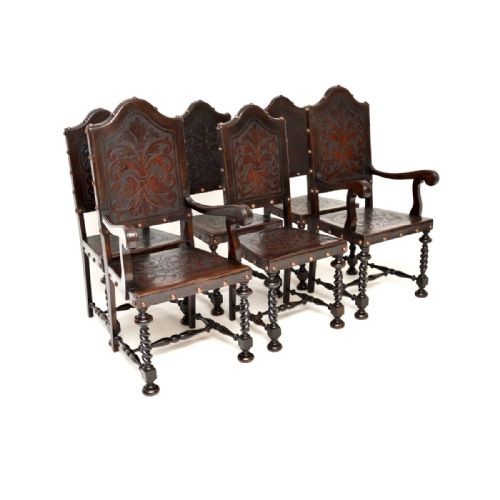
The selections available here range from matched dining sets in oak and walnut to single pairs of mahogany desk chairs and club armchairs. Makers drew inspiration from earlier centuries, yielding interpretations in seventeenth-century style, Portuguese Baroque, Spanish Revival, and Arts and Crafts designs.
Buyers most frequently encounter robust dining chairs configured in sets of four, six, or eight, alongside occasional pairs of comfortable library and club seating. Each piece utilises traditional timber construction paired with tanned or embossed leather hides.
How they were made
Construction relies upon durable structural timbers such as oak, walnut, mahogany, and general hardwoods to form the supportive skeletons of the chairs. Artisans shaped these woods into substantial frames designed to withstand daily use in domestic and study environments.
Upholstery involves stretching leather over padded foundations and fixing the edges firmly in place with individual brass studs driven by hand. Certain examples incorporate embossed decoration upon the leather surface to enhance the decorative scheme of the backrests and seats.
Retail Price Guide 2026
Typical UK retail prices for brass studded leather chairs, calculated from the Sellingantiques database of over a million retail prices indexed since 2003. This retail price guide relies exclusively on Sellingantiques data; no external sources or auction records are used, so the figures do not describe the wider market.
Countless individual brass tacks hold these hides in place, each one hammered in by hand to keep the leather snug.
What varies in quality
The distinction between standard examples and finer pieces lies in the selection of cabinet timbers and the depth of the carving on the wooden frames. Superior chairs exhibit dense grain patterns in woods like walnut and mahogany, coupled with crisper execution in stylistic revival details.
Quality also manifests in the treatment of the leather upholstery and the regularity of the brass stud placement along the borders. Thicker hides and carefully worked embossing elevate the finish, while well-joined frame construction ensures long-term structural stability.
George Henry Walton
The Brass Studded Leather Chairs Glossary
- Brass Stud
- A small metal fastening with a rounded head used to secure leather upholstery to a wooden frame while adding a decorative border. These tacks appear individually hammered along the edges of the hide.
- Embossed Leather
- Hide stamped or pressed with raised patterns to create decorative motifs across the surface. This technique frequently appears on seating originating from continental workshops.
- Club Armchair
- A deep, upholstered seating form designed for comfortable lounging in libraries or studies. These chairs typically feature substantial leather coverings and supportive padded arms.
- Revival Style
- A design approach where makers imitate historical aesthetics from earlier centuries, such as the seventeenth century or the Georgian era. These pieces adapt older forms for contemporary domestic interiors.
Frequently Asked Questions
What rooms suit these chairs?
These chairs fit naturally into studies, dining rooms, and libraries where traditional wooden furniture predominates. Their sturdy construction handles regular placement around large dining tables or executive desks.
Matching sets work well in formal dining spaces, while single pairs of armchairs anchor reading corners or fireside settings.
How do I clean the leather?
Maintenance requires gentle dusting with a soft cloth and occasional treatment with appropriate leather conditioners to prevent drying. Avoid harsh chemical cleaners that can strip the natural finish of the hide.
Keeping the leather nourished preserves its flexibility and maintains the appearance of the brass studs surrounding the upholstery borders.
Are these chairs comfortable?
Comfort levels vary depending on the specific form, with club armchairs offering deep cushioning for extended sitting. Dining and desk chairs provide firmer, upright support suited for meals or administrative work.
The integration of padded leather backs and seats ensures practical utility across different stylistic interpretations.
How do I identify the period?
Dating relies upon examining the underlying timber species, construction methods, and stylistic revival cues visible in the frame design. Details like carved motifs and turned wooden legs often point toward specific design movements.
Comparing the joinery and hardware with documented examples from the nineteenth and early twentieth centuries helps clarify the age of each piece.