


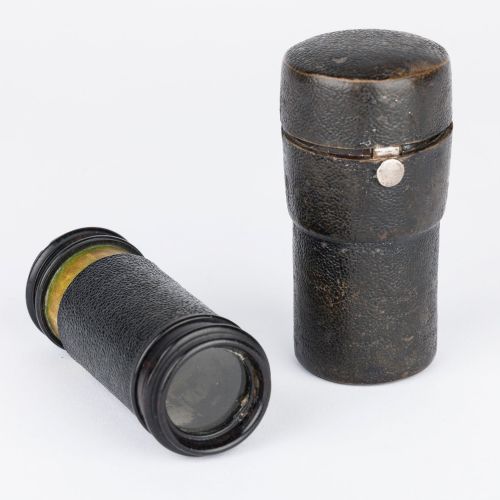
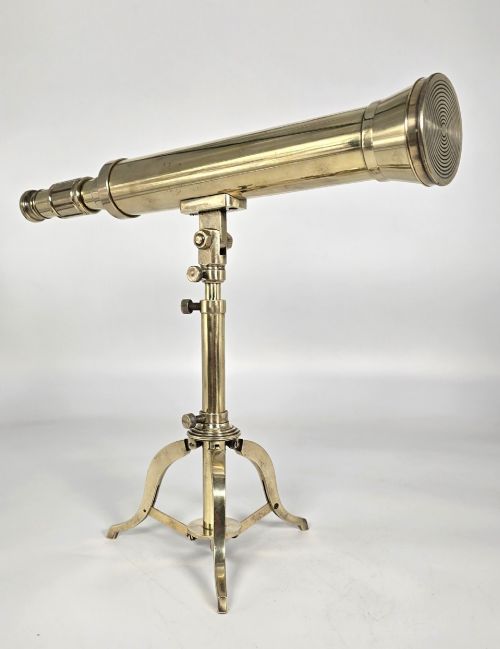


Brass Spyglass Telescope
A brass spyglass telescope brings distant horizons into sharp focus, offering the weight and mechanical precision of historical optics.
What brass spyglass telescope pieces are
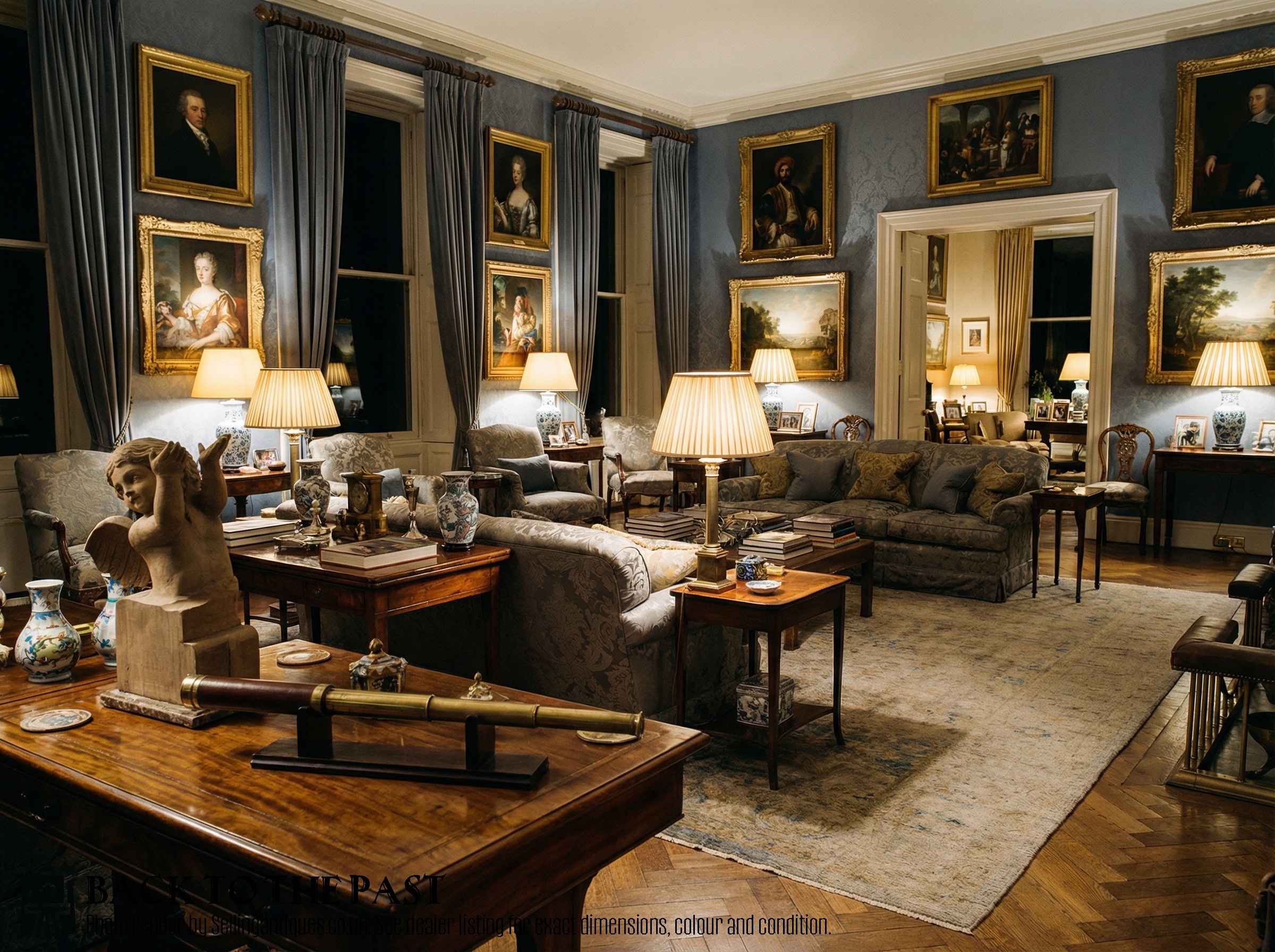
A brass spyglass telescope is a portable optical instrument designed for terrestrial viewing or maritime navigation during the Georgian, Regency, and Victorian eras. These handheld devices range from compact pocket versions with two or three draws to larger officer-of-the-watch models featuring leather-bound barrels and multiple extending sections.
Most examples found here date from the nineteenth century, reflecting the peak of British optical manufacturing in London and Sheffield. Buyers frequently encounter instruments configured for day or night use, alongside specialised pieces mounted on small folding stands for stationary viewing.
The forms span simple utilitarian brass tubes to sophisticated multi-draw variations housed in fitted wooden cases. Each piece demonstrates the practical application of lenses and sliding brass cylinders to achieve magnification before the widespread adoption of modern binoculars.
How they were made
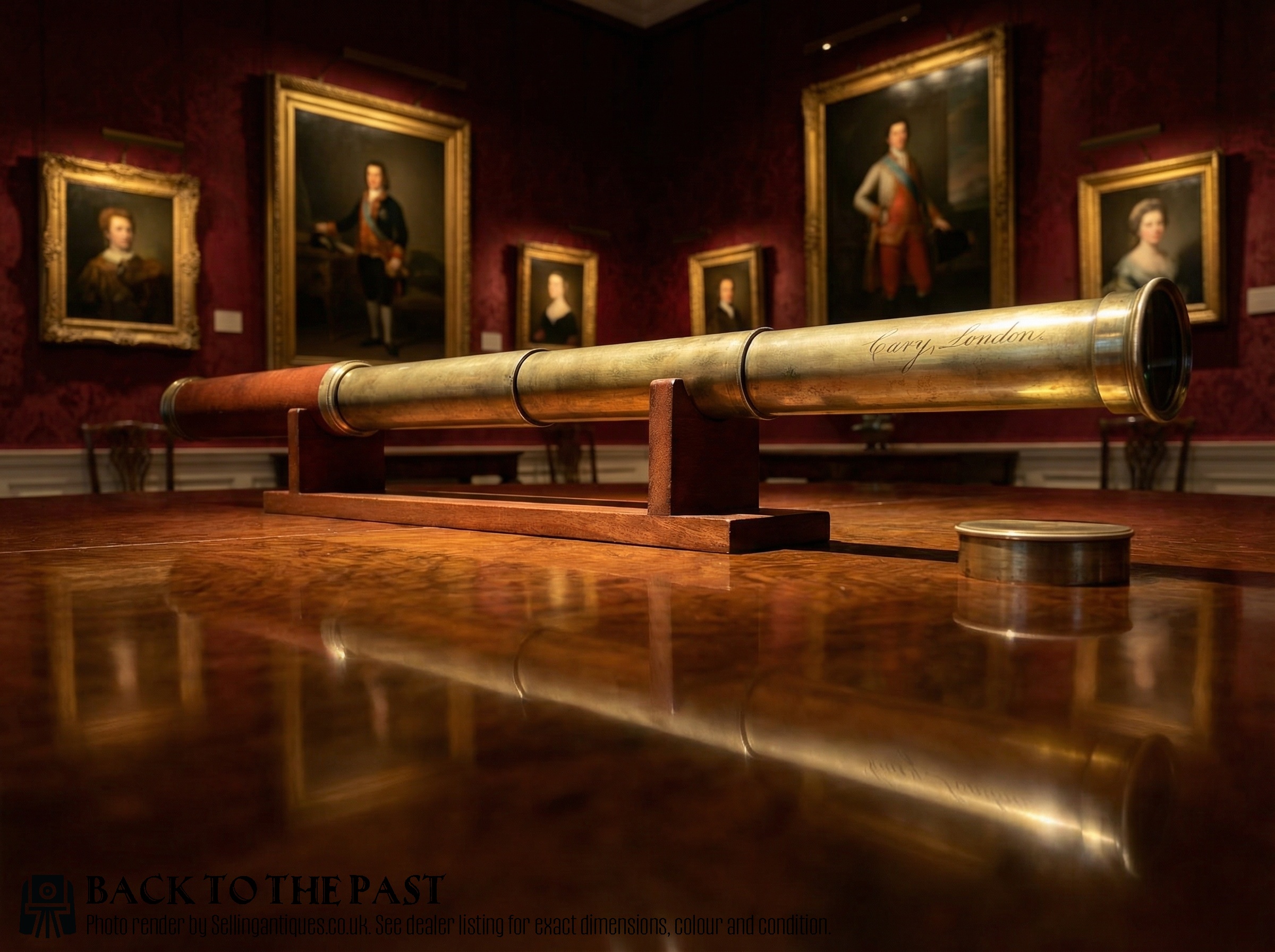
Makers constructed the primary barrels and draw tubes from turned and polished brass, ensuring smooth telescoping action between the inner and outer sleeves. Many bodies were then wrapped in stitched leather, mahogany, fruitwood, or oak to provide a secure grip and protect the metal from marine environments.
Internal optical systems relied on precision-ground glass lenses arranged to deliver upright terrestrial images rather than inverted astronomical views. Workshops in London and Sheffield signed these components directly onto the brass draw tubes, marking their output with maker names and intended use.
Retail Price Guide 2026
Typical UK retail prices for brass spyglass telescope, calculated from the Sellingantiques database of over a million retail prices indexed since 2003. This retail price guide relies exclusively on Sellingantiques data; no external sources or auction records are used, so the figures do not describe the wider market.
Listings span Georgian, Regency, and Victorian periods, incorporating brass, leather, glass, mahogany, fruitwood, and oak.
What varies in quality
Quality in these instruments rests upon the clarity of the glass and the precision of the brass draw tubes. Tighter tolerances between sliding sections prevent wobble and maintain optical alignment when fully extended.
Signatures from notable makers elevate an instrument, as do surviving secondary materials like original leather grips and fitted wooden cases. Simpler unsigned pieces offer the same functional utility while lacking the documented provenance of workshop-labeled items.
Richardson·Cary London·L. Casella London·Chadburn Brothers of Sheffield·After Dollond
The Brass Spyglass Telescope Glossary
- Draw
- An individual sliding tube section of a telescope that extends to adjust focal length and magnification. Multi-draw instruments fold down into compact lengths for easy pocket storage.
- Terrestrial
- An optical configuration designed to show upright images for land or sea viewing rather than inverted astronomical sights. These systems utilise erecting lenses inside the brass barrel.
- Spyglass
- A common historical term for a small, portable refracting telescope used by sailors, officers, and travellers. The word evokes the maritime and military origins of these handheld optics.
- Day or Night
- An optical setting or lens arrangement intended to maximise light gathering under varying atmospheric conditions. Such instruments were particularly prized by maritime watchkeepers operating at dawn or dusk.
Frequently Asked Questions
How do I extend a multi-draw telescope safely?
Pull each brass section out fully until it seats firmly without forcing the metal beyond its natural stop. Twisting the tube gently while sliding can help ease the sections apart.
Keep the brass clean and dry to ensure the tubes glide smoothly without scratching the metal surfaces during operation.
What is the difference between a pocket telescope and an officer watch model?
Pocket telescopes feature fewer draws and shorter lengths, designed for easy concealment and quick civilian use. Officer of the watch models are larger, often leather-wrapped, and built for extended marine observation.
Both types utilise brass construction, but the larger maritime versions provide greater light gathering capability through wider objective lenses.
How can I tell a Regency telescope from a Victorian one?
Regency instruments often display simpler lines and characteristic London signatures from the early nineteenth century. Victorian examples frequently incorporate more complex multi-draw mechanisms and standardised leather or wood coverings.
Examining the engraving style on the draw tubes helps distinguish the earlier Georgian and Regency periods from later Victorian production.
Were these telescopes used exclusively at sea?
While maritime use was common for navigation and signaling, many terrestrial spyglasses served landowners, travellers, and military officers on land. Pocket versions suited gentlemen on country walks for viewing distant wildlife or scenery.
The inclusion of leather or fruitwood grips accommodated both damp sea air and handling during overland travel.