
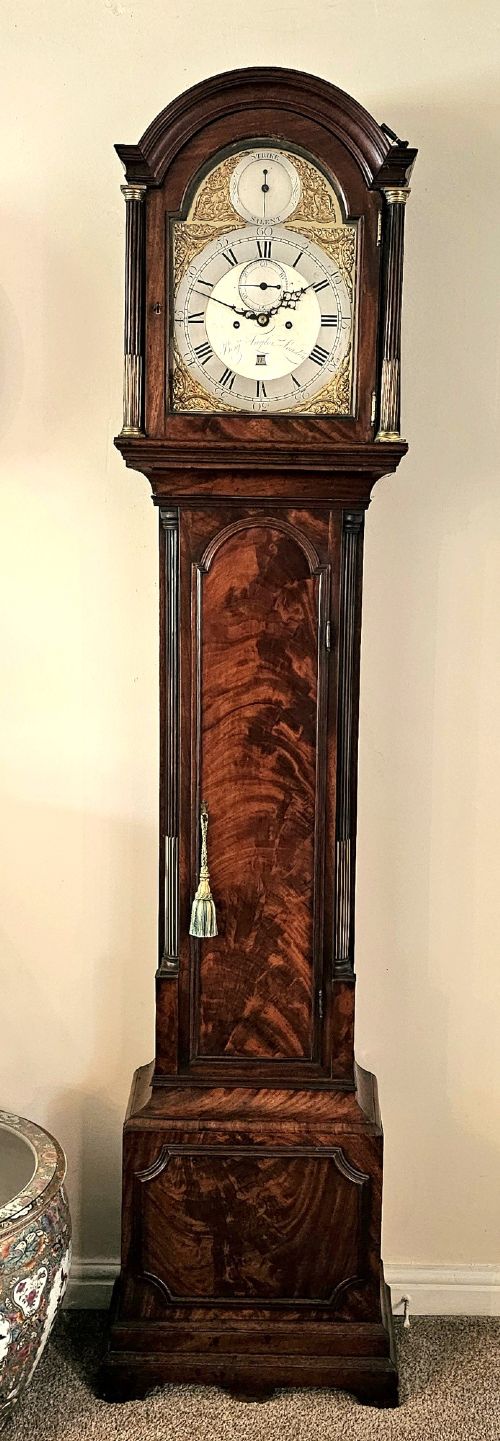
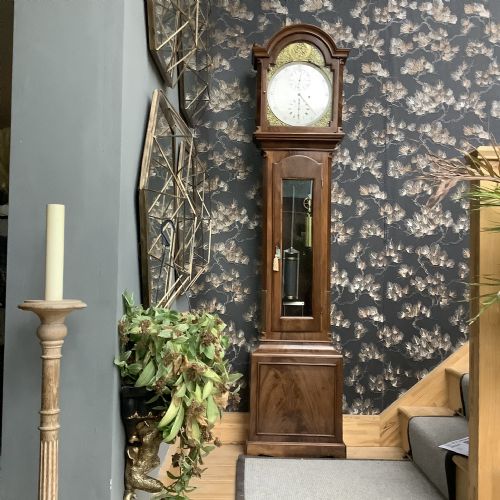


Brass Spandrel Clock Dial
A brass spandrel clock dial brings the intricate mechanical heartbeat of eighteenth-century and later timekeepers into focus.
Brass Spandrel Clock Dial
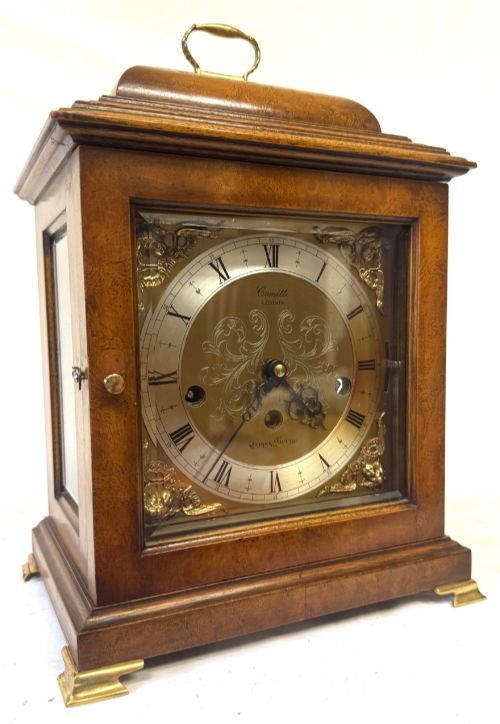
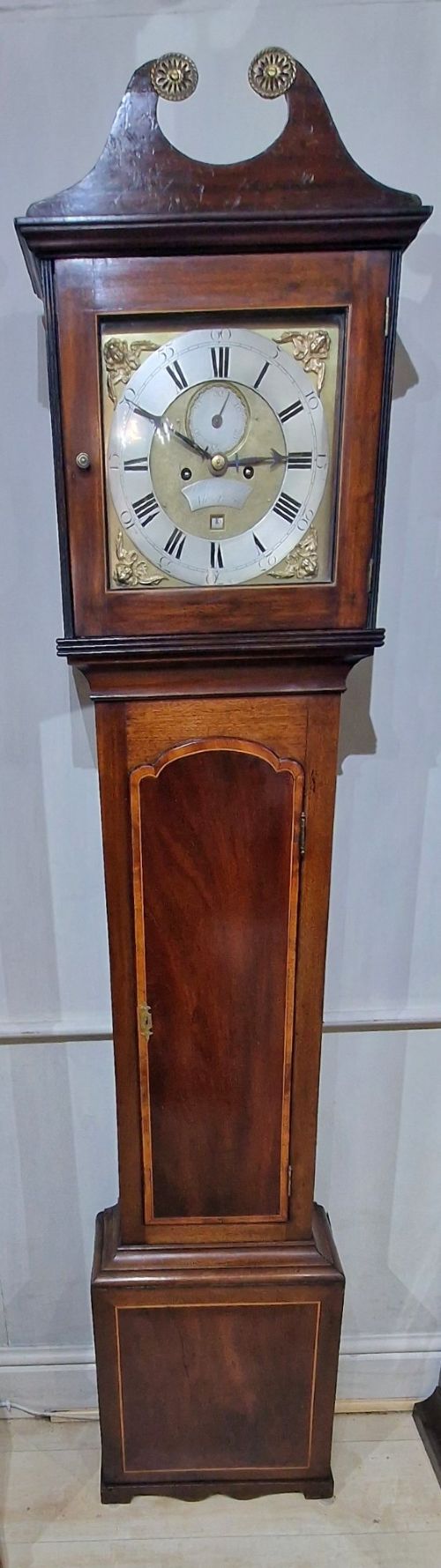
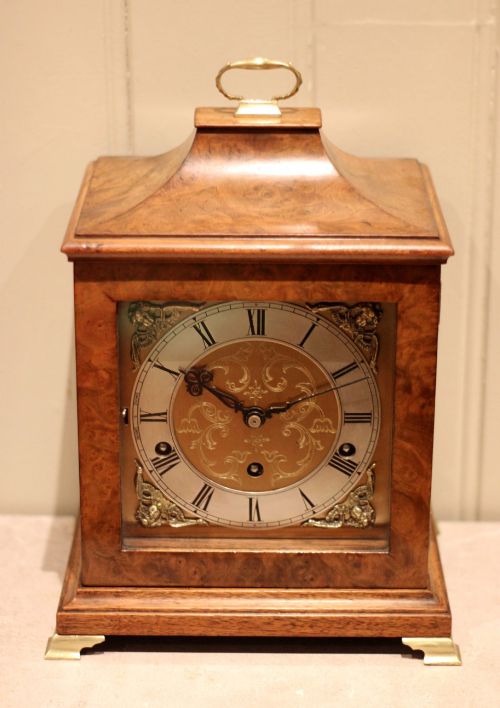
When you search for a brass spandrel clock dial, you are examining the decorative corner ornaments and faceplates belonging to longcase and bracket clocks. The examples seen on this page appear predominantly on eighteenth-century Georgian longcases alongside later revival mantel and bracket formats.
Most pieces date from the seventeen-hundreds up through the Georgian and Victorian eras, frequently housed within oak or mahogany cases. These components range from individual dials salvaged from movements to complete clocks featuring engraved brass faces.
Collectors encounter provincial English makers alongside London clockmakers, showing regional variations in engraving depth and spandrel casting style. Longcase clocks form the majority of these listings, accompanied by bracket and desk clocks.
Assessing dial and movement quality
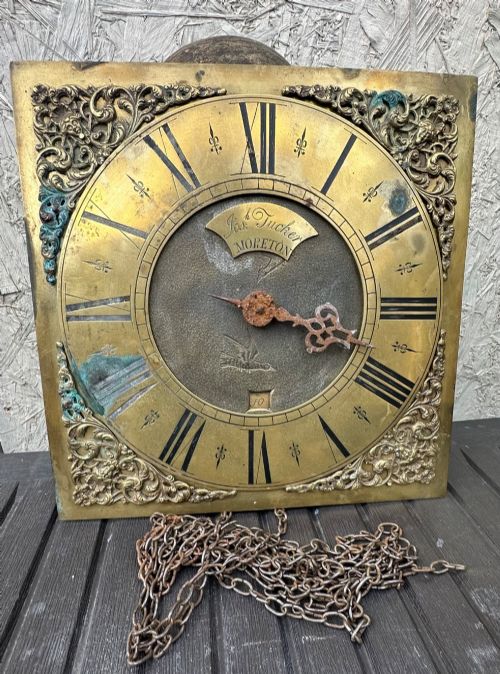
Quality rests in the crispness of the brass casting and the depth of hand-engraving across the dial plate. Finer examples display intricate pierced spandrels and sharply defined chapter numerals rather than shallow machine-pressed patterns.
The integration between the brass dial and the enclosed movement indicates the standard of workshop production. Well-executed pieces maintain proportional harmony between the spandrels, hands, and subsidiary dials.
Listings span the eighteenth century to the twentieth century, combining Georgian longcase clocks with Victorian, Edwardian, and later bracket clock formats in mahogany, oak, and walnut.
Benjamin Taylor·Thomas Utting·Somersall London·William Withers·Chater & Son·Standring of Bolton·Smith Chester·Joseph Lum·William Lister·King of Ratcliff Highway·Thomas Rogers of Bath·Vale of Coleshill·Hunsdon of Chelmsford
The Brass Spandrel Clock Dial Glossary
- Spandrel
- The ornamental corner piece fitted between the dial circle and the square edge of the clock face. These cast brass corners often indicate the period of the clock through their design.
- Chapter ring
- The circular metal ring affixed to the dial face that bears the hour and minute numerals. It is typically silvered brass on better quality eighteenth-century dials.
- Longcase clock
- A tall pendulum clock housed in a wooden case standing directly on the floor. These are commonly referred to as grandfather or grandmother clocks depending on their height.
- Fusee
- A conical pulley mechanism used in bracket and table clocks to maintain even tension on the gear train as the mainspring unwinds. This ensures more accurate timekeeping throughout the running cycle.
- Bracket clock
- A portable spring-driven clock originally designed to sit on a wall bracket or tabletop. They frequently feature carrying handles and striking mechanisms.
Brass Spandrel Clock Dial: Frequently Asked Questions
What is a spandrel on a clock dial?
A spandrel is the decorative corner piece attached to the four corners of a square clock dial. These brass ornaments frame the chapter ring and help date the piece based on their artistic style.
Early examples feature cherub motifs and scrollwork, while later Victorian and revival pieces adopt simpler or heavier cast patterns.
How do I date an 18th century clock dial?
Dating relies on stylistic shifts in the spandrels, the shape of the clock hands, and the signature engraving of the maker. Single-handed clocks generally point to earlier eighteenth-century production.
Maker signatures and recorded working dates found on the dial plate provide the most accurate chronological anchor.
Are these dials sold with movements?
The listings include both complete clocks with their original movements and isolated dial faces or movements. Some entries present movements housed in oak or mahogany longcase housings.
Buyers should examine each listing description to confirm whether the complete clock mechanism accompanies the brass face.
Where were these clocks made?
The pieces originate from workshops across England, spanning London makers to provincial towns such as Bolton, Chester, Yarmouth, and Bath. Regional differences appear in the engraving style and the choice of case timber.
Local cabinetmakers frequently built the oak or mahogany cases to house movements sourced from specialised dial makers.