
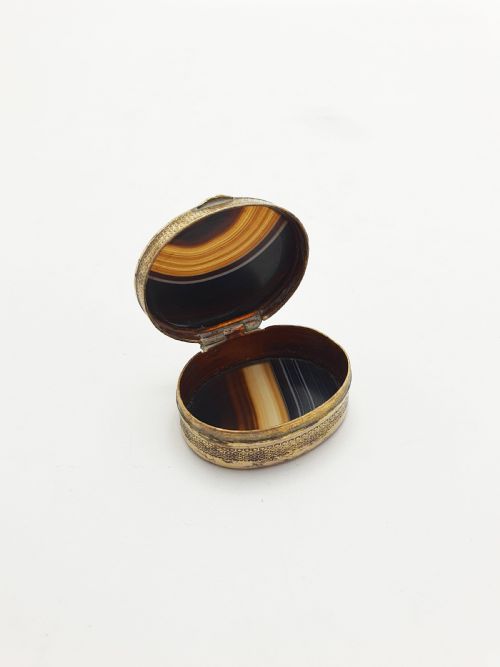


Brass Snuff Box
A brass snuff box carries the tangible weight of personal history, designed for pocket use or table service.
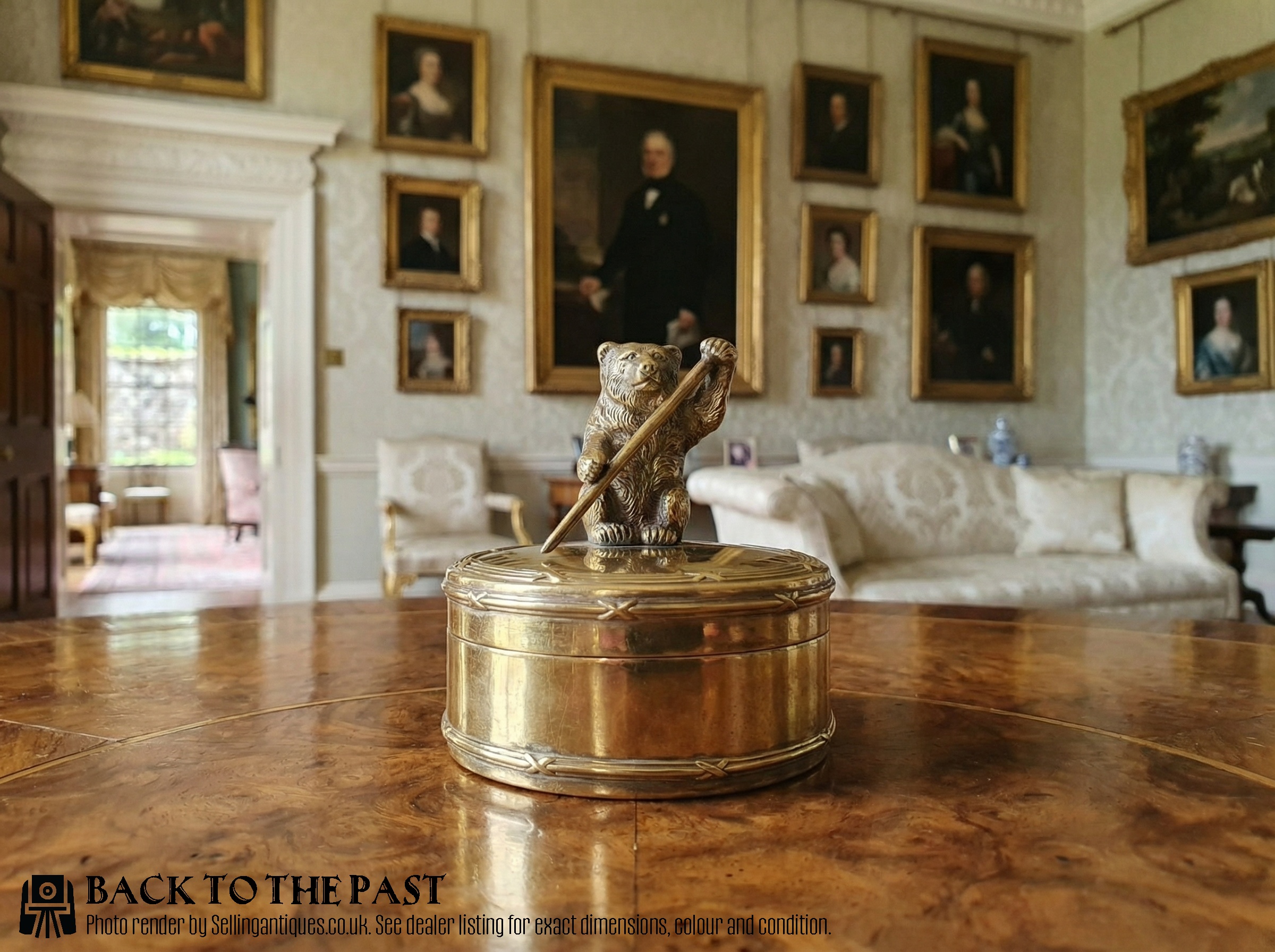
What they are
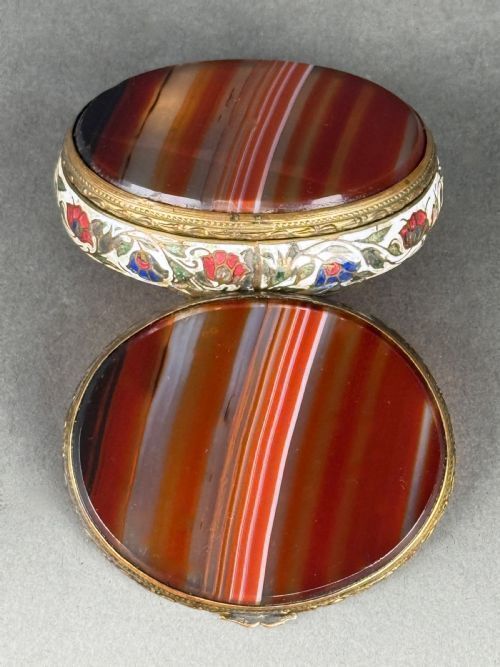
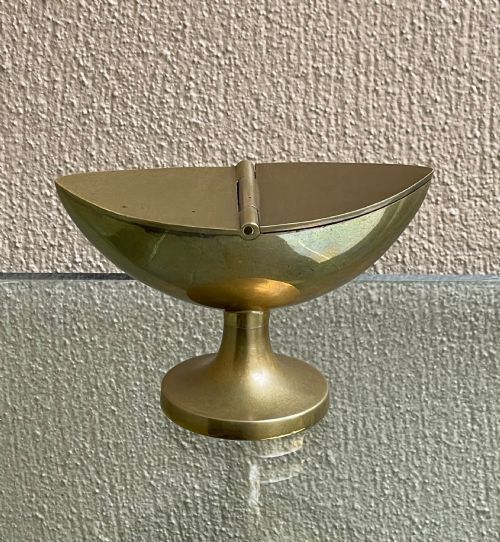
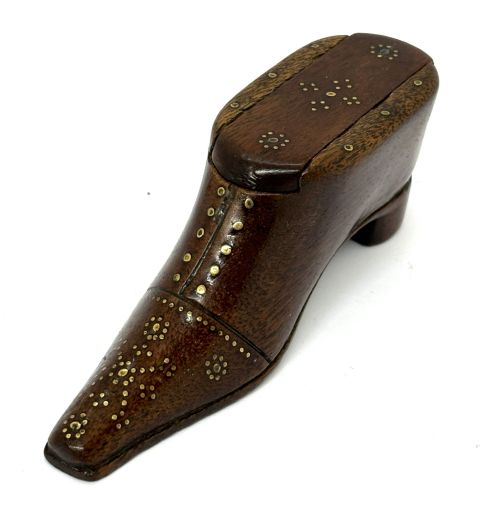
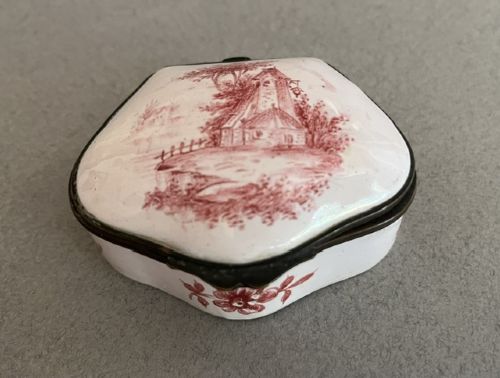
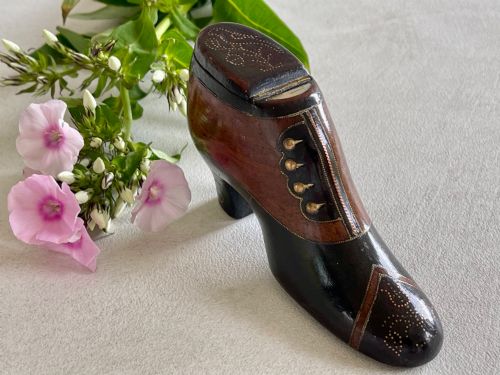
A brass snuff box is a small receptacle intended for carrying tobacco powder or presenting it on a surface. These objects appear in various forms, including pocket containers, table boxes, and novelty shapes such as shoes or bellows.
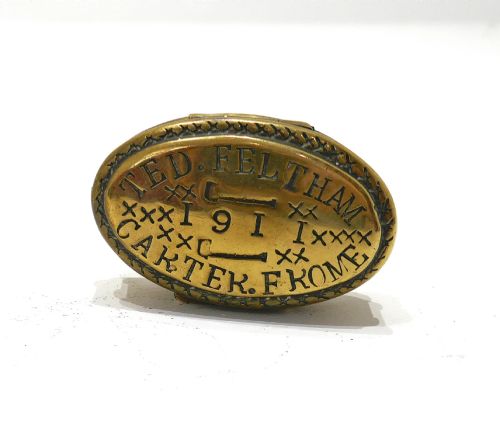
The selections span multiple eras, with nineteenth-century examples frequently carrying personal inscriptions, dates, and names of former owners. Earlier eighteenth-century variants often display heavier gauges of metal and elaborate Dutch Baroque or Georgian styling.
Pocket versions commonly feature hinged lids for single-handed opening, while larger table boxes accommodate quantities of tobacco or snuff for shared use in domestic and social settings.
How they were made
Construction relies on sheet brass, cast components, and heavy gauge plates shaped through hammering and joining. Many examples incorporate mixed materials such as fruitwood, mahogany, horn, or mother-of-pearl alongside the primary metal.
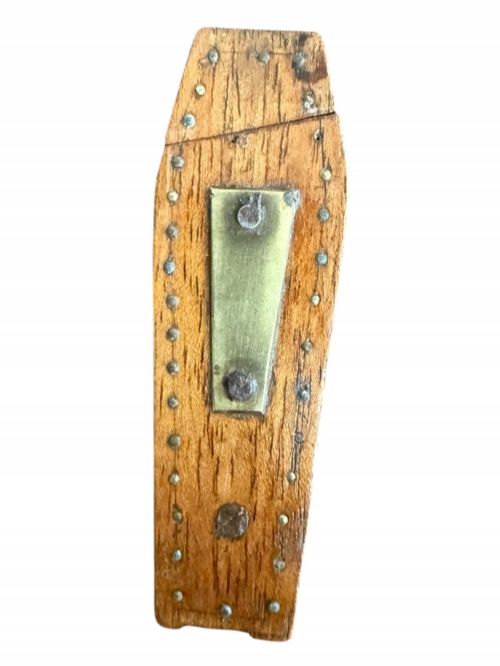
Decoration is achieved through hand engraving, inscribed lettering, and brass piquet work where tiny wire pins are driven into wooden bodies. Hinges and catches are integrated directly into the body or riveted securely into place.
Retail Price Guide 2026
Typical UK retail prices for brass snuff box, calculated from the Sellingantiques database of over a million retail prices indexed since 2003. This retail price guide relies exclusively on Sellingantiques data; no external sources or auction records are used, so the figures do not describe the wider market.
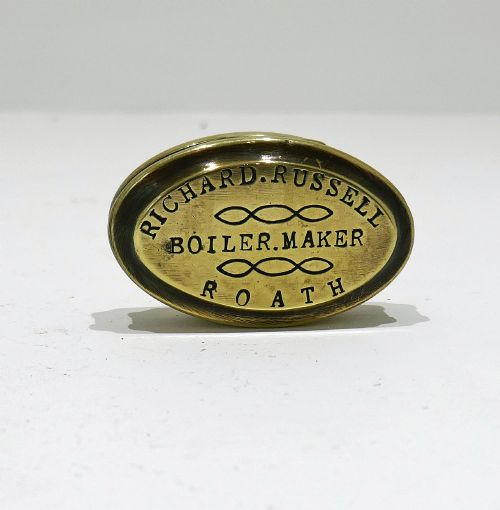
The archive records occupational inscriptions to boilermakers, sailors, and miners alongside commemorative dates from the European War.
What varies in quality
Quality rests upon the crispness of the hand engraving, the weight and thickness of the brass gauge, and the precision with which lids and hinges align. Superior pieces maintain tight closures and retain legible contemporary inscriptions that link the object to a specific person or date.
The skill involved in mixed-media construction, such as tightly fitted fruitwood and delicate brass inlay, separates standard utilitarian containers from more accomplished artisanal works.
The Brass Snuff Box Glossary
- Piquet
- A decorative technique using tiny brass pins or wire inlaid into wood to form geometric or floral patterns. This method appears frequently on treen pocket containers from the nineteenth century.
- Miser's box
- A form of container designed with a sliding or restricted mechanism intended to limit access to the contents. These pieces often combine brass with wood and date to the Victorian era.
- Table snuff box
- A larger heavy gauge box intended for static placement on a desk or parlour surface rather than pocket transport. Many examples from the eighteenth century follow this heavier format.
- Treen
- Small domestic objects made of wood, often combined with metal mounts or inlay. The material appears alongside brass in shoe and bellows shaped receptacles.
- Novelty box
- A container formed in the likeness of an everyday object, such as a clog, boot, or animal figure. These imaginative pieces span the Georgian and Edwardian periods.
Frequently Asked Questions
How do I date a brass snuff box?
Dating relies on stylistic markers such as Dutch Baroque engraving, Georgian proportions, or Edwardian lettering styles. Contemporary inscriptions and dates scratched or engraved onto the metal offer the most reliable chronological anchors.
Material combinations also guide attribution, as seventeenth and eighteenth-century pieces favour heavy gauge brass, while mid-nineteenth-century examples frequently incorporate turned fruitwood and piquet wire.
Were these boxes only used for tobacco?
While primarily manufactured to hold dry snuff or loose tobacco, many surviving examples served secondary purposes as pocket trinket containers or holding receptacles for small personal items. The larger table variants accommodated larger quantities for communal use.
Inscriptions naming specific occupations, such as boilermakers or miners, suggest these personal objects accompanied workers during daily labour.
What is a misers snuff box?
A miser's box incorporates a secure opening mechanism that restricts the user's ability to take excessive amounts of tobacco. These containers frequently combine brass hardware with turned wooden bodies.
They reflect the social habits surrounding tobacco consumption during the nineteenth century, when rationing personal supplies was common practice.
How should I clean a brass snuff box?
Preserving the surface requires leaving natural patination and aged tarnish undisturbed, as aggressive polishing removes historical wear and engraved detail. Gentle dusting with a dry cloth is sufficient for maintenance.
Harsh chemical cleaners strip the dark oxidation that accumulates over centuries, diminishing the visual depth of the metal.