

Brass Serving Tray
A brass serving tray brings utilitarian history into a modern room, combining durable metalwork with warm timber stands.
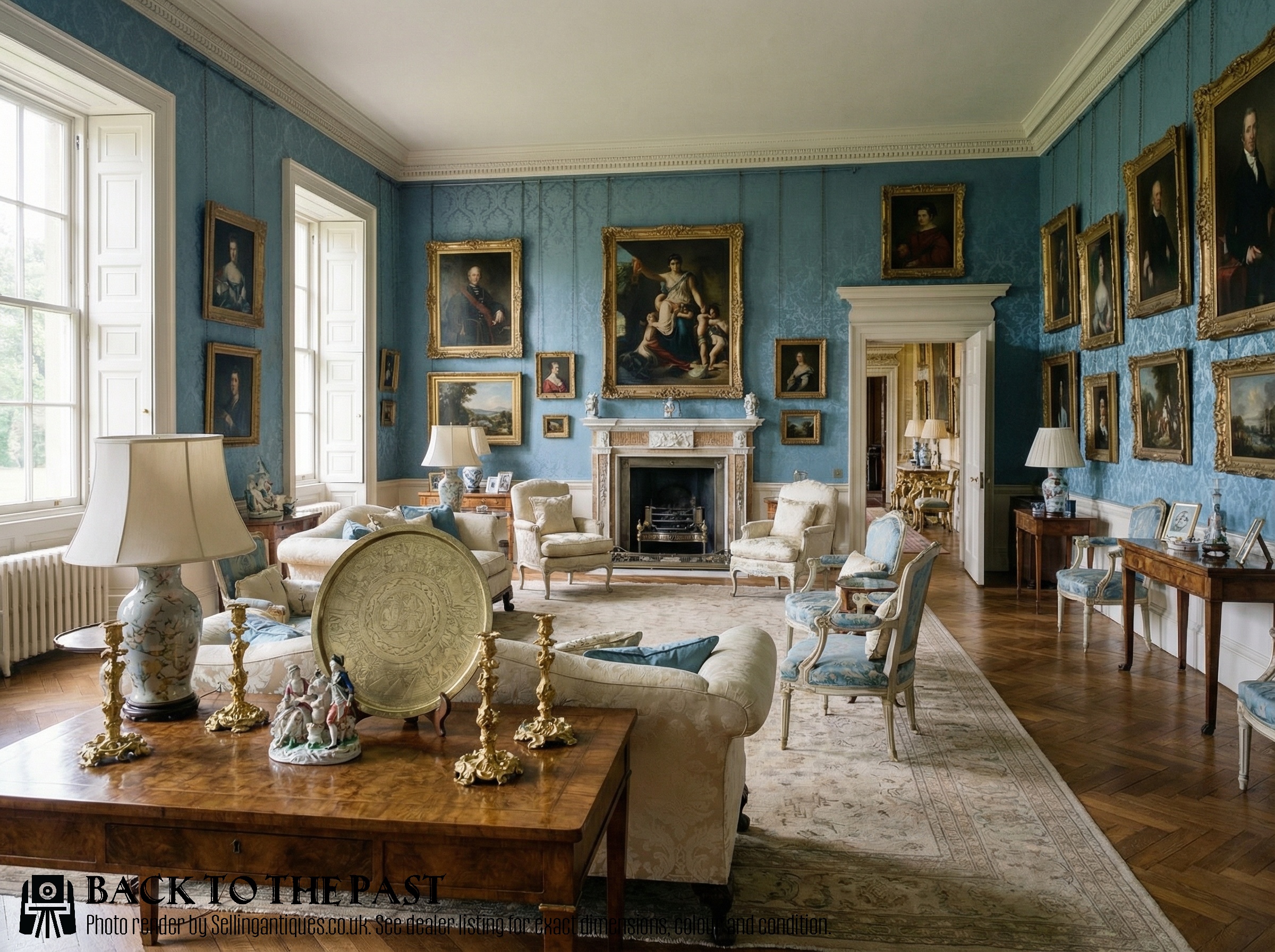
Brass Serving Tray
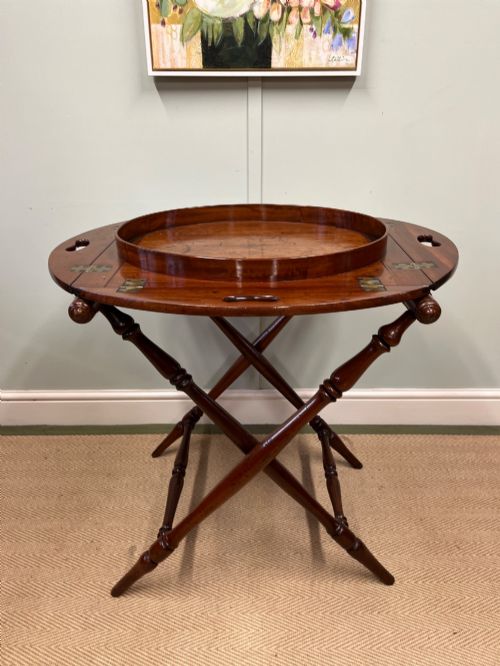
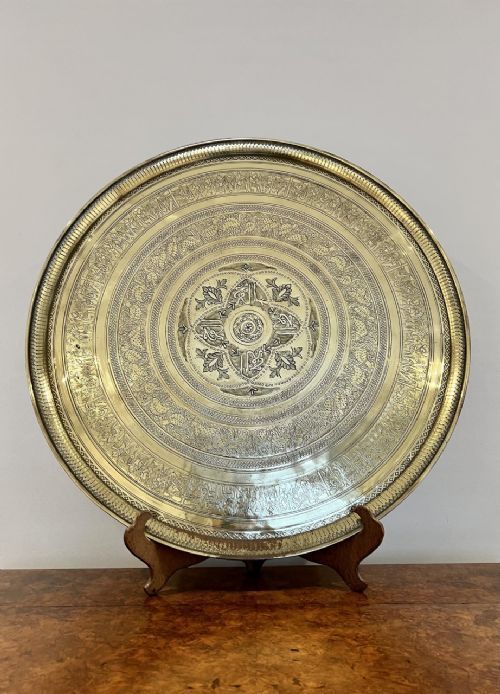
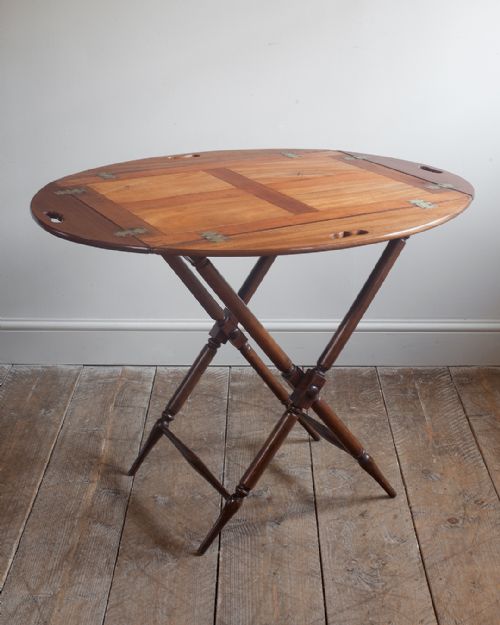
A brass serving tray acts as a functional centrepiece or display surface, frequently appearing paired with wooden folding stands to form occasional tables.
The pieces on this page span Victorian, Edwardian, and Georgian periods, showcasing both British home production and international metalwork.
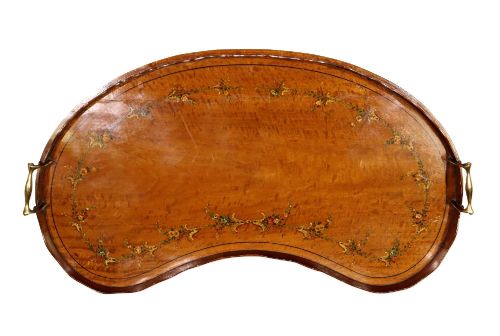
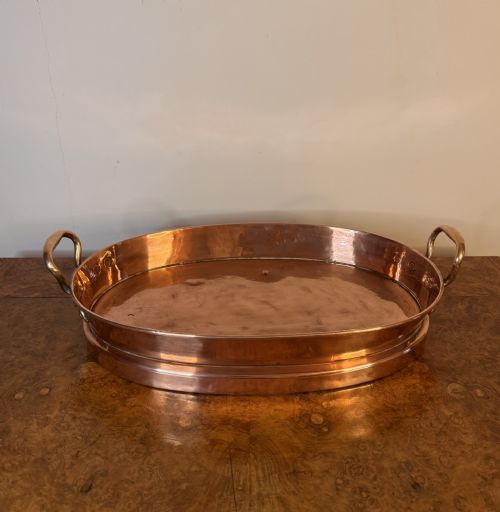
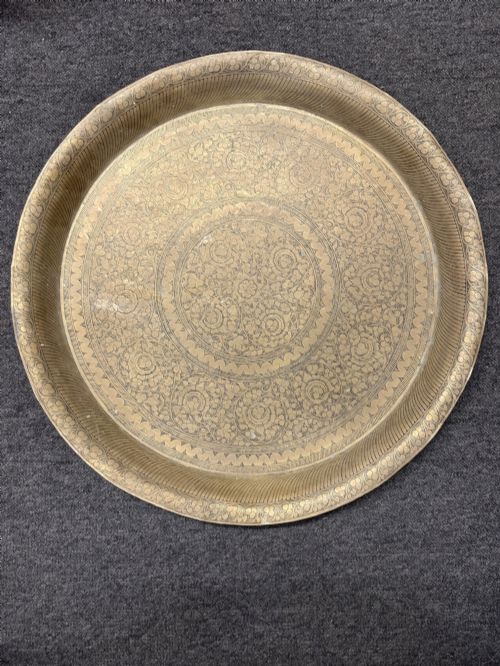
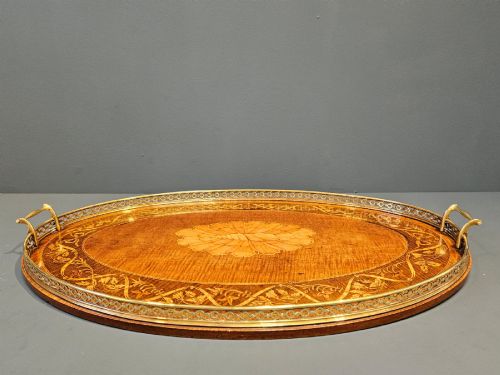
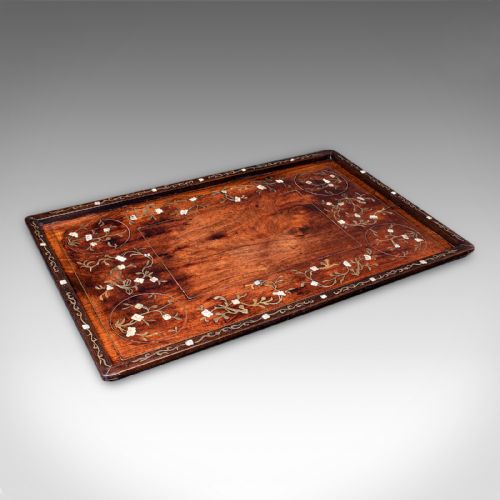
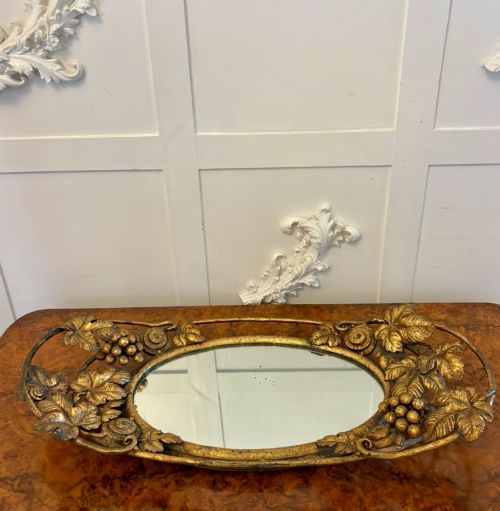
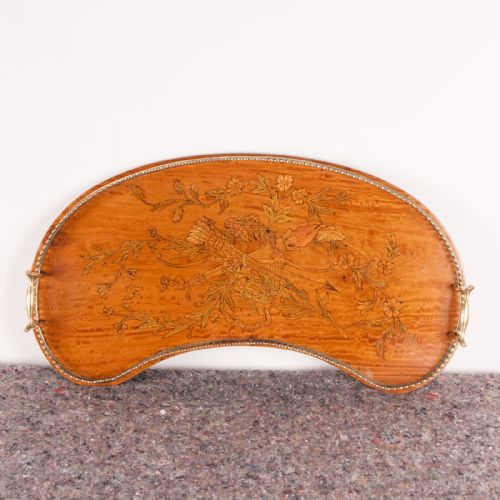
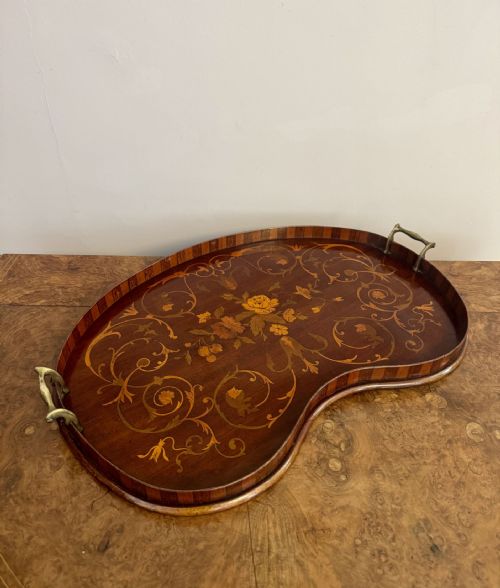
Buyers will encounter plain circular brass platters alongside elaborate engraved examples and multi-material designs incorporating mahogany, copper, and inlay.
How they were made
Maker workshops utilised sheet brass and copper, hammering and engraving surfaces with geometric or botanical motifs.
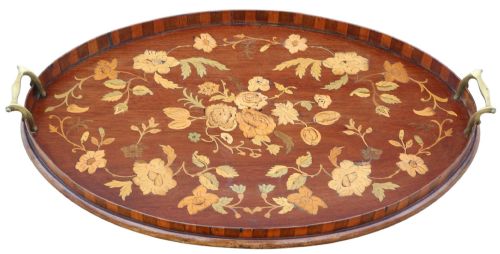
Timber frames incorporate mahogany, oak, satinwood, and padauk, often finished with boxwood stringing or marquetry inlay.
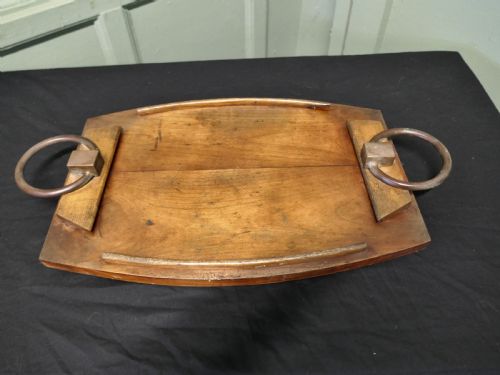
Handles and galleries employ mixed metals, casting brass and copper together to form sturdy lifting edges.
Brass Serving Tray Retail Price Guide 2026
Typical asking prices for brass serving tray among the pieces listed under this phrase on Sellingantiques today, from the lower quarter to the upper quarter. They describe what is for sale here now, not the wider market.
Listings feature items spanning the 18th, 19th, and 20th centuries, executed in brass, copper, mahogany, and satinwood.
What varies in quality
The crispness of hand-engraving on the metal surface separates standard production from finer artisan work.
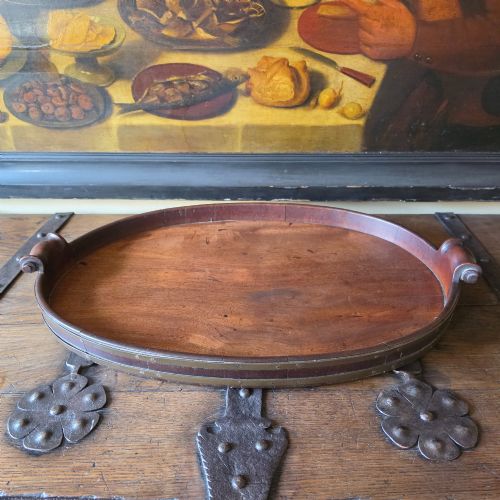
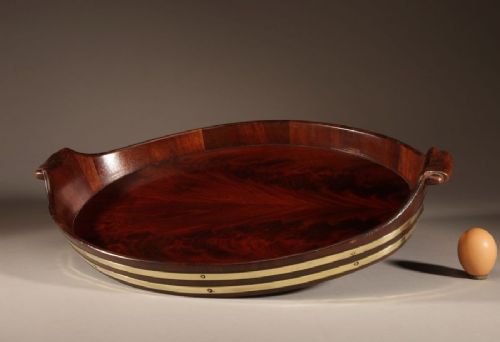
Timber selection and precision of inlay dictate the craftsmanship level in wooden butler trays and frames.
Structural rigidity in folding stands and the weight of the metal plate determine overall durability.
Edwards and Roberts·WMF
The Brass Serving Tray Glossary
- Butler tray
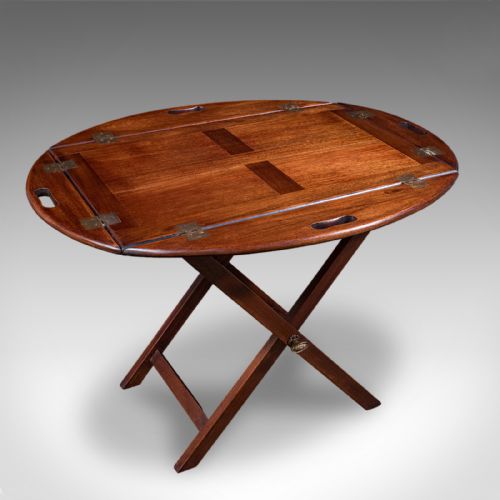
- A portable wooden tray featuring hinged sides or cut-out handles, designed to sit upon a folding stand.
- Benares tray
- An etched or embossed brass tray originating from India, often featuring dense figurative or floral patterns.
- Marquetry
- Decorative woodwork where different coloured veneers are fitted into a design to create pictorial patterns.
- Gallery
- A raised rim or border around the edge of a tray, constructed to prevent items from sliding off.
- Coopered
- Wood staves joined together and bound with metal hoops, traditionally used for round vessels.
Brass Serving Tray: Frequently Asked Questions
What is a butler tray table?
A butler tray table consists of a removable wooden tray resting on a collapsible X-frame stand. This design allowed servants to clear tea or dining items efficiently.
Today, these pieces function well as compact coffee tables or portable side tables in living spaces.
How do I clean an antique brass tray?
Antique brass typically benefits from gentle dusting and mild cleaning rather than harsh chemical polishes. Preserving the dark oxidation maintains the historical character of the metal.
Avoid abrasive pads that can scratch engraved details on Victorian and Edwardian platters.
Are Benares trays British?
Benares trays originate from India, produced primarily for export during the British colonial period. They feature distinctive hand-hammered and etched brass surfaces.
These trays frequently travelled to Britain, where local workshops supplied folding stands to convert them into occasional tables.
What woods were used in these trays?
Cabinetmakers utilised dense timbers such as mahogany, oak, and walnut for strength and fine grain. Inlays often incorporated satinwood, boxwood, and marquetry to add visual contrast.
Finer examples feature decorative veneers arranged in geometric or floral patterns across the base.