




Brass Mounted Games Table
A brass mounted games table brings tactile elegance to a room, offering clever folding tops and rich timbers designed for evening entertainment.
Brass Mounted Games Table
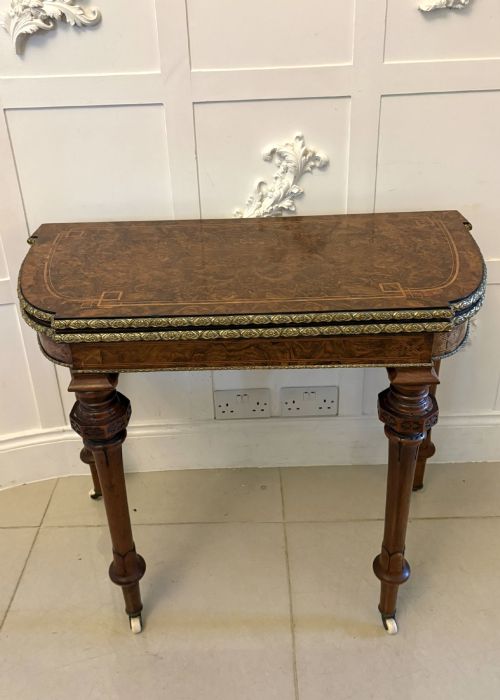
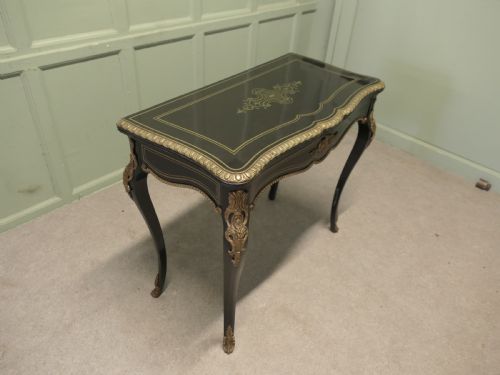
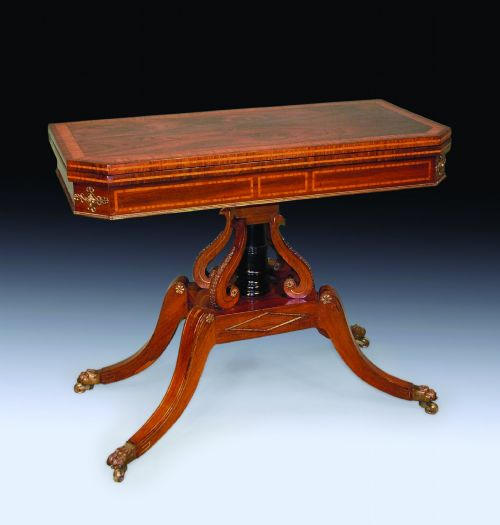
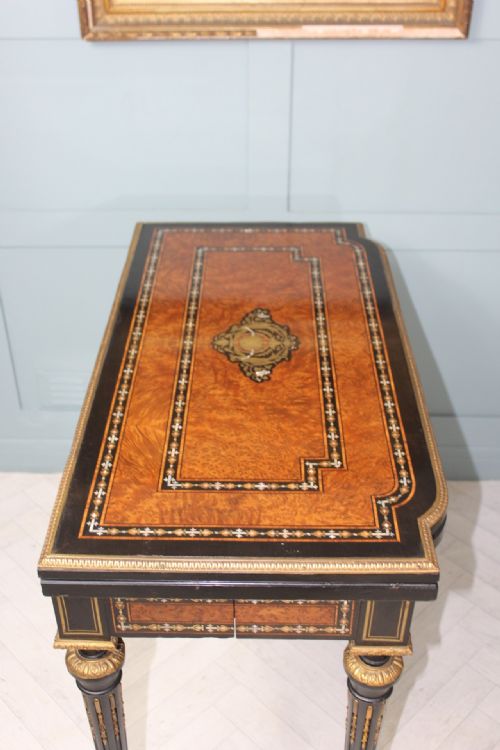
A brass mounted games table combines practical folding surfaces with decorative metalwork, serving as both a functional piece for card playing and a handsome console when closed. The selection spans formal Regency rosewood designs and ornate French Napoleon III ebonised examples.
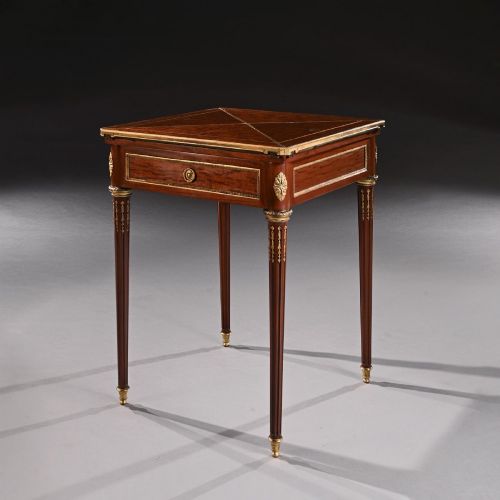
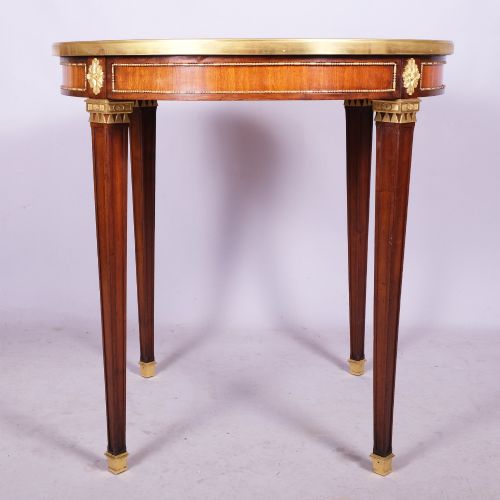
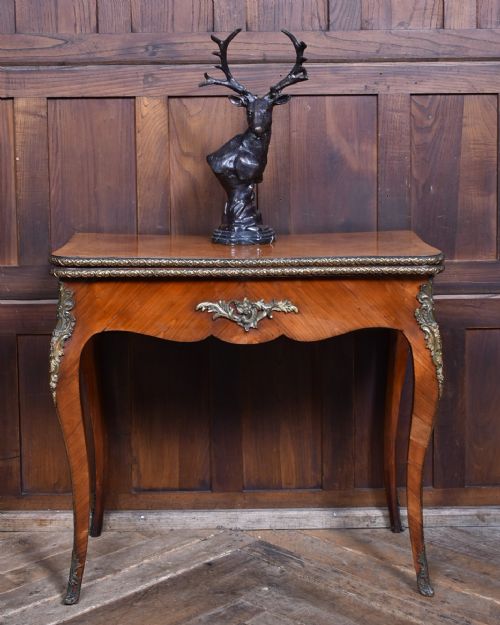
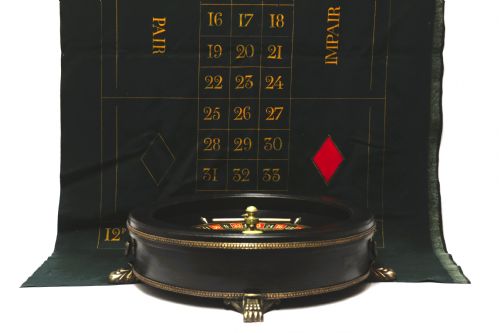
Most pieces encountered on this page date from the nineteenth century, including Victorian walnut and mahogany variations alongside French Louis XV and Louis XVI style tables. Buyers will find card tables, console tables, and specialised folding surfaces equipped for various parlor amusements.
Materials and construction
Cabinetmakers utilised dense tropical hardwoods such as rosewood, mahogany, walnut, and kingwood, frequently applying burr walnut or exotic wood veneers to the primary surfaces. These timbers provided a stable foundation for intricate marquetry and cross-banding.
Brass and ormolu mounts, stringing, and inlay work define the aesthetic, accentuating the geometric lines and curves of the tables. Metal components were meticulously cast, chased, and fitted into hand-cut channels within the timber.
Materials recorded across the inventory include solid mahogany, rosewood, walnut, ormolu, and tortoiseshell-style boulle work.
Factors of quality
Superior examples display crispness in the brass mountings and precision in the wood inlay, where contrasting veneers meet without gaps. The integration of the folding mechanism reveals the maker's competence, ensuring the leaves align evenly in both closed console and open table configurations.
Selection of figured timbers, such as highly grained rosewood or burr walnut, elevates a piece, as does the retention of original gilding and interior baize or felt lining. Signed pieces from known makers command distinct appreciation for their documented workshop provenance.
Antoine Lampre·Edwards & Roberts
The Brass Mounted Games Table Glossary
- Ormolu
- Gilded bronze used for decorative mounts and accents. This technique was widely applied in French and English cabinetmaking during the eighteenth and nineteenth centuries.
- Marquetry
- Elaborate patterns created by fitting different wood veneers together onto a substrate. It often incorporates exotic woods, mother-of-pearl, and brass to form floral or geometric designs.
- Cross-banding
- A border of veneer laid around the edge of a table top with the wood grain running perpendicular to the centre panel. This technique creates a distinct framing effect.
- Bouille
- A style of marquetry utilising tortoiseshell and brass inlay, named after a French craftsman. It yields a striking contrast of dark tortoiseshell and gleaming metal.
- Console table
- A table designed to stand against a wall, sometimes fitted with folding leaves to transform into a games surface. These pieces often feature decorative legs or pedestals.
Brass Mounted Games Table: Frequently Asked Questions
How do these tables function?
These tables typically feature a hinged top that folds open to reveal a baize or wood games surface, supported by a swing leg or rotating pivot.
When closed, they function as a standard console or side table, hiding the gaming compartment against the wall.
What woods are most common?
Mahogany and rosewood dominate English Regency examples, whilst walnut and ebonised wood appear frequently in Victorian and French pieces.
Cabinetmakers also incorporated kingwood, satinwood, and burr walnut for decorative veneer panels.
How do I identify a French table?
French pieces often display Louis XV or Louis XVI styling, characterised by elaborate ormolu mounts, boulle work, and serpentine forms.
Ebonised finishes combined with brass inlay and mother-of-pearl detail are typical of Napoleon III production.
Were these used only for cards?
While primarily designed for card games like whist or bouillotte, some tables feature inlaid chess or checker boards on the rotating top.
Others provide multipurpose surfaces suitable for supper or general parlour use when fully unfolded.