

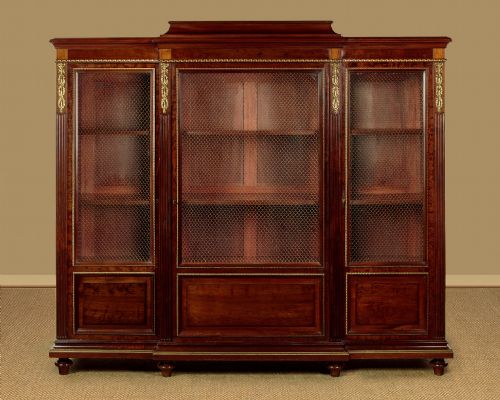
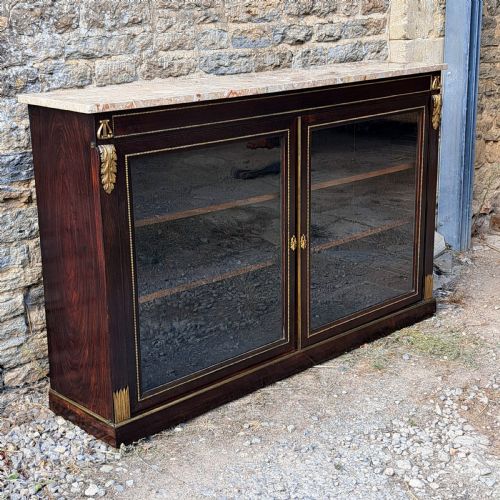
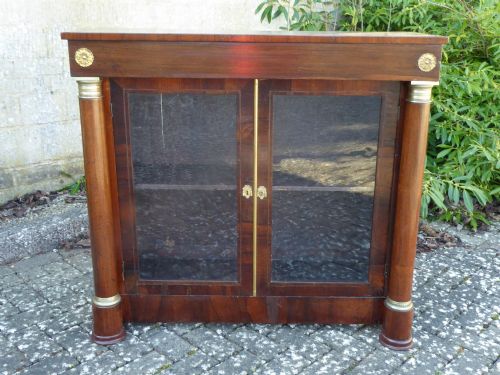
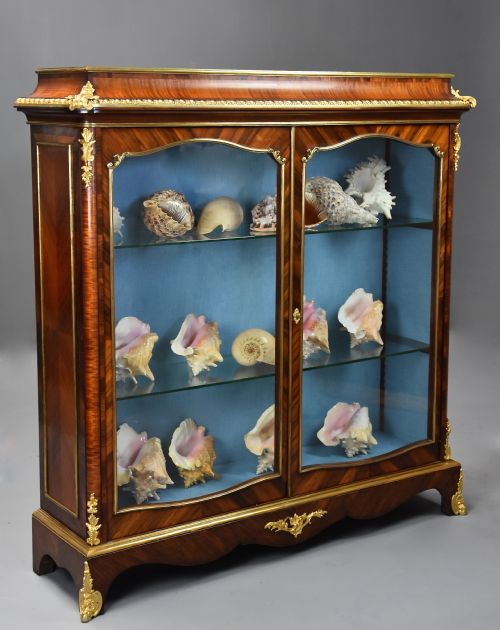
Brass Mounted Display Cabinet
When you want a brass mounted display cabinet, you are looking at glazed timber furniture designed to showcase treasured possessions behind glass.
Brass Mounted Display Cabinet
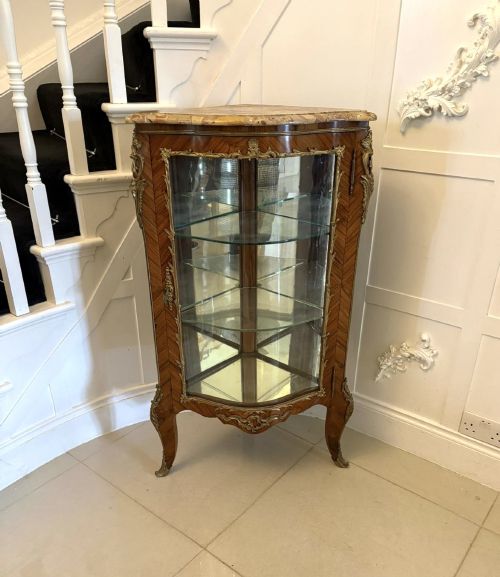
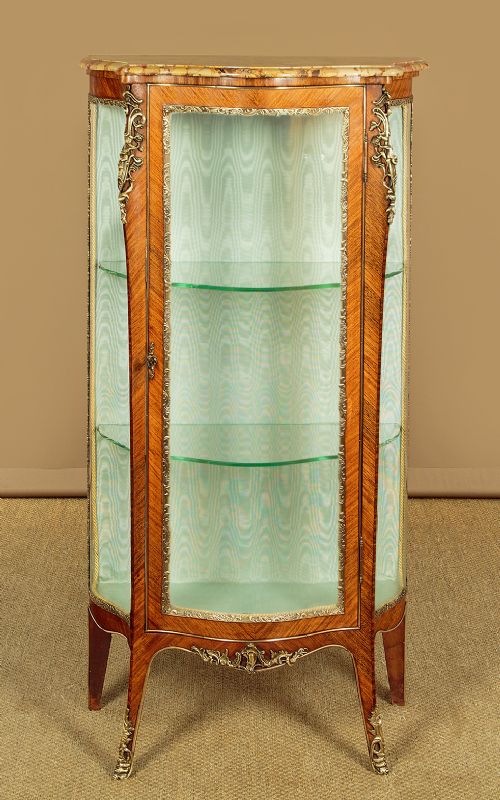
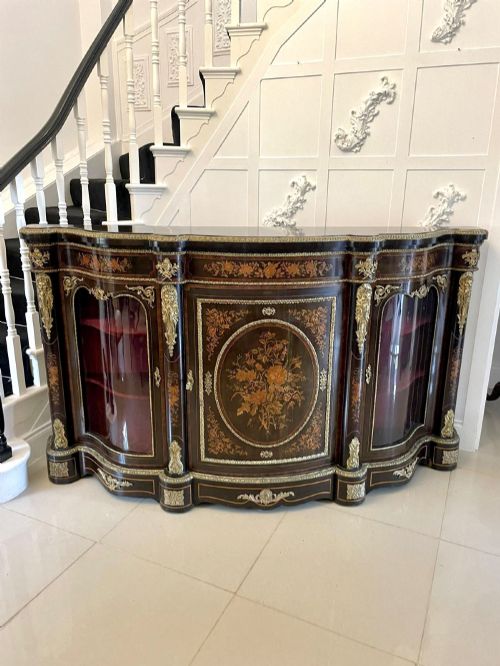
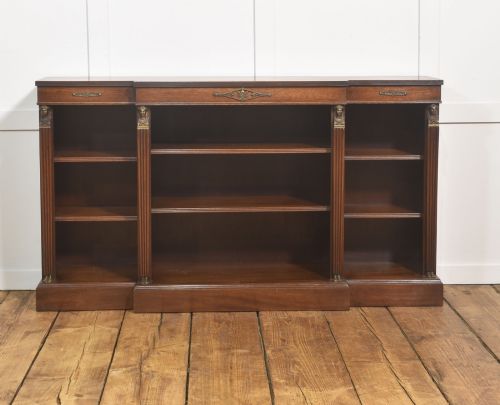
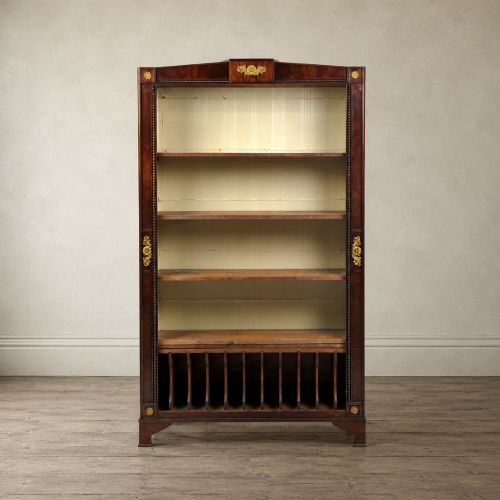
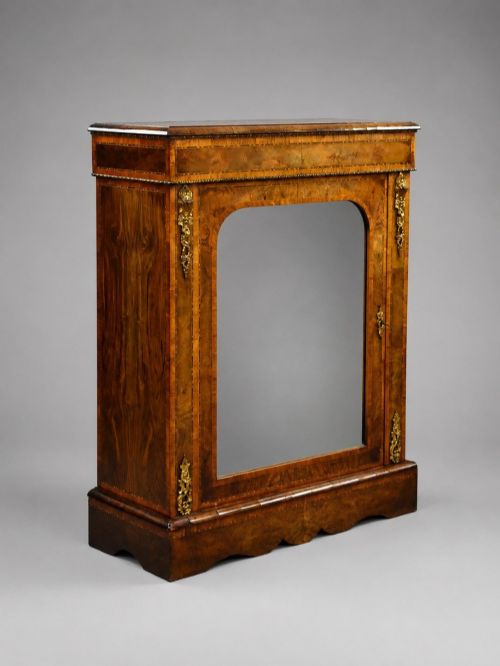
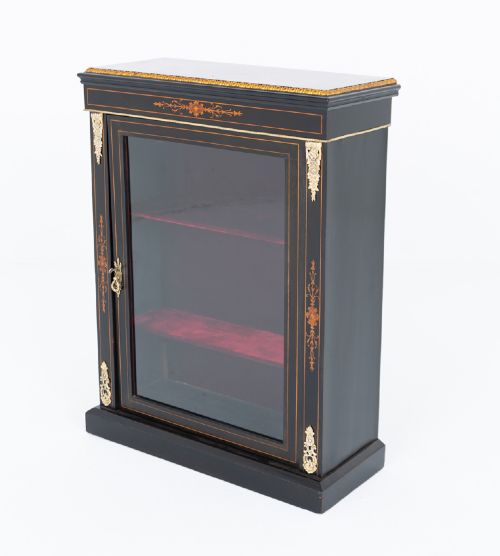
A brass mounted display cabinet brings together glazed timber housing and metallic mounts to showcase books, ceramics and curiosities. You will frequently find these pieces in Victorian, Edwardian and nineteenth-century French iterations, spanning forms from slender pier cabinets to large breakfront bookcases.
The materials recorded in these pieces range from mahogany and walnut to ebonised wood and kingwood, often enhanced by marble tops and fabric linings. Makers drew on Regency, Louis XV and French Empire vocabularies to shape these cabinets for formal reception rooms.
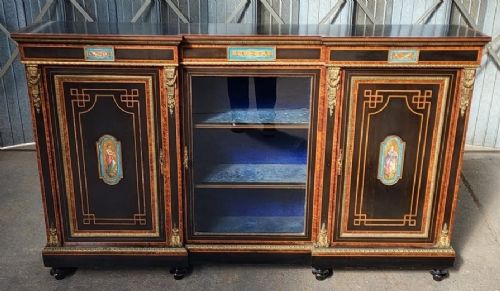
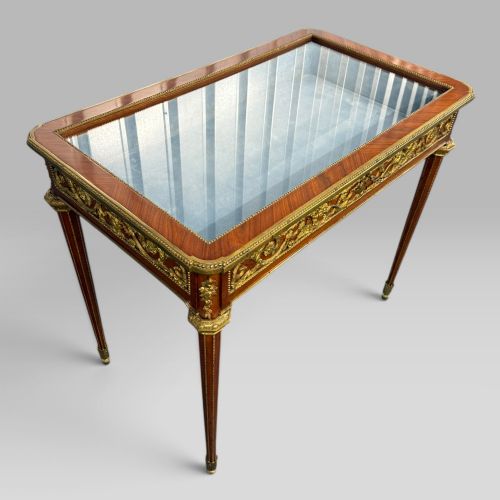
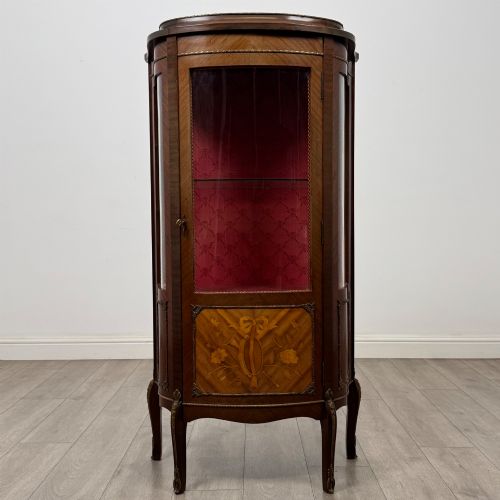
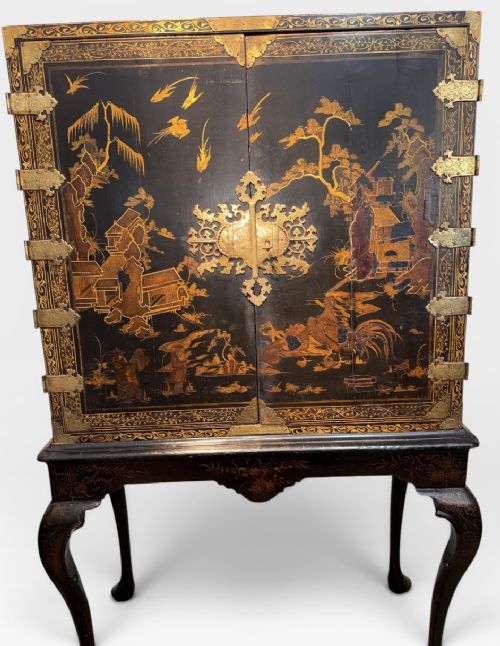
Cabinets on this page encompass vitrines, sideboards, credenzas and open bookcases, each sharing a reliance on metal fittings to punctuate the timber surfaces. The presence of brass framing or mounts unites diverse regional styles under a single decorative purpose.
Judging Quality
The standard of a brass mounted display cabinet rests on the crispness of the metal casting and the precision of the timber cabinetry. Finely chased ormolu mounts and tightly fitted veneer work separate superior examples from standard production pieces.
Proportion and timber selection dictate the visual weight of the piece, with choice cuts of burr walnut, kingwood or figured mahogany enhancing the overall design. Interior detailing, such as original fabric linings and well-fitted shelving, further distinguishes finer workshops.
Brass Mounted Display Cabinet Retail Price Guide 2026
Typical asking prices for brass mounted display cabinet among the pieces listed under this phrase on Sellingantiques today, from the lower quarter to the upper quarter. They describe what is for sale here now, not the wider market.
The selection includes pieces spanning the Georgian period, the Regency era, Victorian production, and early twentieth-century revivals.
François Linke·Paul Sormani·Marsh & Tatham
The Brass Mounted Display Cabinet Glossary
- Ormolu
- Gilt bronze mountings applied to furniture. This technique involves coating cast bronze with gold amalgam to create a bright metallic finish that resists tarnishing.
- Vitrine
- A glass-fronted display cabinet used for porcelain and curiosities. These cabinets prioritise visible glass surface area over enclosed wooden storage.
- Pier Cabinet
- A narrow cabinet designed to stand against the wall space between windows. Such pieces often feature glazed doors and compact footprints suited to smaller rooms.
- Marquetry
- Decorative veneer patterns formed from pieces of contrasting wood and shell. Craftsmen assembled these geometric or floral designs onto the primary carcase before polishing.
- Credenza
- A low sideboard or cabinet originating in the nineteenth-century revival styles. These items frequently incorporate central glazed sections flanked by cupboards and heavy metal mounts.
Brass Mounted Display Cabinet: Frequently Asked Questions
What is a brass mounted display cabinet used for?
These cabinets were originally designed to protect and display delicate ceramics, books and collector items within domestic reception rooms. The glass panels allowed owners to view collections while keeping dust away from fragile objects.
Today, they serve a similar purpose in modern interiors, acting as focal points for curated displays of glassware, sculptures or treasured books. Their enclosed design keeps contents secure while maintaining full visual access.
How do I date a brass mounted display cabinet?
Dating relies on observing the timber species, construction methods, and stylistic cues present in the brass mounts and overall silhouette. Pieces from the Victorian era often feature heavy walnut or ebonised surfaces, while nineteenth-century French examples lean towards kingwood and elaborate ormolu.
Examining the backboards, drawer linings, and hinge types also helps determine the period. Machine-cut screws and modern adhesives point to later twentieth-century production, whereas hand-cut elements suggest earlier manufacture.
Where should I place a display cabinet?
These cabinets suit drawing rooms, dining spaces or studies where they can anchor a wall alongside other period furniture. Positioning them away from direct sunlight protects vulnerable timber veneers and interior fabrics from fading.
Because many examples feature glass on multiple sides, placing them perpendicular to windows allows natural light to illuminate the interior shelves effectively.
How do I care for timber and brass furniture?
Maintenance involves dusting timber surfaces with a soft, dry cloth and avoiding silicone-based polishes that can degrade historic finishes. Brass and ormolu mounts should be left unpolished to preserve their natural patination.
Maintaining stable room humidity prevents the timber carcase and veneering from warping or cracking over time. Checking interior shelf supports periodically ensures the glass and display weight remain properly balanced.