

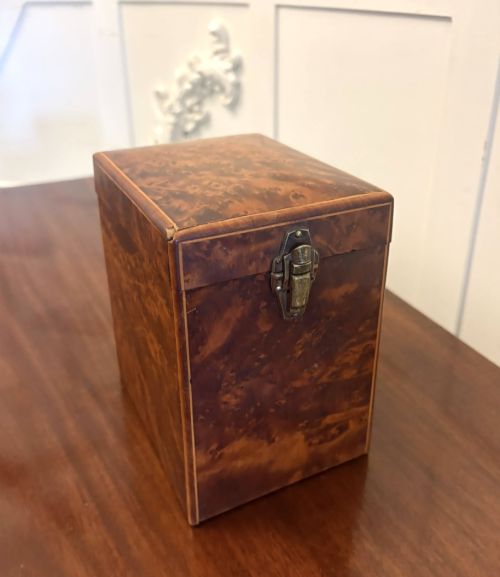


Brass Latch Chest
These brass latch chest examples span camphor wood, canvas, leather, and steel, offering robust storage with period character from the nineteenth and early twentieth centuries.
Brass Latch Chest
When you search for a brass latch chest, you encounter storage trunks, blanket boxes, and travelling luggage intended for transport or domestic use. These pieces serve as functional storage furniture with substantial metal fastenings.
The versions most likely to meet you on this page are Chinese export camphor wood chests and travel trunks from the nineteenth century up to 1930. They combine timber bodies with prominent metal latches for security during transit.
Originating from varied traditions including Victorian maritime and traditional Chinese styles, these objects range from plain travel containers to heavily carved storage boxes. Their forms reflect the practical demands of movement and storage across eras.
Materials and construction methods
Construction relies primarily on camphor wood, alongside timber, canvas, leather, and steel frameworks. Camphor wood is utilised for its aromatic qualities and resistance to pests, making it practical for stored textiles.
External hardware utilises brass for latches and fittings, paired with iron or steel on travelling trunks. Surfaces range from plain painted finishes to richly hand-carved panels depicting oriental motifs.
Brass Latch Chest Retail Price Guide 2026
Typical asking prices for brass latch chest among the pieces listed under this phrase on Sellingantiques today, from the lower quarter to the upper quarter. They describe what is for sale here now, not the wider market.
Listings feature pieces spanning from the nineteenth century to 1930, predominantly constructed from camphor wood and brass.
Differences in quality and execution
Quality separates through the depth and precision of hand carving on the wood and the substance of the metal hardware. Finer examples display intricate, crisp detailing across camphor panels rather than plain or shallow work.
The integrity of the original construction, including the fitting of brass latches and the preservation of materials like leather and canvas, defines the upper tier. Patina accumulated through age distinguishes pieces retaining original surfaces.
The Brass Latch Chest Glossary
- Camphor wood
- An aromatic timber native to Asia, traditionally utilised for storage chests due to its insect-repellent properties. It forms the body of many oriental trunks.
- Steamer trunk
- A luggage chest designed to fit in a ship cabin, typically lower in profile than standard trunks. These often feature canvas or leather coverings over wooden frames.
- Chinese Export
- Objects manufactured in China specifically for Western markets during the nineteenth and early twentieth centuries. These pieces blend Eastern craftsmanship with Western functional demands.
- Limed oak
- Timber treated with a white pigment to highlight the grain, seen in twentieth-century furniture design. It provides a lighter surface finish.
- Blanket box
- A domestic storage chest traditionally used for linens and bedding. These items frequently feature hinged lids and secure front latches.
Brass Latch Chest: Frequently Asked Questions
What is a brass latch chest used for?
These pieces function primarily as storage containers for blankets, clothing, and household goods. Their robust construction originally suited them for travel across land and sea.
In modern interiors, they serve as coffee tables or foot-of-the-bed storage units while concealing everyday items.
How do I date a brass latch chest?
Dating relies on examining the materials, construction techniques, and stylistic markers present in the piece. Nineteenth-century examples often show hand-wrought details, while twentieth-century pieces incorporate Art Deco influences or specific maker labels.
Hardware styles and wood treatments also provide clear indicators of whether a trunk originates from the Victorian period or the 1930s.
Are camphor wood chests safe for clothing?
Camphor wood naturally repels moths and other insects, which made it the preferred material for storing textiles and blankets historically. The distinct aromatic oil in the wood protects stored fabrics.
Ventilating the chest before use helps manage the strong scent if it has remained closed for a long period.
How do I clean a vintage travel trunk?
Cleaning requires gentle methods appropriate to the specific exterior material, whether that is dry canvas, treated leather, or polished brass. Dusting regularly with a soft cloth preserves the surface finish.
Harsh chemical cleaners should be avoided on aged wood and metal hardware to protect the natural patina.