
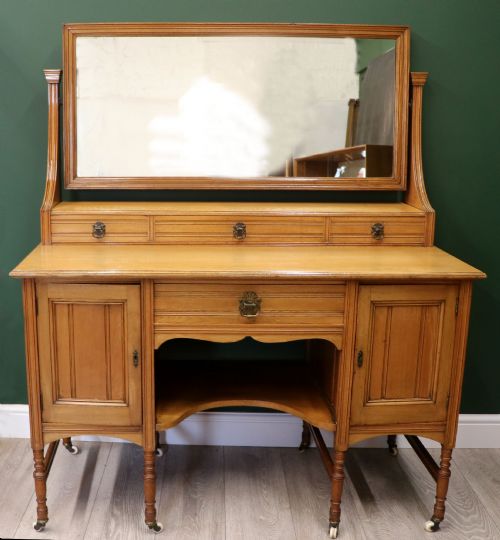


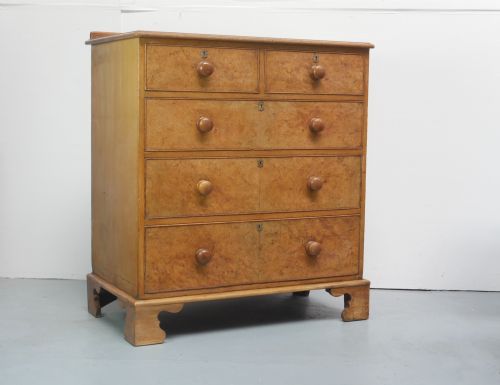


Light Wood Chest
A light wood chest brings warmth and pale grain to a room, offering practical storage through pieces shaped in ash, oak, birch, and satinwood.
Light Wood Chest
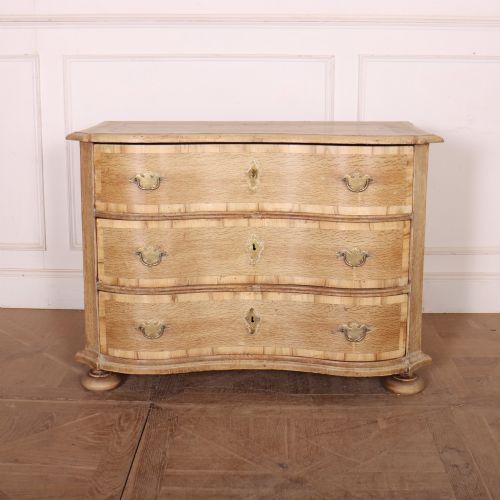
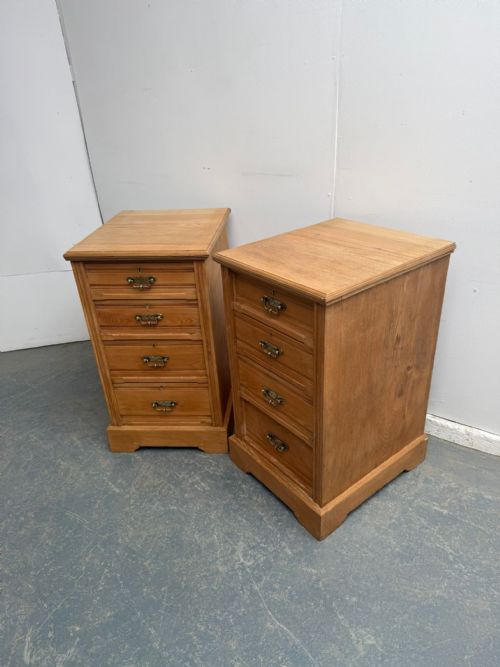
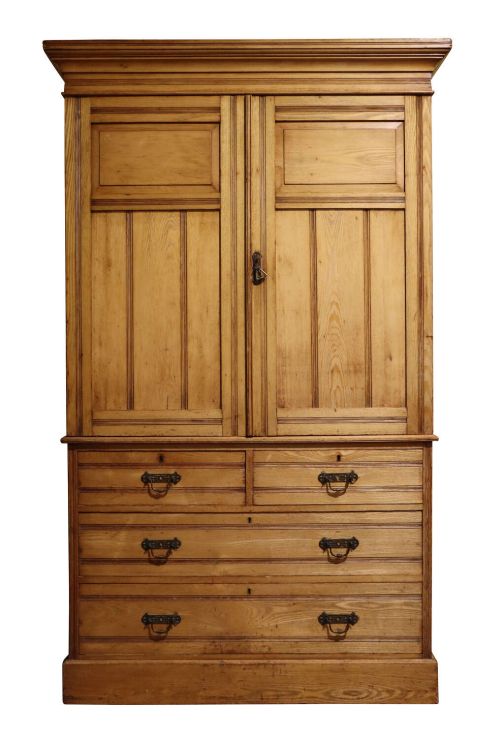
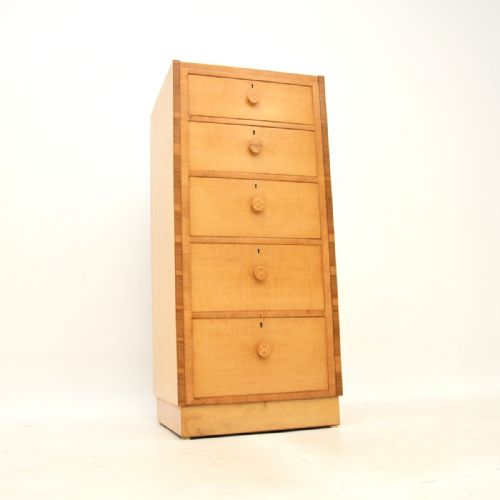
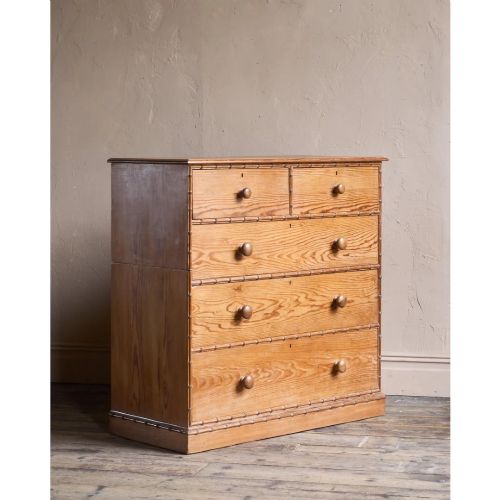
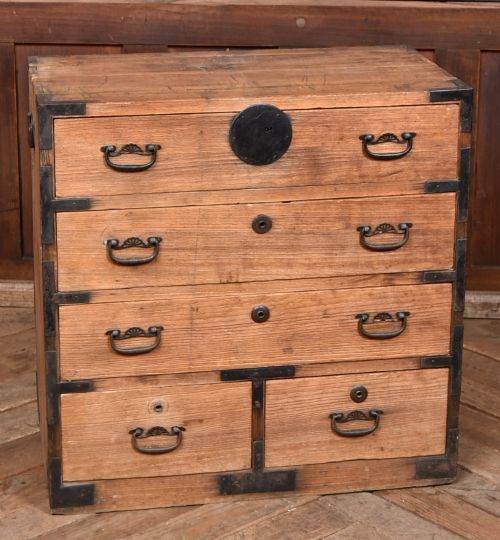
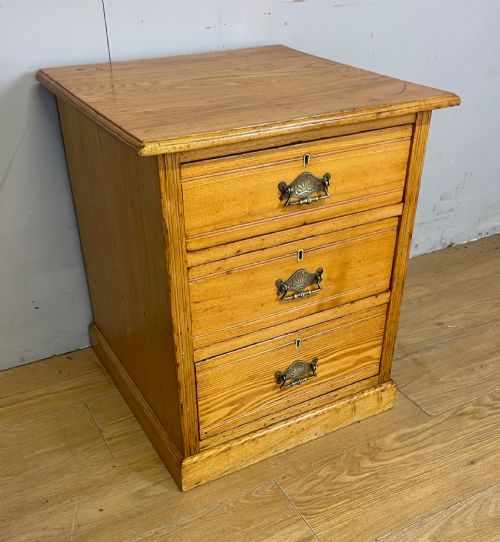
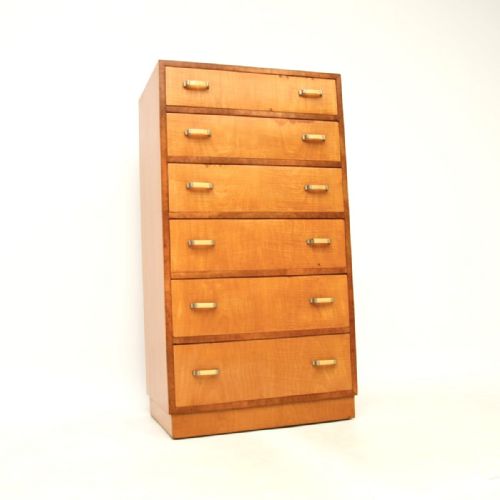
A light wood chest appears in many forms on this page, including chests of drawers, commodes, tallboys, press cupboards, and bedside cabinets. These pieces span centuries of design, running from the Georgian and Victorian eras through the Edwardian period and into Art Deco creations.
Makers and workshops across Britain, France, Sweden, Austria, and Asia utilised pale timbers to create these storage items. Buyers encounter regional variants like French commodes, Swedish birch chests, and Japanese tansu alongside English ash and oak furniture.
How they were made
Cabinet makers constructed these pieces using solid timbers and veneers such as ash, oak, birch, satinwood, sycamore, walnut, and birds eye maple. Workshops often waxed or bleached the wood to highlight natural grain patterns and maintain a pale surface tone.
Metal hardware including brass handles and key escutcheons complemented the pale timber frames. Structural details varied by region and period, from hand-dovetailed drawer construction to carved decorative elements on commodes and press cupboards.
Listings feature pieces utilising ash, oak, birch, satinwood, walnut, and pine across Victorian, Edwardian, and Art Deco periods.
What varies in quality
The calibre of a light wood chest rests upon the selection of timber figure, such as flame birch or burr ash, and the precision of the cabinet work. Superior examples display thoughtful grain matching across drawer fronts and harmonious proportions that reflect their period of origin.
Original surface treatments and intact historical hardware elevate a piece above standard utility items. Master workshops brought distinct structural integrity and refined detailing to their chests, separating bespoke studio creations from mass production.
Maple and Co·Hille·Howard and Sons·Betty Joel
The Light Wood Chest Glossary
- Commode
- A low chest of drawers or cabinet, frequently associated with French or Italian 18th-century and 19th-century design. These pieces often feature serpentine fronts and decorative carving.
- Tallboy
- A tall chest of drawers, typically constructed by stacking one chest atop another to maximise vertical storage. They provide substantial capacity while occupying a compact floor footprint.
- Birds Eye Maple
- A decorative hardwood showing small, swirling knots in the grain that resemble tiny birds' eyes. Cabinet makers prized this timber for high-end veneer work on Art Deco and Edwardian furniture.
- Tallboy
- A tall chest of drawers, typically constructed by stacking one chest atop another to maximise vertical storage. They provide substantial capacity while occupying a compact floor footprint.
- Bleached Oak
- Oak that has been chemically treated to lighten its natural tone, a technique seen in both 18th-century pieces and mid-century modern designs. This process softens the contrast of the grain.
- Dovetail
- A traditional interlocking joint used by cabinet makers to secure drawer corners together. Hand-cut dovetails indicate older craftsmanship and robust long-term construction.
Light Wood Chest: Frequently Asked Questions
How do I date a light wood chest?
Dating relies on examining construction methods, timber choices, and stylistic cues present in the piece. Hand-cut dovetails, specific hardware styles, and regional joinery traditions point toward particular decades and centuries.
Reference points include documented workshop labels, signature Art Deco silhouettes, or the distinct proportions favoured by Georgian and Victorian cabinet makers.
How should I care for a waxed wood surface?
Maintenance involves applying a quality natural beeswax periodically to nourish the pale timber and preserve its finish. Regular dusting with a soft, dry cloth prevents grime accumulation.
Keep these chests away from direct heat sources and strong sunlight to prevent the light wood from drying out or discoloring over time.
What is a tallboy used for?
A tallboy provides generous vertical drawer storage for clothing and linens while taking up minimal floor space in a bedroom. Its elevated design offers multiple tiers of drawers within a single footprint.
Historically, these pieces served as primary bedroom storage before fitted wardrobes became common in modern homes.
Are French commodes different from English chests?
French commodes often feature curved serpentine fronts, elaborate carved details, and bleached oak or fruitwood finishes. They emphasise decorative presence alongside practical drawer storage.
English equivalents generally display more linear proportions and rectilinear construction, focusing on the natural figure of ash, oak, or satinwood.