



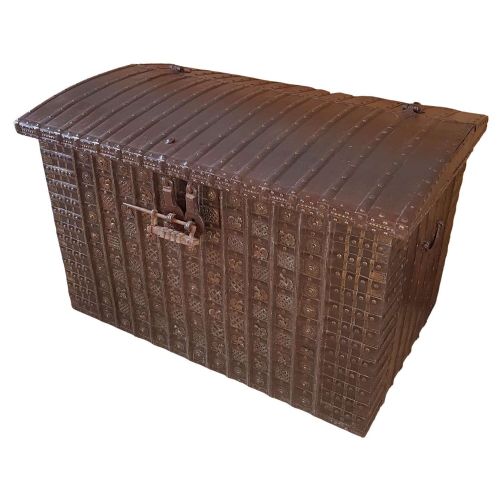


Antique Metal Blanket Box
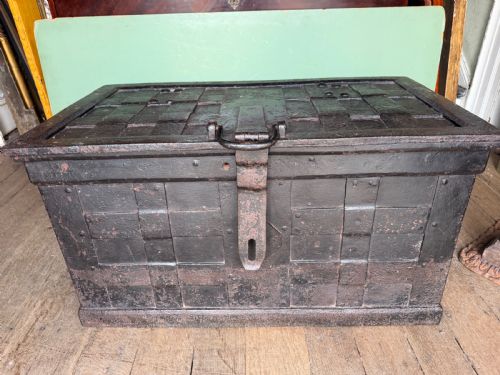
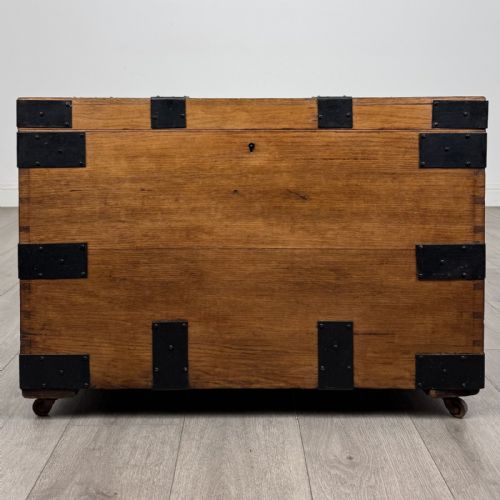
An antique metal blanket box brings heavy iron banding, stout brass fittings and robust timber framing together to hold woollens while anchoring a room.
Antique Metal Blanket Box
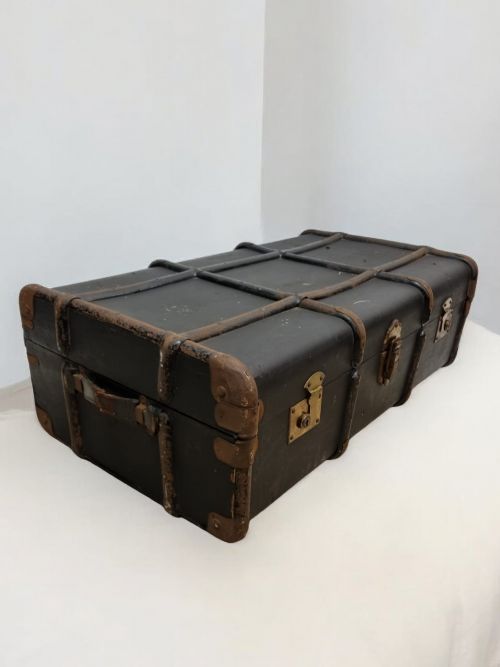
When you search for an antique metal blanket box, you enter a domain where domestic utility meets rugged hardware, encompassing travel trunks, silver chests, and reinforced coffers. The pieces available range from early iron-bound oak boxes to Victorian pine trunks wrapped in metal bands and fitted with robust travel handles.
You are most likely to encounter nineteenth-century examples fashioned from pine or oak, strengthened with iron straps, corner plates, and secure carrying handles. These items transition easily from practical storage to focal points in bedrooms and living spaces.
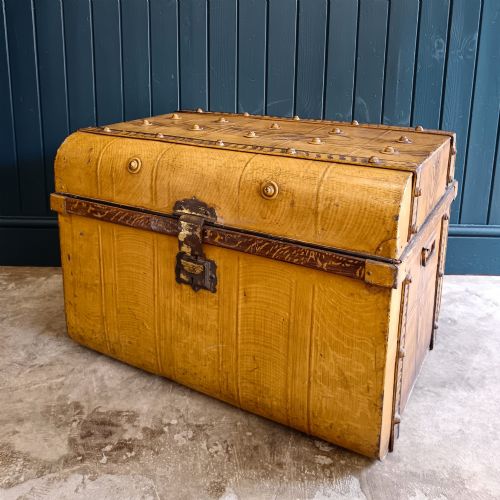
The category spans regional styles, from British Victorian campaign chests and country house silver boxes to Rajasthani iron-banded dowry trunks and American dome top travel pieces. Each variant carries the physical marks of transit, storage, or domestic service accrued over generations.
Construction and materials
Makers built these trunks around solid timbers such as oak, pine, and occasionally exotic woods, providing a rigid structural core designed to withstand heavy use and transit. Carpenters joined these panels using dovetail or rebate joints for maximum durability.
Workers secured the wooden carcasses with external metalwork, applying iron bands, brass mounts, steel straps, and studded leather to reinforce corners and lids. Functional hardware including original locks, drop handles, and heavy hinges completed each piece.
Antique Metal Blanket Box Retail Price Guide 2026
Typical asking prices for metal blanket box among the pieces listed under this phrase on Sellingantiques today, from the lower quarter to the upper quarter. They describe what is for sale here now, not the wider market.
Listings feature pieces spanning from the 16th century through to the 1920s, employing primary materials including oak, pine, iron, brass, and leather.
Judging quality and character
Quality rests in the integrity of the original hardware and the crispness of the metal banding relative to the timber body. Trunks retaining their working locks, original interior linings, and unreplaced iron straps stand apart from those restored with modern fixings.
The choice of primary wood and the sophistication of the joinery dictate the tier of the piece, moving from utilitarian pine storage to finely fitted oak silver chests with compartmentalised interiors. Retained travel labels, painted finishes, and untouched patination elevate the standing of any trunk.
Samuel Pratt·Seabrook of St Pauls London
The Antique Metal Blanket Box Glossary
- Silver Chest
- A heavy timber box reinforced with iron or steel bands, originally designed for storing family silver and lined with baize or leather. These pieces offer exceptional structural strength and secure locking mechanisms.
- Dome Top
- A curved lid construction designed to shed water during travel and increase internal storage capacity. This profile appears frequently on nineteenth-century trunks and coffers.
- Coffer
- A heavy wooden chest, often iron-bound, used historically for storing valuables and documents before the advent of specialised luggage. Early examples frequently display primitive forging and hand-cut joinery.
- Campaign Chest
- Portable furniture built in sections with recessed brass handles and corner guards, designed for easy transport by military officers. These items prioritise modular strength and functional utility.
- Damchiya
- An Indian dowry chest characterised by robust iron banding and traditional decorative motifs. These trunks served a central role in household formation and regional storage.
Antique Metal Blanket Box: Frequently Asked Questions
What were antique metal blanket boxes used for?
These robust containers originally served multiple storage and transport functions, protecting blankets, winter woollens, silver service, and personal luggage during travel by ship, coach, or rail. Their heavy construction and secure locks ensured valuables remained safe from moisture and theft.
Today, they adapt readily to modern homes as living room coffee tables, bedroom storage chests, or hallway blanket boxes. Their durable surfaces and generous internal capacities accommodate modern clutter while adding historical texture to an interior.
How do I care for an antique metal blanket box?
Maintain the timber by applying occasional applications of natural wax to nourish dry boards, avoiding modern silicone polishes that damage historic finishes. Keep the metal components clean using a dry cloth to prevent moisture accumulation.
Position the chest away from direct heat sources and dramatic humidity fluctuations to protect the wood from splitting and the iron from active rusting. Treat any surface oxidation on the metal gently to preserve the historic patination.
How do I identify a Victorian metal-bound trunk?
Victorian examples typically feature pine or oak bodies secured with strap iron, black-painted metal, or brass corners, accompanied by substantial side drop handles for lifting. Many incorporate dovetailed corners, hinged lids, and paper-lined interiors characteristic of nineteenth-century manufacturing.
Look for authentic manufacturing traits such as hand-beaten rivets, period lock mechanisms bearing maker stamps, and transit labels from shipping lines. These details distinguish genuine nineteenth-century travel luggage from later decorative reproductions.
Are these trunks suitable for daily use?
The sturdy timber frames and iron reinforcement make these pieces exceptionally well-suited for holding bulky items like spare bedding, pillows, and winter garments. Their flat tops also allow them to function surfaces within a room.
Ensure that internal linings are clean before storing delicate textiles, and check that lid supports function properly to prevent accidental closure. With basic care, these durable containers handle daily household demands reliably.