

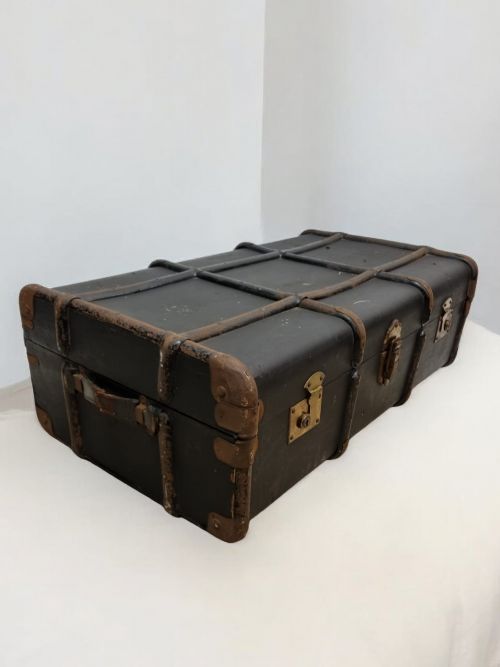


Vintage Metal Luggage
Vintage metal luggage brings rugged utility and industrial character into modern interiors through durable trunks, travel cases, and fitted storage pieces.
Vintage Metal Luggage
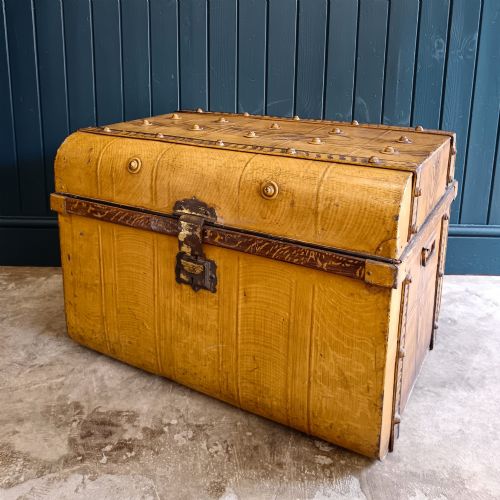
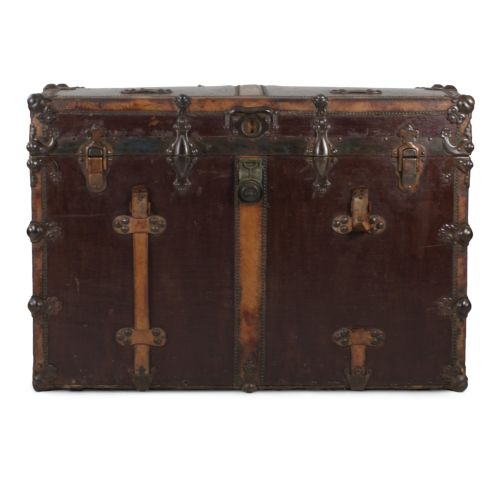
Vintage metal luggage encompasses robust travel trunks, steamer chests, and fitted storage boxes designed for transit across domestic and international routes during the nineteenth and early twentieth centuries. These durable pieces combine structural frames of iron, steel, brass, or zinc with protective exterior layers and reinforced hardware.
Buyers encounter diverse forms ranging from large domed shipping chests and compartmented cabin wardrobes to smaller toleware hat boxes and specialised military packing cases. The selection spans utilitarian travel gear and decorative furnishings originating from Victorian, Edwardian, and Art Deco periods.
Many examples incorporate mixed media elements such as leather bindings, wooden slats, and painted finishes alongside their primary metal construction. Makers utilised durable materials to withstand the rigours of railway, steamship, and automotive travel.
Construction and materials
Manufacturers built these trunks and cases using sheet metal, iron, steel, and brass over structural wooden or canvas cores, securing them with heavy-duty rivets, brackets, and original latches. Zinc linings frequently protected contents from moisture during maritime voyages, while brass and nickel plating added both corrosion resistance and decorative polish.
Exterior treatments varied from faux-wood paint and dark industrial enamels to polished brass and bound leather edges. Specialised items like military packing cases and hat boxes employed rigid tinplate and toleware to maintain structural integrity under heavy use.
Vintage Metal Luggage Retail Price Guide 2026
Typical asking prices for vintage metal luggage among the pieces listed under this phrase on Sellingantiques today, from the lower quarter to the upper quarter. They describe what is for sale here now, not the wider market.
Biscuit manufacturers once packed sweet treats into novelty tins shaped like leather satchels, proving that even a nineteenth-century snack travelled in style.
Assessing quality and authenticity
Quality in these travel pieces rests upon the integrity of the original hardware, working locks, and the survival of makers' marks or shipping labels from lines like Cunard. Superior examples retain their internal compartments, fitted trays, and structural linings without extensive replacement of metal plates.
The sophistication of the construction distinguishes standard utilitarian transport boxes from bespoke officer campaign chests and branded steamer wardrobes by makers such as Hartman or Seaward. Finer specimens display meticulous riveting, balanced weight, and high-grade finishing metals like nickel or brass.
Seaward·Allen of London·Peek Frean and Co·Hawkes and Co·Hartman Luggage Co
The Vintage Metal Luggage Glossary
- Steamer trunk
- A low-profile travel chest designed to fit beneath a steamship berth. These pieces often feature reinforced corners and flat or slightly rounded tops.
- Toleware
- Enamelled and japanned metalware produced in tinplate. This technique was commonly applied to durable storage boxes and military hat containers.
- Campaign case
- Portable furniture and luggage constructed for military officers on active service. They typically incorporate brass corners, recessed handles, and robust locking mechanisms.
- Pullman rack
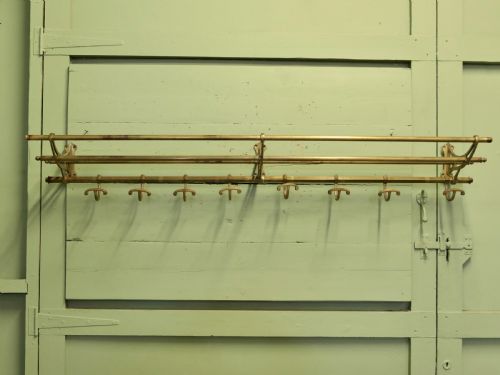
- An overhead luggage rack modelled on railway carriage fittings. These fixtures are fashioned from brass or plated metal with open slatted designs.
- Zinc lining
- A protective interior sheet metal sheathing applied to trunks to keep contents dry. This material appears frequently in nineteenth-century shipping chests.
Vintage Metal Luggage: Frequently Asked Questions
How do I clean vintage metal trunks?
Dust surfaces gently and apply a light microcrystalline wax to bare metal to prevent oxidation without disturbing patination. Avoid harsh chemical cleaners that strip original painted finishes or vintage labels.
Interior linings require careful vacuuming using a low-suction attachment. Ensure leather and wooden components remain conditioned according to their specific material needs.
Can I use these trunks as coffee tables?
These robust pieces make excellent low tables or storage consoles in living spaces. Their flat-topped variants provide stable surfaces for books and decorative objects while concealing clutter inside.
Ensure the internal structure remains sound and capable of supporting weight if used surface-wise. Felt pads underneath protect delicate flooring from heavy iron or brass feet.
How do I date a metal travel trunk?
Examine the hardware style, locks, corner brackets, and construction techniques to establish an era. Patent dates, maker stamps, and transit labels offer precise chronological clues.
Victorian pieces often feature heavy iron bands and simpler latches, whereas Edwardian and Art Deco examples introduce lighter alloys, nickel plating, and fitted internal wardrobes.
What is a steamer trunk?
A steamer trunk is a shorter travel chest built specifically to fit beneath the berths of ocean liners. Their reduced height allowed passengers to access belongings easily during voyages.
These compact trunks prioritized efficient interior organisation with trays and compartments, distinguishing them from taller domestic storage chests.