
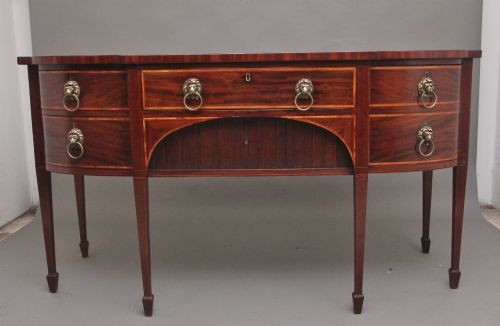


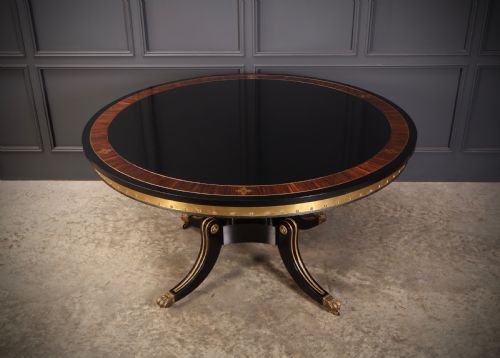


Brass Inlaid Dining Table
A brass inlaid dining table combines rich timber and gleaming metal work, offering a sophisticated centrepiece for formal dining rooms.
Brass Inlaid Dining Table
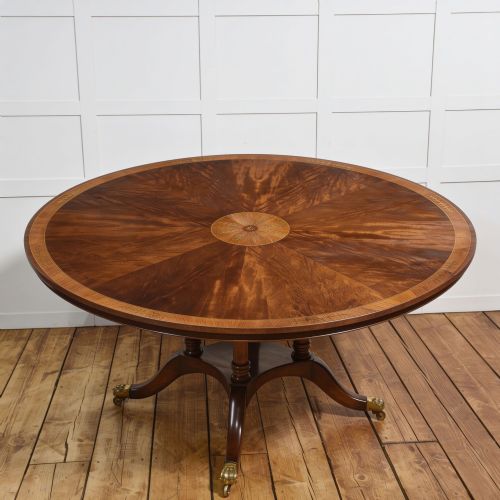
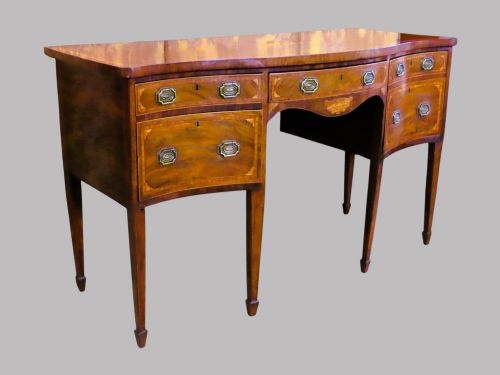
A brass inlaid dining table represents a search for refined timber surfaces embellished with precise metal decoration. Pieces matching this phrase span several periods, originating from the eighteenth, nineteenth, and early twentieth centuries under Georgian, Regency, and Revival influences.
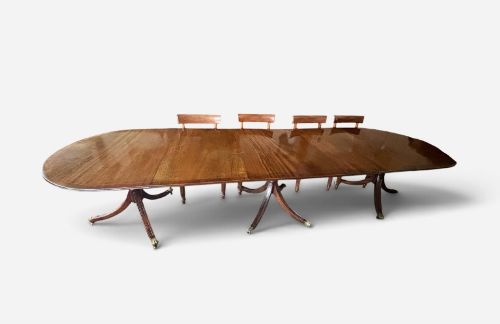
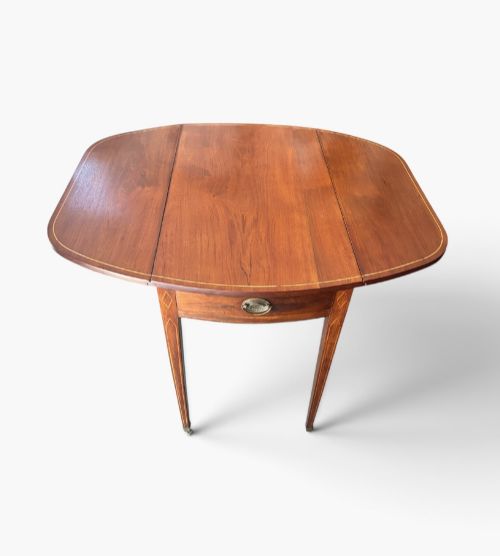
Buyers most frequently encounter circular, oval, and pillar forms constructed from mahogany and rosewood. These examples demonstrate the enduring popularity of Regency design principles, alongside later interpretations from the Edwardian and later twentieth century eras.
How they were made
Cabinetmakers utilised dense timbers like mahogany and rosewood as a stable foundation for intricate decoration. Surfaces receive precise channels cut into the grain to receive thin strips of brass, often accompanied by contrasting stringing in boxwood or satinwood.
Construction techniques include pedestal bases, multi-pillar supports, and tilt-top mechanisms designed for versatility. Joinery relies on traditional methods to accommodate the different expansion rates of wood and metal over long periods.
Several tables include clever tilt mechanisms that let them fold flat like giant wooden pancakes against the wall when dinner is finished.
What varies in quality
The standard of a brass inlaid dining table depends heavily on the precision of the metalwork and the choice of timber figures. Superior examples show tight, flush integration between the brass and the surrounding wood without gaps or lifting.
Proportion and execution elevate certain pieces above standard production. Finer items exhibit carefully selected grain patterns like flame mahogany or figured rosewood, whereas simpler versions rely on plain stock and straightforward banding.
The Brass Inlaid Dining Table Glossary
- Regency
- A style period spanning the early nineteenth century defined by classical restraint and archaeological influence. Pieces from this era often incorporate bold rosewood and distinct brass detailing.
- Inlay
- A decorative technique where materials such as brass, boxwood, or satinwood are embedded into recesses cut into the wood surface. This creates a smooth, flush pattern across the top.
- Flame mahogany
- A distinctive wood grain figure displaying a flickering flame-like appearance derived from the branch junctions of the tree. It is commonly found on high-grade dining and centre tables.
- Centre table
- A freestanding table designed to be viewed from all sides rather than pushed against a wall. These forms often feature central pillars or tripod bases.
- Pedestal
- A single central support column carrying the weight of the table top above. It frequently terminates in splayed legs with brass paw feet or castors.
Brass Inlaid Dining Table: Frequently Asked Questions
How do I clean brass inlay?
Dust surfaces regularly with a soft, dry cloth to prevent debris accumulation in the metal channels.
Avoid harsh liquid polishes that can seep into the surrounding wood grain and discolour the timber.
Are these tables suitable for daily use?
Many examples are robust enough for regular dining when treated with appropriate care and protective pads.
Rosewood and mahogany surfaces benefit from being kept away from direct heat sources and strong sunlight.
How do I distinguish Regency from revival pieces?
Original period items exhibit authentic construction methods, timber ageing, and wear patterns consistent with the early nineteenth century.
Revival pieces, produced around the late nineteenth or early twentieth centuries, often utilise different secondary woods and standardised hardware.