
Brass Hearth Irons
Brass hearth irons bring structure and polish to an open fire, turning a functional hearth into the centre of the room.
Brass Hearth Irons
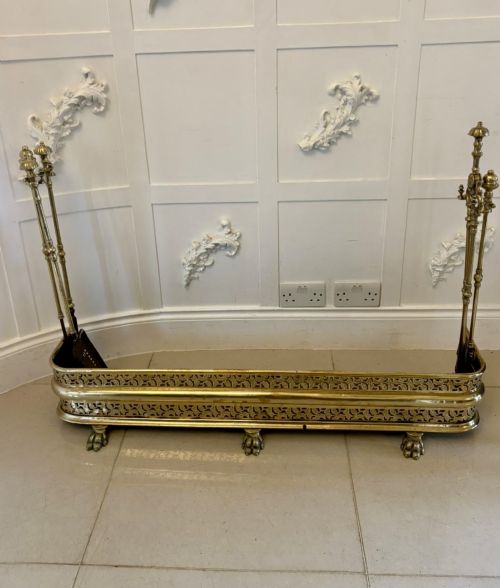
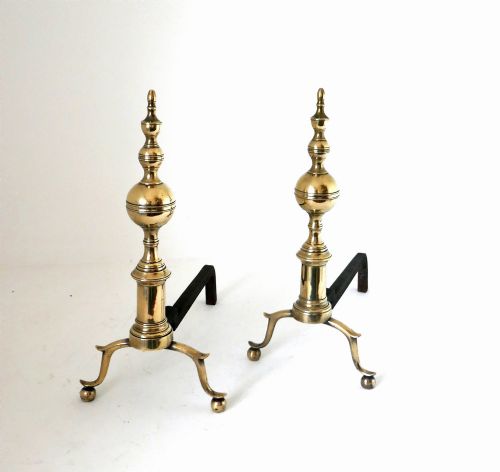
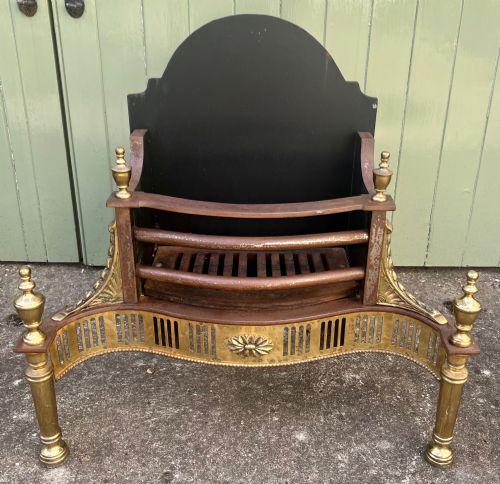
Brass hearth irons encompass the collection of metalwork designed to manage an open fire, from andirons and fire dogs to companion sets and fenders. When searching for brass hearth irons, buyers meet pieces spanning the eighteenth, nineteenth and early twentieth centuries, reflecting Georgian, Regency and Victorian tastes.
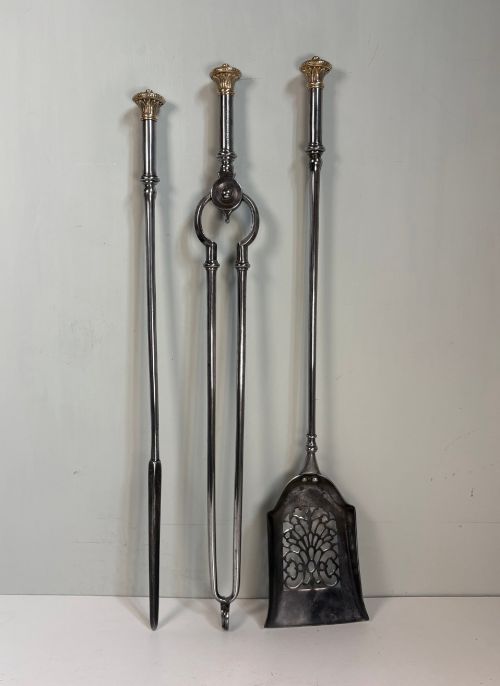
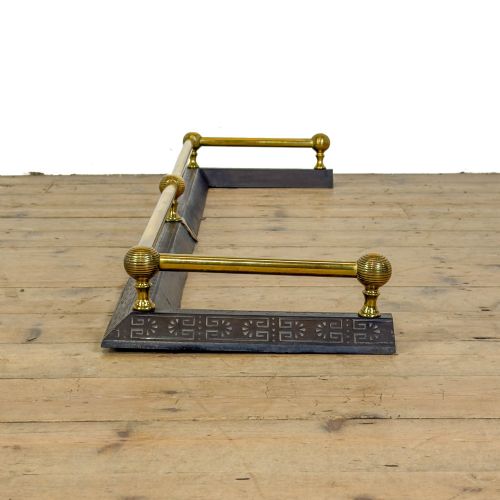
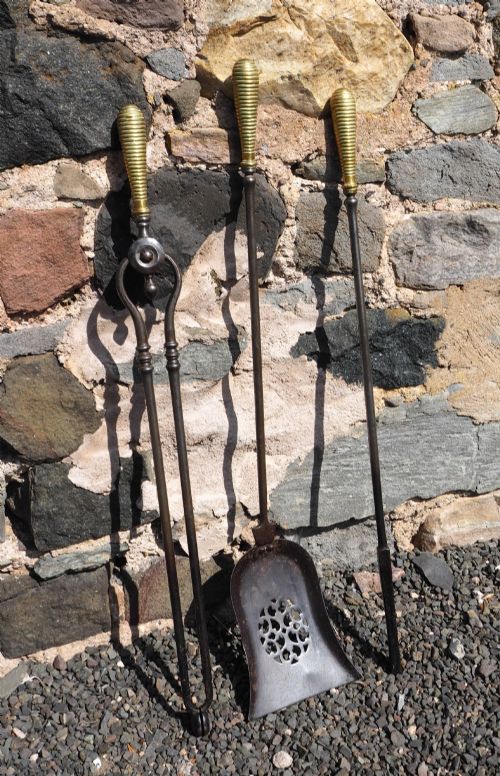
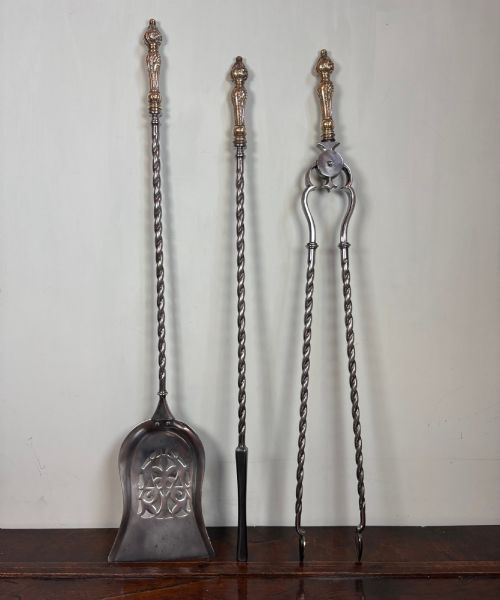
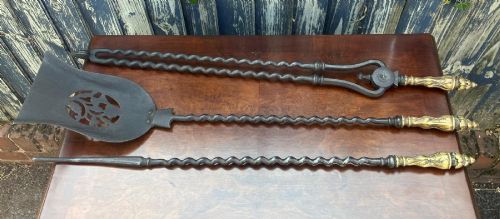
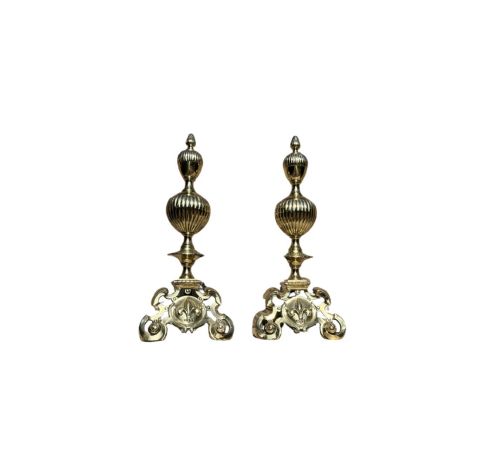
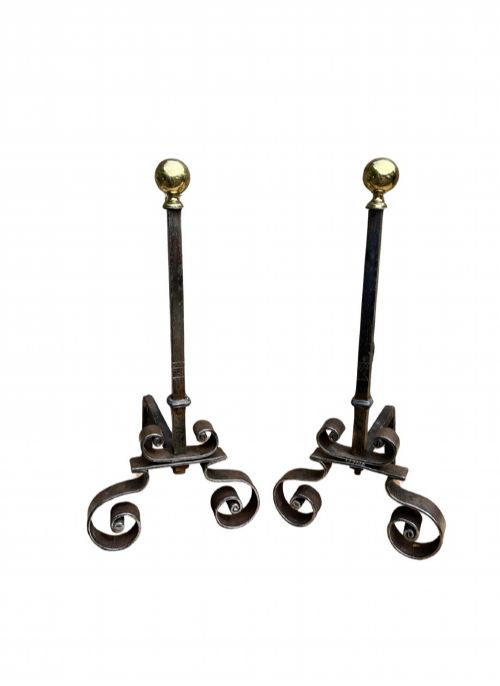
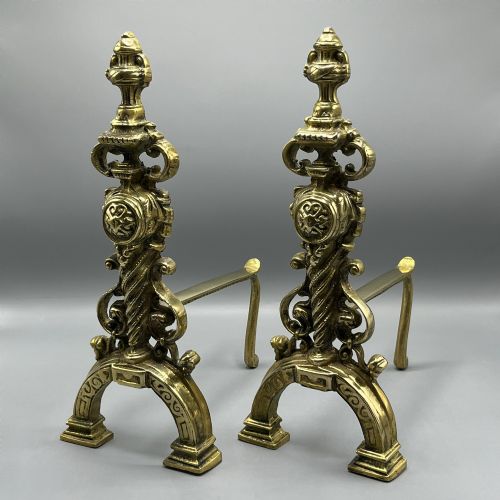
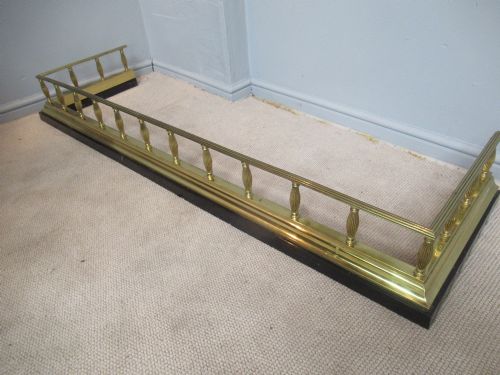
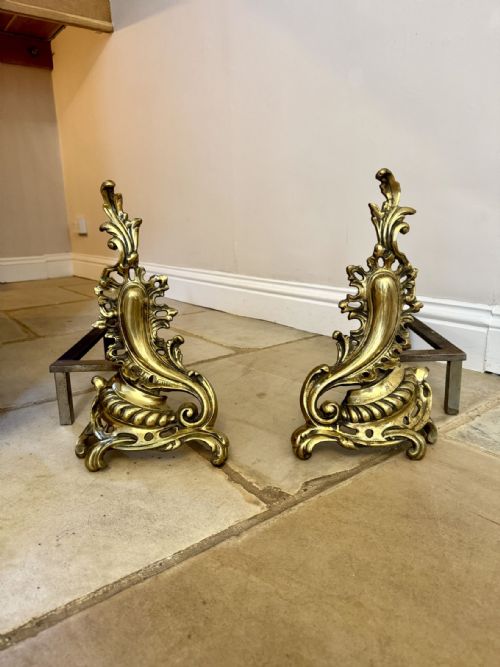
The most common items found under this heading include fire irons, andirons and fenders that combine solid brass with iron or steel components. These accessories range from French rococo fire dogs to simple English Victorian companion sets and nursery fenders with brass tops.
Originating largely from British and French workshops, these fireplace furnishings served both practical and decorative functions in period homes. Today, they provide authentic period detail for functional hearths and decorative fireplace displays alike.
Materials and construction
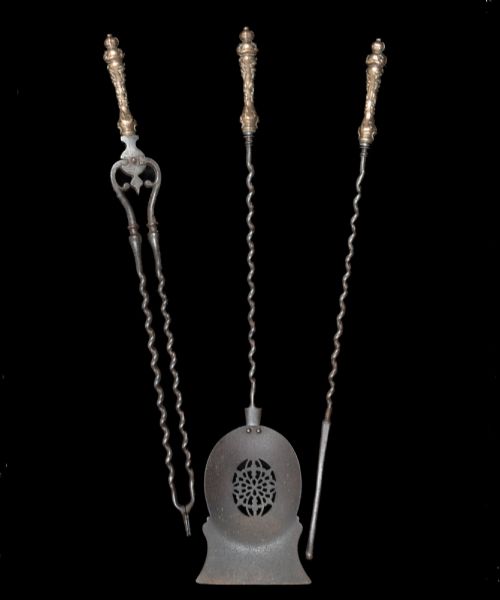
The construction of these pieces relies on a combination of brass, cast iron, wrought iron and steel. Makers cast heavy brass components for decorative tops and fire dogs, while pairing them with robust iron or steel shafts for functional strength around the fire.
Techniques varied from sand casting for brass ornaments and fire dogs to hand-forging for steel fire tools and wrought iron frames. Surface finishing involved polishing the brass to a bright finish alongside blackened or burnished iron elements.
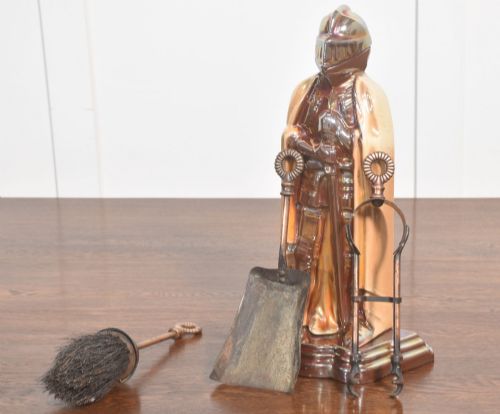
A miniature salesman's brass and iron fireplace allowed travelling reps to demonstrate heavy hearth furniture without packing a ton of metal.
Evaluating quality and craftsmanship
Quality in these pieces depends on the weight of the metal and the crispness of the casting. Finer examples display cleanly detailed brass work and substantial steel or iron rods that maintain rigidity under daily use.
The distinction between standard utility items and high-end pieces lies in the articulation of design styles, such as Regency or French Rococo detailing. Original matching sets with intact fire irons and hearth rests represent a higher grade than assembled groups.
John Linwood of Birmingham
The Brass Hearth Irons Glossary
- Andirons
- Supports used in a fireplace to hold logs above the hearth for better air circulation. They often feature decorative brass fronts.
- Fender
- A low metal guard placed around the hearth to contain ash and embers. They frequently incorporate brass top rails and wire mesh.
- Companion set
- A matched group of fireside tools, typically including a poker, tongs, shovel and brush, housed on a stand or rest.
- Fire grate
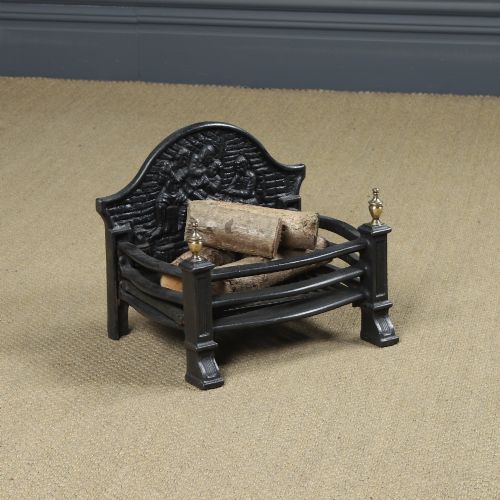
- A metal basket or framework designed to hold coal or wood within the fireplace opening. They often combine cast iron bodies with brass ornamentation.
- Spit jack
- A mechanical device used to turn meat over the fire during cooking. Some examples were driven by clockwork mechanisms.
Brass Hearth Irons: Frequently Asked Questions
What are brass hearth irons used for?
These pieces serve to manage burning logs and maintain the hearth area safely. They combine functional tools like pokers and tongs with decorative supports like andirons and fenders.
Beyond utility, they act as decorative furnishings that define the aesthetic of the fireplace. Victorians and Georgians used them to display polished metal craftsmanship in the principal rooms of the house.
How do I date brass hearth irons?
Dating relies on stylistic clues, manufacturing techniques and material combinations. Georgian and Regency pieces often show clean, classical lines, while Victorian examples lean towards heavier cast brass and ornate detailing.
Examining the fixings, such as hand-cut screws or cast joints, provides further clues to the period. Comparing the style to dated pieces in archives helps narrow down the decade of manufacture.
How do I clean antique brass?
Cleaning antique brass requires gentle methods to preserve the underlying metal and any accumulated age patination. Mild soapy water and a soft cloth remove surface dirt without stripping the historic character.
Avoid harsh chemical abrasives that can damage fine details or remove subtle tones built up over centuries. Many collectors prefer to leave a warm, mellow patina rather than polishing the brass to a bright shine.
Are these pieces suitable for active fireplaces?
Many solid brass and iron pieces remain robust enough for regular use in a working hearth. Cast iron fire grates and steel tools are specifically engineered to withstand high temperatures and daily friction.
Lighter decorative items, such as miniature salesman samples or delicate rococo pieces, are better suited for display. Checking the metal thickness and structural integrity helps determine whether a set is fit for active service.